








Introduction:Want to brew a well-balanced Americano but always end up with something too sour or bitter? This article dives deep into the brewing principles of American coffee, from the fundamentals of espresso to the key differences between pour over and Americano. Learn how to choose beans that won’t turn out acidic, understand how flavor changes in hot vs cold drinks, and master professional-level extraction parameters. Whether you’re a beginner or a coffee enthusiast, you’ll find a brewing method that suits you.
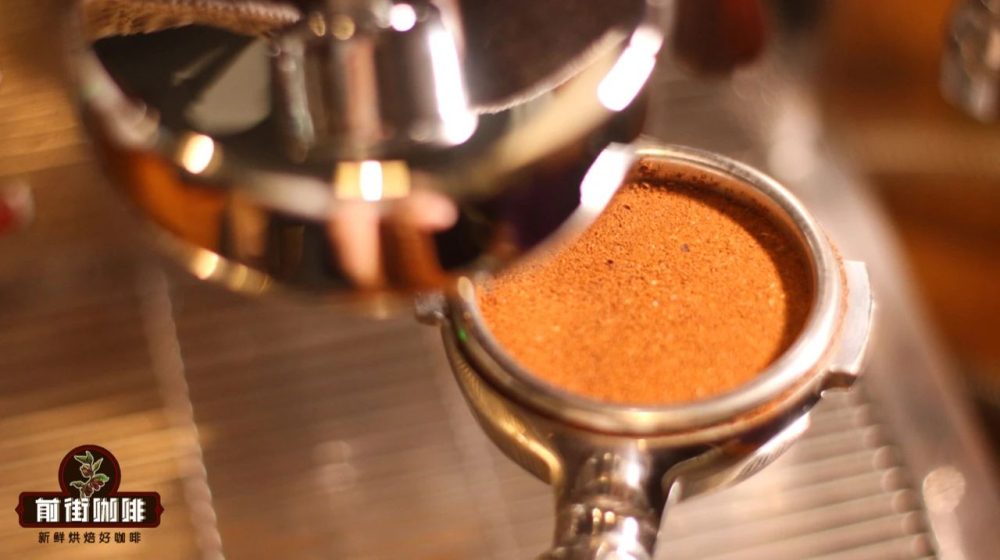
Before discussing American coffee, let’s clarify a few basic concepts: espresso is a highly concentrated coffee liquid extracted using an espresso machine. It’s usually not consumed on its own, but customers sometimes order it for a quick energy boost. This concentrated coffee is typically extracted at a 1:2 ratio, resulting in both high concentration and intense flavor.
Adding water to espresso creates the common Americano; if you add various types of milk or milk foam, you get milk-based coffees like lattes or cappuccinos. As for pour over coffee, it also falls under the black coffee category, but it’s made by directly extracting ground coffee using a filter dripper and manual pouring—no espresso machine involved, and no need for dilution.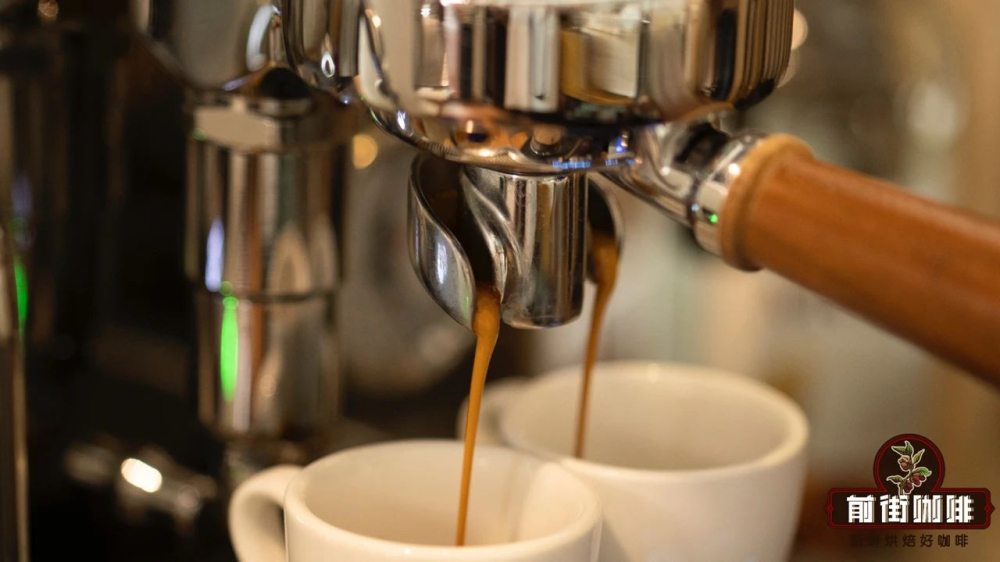
The current coffee beverage market has gone through three waves: the first wave was dominated by instant coffee, the second wave saw the rise of espresso culture, and the third wave is the era of specialty coffee—some even propose a fourth wave. Even so, espresso remains the foundation of most coffee shops and an essential skill for every barista, covering everything from espresso shots to various milk-based drinks.
Making an Americano is actually very simple: just mix espresso with water, and if it’s iced, add ice cubes. However, precisely because the steps seem simple, it’s the best way to reveal a barista’s skill in extracting espresso. Compared to milk-based drinks like lattes, Americanos are less affected by milk, allowing you to taste the flavors of the coffee beans more directly. That’s why many baristas, when trying coffee elsewhere, often prefer to order an Americano to evaluate the shop’s quality.
Generally speaking, the ratio for American coffee ranges between 1:6 and 1:8, but based on actual testing, 1:6 is the more ideal golden ratio—that is, 40 grams of espresso liquid paired with 240 grams of hot water. For an iced Americano, you need to account for the space taken up by the ice, so the ratio is adjusted to 1:7, using 40 grams of coffee liquid with 280 grams of an ice-water mixture (180 grams of ice and 100 grams of water).
As for the flavor difference between hot and iced Americanos, it mainly comes down to how temperature affects human taste perception. Hot drinks make the aroma of coffee more vibrant, highlighting notes of dark cocoa and cream, and allow you to perceive the flavor transitions as it cools down. Iced drinks, on the other hand, make the tongue more sensitive to acidity due to the lower temperature. Meanwhile, quinic acid degrades into quinic acid lactones, resulting in a fresher overall flavor with balanced acidity.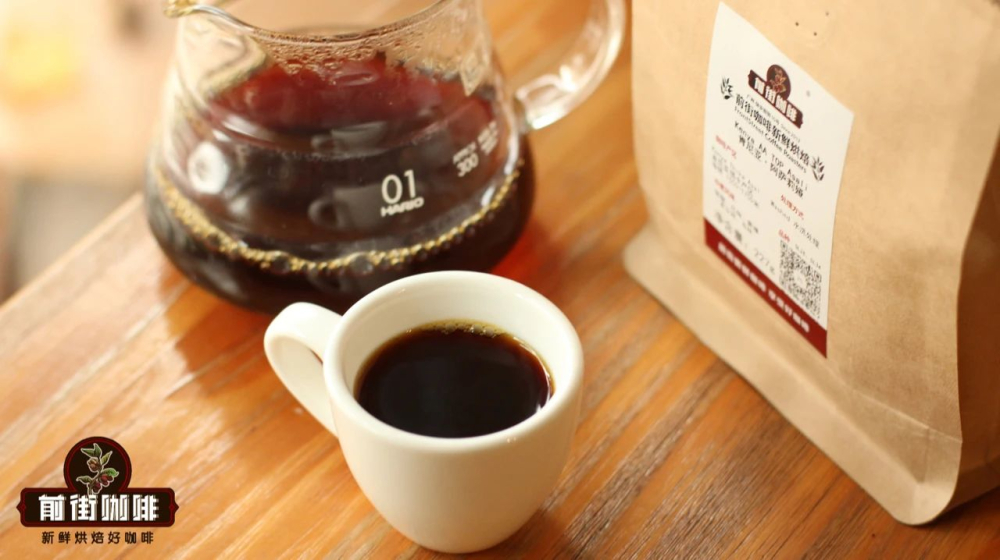
So why do some Americanos end up tasting too bitter? There are two main reasons: first, the inherent flavor characteristics of the coffee beans—choosing dark roasts or beans with heavy, intense flavors can easily bring out bitterness and astringency; second, mistakes during the extraction process, such as grinding too finely, extracting for too long, or channeling effects, can all lead to over-extraction and produce a harsh, overly bitter taste. Generally, the Golden Cup standard recommends an extraction yield between 18% and 22%. Going beyond this range may cause an imbalance in flavor.
Pour over coffee, on the other hand, is a completely different extraction method. It uses drip filtration, where flavor is influenced by the pouring technique and dripper design. A common V60 dripper, for example, uses a 1:15 coffee-to-water ratio, a medium-fine grind size (about 80% passing through a standard 0.85mm sieve), with water at 90°C, and is brewed in three pours over approximately 2 minutes. In contrast, Americano is made by diluting espresso, so its flavor is primarily determined by the extraction parameters during the espresso stage.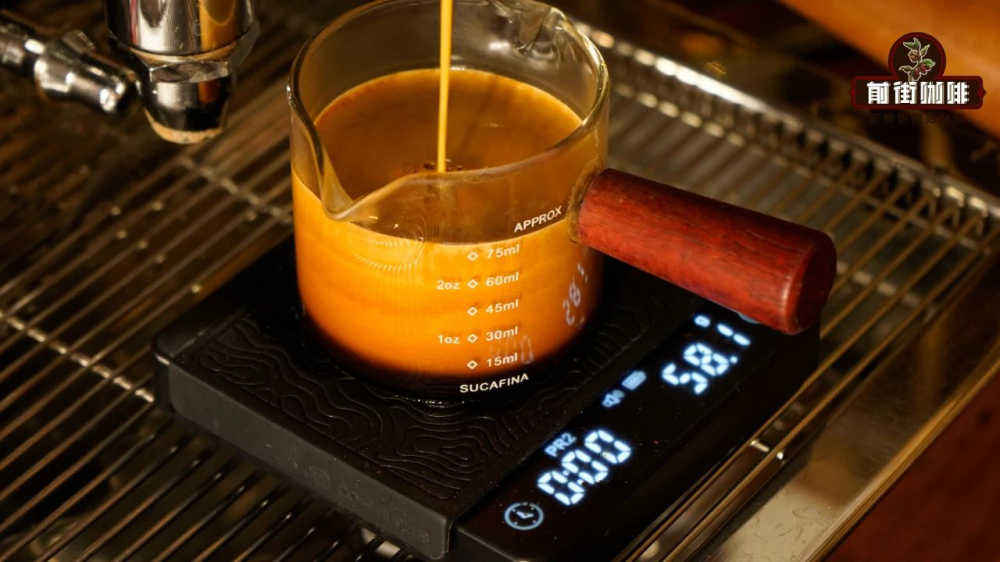
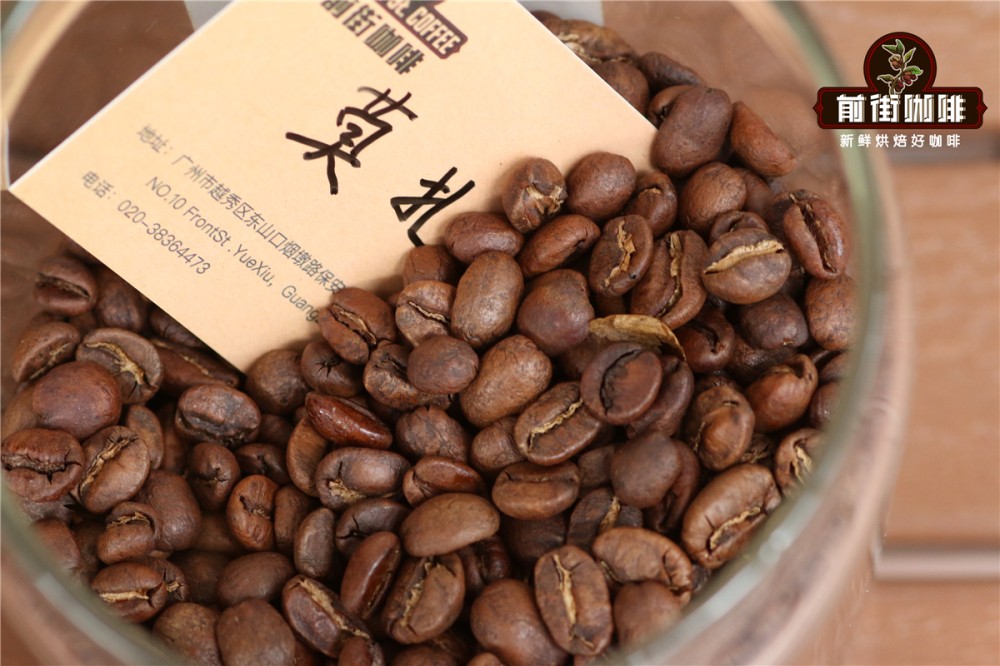
If you use the same beans to make both pour over and Americano, the flavor profiles will also be vastly different. Take Costa Rica Mozart as an example—the pour over version showcases fermentation notes, medium-toned raisins, and citrus characteristics, with a clean mouthfeel. The Americano version, however, retains more oils due to high-pressure extraction. Although the flavors are diluted by water, you can still clearly discern pronounced fermentation and dried fruit notes, with a relatively fuller body.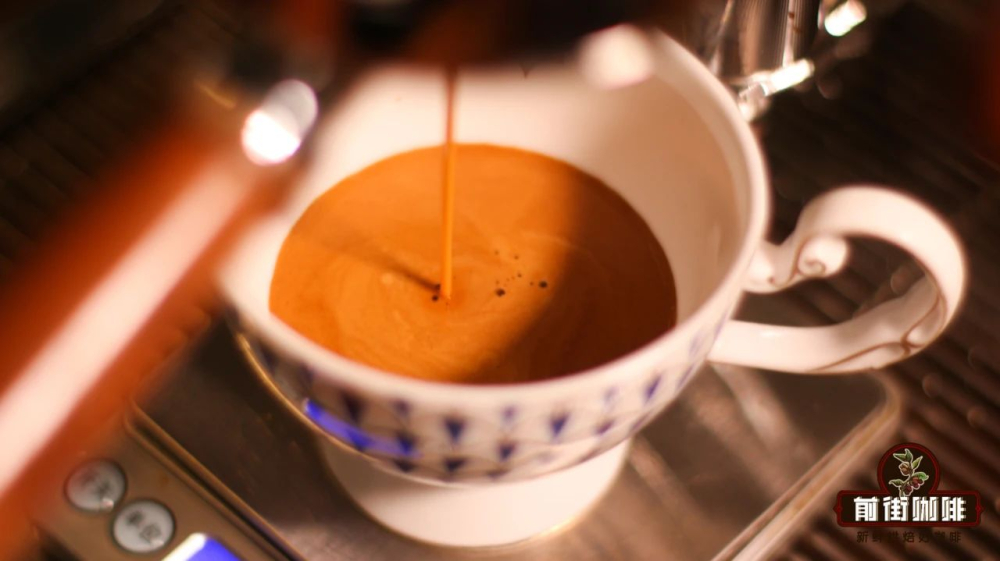
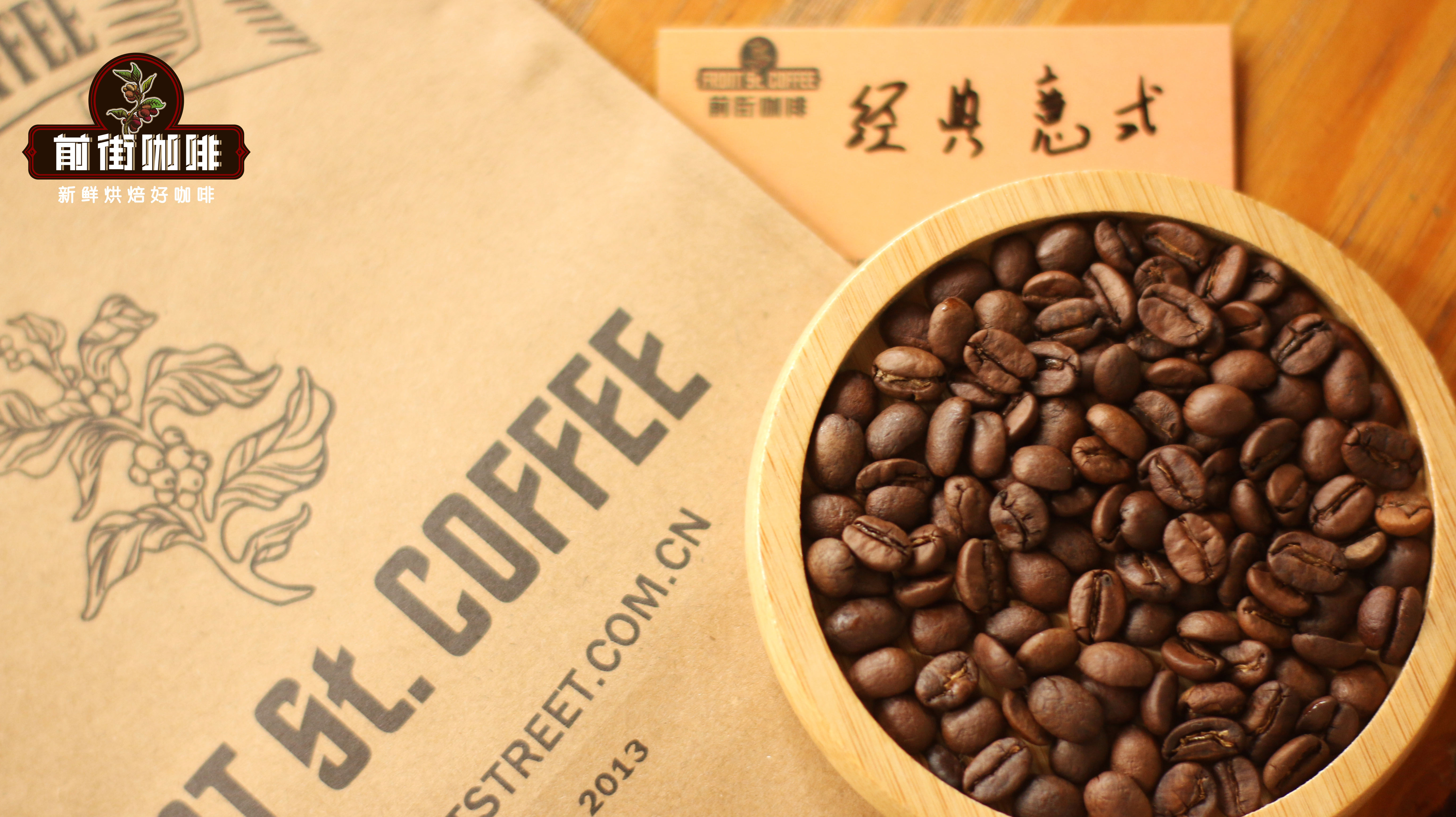
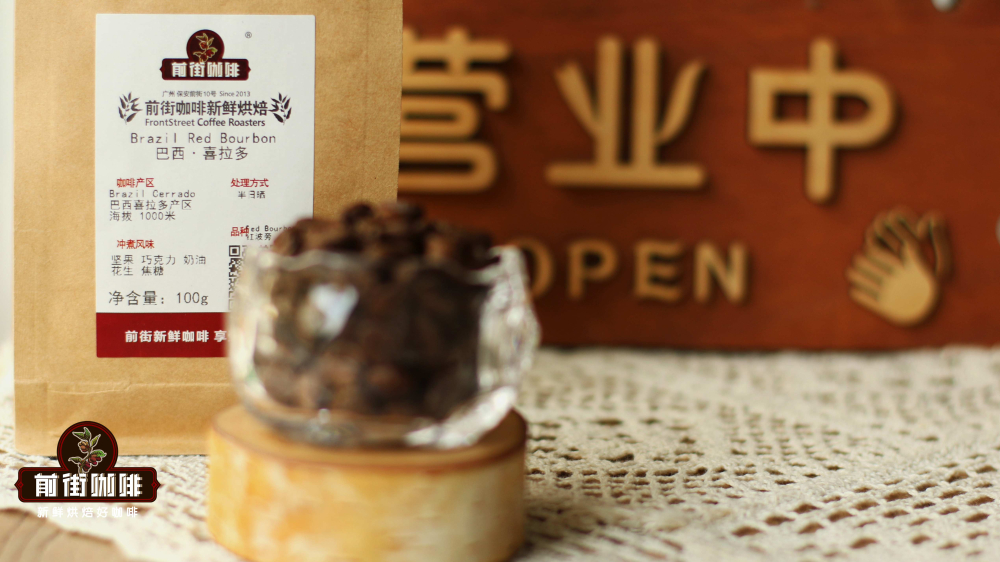
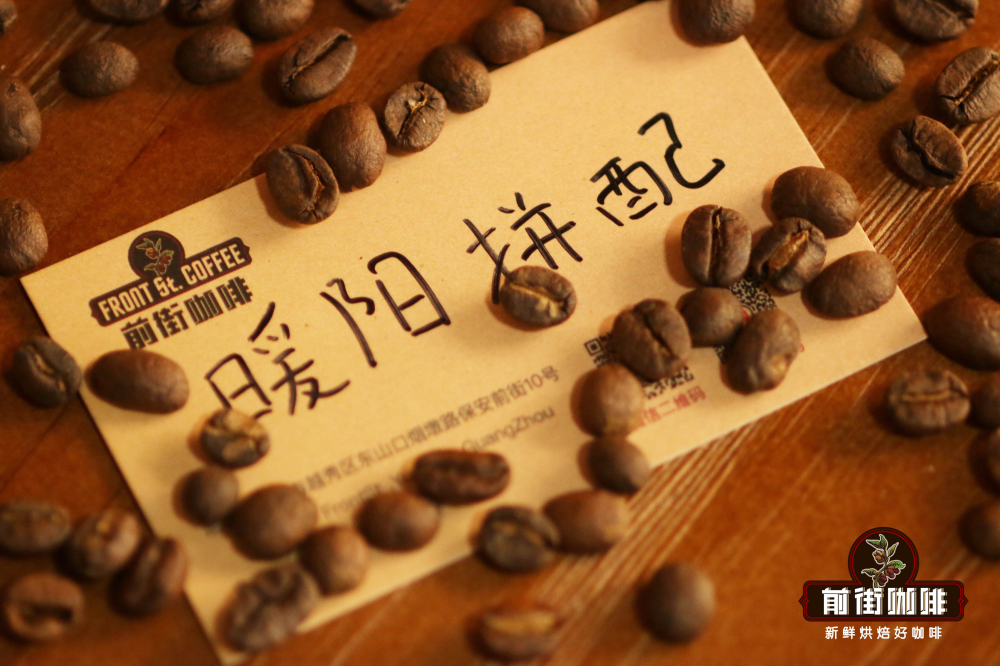
When selecting beans suitable for Americano, it’s recommended to prioritize espresso blends, as they are designed specifically for making espresso and consequently influence the final flavor of the Americano. There are many types of blends available on the market—some focus on stable flavor profiles, some emphasize high cost-performance, and others are tailored for specific flavor experiences. For instance, some blends are based on Brazilian and Yunnan beans, emphasizing nutty tones and oil expression; others combine sherry cask-fermented beans with sun-dried Yirgacheffe, bringing wine-like aromas and distinct acidity, ideal for those seeking layered complexity.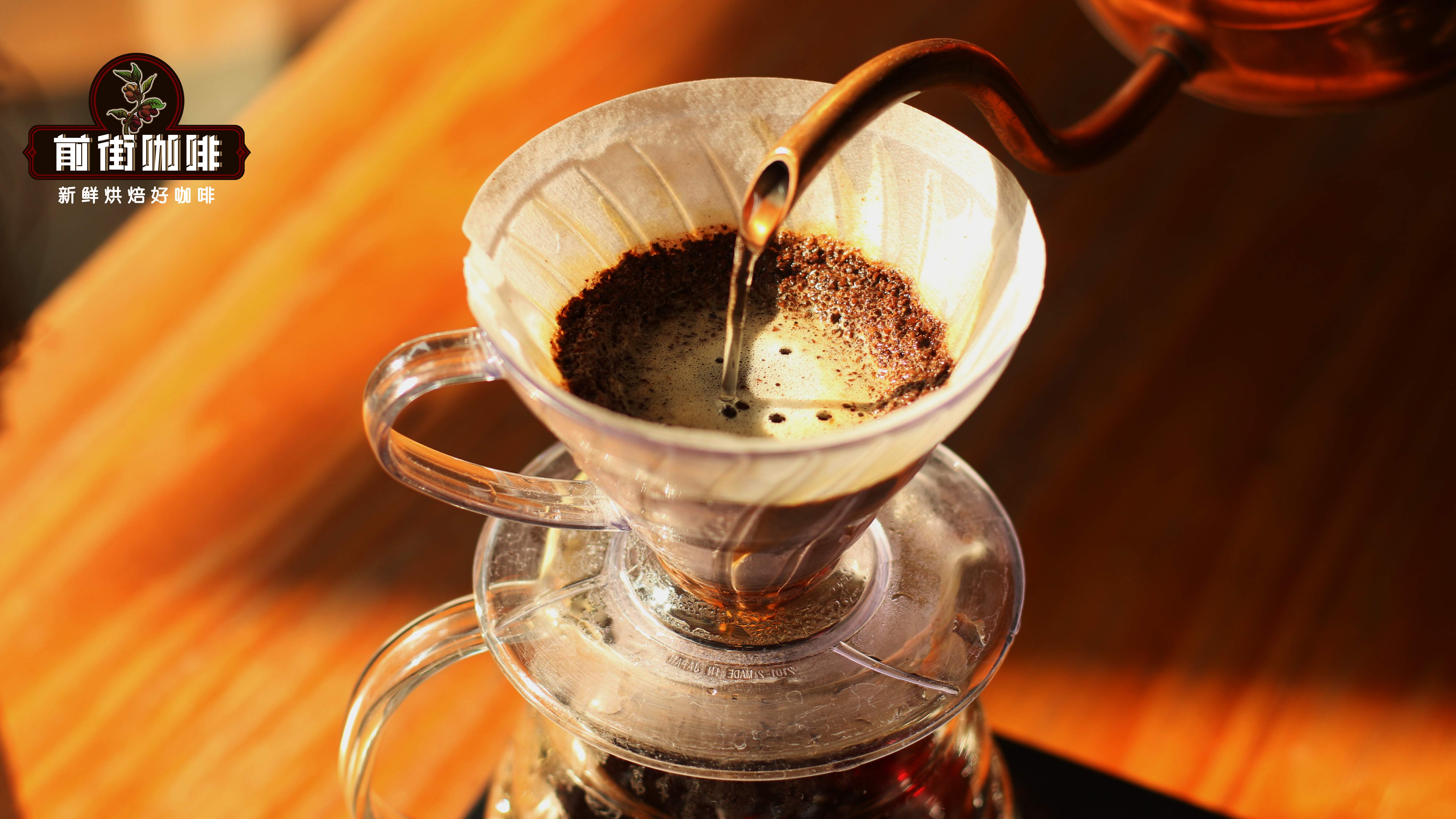



The above content is compiled by CoffeeHunters, a coffee news website.

