








Introduction:Single-origin and blended coffee beans are common industry classifications, but do you know the difference between them? This article delves into the characteristics and uses of single-origin and blended beans, explores whether they can be used interchangeably — such as using blends for pour over or single-origins for espresso — and not only helps you understand flavor differences but also provides practical references on roasting and extraction, making your bean selection and brewing more intuitive.
With the rise of specialty coffee culture, more and more coffee enthusiasts are beginning to pay attention to the origin and types of coffee beans. Currently, the most commonly available coffee beans in the market can generally be divided into two main categories: ‘single-origin coffee beans’ and ‘blended coffee beans’. The former is often used for pour over methods to highlight the unique flavors of specific regions, while the latter is typically used as the base for espresso, emphasizing stable flavor and balanced complexity. Understanding the traits of these two types helps you choose the coffee experience that best suits you.
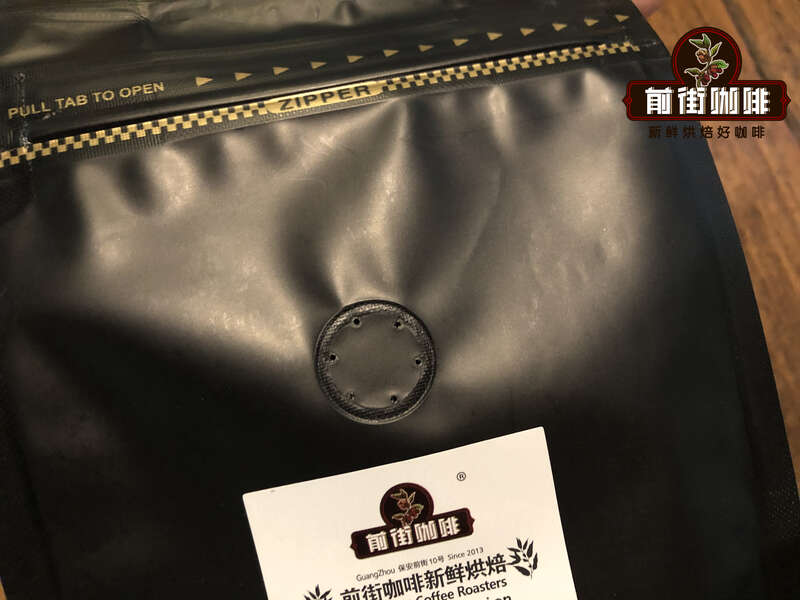
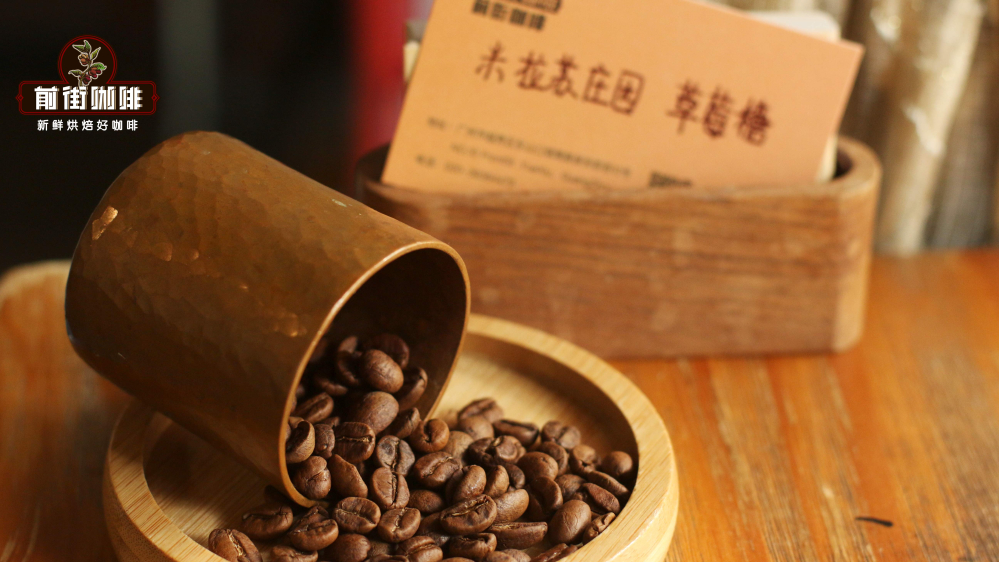
No matter which type of coffee bean you choose, freshness is key. It is recommended to prioritize products with a clearly markedroast date(not expiration date), and ensure they come from a reputable roaster. Ideally, coffee packaging will feature aone-way valve, which allows carbon dioxide released by the beans to escape while preventing oxygen from entering. You can gently squeeze the bag and smell it — if it emits a rich coffee aroma, it’s fresh; if there’s a rancid smell, it may have gone stale. Please note that coffee bean flavor significantly declines after approximately50 dayspost-roast, but the flavor is also not yet stable within the first two days after roasting, so it’s best to enjoy them at an appropriate time.
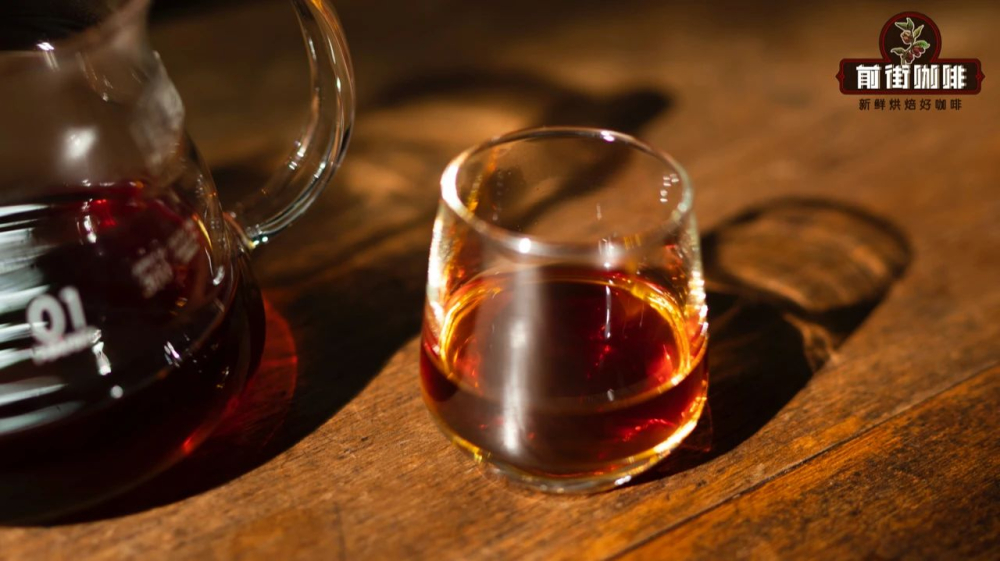
Single-origin coffee beanscome from a single origin, specific processing facility, or farm, showcasing the unique terroir of that place — such as the influence of altitude, soil, and climate on flavor. For example, beans from certain renowned regions may exhibit distinct floral or fruity notes, even a syrupy sweetness. Because sourcing involves strict quality selection, sometimes even hand-picking green beans, single-origin beans usually present a purer and more complex flavor profile, with a relatively lower defect rate. Their roast level can be adjusted according to need, with various flavor expressions from light to dark roast — light roast highlights acidity and fruitiness, while dark roast enhances body and caramel notes.

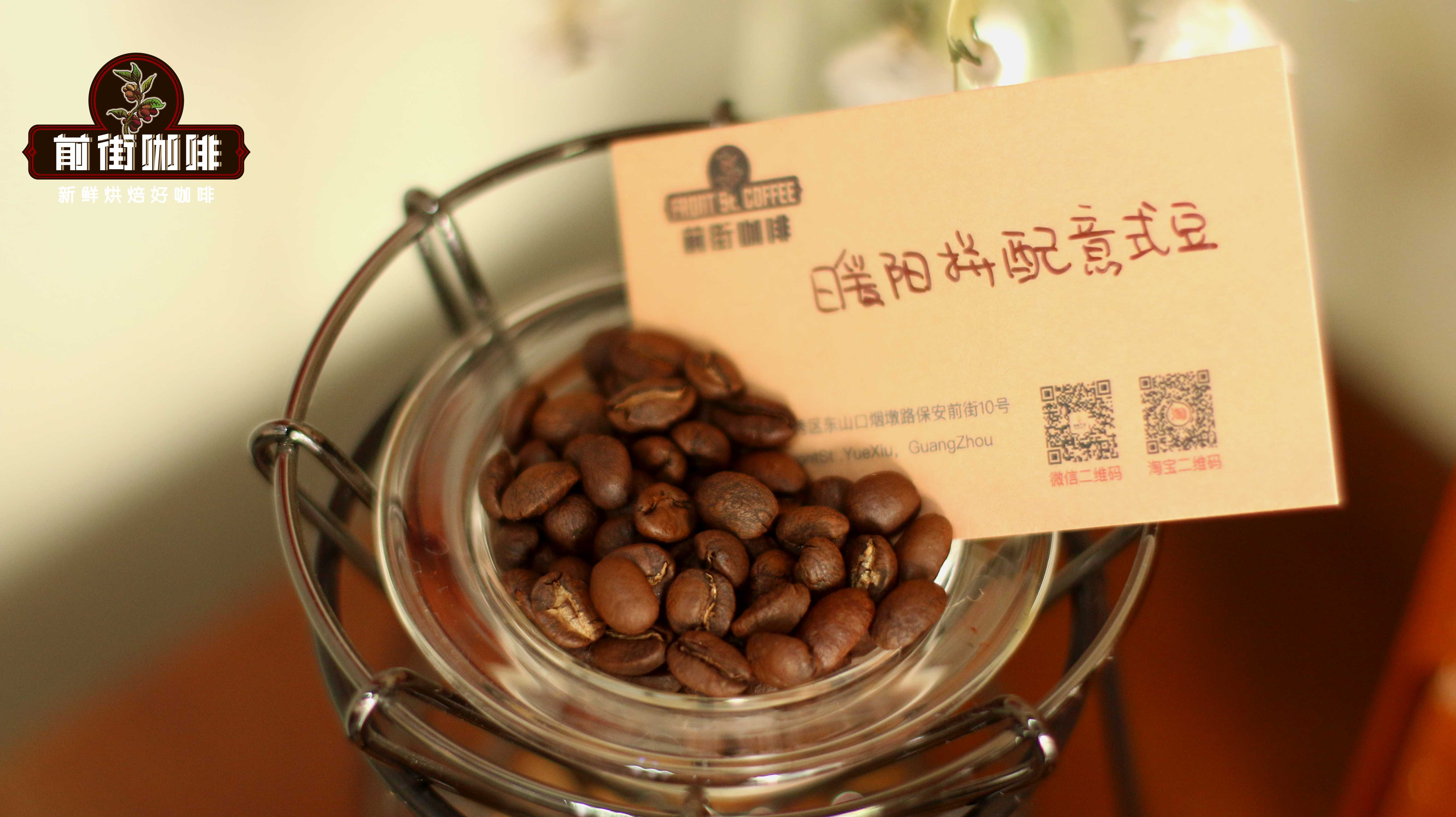
In contrast,blended coffee beansare made by combining two or more beans from different origins in specific proportions, aiming to integrate the strengths of each bean to create a more balanced and consistently flavored cup. For instance, when one bean has strong aroma but a thin body, it can be paired with another that has a rich texture but milder flavor, complementing each other. Blending methods can be divided into ‘pre-blend’ (mixing green beans before roasting) and ‘post-blend’ (roasting beans separately and then blending), depending on the recipe. This approach is commonly seen in espresso preparation, helping to maintain daily consistency in the final cup, which is especially important in commercial operations.
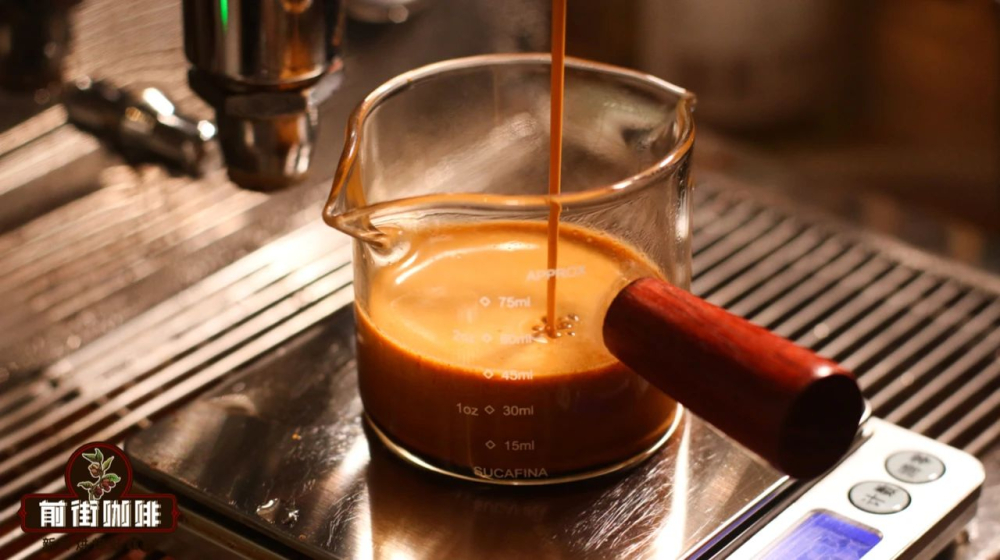
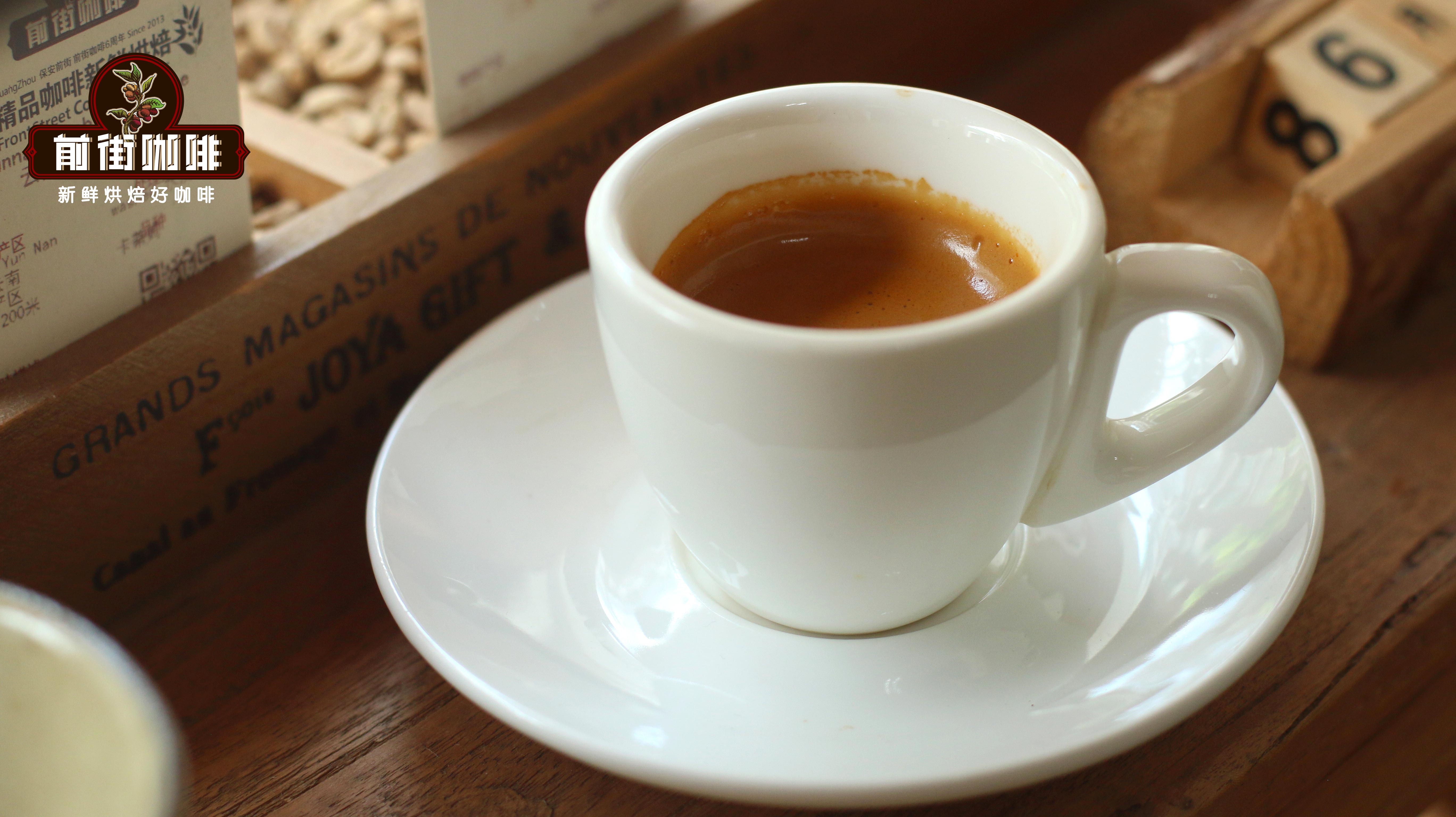
Many wonder: can single-origin beans be used to make espresso, also known as SOE (Single Origin Espresso)? Theoretically, there’s no issue, but practically, it’s quite challenging. For an SOE to showcase the unique flavors of a single origin, it needs beans withhigh distinctiveness and strong personality; otherwise, the extraction might turn out flat or dull. In addition, roast level must be precisely controlled — too light may result in excessive acidity and under-extraction, while too dark can erase regional characteristics and flatten the flavor layers. Therefore, the same bean used for pour over and for SOE often requires different roast profiles to achieve optimal results.
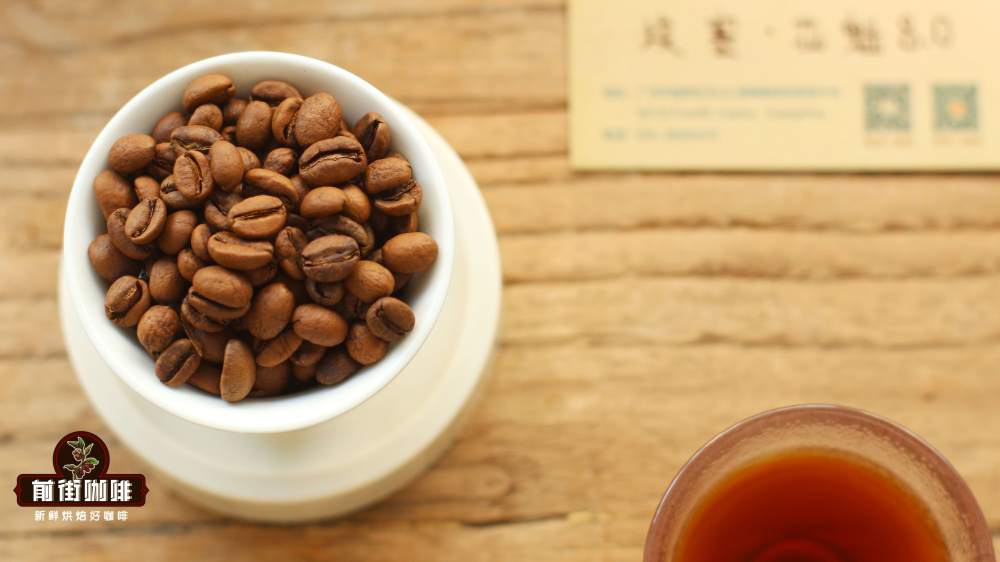
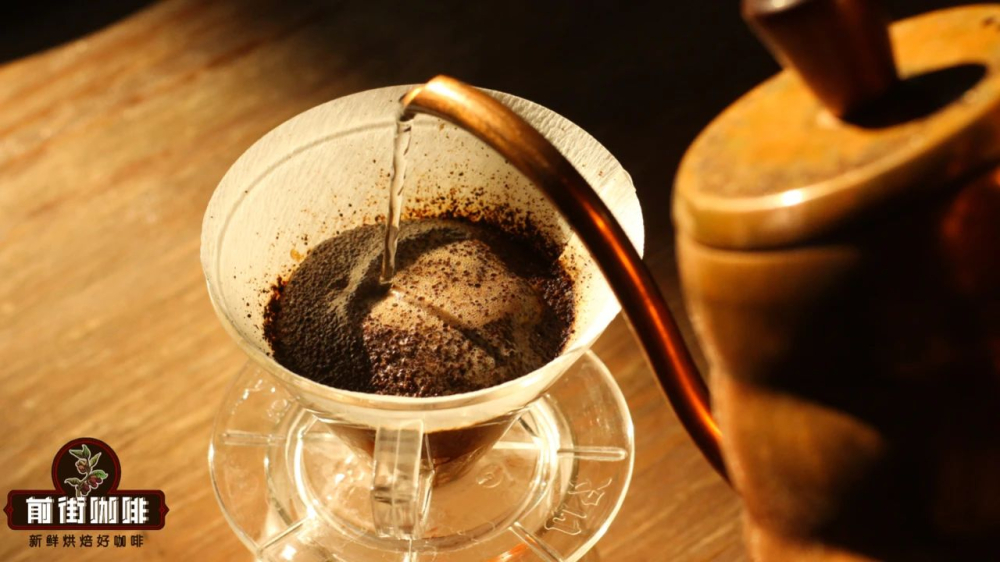
As for whether blended beans can be used for pour over — the answer is yes. Blending is not exclusive to espresso, but rather a concept of merging beans with different flavor profiles. Many pour over enthusiasts also enjoy experimenting with blends to explore the interactions between different origins or varieties. For example, some blends combine bright, fruity beans with low-acidity, full-bodied ones, delivering rich layers and balance during pour over. As long as you choose a suitable roast level for pour over (commonly medium-light to medium) and use appropriate brewing parameters, blends can also deliver captivating pour over flavors.
For those new to coffee, it is recommended to start by selecting based on flavor descriptions and roast levels. Single-origin beans are ideal for enthusiasts who want to deeply explore the characteristics of different regions, while blended beans offer a more consistent taste experience, suitable for everyday drinking. If you enjoy experimentation, you can also try applying blends or single-origins of different roast levels to various brewing methods like pour over or French press, and observe how the flavors change. Remember, no matter which beans you choose, keeping them fresh, controlling grind size and water temperature appropriately are the keys to improving extraction quality.
The above content is compiled by CoffeeHunters, a coffee news website.

