







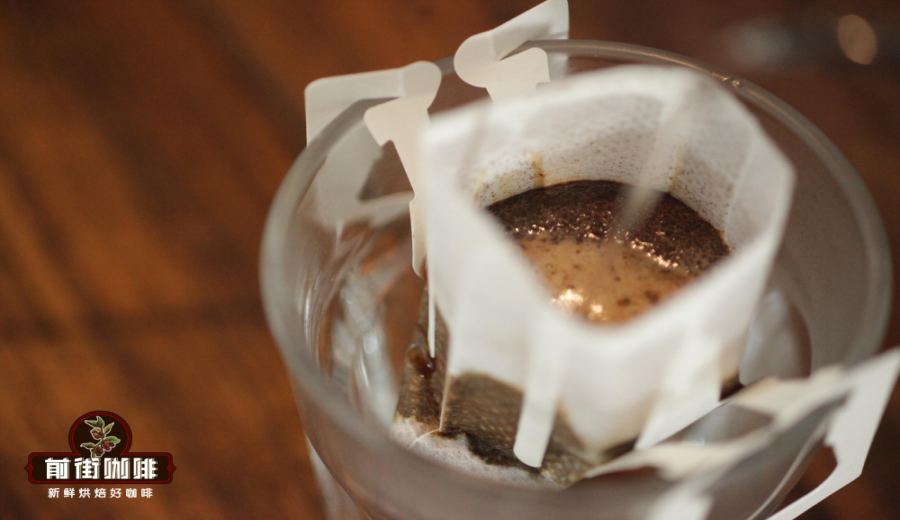
Introduction:Drip bags combine the convenience of pour over with the flavors of single-origin coffee, making them a great everyday choice for many coffee lovers. But do you know how to brew them correctly to unlock their optimal flavor? This article explains the difference between drip bags and instant coffee, teaches you the golden coffee-to-water ratio, ideal brewing temperature, and techniques, analyzes why brewing more than once is not recommended, and recommends practical drip bag options with different flavor profiles.
Drip bags are a convenient and pour-over-like filtered coffee format. With freshly ground coffee beans and proper brewing methods, they can showcase an appealing balance of acidity, sweetness, and bitterness, along with layers of complexity. However, many people often confuse them with instant coffee, or even make mistakes such as steeping them for too long, reusing them, or drinking them like tea bags—these all greatly affect the coffee’s flavor performance.
In fact, drip bags contain freshly roasted coffee beans ground to a medium-coarse consistency, sealed in a non-woven filter pouch—essentially a simplified version of pour over. All you need is a cup of hot water and a mug; no extra equipment is required to enjoy a coffee experience close to professional pour over anytime. Because it uses freshly ground coffee, it fully releases aromatic compounds, naturally presenting acidity, sweetness, body, and aroma. In contrast, instant coffee undergoes high-temperature, high-pressure extraction, concentration, and drying processes, resulting in significant loss of original flavors, with most relying on added flavorings.
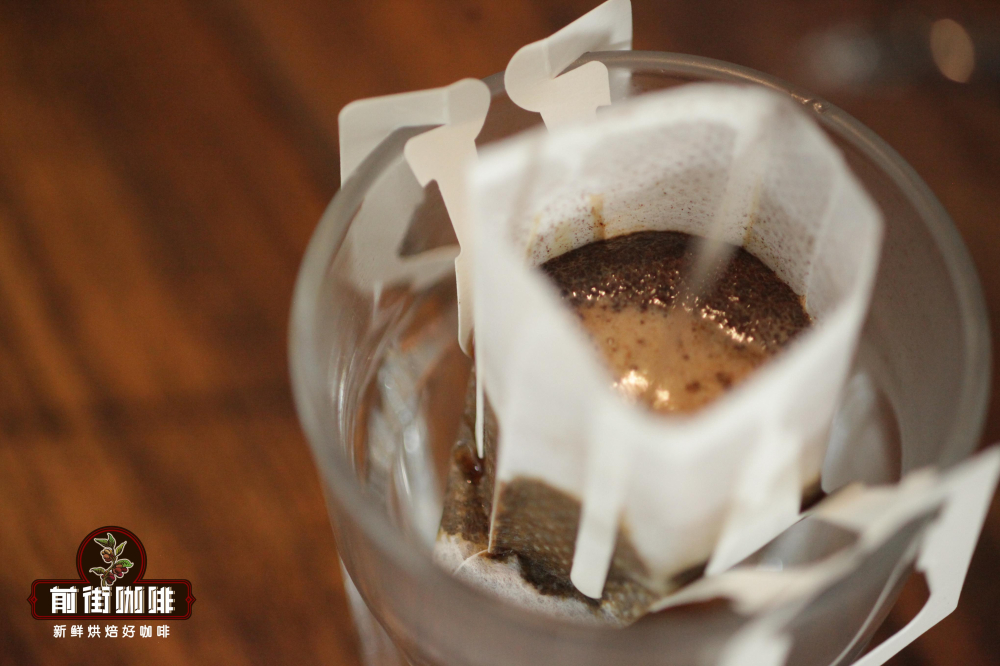
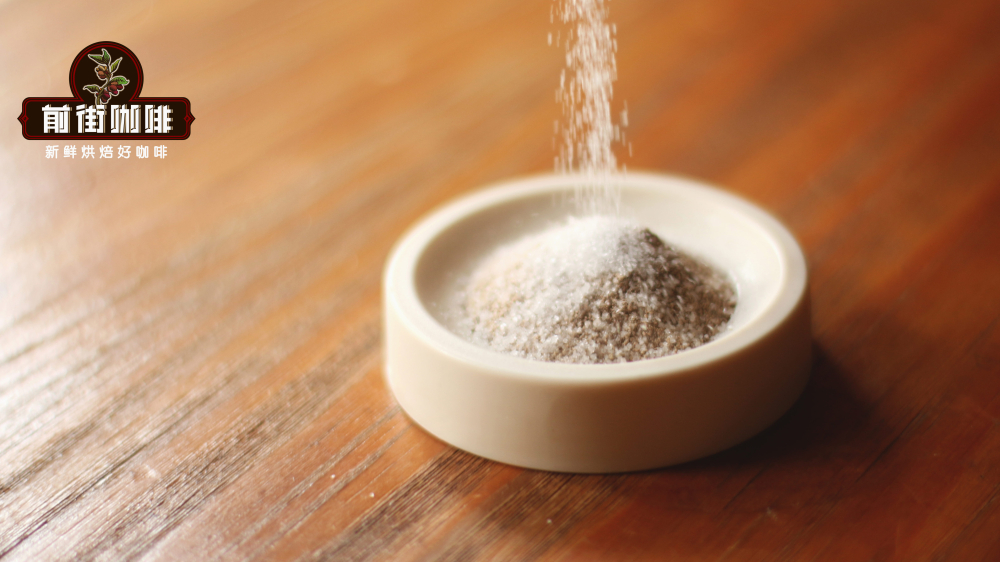
The production process of drip bags involves grinding freshly roasted coffee beans to a suitable coarseness for filtration and sealing them in drip bag pods containing non-woven filter material. This design is similar to a simple pour over—just hang the pod on the edge of a cup and slowly pour hot water to complete the extraction. However, note that about 70% of the coffee grounds inside the drip bag are insoluble lignocellulosic fibers, which cannot dissolve directly like instant powder. Therefore, never pour out the coffee grounds for direct brewing, nor should you use a steeping method (as shown in the image, this is an incorrect example).
Before brewing, it’s recommended to prepare a straight-sided cup and water heated to around 90°C. This temperature helps steadily extract the desirable flavors from the coffee without causing over-extraction or burnt bitterness due to excessively high heat. First, tear open the seal along the dotted line on the drip bag, unfold the paper tabs on both sides of the pouch, and gently hang them on the rim of the cup to secure it. At this point, make sure the bottom of the pouch is fully opened so the coffee grounds are evenly exposed to the water.
Next comes the crucial brewing step: it is recommended to use a small-amount, multiple-pour method, evenly pouring hot water over the coffee grounds and avoiding concentrating it in one spot. Each pour is suggested to be within 90% of the drip bag's capacity, allowing the water to uniformly penetrate the coffee layer and helping to release flavors consistently. Taking a common 10g drip bag coffee as an example, the golden coffee-to-water ratio falls between1:13 to 1:15, meaning the total water volume is approximately130 to 150 grams. This ratio usually results in a cup of coffee with balanced flavor and distinct layers. Of course, adjustments can be made according to personal preference—for those who prefer a stronger taste, slightly increasing the coffee amount or reducing water is an option, while those who like a lighter style can slightly increase the water volume.
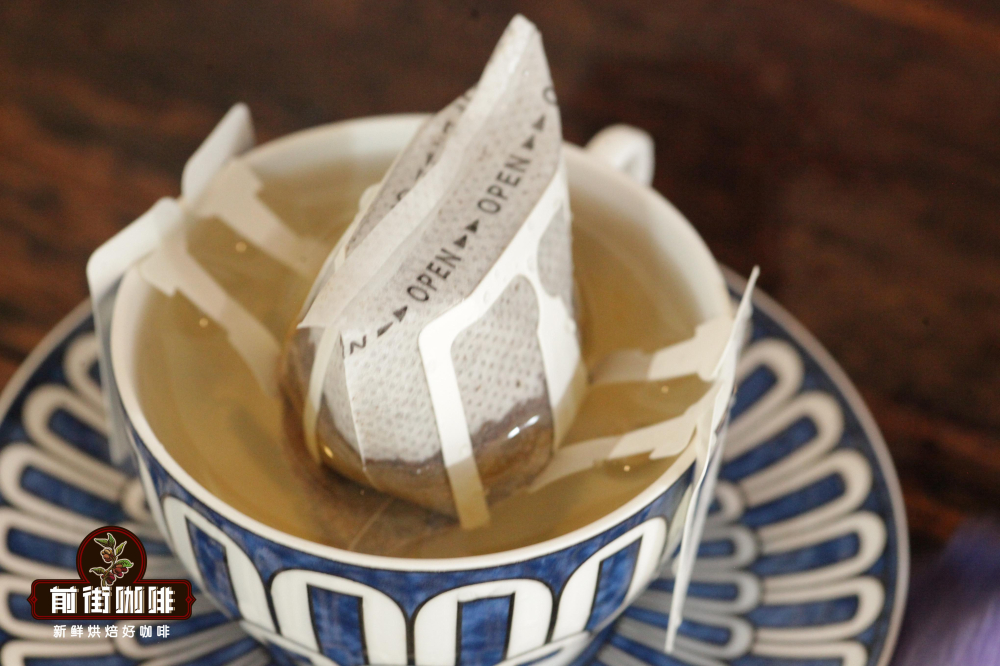
It’s important to note that drip bag coffee is asingle-use brewing product, and only one brew is recommended. During the first brew, most of the flavor compounds and aromatic substances have already been released. A second brew not only results in a weak taste but may also release woody off-notes or overly bitter components due to over-steeping, severely impacting the overall drinking experience. Additionally, it’s not advised to soak the entire drip bag in hot water like tea, as this can lead to over-extraction, making the coffee bitter and losing its delicate nuances (as shown in the image, this is an incorrect brewing method).
In terms of flavor, the performance of drip bag coffee is closely related to the variety, origin, and roast level of the coffee beans used. If you prefer a bright and refreshing fruity acidity, you can try medium-light roasted beans, such as those with citrus and berry notes like Yirgacheffe-flavored drip bags. For a smoother, more balanced profile with caramel and nutty tones, medium-dark roasted Brazilian Cerrado drip bags are a good choice. And for coffee lovers seeking a rich, bold cup with layers of chocolate and spice, deep-roasted Indonesian Mandheling drip bags offer low acidity and high body.
Mastering the correct brewing methods and parameters not only allows you to enjoy a better flavor experience from drip bag coffee but also helps you appreciate the original charm of each coffee bean more deeply. Starting today, try using the correct steps to savor the layers and aromas in every sip of drip bag coffee.
The above content is compiled by CoffeeHunters, a coffee news website.


