







Introduction:You can make cold brew coffee at home that rivals café quality—just using coffee beans, cold water, a clean container, and a fridge is all it takes. Cold brew is crafted through prolonged steeping, resulting in a rich yet refreshing flavor profile, making it perfect for summer. This article not only explores key factors in selecting beans for cold brew but also uses 25g of a certain brand’s Mandheling beans as an example to walk you through every step—from grind size, coffee-to-water ratio, refrigeration time, filtration to flavor adjustment—in detail, helping you master a stable and delicious cold brew method.
Want to make café-quality cold brew at home? The method is simpler than you think. All you need is coffee beans, water, a clean container, and a fridge. This technique, which uses cold water for long extraction, is not only easy but also brings out a smooth, mellow, and refreshing flavor—perfect for summer.
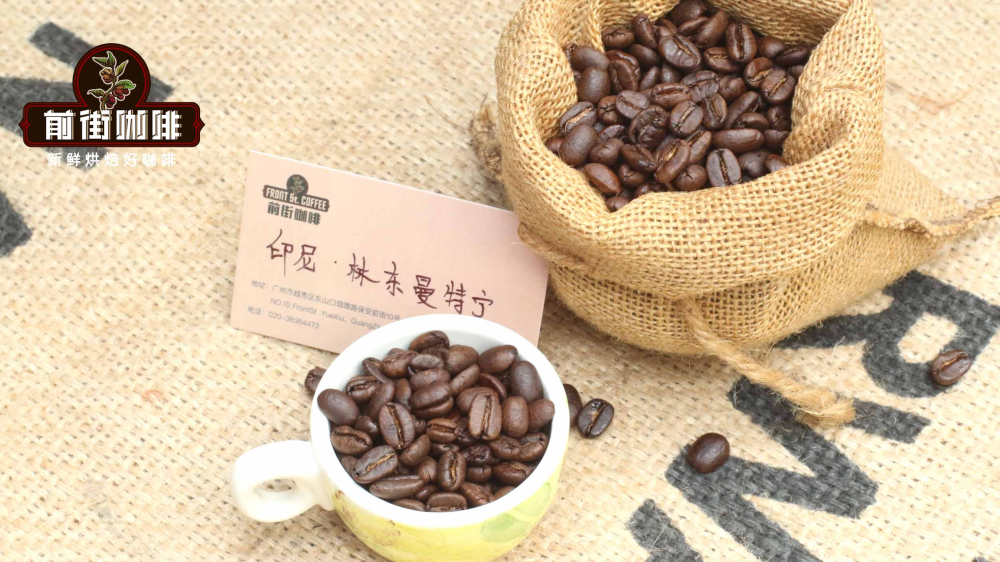
The soul of cold brew lies in choosing the right beans. Traditional high-temperature brewing methods are more forgiving when it comes to roast levels, but cold brew involves steeping in cold water for a long time. Darker roasts tend to release excessive bitterness and burnt notes, while lighter roasts may taste too sour or thin. Therefore, it's recommended to choose medium-light roasted beans with a more balanced flavor profile. If you prefer sweet fruity notes and rich aromas, you might consider single origins such as strawberry sugar, Sidamo, or Gu Ding Ding. For those who prefer lower acidity, bold flavors, and chocolatey tones, a certain brand’s Mandheling, Queen’s Estate, or Huila are excellent choices.
Below, we’ll take 25g of a certain brand’s Mandheling coffee beans as an example to guide you through the full cold brew process—from grinding, dosing, refrigeration to filtration—providing practical details at every step so you too can consistently brew a delicious cup of cold brew coffee.
Step 1: Grind the Coffee Beans
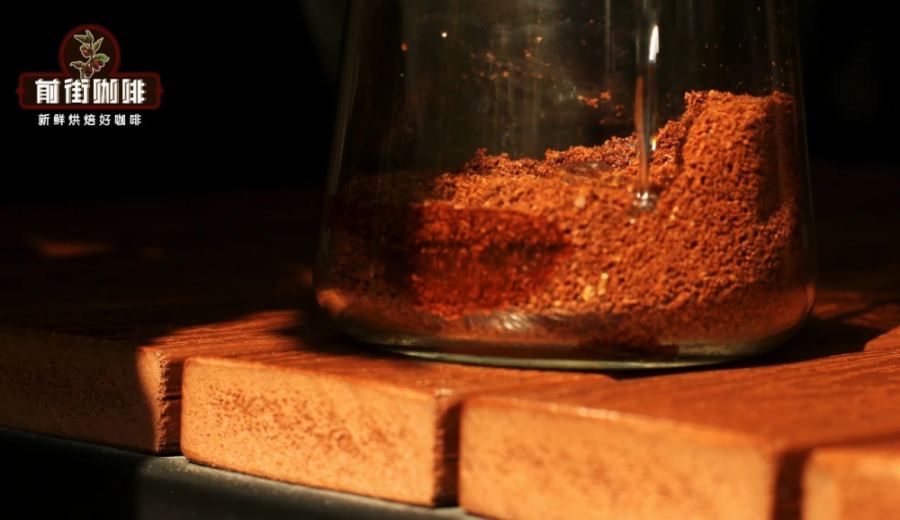
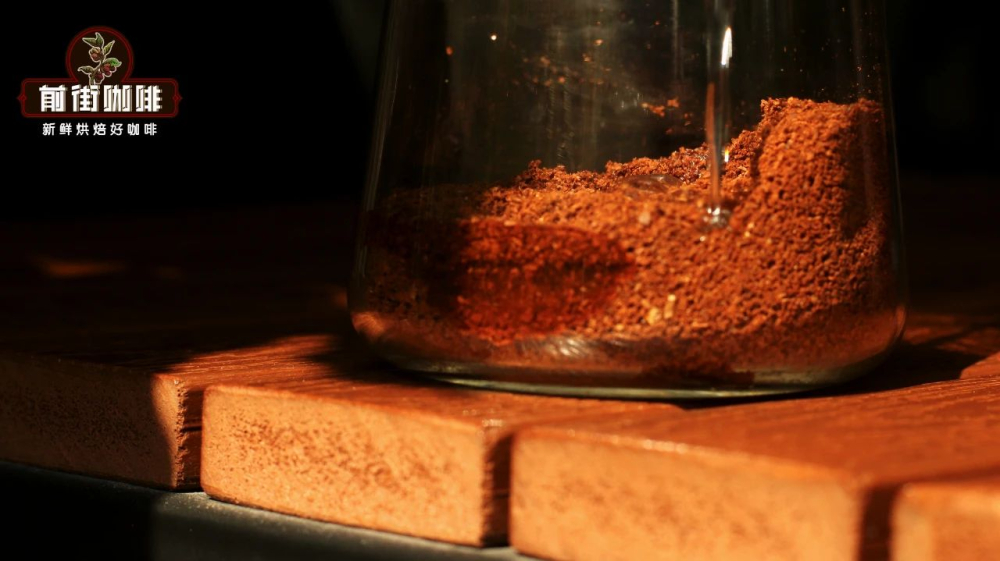
Take 25g of Mandheling coffee beans and grind them to a coarseness similar to white sugar. This grind size ensures that the coffee flavors are fully extracted during the long steeping period without over-extraction leading to bitterness. This grind level suits most home grinders’ medium-coarse settings. If you don’t have a grinder, you can also consider buying pre-ground coarse coffee.

Step 2: Adjust Coffee-to-Water Ratio & Mix
Pour the ground coffee into a clean glass or plastic container, and add water at acoffee-to-water ratio of 1:12(i.e., 300g or about 300ml of cold water). This ratio maintains just the right concentration and also allows for easy adjustments later. Stir the coffee grounds and water evenly to ensure all grounds are saturated, then seal the container. The container doesn’t need to be anything special—just make sure it’s large, clean, and odor-free; even a PET bottle or bucket will do.
Step 3: Refrigerate & Steep
Place the sealed coffee mixture in the refrigerator to steep. The recommended steeping time is6 to 18 hours,depending on your preferred strength and flavor profile. Generally, 8–12 hours is the sweet spot for most people. When storing, place the container on a middle shelf or a stable position in the fridge to avoid accidental knocks. Also, try to keep it away from strongly scented foods (like garlic or cheese) to prevent flavor contamination.
Step 4: Filter the Coffee Grounds
After steeping, use a fine filter, filter paper, or cloth to separate the coffee grounds and obtain a clear coffee liquid. For an even smoother and cleaner taste, you can let the filtered coffee sit in the fridge for another 2–5 hours to allow any fine sediment to settle before pouring and drinking.
Step 5: Adjust Strength & Flavor
Cold brew coffee usually has a rich and layered flavor. If you find it too strong, you can dilute it with milk or cold water to your desired strength and smoothness. This is also a great opportunity to customize the flavor—for example, adding a bit of honey or vanilla can introduce different taste dimensions.
Step 6: Savor & Enjoy
The greatest charm of cold brew coffee is how simple it is to make yet how diverse the flavors it can offer. Through low-temperature slow extraction, it minimizes the release of acidity and impurities, highlighting the coffee’s sweetness and body. Whether as a refreshing summer drink or paired with desserts, it offers a unique coffee experience. More importantly, you don’t need professional pour over equipment—you can easily enjoy high-quality cold brew coffee at home.
The above content is compiled by CoffeeHunters, a coffee news website.


