







Introduction:Facing a wide array of coffee bean options on the market, how do you choose the ones that best suit you? This article breaks down the core elements of selecting coffee beans in an easy-to-understand way through five key aspects: freshness, suitable brewing equipment, regional characteristics, variety traits, and processing methods. It helps you find the beans that best match your personal preferences and brewing style, thereby enhancing your overall coffee tasting experience.
In the dazzling world of coffee beans, finding one that truly suits your taste is often the first challenge for many coffee enthusiasts. This article provides you with systematic purchasing guidance from five key dimensions—freshness, suitable brewing equipment, regional flavor profiles, variety differences, and green bean processing methods—so you can make confident choices and easily select the beans that are just right for your palate.
1. Freshness: The Primary Key Factor Affecting Flavor
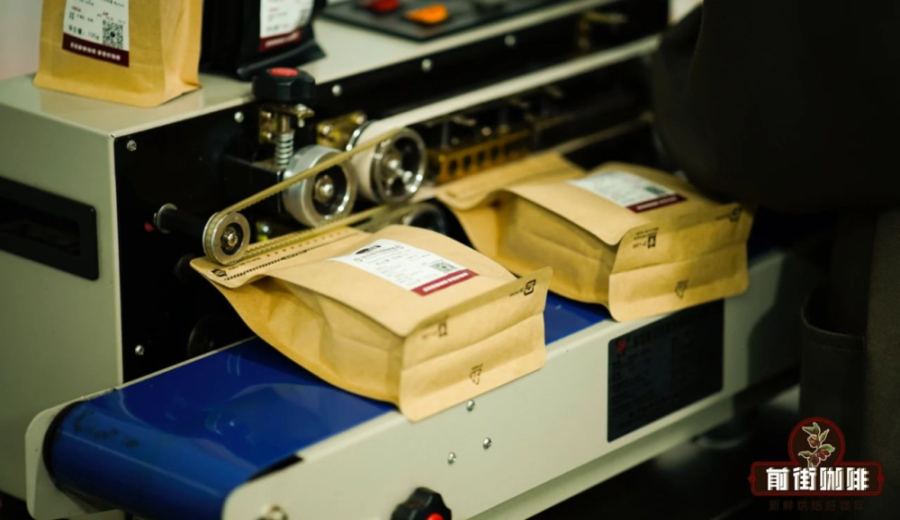
When it comes to whether coffee beans are prone to spoilage, two common extreme claims—"they never go bad" or "they’re only good for two weeks"—are actually not entirely accurate. In fact, coffee beans are agricultural products, much like fresh fruit, and the fresher they are, the more they can showcase their true flavors. It’s recommended to choose beans from reputable roasters and pay attention to the roast date. Typically, using them within 2 to 4 weeks after roasting is advised to achieve optimal flavor performance.
2. Suitable Brewing Equipment Determines Bean Selection
Different brewing methods have a direct impact on how the flavors of coffee beans are expressed, so it’s recommended to choose beans based on the brewing equipment you already have at home. If you frequently use an espresso machine to make espresso, you might opt for blends with rich crema and concentrated flavors. If you prefer the pour over method, it’s suggested to start with beans that have bright acidity and a refreshing taste—such as single-origin beans from Africa or Central and South America—which can more clearly highlight their unique flavor characteristics.
3. Regional Differences Shape Unique Flavor Profiles
Coffee beans from the world’s major producing regions develop distinct flavors due to varying natural conditions such as climate, altitude, and soil.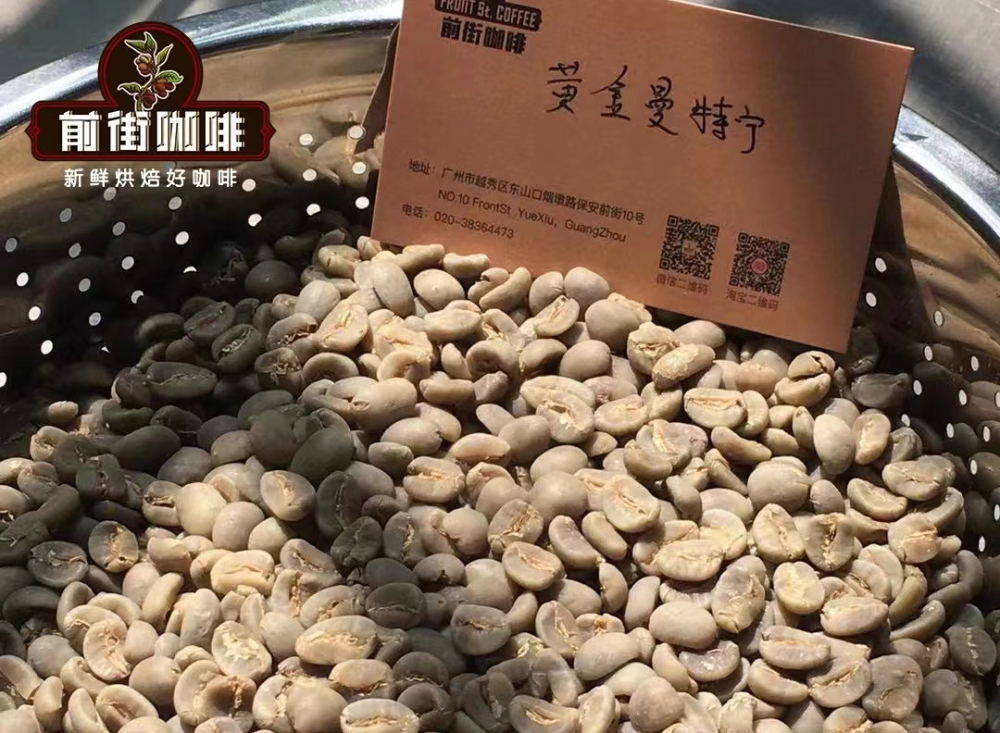 Coffee from African regions typically exhibits pronounced floral and fruity aromas—for instance, Ethiopian beans often feature citrus, floral notes, and tea-like qualities. Meanwhile, coffee from Central and South America is known for its balanced acidity and sweetness, along with chocolate and nutty tones, making it ideal for those who prefer smoother, milder tastes. If you lean toward a richer body and herbal notes, coffee from Southeast Asian regions such as Indonesia and Yunnan could be great choices.
4. Variety Differences Bring Varied Taste Experiences
Just as apples come in different varieties, there are numerous coffee bean varieties to choose from, such as Bourbon, Typica, and Geisha. Among these, the Geisha variety has gained high praise in recent years for its outstanding sweetness, layered complexity, and intense fruity aromas. Although some specialty varieties may be pricier, as long as they match your personal taste, they’re worth trying. Understanding the characteristics of common varieties can help guide your selections when purchasing.
5. Processing Methods Create Noticeable Flavor Differences
The processing method of green beans is a crucial factor influencing the final flavor of coffee, with common methods including washed (wet) process and natural (sun-dried) process. The washed process, which involves removing the fruit pulp and fermentation, typically results in clean, bright acidity and a clear, crisp mouthfeel. In contrast, the natural process retains more of the fermented flavors from the fruit pulp, giving the coffee a richer fruity aroma, sweetness, and wine-like notes. Additionally, the natural process includes variations such as honey processing, further diversifying the range of flavor profiles.
In summary, choosing the right coffee beans requires considering a combination of factors: freshness, brewing method, regional characteristics, variety, and processing method. Each element influences the final tasting experience. We hope this guide helps you find the coffee beans that truly captivate your taste buds among the many available options.
The above content is compiled by CoffeeHunters, a coffee news website.


