







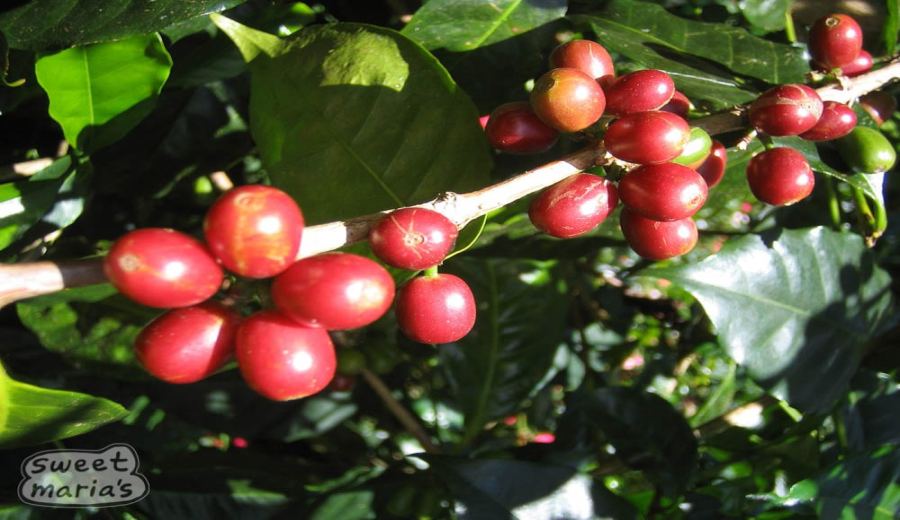
Introduction:Explore the unique charm of Panama's Janson Estate Geisha coffee, from the fruit-forward complexity nurtured by high-altitude volcanic soil to the delicate flavors revealed through a golden roast profile. This article delves into the estate’s ecological environment and cultivation advantages, and provides professional-grade pour over and siphon brewing recommendations to help you fully grasp every detail of this award-winning specialty bean—from roast to cup—that was once shortlisted for the Best of Panama.
Geisha coffee is renowned worldwide for its distinctive aromatic profile, where delicate jasmine and roasted rice notes intertwine with complex fruit tones such as citrus, berries, and apricot, coupled with pronounced juiciness and a sweet aftertaste, forming a striking contrast to the typically bitter and dark-roasted coffees. These flavor characteristics have made Geisha a dream bean for many specialty coffee enthusiasts.
When it comes to Geisha, most people first think of Panama’s Hacienda Esmeralda, but beyond the famous Red and Green labels, a new star emerged in 2013—the Panama Janson Coffee Farm managed by Karl Janson—which was shortlisted for the “Best of Panama” award given by the Specialty Coffee Association of Panama (SCAP). The estate is not only known for its high proportion of Geisha variety plantings, but also for its eco-sustainable farming philosophy, showcasing extraordinary potential.
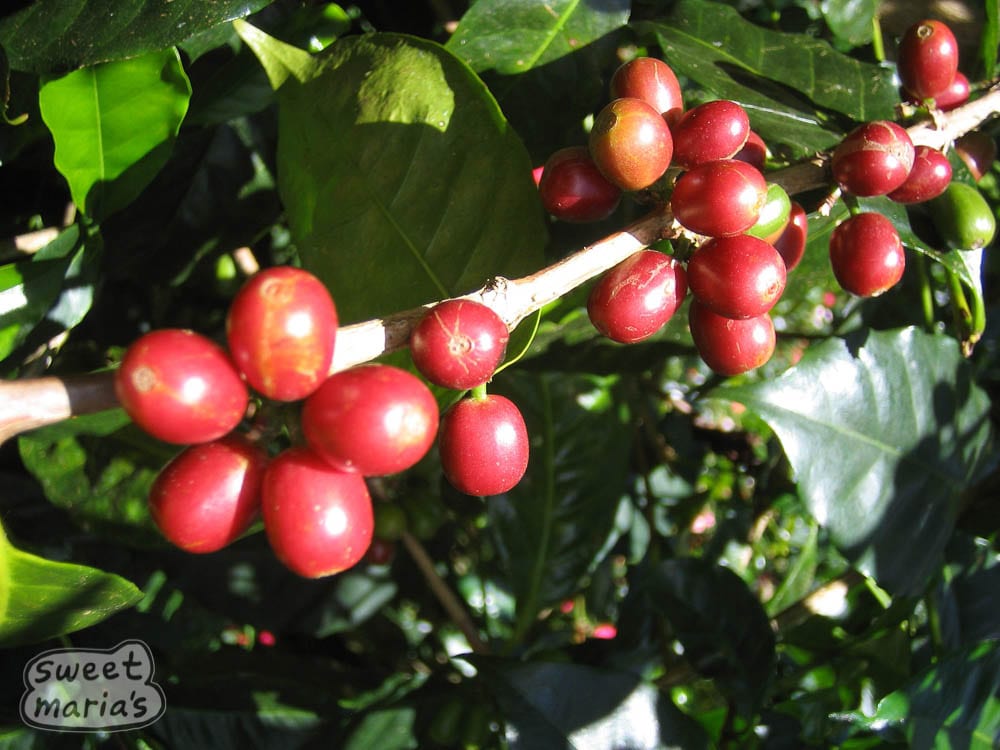
Located at an altitude of 1,700 to 1,750 meters in a highland zone, this elevation not only slows down the ripening process of coffee cherries but also aids in the accumulation and development of flavor compounds. Moreover, the farm’s soil is rich in natural volcanic ash nutrients—typically well-draining and mineral-rich—an ideal environment for cultivating high-quality coffee. With the dual advantages of high altitude and special soil, the Geisha produced at Janson Estate often exhibits highly recognizable bright acidity and delicate floral notes.
Beyond its exceptional geographical conditions, Janson Estate is committed to ecological conservation and sustainable agriculture. The farm raises livestock such as cattle and horses, and uses processed coffee cherry byproducts as organic fertilizer to return nutrients to the land, creating a beneficial nutrient cycle. In addition, the farm actively engages in reforestation and water recycling to ensure overall ecological balance—these environmentally friendly practices also indirectly enhance the natural flavor expression of the coffee cherries.
The Geisha variety grown at Janson Estate is mostly harvested as fully red coffee cherries to ensure consistent ripeness and pure flavors. Once properly roasted, these beans often present clear lemon acidity, tropical fruit sweetness, and delicate honey-like finish. Both pour over and siphon brewing methods can highlight their multi-layered taste profiles.
In terms of roasting, a golden roast level (usually around the end of the first crack to slight development before the second crack) is considered ideal for showcasing the delicate characteristics of Geisha. This roast stage retains the original fruity acidity of Geisha while moderately developing caramel and nutty sweetness, resulting in a more balanced and layered overall flavor.
If choosing the pour over method, it is recommended to use a medium-fine grind (about the size of fine sugar or slightly finer), with water temperature controlled between 90–92°C, and a brew ratio of 1:15 to 1:16. During the brewing process, a segmented extraction is advised—for example, start with 30 grams of water for a 30-second bloom, then slowly pour in three to four increments to reach the target total volume, keeping the total brew time between 2 minutes 30 seconds and 3 minutes. These parameters help bring out the citrus notes and delicate floral aromas of Geisha, while avoiding over-extraction that could lead to astringency.
For those who prefer the siphon method, a medium grind (similar to sea salt coarseness) is suggested, with water temperature around 92°C. Use about 250 milliliters of water in the lower chamber and a total coffee dose of 18 to 20 grams. During siphon brewing, heat control is especially crucial—recommend inserting the upper chamber promptly after boiling, then reducing the flame to low after the first boil to maintain a stable temperature for consistent extraction. The total extraction time should be around 1 minute 30 seconds to 2 minutes, which can fully express Geisha’s bright fruit acidity and rich finish.
Whether using pour over or siphon, Janson Estate Geisha showcases the finesse and layers expected of a specialty coffee. From its high-altitude volcanic soil cultivation background, to its eco-sustainable farming management, to the pairing of golden roast and proper brewing techniques, this Geisha—once shortlisted for Panama’s top coffee honor—is worthy of careful appreciation by every coffee enthusiast.
The above content is compiled by CoffeeHunters, a coffee news website.


