







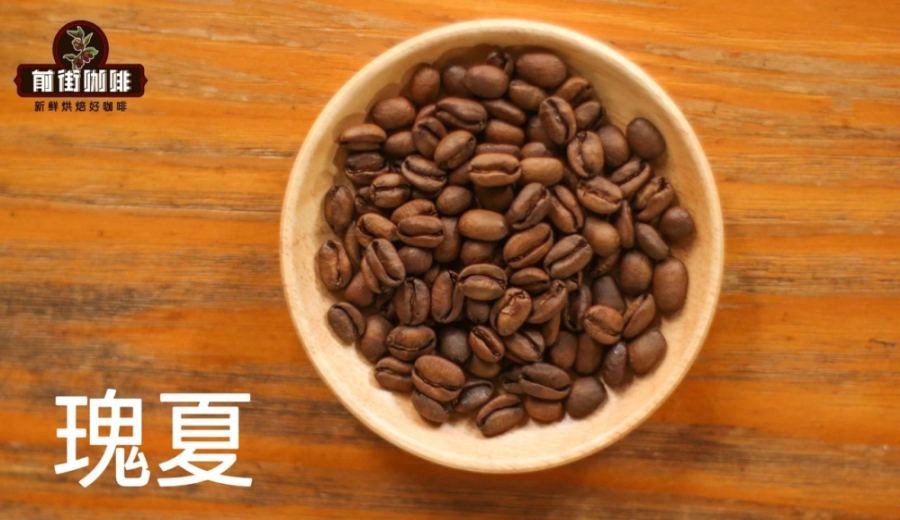
Introduction:The Geisha coffee from Panama's Hacienda Esmeralda has long topped the list of the world’s most expensive coffees, especially the Red Label grade, which often sells for over sixty yuan per cup, sparking curiosity among many coffee enthusiasts. This article delves into the key details of Geisha coffee—from auction prices and grade classifications to pour over brewing essentials—helping you understand the differences between Red Label and Green Label, and providing expert brewing parameters and flavor profiles. Whether you're just starting out or a connoisseur seeking high-quality Geisha, you'll find practical advice here.
Geisha coffee is hailed as one of the world’s top specialty coffees, and the Red Label Geisha produced by Panama's Hacienda Esmeralda is a focal point of market attention. Since winning first place in the Best of Panama (BOP) competition in 2004, the auction price of Geisha coffee has soared year after year, even reaching an astronomical $1,029 per pound in 2019. What makes this coffee so expensive? How do we distinguish between the Red Label and Green Label from Hacienda Esmeralda? This article will give you a comprehensive understanding of the pricing logic, grading system, brewing recommendations, and unique flavors of Geisha coffee, helping you grasp the charm of this legendary bean all at once.
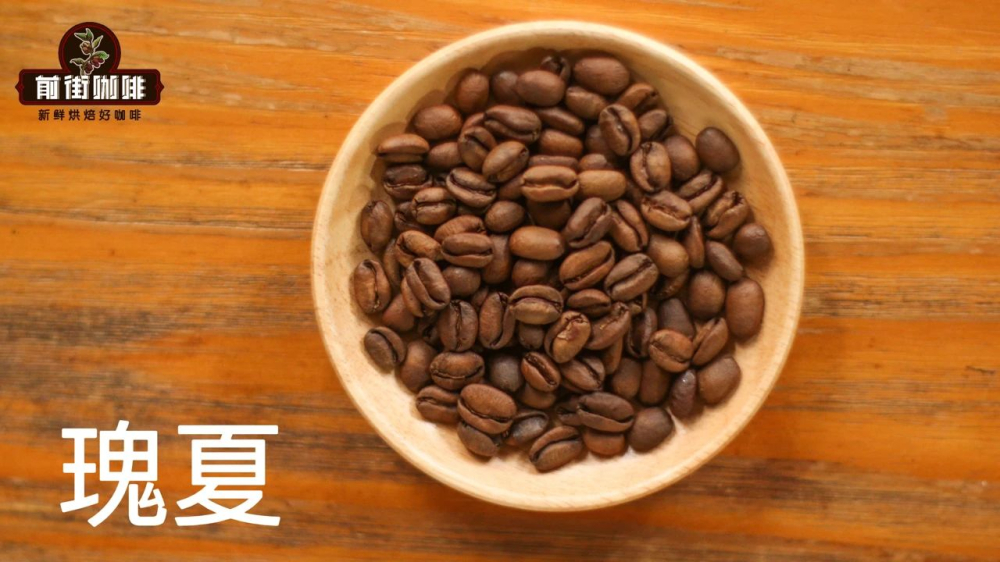
When it comes to specialty coffee, many people first think of Blue Mountain coffee, known for its robust aroma and rich body, and its price has always remained high. But in recent years, Panama Geisha coffee has made a remarkable rise in the global market with its unique aromas and delicate flavors, even becoming the star of many coffee competitions and auctions. It makes one wonder: why can Geisha be sold at such a high price? Especially the Red Label Geisha from Hacienda Esmeralda, which often costs over sixty Chinese yuan per cup—an astonishing price—but its flavor is indeed unforgettable.
Many people, when tasting Red Label Geisha for the first time, are often amazed by its pronounced rose floral notes, rich berry and citrus tones, as well as its multi-layered acidity and sweetness. This distinct and well-defined flavor profile has made Geisha a dream bean for many baristas. Typically, when people refer to Geisha coffee on the market, unless otherwise specified, they mean Geisha from Panama, among which the most famous and representative are the Red Label and Green Label from Hacienda Esmeralda.
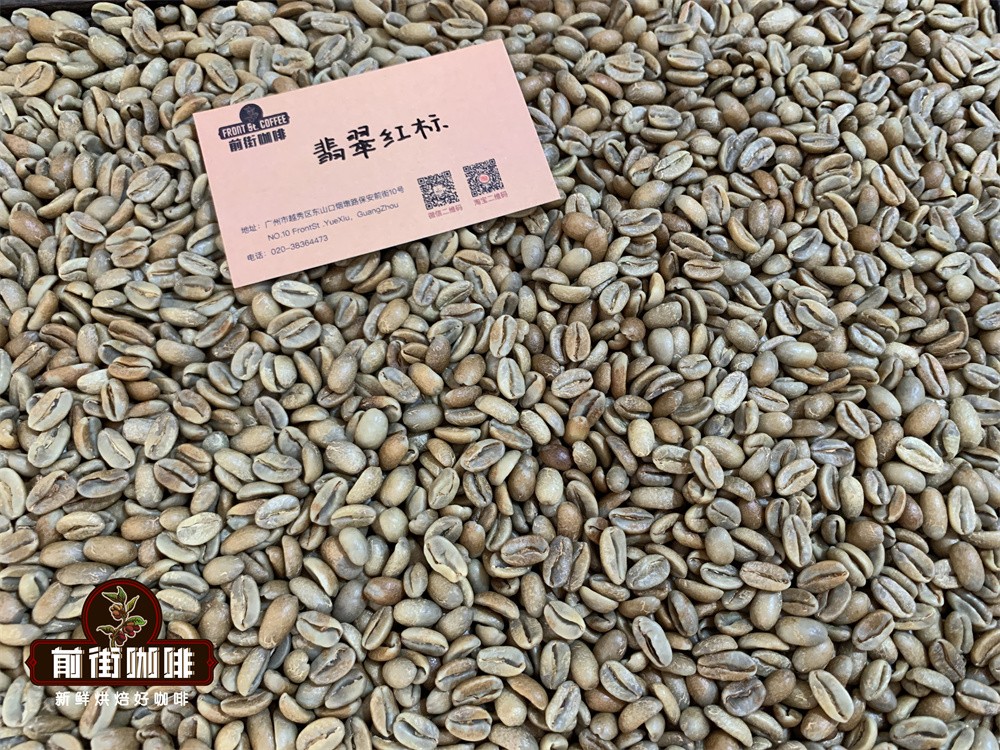
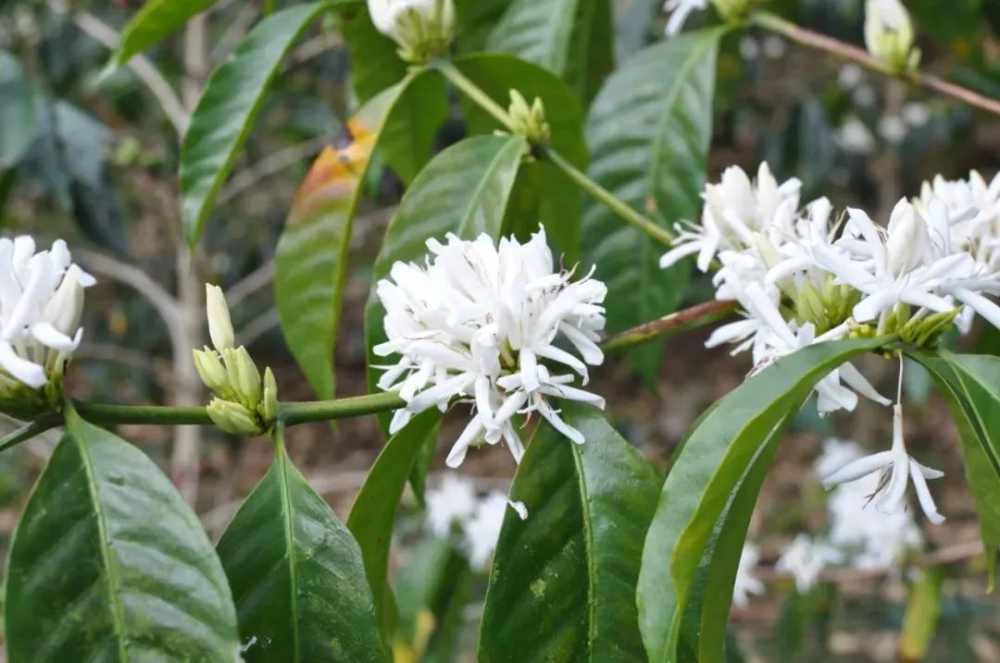
The Geisha variety originated in the Gesha Forest in Ethiopia, where it was discovered as early as 1931, and was later introduced to Kenya, Uganda, Tanzania, and Costa Rica. However, it wasn’t until the 1970s that the Jaramillo farm in Panama’s Boquete region obtained seeds from the CATIE research center in Costa Rica, and remained relatively unknown for decades. It wasn’t until 2003 that Hacienda Esmeralda isolated the Geisha variety from other cultivars, and in 2004, it won the BOP competition with an exceptionally high score, bringing this coffee to the forefront of the market.
Geisha is extremely particular about its growing environment, requiring high altitude, foggy conditions, good shade, and fertile soil to develop its distinctive floral and fruity aromas and delicate acidity. The Chiriquí volcanic region of Panama, especially the scenic Boquete area, features volcanic soil, stable rainfall, abundant water resources, and a diverse microclimate—all of which contribute to the unique flavors of Geisha grown in the region. Hacienda Esmeralda is located here, and its exceptional geographical conditions have made it synonymous with Geisha coffee.
Since winning the BOP championship, the auction price of Geisha has skyrocketed—from $350.25 per pound in 2013, to $803 in 2018, and then to $1,029 in 2019, breaking records year after year. Due to its limited production and fierce bidding, prices have naturally risen. Although more and more farms have begun planting Geisha in recent years, the Red Label from Hacienda Esmeralda still firmly holds the throne of top-tier Geisha.
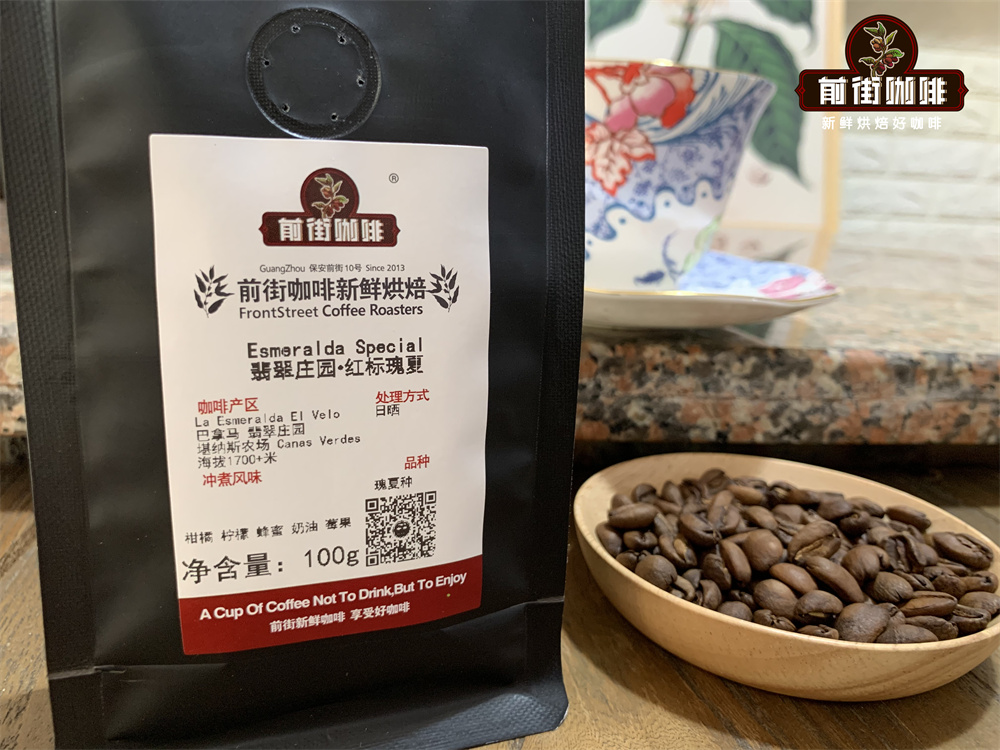
In its early days, Hacienda Esmeralda categorized its Geisha coffee based on altitude and processing method into Red Label, Green Label, and Blue Label. However, since 2021, the Blue Label series has been discontinued, leaving only the Red Label and Green Label as the main offerings. Among themRed Label Geishais positioned as the highest grade, requiring a planting altitude of 1,600 to 1,800 meters or above, and a cupping score of 90 or higher. It mainly comes from the Jaramillo and Canas Verdes farms. These beans not only have intense flavors but can also be precisely traced to specific lots, offering a more layered tasting experience.
The Red Label Geisha offered by the industry is made from sun-dried beans from the Mario lot at the Jaramillo farm, the very same origin that won the championship in 2004, delivering highly representative Geisha flavors. The sun-drying process enhances floral notes like rose, citrus, berries, and honey, while also bringing out a rich juice-like body and sweet aftertaste, resulting in a more three-dimensional overall flavor profile. Recommended per 100g pack, using 15g of coffee beans per cup, you can brew about 6 cups, with a single cup cost of around 60 yuan—offering great value compared to café prices that often reach over a hundred yuan.
Regardingpour over parameters, since Geisha is mostly a light roast bean with a slower extraction rate, it is recommended to use a higher water temperature and finer grind to improve extraction efficiency. It is recommended to use a Hario V60 dripper, with water temperature controlled at 90°C, a coffee-to-water ratio of 1:15, and a grind size between medium-fine (about 80% passing through a 20-mesh sieve in China). For specific technique: start with a 30-second bloom using 30g of water, then pour in a small circular motion until reaching 125g for the first pour. Once the water level drops slightly, continue pouring to a total of 225g, with the entire extraction process kept to around 2 minutes. Finally, give it a gentle stir before enjoying.
The flavor characteristics of Red Label Geisha are highly distinctive, including bright rose floral notes, citrus acidity, rice-like aroma, complex fruitiness of berries and apricots, along with honey-like sweetness and a rich juicy texture. The overall layers are clear, with a long-lasting aftertaste. For consumers trying high-end Geisha for the first time, you might also consider the more affordable Boquete Geisha, which still offers the citrus-honey nuances typical of Panamanian Geisha and is suitable for entry-level tasting.
Additionally, if you choose to buy coffee beans, it’s recommended to select fresh batches roasted within 5 days, and to consume them within 4 to 7 days after arrival for optimal flavor. If you need ground coffee, it’s best to use it as soon as possible to avoid oxidation affecting aroma and taste. While ground coffee is convenient for brewing, its flavor retention is far inferior to whole beans. It’s recommended to opt for freshly ground coffee whenever possible to fully experience the delicate and layered qualities of Geisha.
The above content is compiled by CoffeeHunters, a coffee news website.


