







Introduction:Espresso comes in many varieties, from straight shots and Americanos to lattes and cappuccinos, even Dirty and caramel macchiatos—each with its own unique recipe and extraction focus. This article takes an in-depth look at the preparation methods of ten popular espresso-based drinks, including practical parameters such as dose, yield, and milk foam thickness, and explains how Italians drink espresso, the origin of the Americano, and the standard ratio of espresso in a latte. Whether you're a beginner or a coffee enthusiast, you can accurately recreate these classic flavors at home.
Espresso is a signature drink in many cafés, but its world is far richer than that of the Americano or latte. This article will detail the preparation methods and characteristics of ten common espresso drinks, covering espresso, Americano, latte, cappuccino, flat white, mocha, Dirty, macchiato, affogato, and caramel macchiato. It also answers common questions such as how Italians drink espresso, how the Americano came about, and how much espresso should be used in a latte. It provides precise parameters for each drink, such as dose, yield, milk volume, and foam thickness, allowing you to easily replicate professional-level coffee at home.
① Italian Espresso (Espresso)
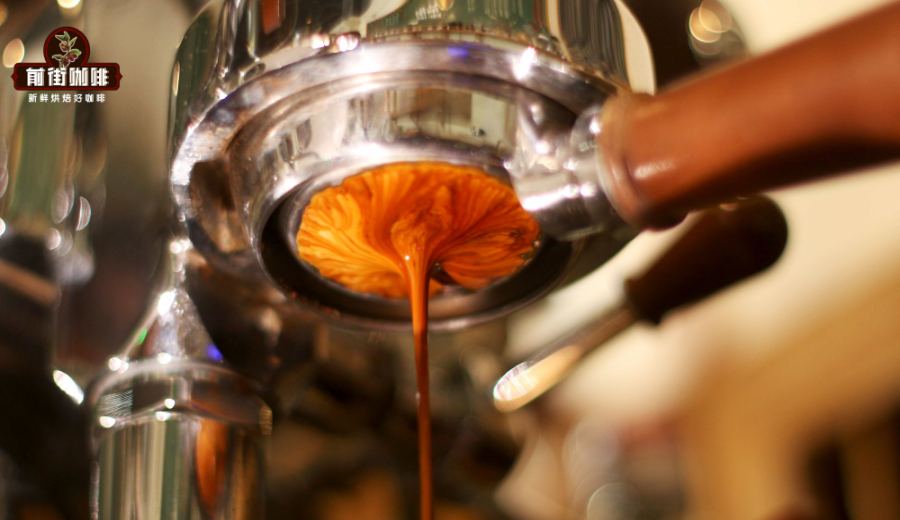
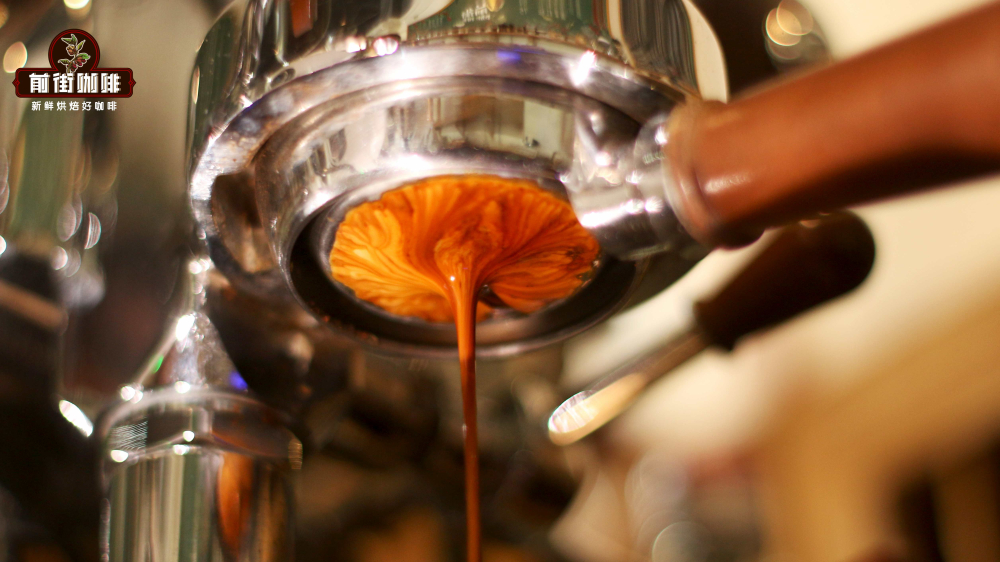
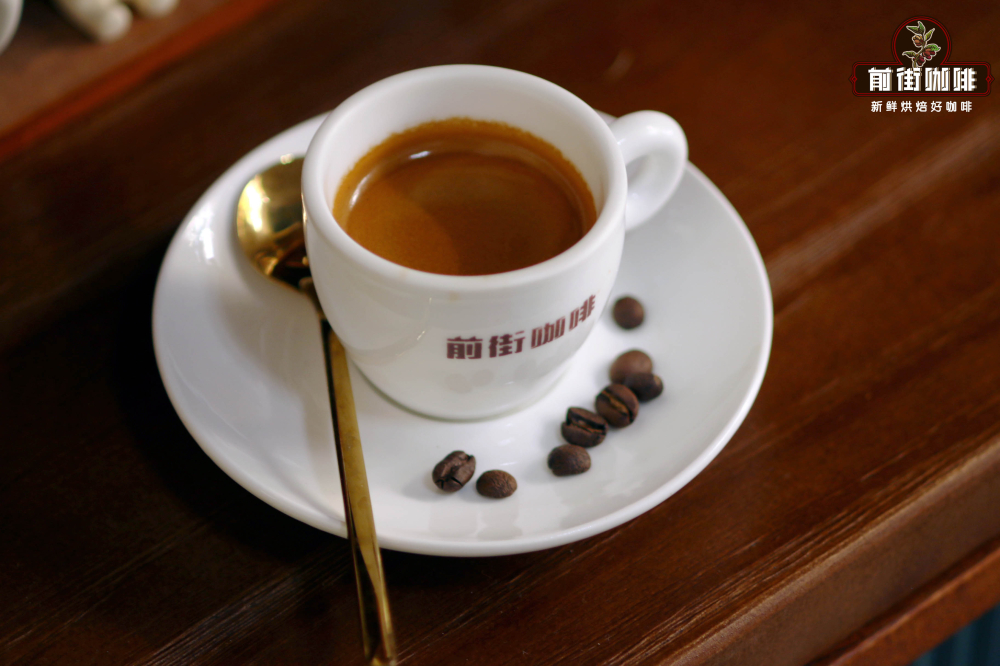
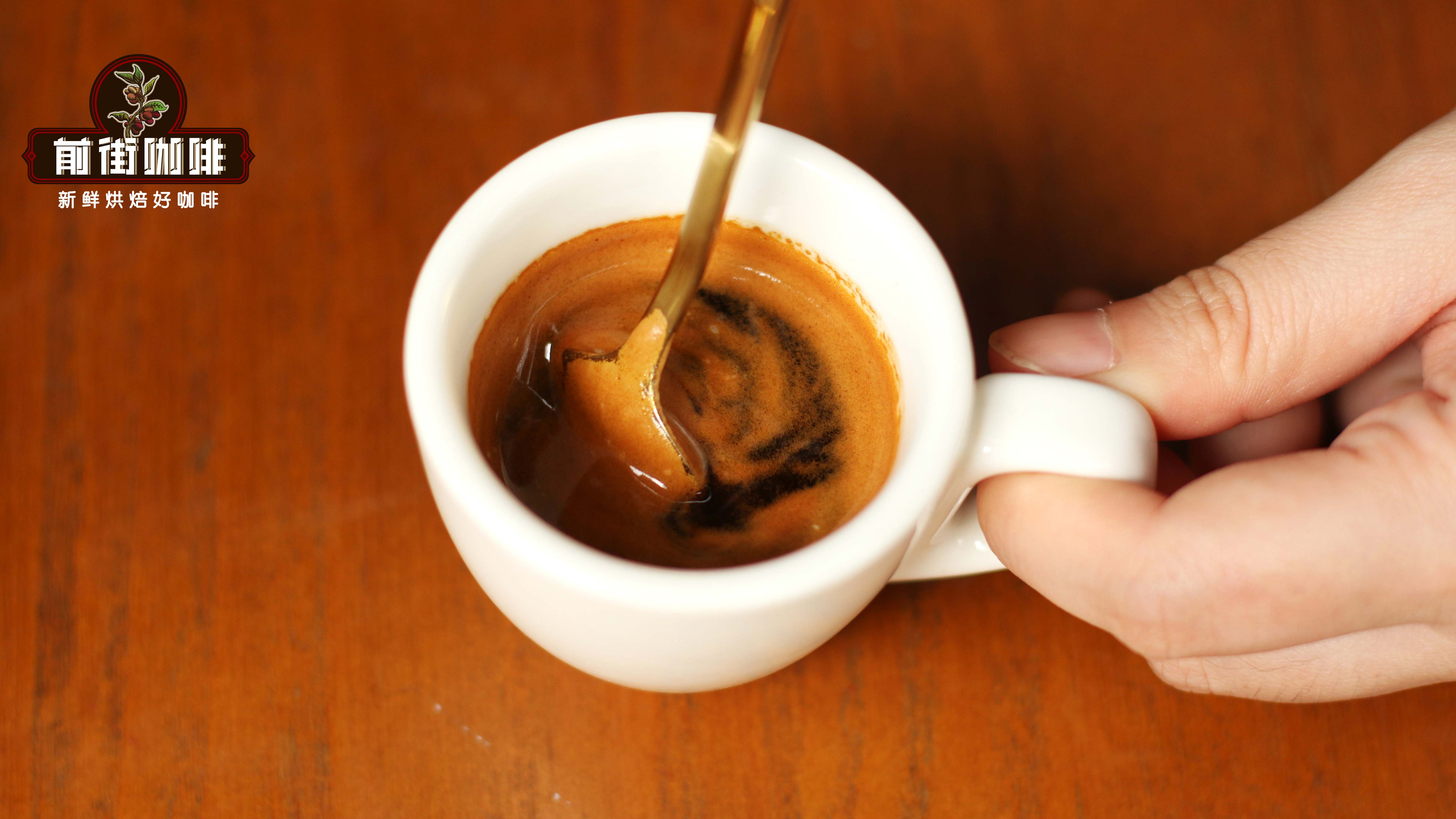
Espresso is the most fundamental and important type of espresso coffee. It is made by quickly extracting coffee grounds using nearly boiling water under high pressure—around 9 atmospheres. The process is short and yields a highly concentrated shot with pronounced aroma, a rich body, a subtle caramel-like sweetness, and a distinctive bitterness. A double shot is typically the standard, using about20 grams of coffee groundsto extract40 grams of espresso, topped with a thin layer of crema. This crema is the soul of the espresso and a key indicator of a successful extraction.
② Americano (Americano)
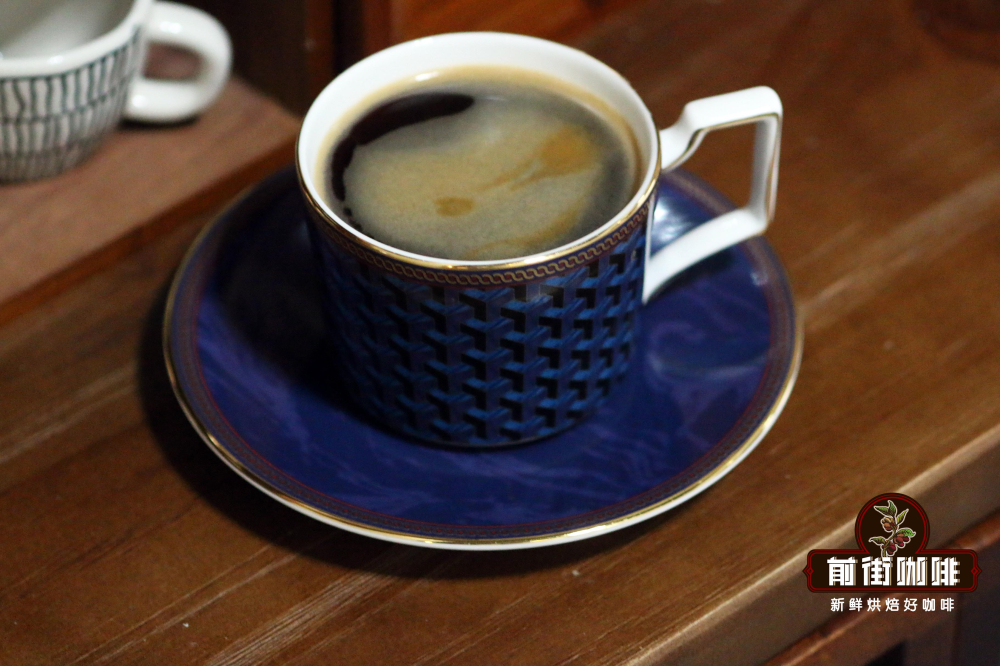
The Americano is made by diluting espresso with hot water. Its origins date back to World War II when American soldiers added water to adapt to the intense flavor of European espresso. Though diluted, its aroma remains distinct, and its flavor is smoother than straight espresso, making it suitable for those who prefer less intense coffee. A common ratio is40 grams of espresso with 180 ml of hot water, yielding a total volume of about220 ml, with an espresso-to-water ratio of roughly1:4.5, resulting in a balanced and refreshing taste.
③ Caffè Latte (Latte)
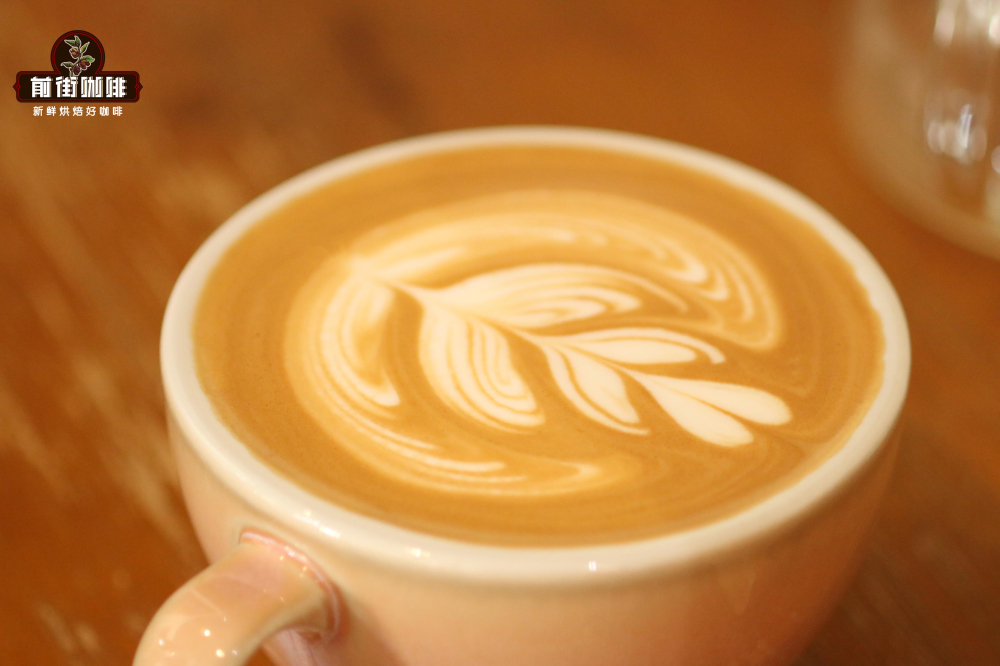
"Latte" means "milk" in Italian, so a latte is essentially a milk coffee. A common recipe usesa double shot (about 40 grams), paired with260 grams of milkand about1 cm of milk foam. When the milk and coffee are well combined, the drink showcases both the sweetness of the milk and the rich base of the coffee. The moderate foam is ideal for latte art, making it a popular choice for beginners to espresso.
④ Cappuccino
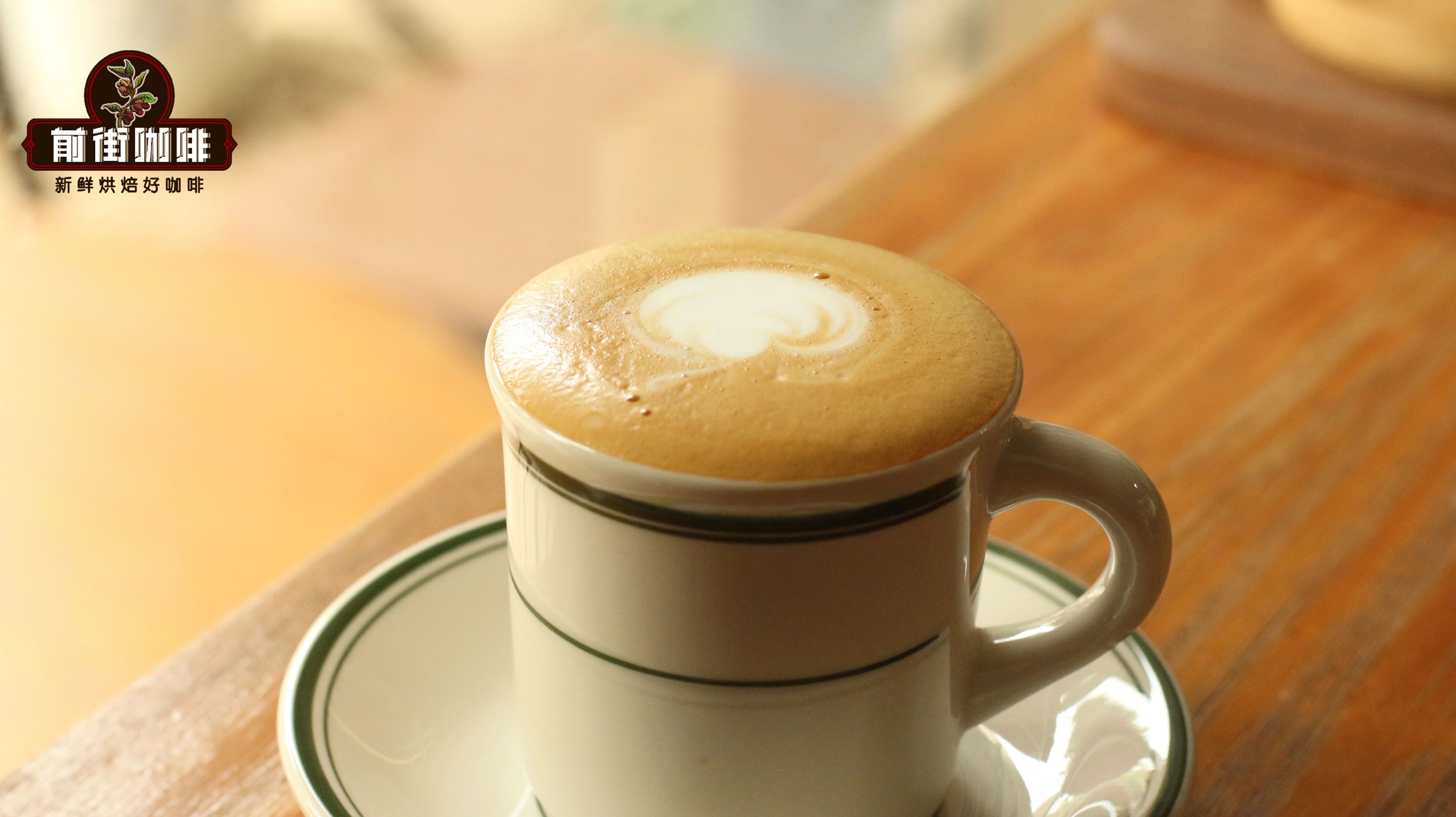
A cappuccino consists of espresso, steamed milk, and thick foam, with a higher proportion of foam that’s denser and fluffier. The overall serving size is smaller, and the coffee flavor is more pronounced. Traditionally, the ratio of espresso, milk, and foam is1:1:1, creating a balanced and smooth drinking experience. One café prepares it in a180 ml tulip cup, pouring the espresso first, then adding milk with thick foam to achieve a rich and velvety texture.
⑤ Flat White (Flat White)
Originating in Australia and New Zealand, the flat white is considered a concentrated version of the latte. It uses a smaller cup and less milk, allowing the coffee flavors to shine more prominently. The milk foam is only about0.5 cm thick, giving it a smooth and delicate texture. A standard recipe from one shop includes a220 ml glass cupwith30 grams of espresso, along with190 ml of milk and foam. It’s a classic drink designed for those who enjoy intense coffee flavors and is served only hot.
⑥ Mocha (Mocha)
The mocha combines coffee, milk, and chocolate for a sweet and aromatic classic. Traditional versions use espresso, hot milk, and chocolate syrup, with variations like “white mocha” made with white chocolate or “zebra mocha” featuring a double chocolate twist. One shop’s recipe uses40 grams of espresso,20 grams of chocolate syrup, and260 grams of hot milkto create a winter warm drink that’s sweet without being cloying, with coffee and chocolate flavors seamlessly blended.
⑦ Dirty (Dirty)
The Dirty is a seemingly simple yet highly technical iced coffee, where the temperature difference between hot espresso and cold milk creates a striking layered effect. The key is to skip the ice and serve it in a clear glass, letting the hot espresso slowly pour into the cold milk to form a visual gradient from dark to light. It’s recommended to use150 grams of iced milkand40 grams of espresso, with the spout about1 cm above the milk surfaceto let the espresso gradually emerge and blend. No stirring is needed—just enjoy the transition from hot to cold.
⑧ Macchiato (Macchiato)
"Macchiato" means "marked" in Italian, originating from customers asking baristas to “mark” their espresso to distinguish whether milk had been added. The traditional method involves adding a small spoonful of milk foam on top of the espresso, creating a visible white dot that symbolizes the “marked” espresso. Modern versions typically use40 grams of espressoanda spoonful of fine milk foam, offering drinkers a simple yet layered classic that balances the intensity of espresso with the softness of foam.
⑨ Affogato (Affogato)
An affogato is a creative dessert coffee that combines vanilla ice cream with a shot of espresso. A common preparation involves pouring a shot of espresso over a scoop of vanilla ice cream. The contrast between the cold ice cream and hot coffee is striking, making it perfect for summer. Though simple, it offers rich flavor layers and is a seasonal favorite or dessert pairing in many cafés.
⑩ Caramel Macchiato (Caramel Macchiato)
Though named “macchiato,” the caramel macchiato has no relation to the traditional version. It’s one of Starbucks’ most iconic espresso drinks. For a medium 355 ml cup, it contains about30 ml of espresso, with the rest made up of milk, vanilla syrup, and plenty of foam, topped with caramel drizzle. This drink is noticeably sweet, with milk and caramel aromas blending harmoniously. It’s a hit among those who love sweet coffee. Careful attention to the foam-to-milk ratio ensures a smooth texture and well-layered flavors.
These ten espresso drinks each have their own unique flavor profiles and extraction essentials. Whether you want to explore the culture of espresso or recreate café-quality drinks at home, mastering these basic recipes and parameters will give you the confidence to dive deeper into the world of espresso.
The above content is compiled by CoffeeHunters, a coffee news website.


