







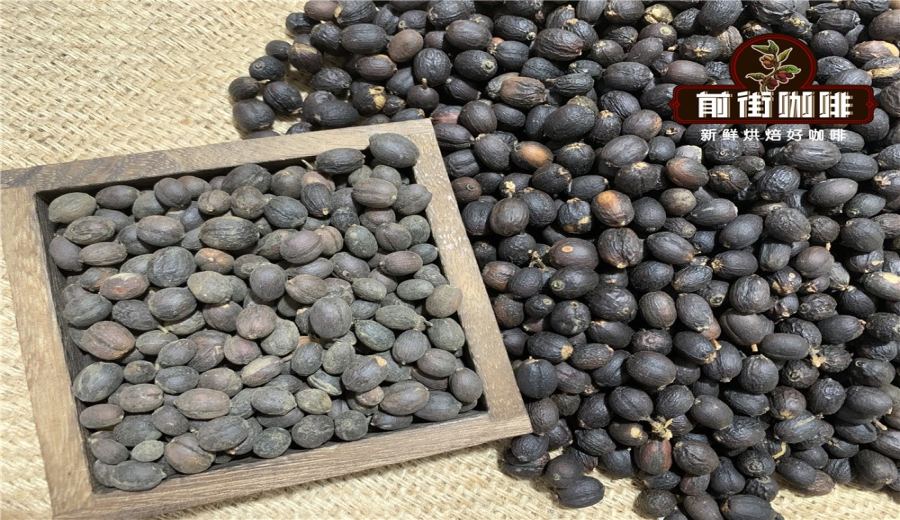
Introduction:As an important coffee-producing region in China, Yunnan’s flavor profile is often compared to that of Pu’er tea. This article systematically explores the sources of Yunnan coffee’s nutty notes and full-bodied texture—from the environmental conditions of its four core producing areas, the three most widely grown varieties, to the technical details of washed and natural processing methods. It also examines whether Yunnan coffee is suitable for pour over brewing, providing practical guidance for bean selection and tasting.
Although coffee is generally regarded as an imported product, China’s Yunnan has long established itself as a globally significant producing region. With the popularity of the film "Coffee or Tea?" (一点就到家), this land within the coffee belt between 15°N and the Tropic of Cancer has gradually entered the consumer spotlight. What does Yunnan coffee actually taste like? Does it truly possess the unique charm reminiscent of Pu’er tea, as rumored? We will delve into its key elements—regional geography, mainstream cultivated varieties, and processing techniques—to help you deeply understand its balanced flavor profile of nuts, brown sugar, and body.
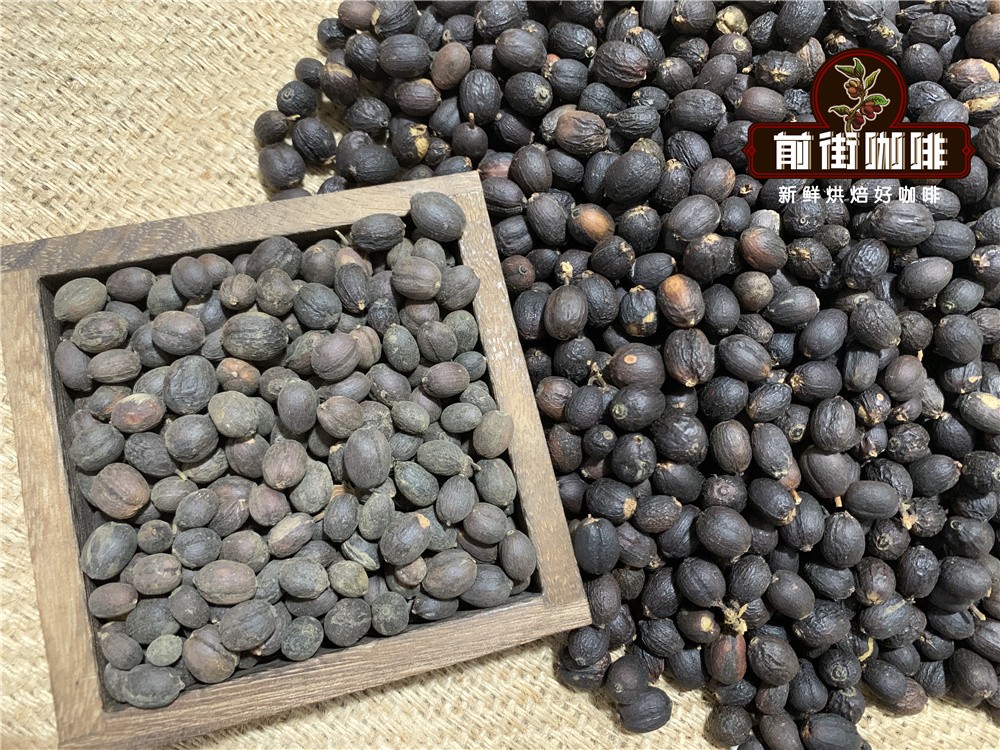
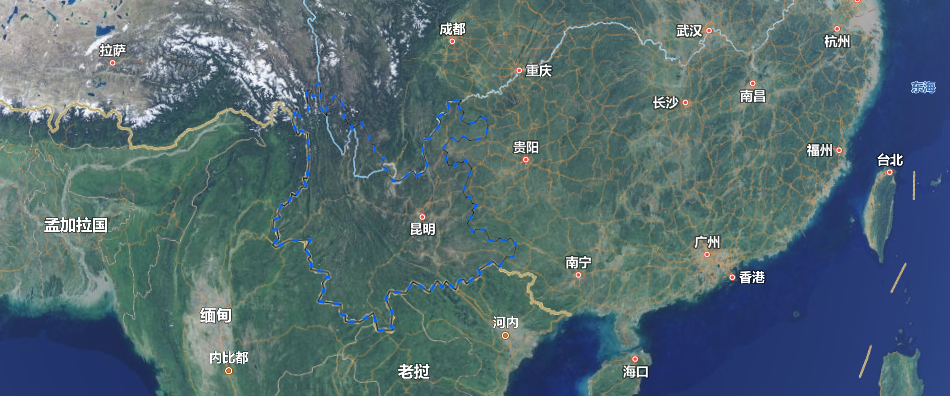
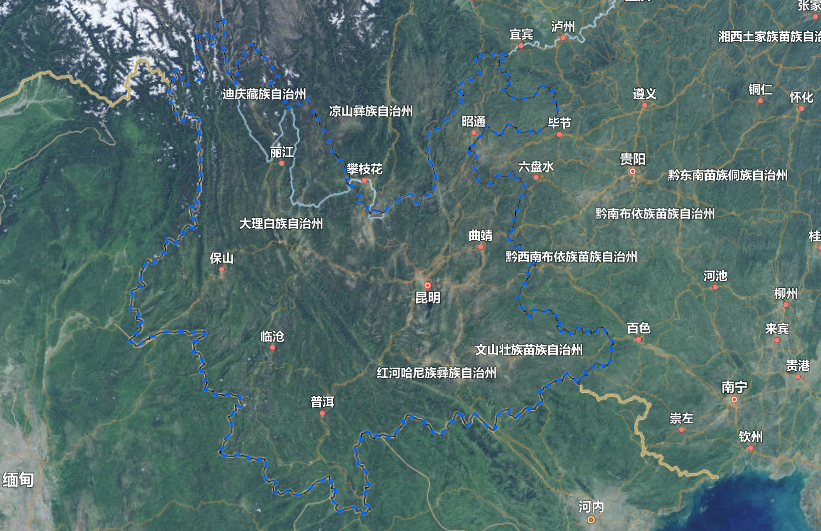
Global coffee cultivation is concentrated within the “coffee belt” between the northern and southern tropics, and western and southern Yunnan happen to lie within this golden latitude zone. In addition, most areas feature high altitudes, fertile soil, ample sunlight, and significant diurnal temperature variations, providing ideal growing conditions for coffee trees. The main producing regions are currently distributed across Pu’er, Xishuangbanna, Wenshan, Baoshan, Dehong, and Lincang, among which Pu’er, Baoshan, and Dehong have the longest cultivation histories.
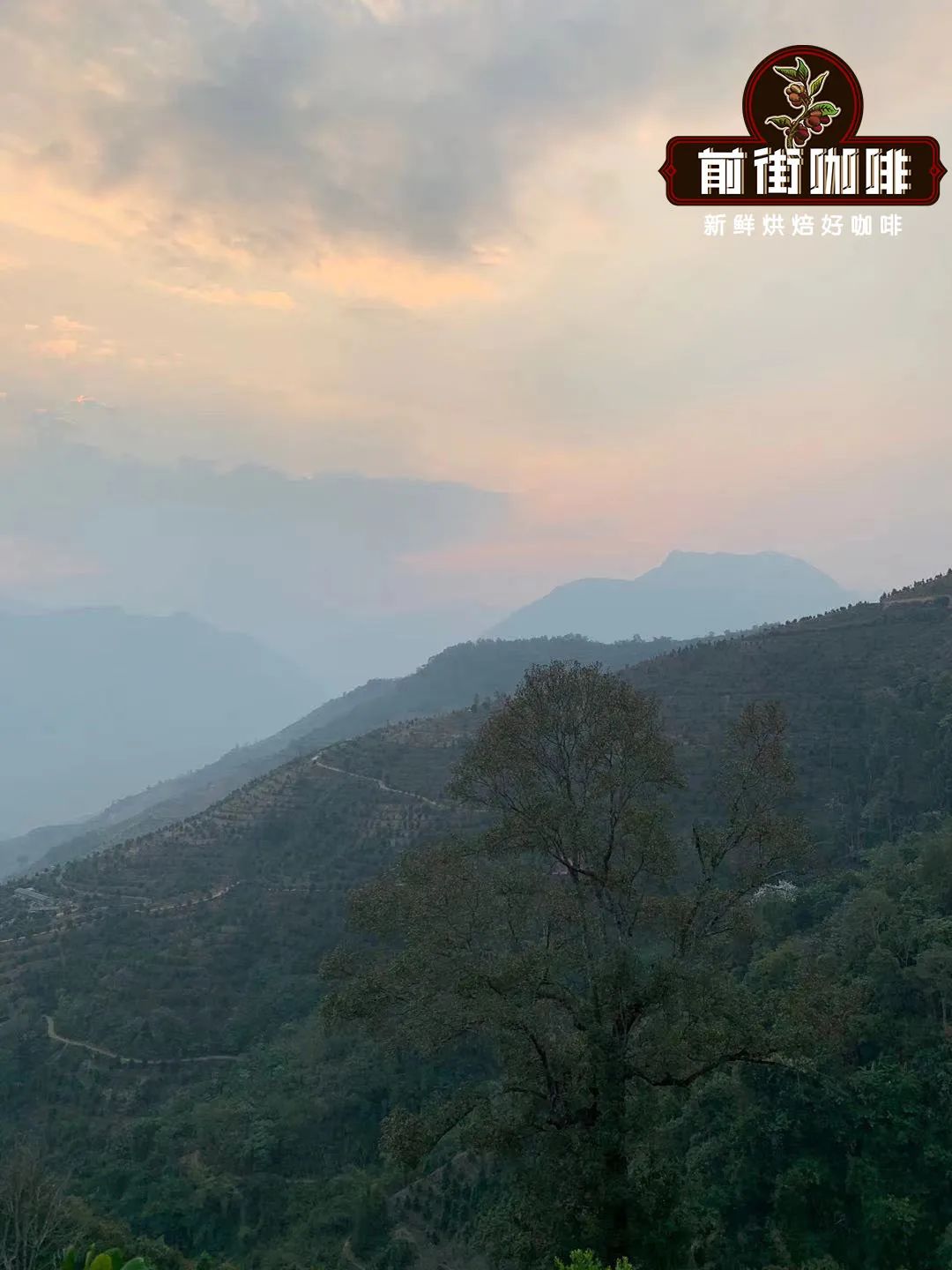
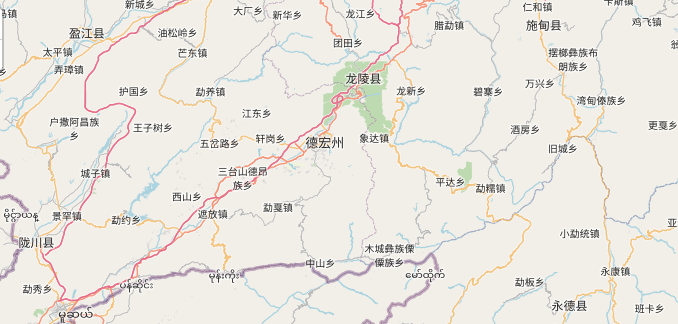
Dehong Prefecture, due to its proximity to the Tropic of Cancer and the influence of the southwest monsoon from the Indian Ocean, experiences a South Asian tropical monsoon climate. The Gaoligong Mountains effectively block the cold, dry airflows from Siberia, while warm, moist summer air currents rise along the windward slopes of the mountains, bringing abundant precipitation. The area receives annual solar radiation of 137–143 cal/cm², annual rainfall of 1400–1700 mm, an average annual temperature of 18.4–20°C, and annual sunshine hours of 2281–2453, with an accumulated annual temperature of 6400–7300°C and a moderate drought index. These factors create a climate with no severe cold in winter, no intense heat in summer, and concurrent rain and heat—highly conducive to the overwintering and growth of coffee trees.
Coffee cultivation in Baoshan can be traced back to the mid-1950s, when the first coffee seedlings were introduced by overseas Chinese Liang Jinshan from Southeast Asia. The small-grained coffee from the Lugujiang Basin has gained renown in recent years. This area features a low-latitude mountainous subtropical monsoon climate, with complex terrain creating a three-dimensional climate where “one mountain has four seasons, and ten miles bring different weather.” The average annual temperature is 14–17°C, annual rainfall ranges from 700 to 2100 mm, the annual temperature range is small but the diurnal temperature variation is large, and the distribution of precipitation and sunlight is distinctly seasonal.
Lincang City is located in a subtropical low-latitude plateau mountainous region, influenced by the warm, moist airflows of the Indian Ocean and the southwest monsoon. Although the boundaries between the four seasons are blurred, the dry and rainy seasons are distinct. The area enjoys long sunshine hours (over 2000 hours annually), short frost periods, and even year-round frost-free conditions in some regions. The mountainous areas have an average annual temperature of 13–15°C, with a pronounced three-dimensional climate, making it a preferred location for many coffee companies to establish nursery bases and plantations.
Pu’er, known as a famous tea region, actually has an even longer coffee cultivation history of 150 years. Since the 1990s, the local government has prioritized the coffee industry as a key project to adjust the agricultural structure and increase farmers’ incomes. Influenced by the subtropical monsoon climate, most parts of Pu’er are frost-free year-round, with an average annual temperature of 15–20.3°C, frost-free periods exceeding 315 days, and annual rainfall of 1100–2780 mm. The mild and humid environment provides stable conditions for coffee growth.
The flavor foundation of Yunnan coffee is closely related to variety selection. Industry baristas often emphasize that variety is the key factor determining a coffee’s basic flavor—for example, Panama Geisha is renowned for its tea and floral notes. However, the most widely planted and representative variety in Yunnan is Catimor, a hybrid of the Timor variety (which contains Robusta genes, offering strong disease and pest resistance and high yield) and Caturra (a natural mutation of Bourbon). The entry-level Yunnan staple beans launched by the industry use this variety, whose flavor profile is characterized by nutty and brown sugar notes, high body, and overall balance. Although it lacks some refinement due to its Robusta lineage, it meets the balanced taste preferences of most consumers.
In addition to Catimor, Typica and Bourbon are also cultivated in small quantities in Yunnan. Compared to Catimor, Typica still centers on nutty and brown sugar flavors but exhibits more pronounced bright acidity, slightly lower body, and greater overall harmony. Interestingly, observations of Typica and Catimor plants actually grown in stores show: Typica trees are taller, with longer internodes, lower yields, and new leaves that are brownish; Catimor has denser foliage, shorter internodes, tighter branches, higher yields, and a shorter growth cycle. These differences are also reflected in the nuanced flavor profiles of the final brewed coffee.
Processing methods are another key factor shaping the flavor of Yunnan coffee. The two mainstream techniques used locally are washed and natural processes: the washed method involves first using machines to remove the coffee fruit’s skin and pulp, then placing the mucilage-covered beans in fermentation tanks to break down the pectin layer, followed by multiple rinses with clean water to remove residual pectin, and finally drying. This method is characterized by clean flavors, bright acidity, and high stability, making it suitable for showcasing the basic terroir characteristics of the region—for example, washed Yunnan small-grain staple beans from Baoshan can clearly present their regional features.
The natural process involves directly sun-drying the whole coffee cherries after harvest, allowing the sun to gradually dehydrate them and concentrate the sugars, ultimately resulting in a flavor that is rich in sweetness, multi-layered, and full-bodied. The featured Lincang natural Typica is a representative example, using medium roasting to present a complex flavor profile of plums, pluots, brown sugar, and nuts—especially suitable for beginners looking to experience the specialty potential of Yunnan coffee. If you prefer pour over extraction, it is recommended to choose naturally processed beans with medium-light roasts, as their higher sweetness and fruity notes complement the delicate extraction of pour over; if you value stable performance, washed beans are a good entry choice.
Considering the combined influences of regional environment, variety characteristics, and processing methods, Yunnan coffee’s nutty, brown sugar, and full-bodied flavor profile has formed a distinctive style. For drinkers seeking balanced taste and a fondness for nutty flavors, it is undoubtedly a region worth trying. It is worth noting that coffee tasting is inherently subjective—based on personal taste preferences, experimenting with beans of different processing methods and roast levels is recommended to explore your own journey through the flavors of Yunnan coffee.
The above content is compiled by CoffeeHunters, a coffee news website.


