







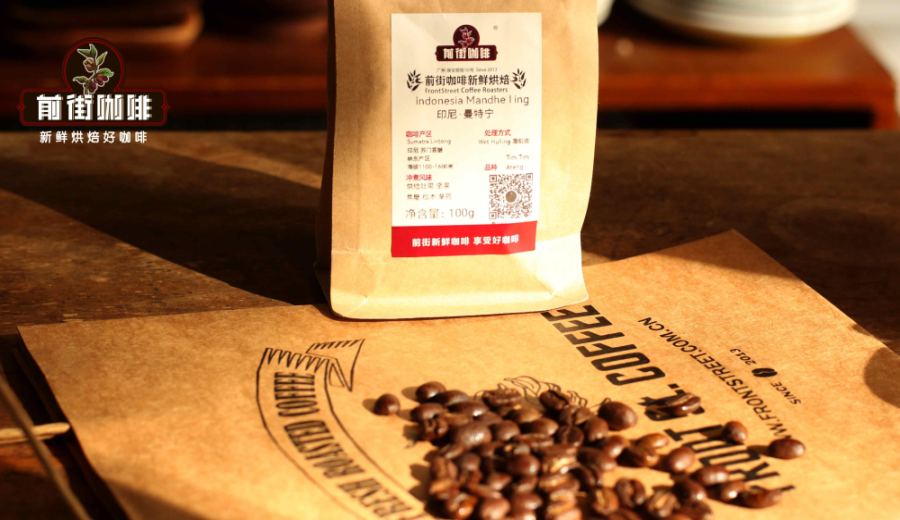
Introduction:Medium-dark roasted PWN Golden Mandheling, with its rich, smooth body and pronounced caramel-cocoa notes, is beloved by many coffee enthusiasts. This article will take an in-depth look at the characteristics of a certain brand’s PWN Golden Mandheling, and provide recommendations on choosing between KONO and V60 filters at different stages of bean degassing. By pairing precise water temperature, grind size, and pouring techniques, you can easily achieve a well-balanced, full-bodied pour over coffee experience.
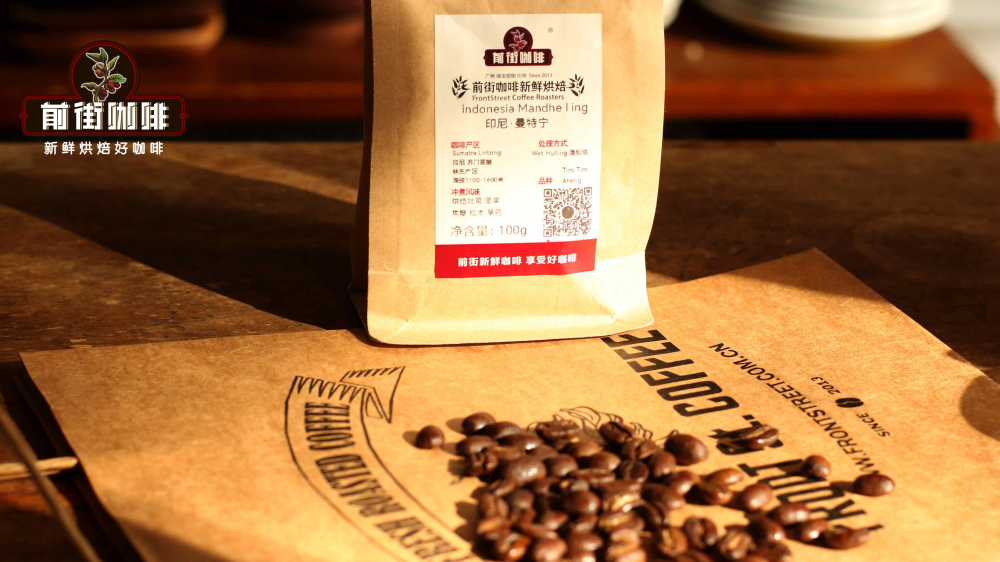
The PWN Golden Mandheling from Sumatra, Indonesia, is a classic medium-dark roasted coffee bean. Processed using the traditional wet-hulled method and of the Typica variety, it lacks prominent acidity but, due to a slightly longer roast time, emits intense caramel, cocoa, and toasted bread aromas, along with subtle herbal and pine notes. This bean offers high sweetness and a rich, smooth mouthfeel with a long-lasting aftertaste, making it an excellent choice for those who prefer bold flavors without pronounced acidity.
For many coffee drinkers accustomed to medium-dark roasts, their selection criteria go beyond just acidity or roast level—they prioritize how the coffee feels on the palate and whether it aligns with their personal taste preferences. This particular Golden Mandheling stands out with its natural sweetness and full body, often becoming a daily favorite. Especially after the degassing period, its flavors become more stable, allowing its charming layers of chocolate and cocoa to shine through with proper pour over techniques.
If using freshly roasted beans that are close to their roast date, it is recommended to start with a Hario V60 filter. The unique spiral ridges and rib structure of this filter help effectively channel carbon dioxide out of freshly roasted beans, reducing the risk of channeling caused by overly vigorous degassing. Fresh medium-dark roasted beans release a lot of gas, and if the water flow is too fast or uneven during pouring, it can cause the water to pass quickly through the edges of the coffee bed, affecting extraction consistency. In this case, it is advisable to use a slightly coarser grind size and adopt a slow, steady circular pouring method, with water temperature controlled at 90~91°C to help stabilize extraction and avoid over-extraction.
As the coffee beans move into the later stages of degassing, many pour over enthusiasts turn to the KONO filter to pursue a rounder, fuller-bodied flavor profile. The KONO filter differs from the V60 in design—the ribs are vertical and only cover the bottom quarter of the filter, with the rest of the cup walls almost flush against the filter paper, creating a relatively sealed environment. This structure slows down the degassing rate, gradually increasing pressure during extraction. Especially after the water level rises above the ribs, the water pressure extends the brewing time, helping extract more soluble flavor compounds and fine oils, thereby enhancing the overall richness and smoothness.
When using the KONO filter, it is recommended to use a slightly finer grind than with the V60, and the water temperature should be maintained between 89~90°C to prevent over-extraction or bitterness despite the extended brew time. In practice, a staged pouring method can be employed—for example, starting with a small amount of hot water for blooming, then pouring steadily in a circular motion from the center outward. The total brew time is recommended to be around 2 minutes and 30 seconds to 3 minutes, which can be fine-tuned according to actual flow rate.
Regardless of which filter you choose, it is important to maintain consistent coffee-to-water ratio. A general recommendation is a 1:15 to 1:16 ratio—i.e., using 225–240 milliliters of water for every 15 grams of coffee grounds. This ratio helps highlight the inherent sweetness and richness of Golden Mandheling. Additionally, the flow rate beneath the filter can also affect the overall extraction rhythm. It is advisable to test your equipment’s flow rate beforehand, and if necessary, make minor adjustments by altering the way the filter paper is folded or pre-wetted.
In summary, the key to pouring over a medium-dark roasted Golden Mandheling lies in understanding the bean’s degassing state, selecting the appropriate filter, and applying the corresponding extraction strategy. With stable water temperature control, suitable grind size, and carefully planned pouring techniques, you can easily recreate the rich smoothness and deep cocoa notes of this classic Indonesian bean at home, enjoying the satisfaction brought by each pour over session.
The above content is compiled by CoffeeHunters, a coffee news website.


