







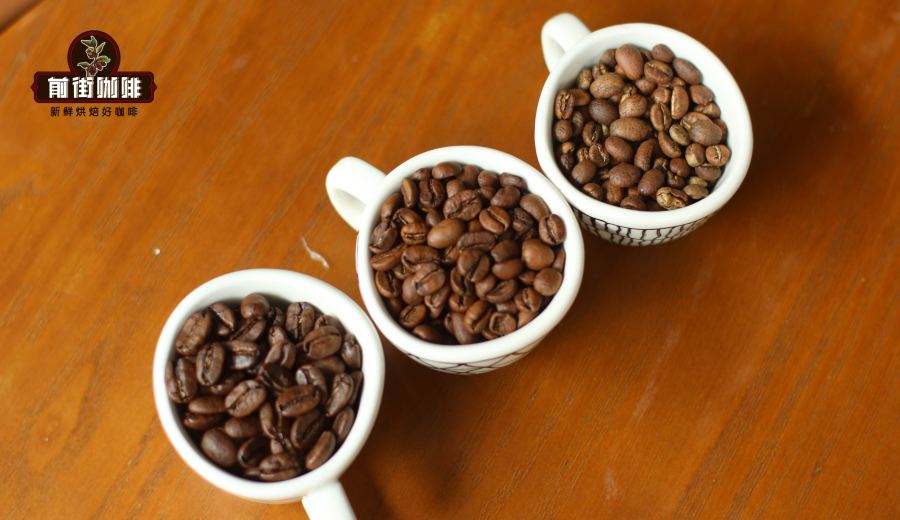
Introduction:Understanding coffee roast levels is the first step to selecting and brewing great coffee. From light to dark roasts, each roast level not only affects the color of the beans but also determines the balance of acidity, sweetness, and bitterness, as well as the overall flavor profile. This article will detail the internationally recognized SCAA color value grading system, analyze special roast styles such as Nordic extra light and Japanese extra dark, and provide practical classifications like light, medium, and dark roast to help you find the roast type that best suits your taste.
Coffee roasting is the key process of transforming green raw beans into brown roasted beans through heating. The duration and temperature of heating directly influence the color of the bean surface, thereby defining different roast levels. The world’s most influential specialty coffee organization, SCAA, based on the Agtron color value system, divides roast levels into eight grades — from the bright acidity of light roasts to the intense smokiness of espresso roasts. Each stage has unique flavor characteristics and suitable applications. In addition, emerging concepts like Nordic extra light roast and Japanese extra dark roast are gradually becoming focal points for coffee enthusiasts.
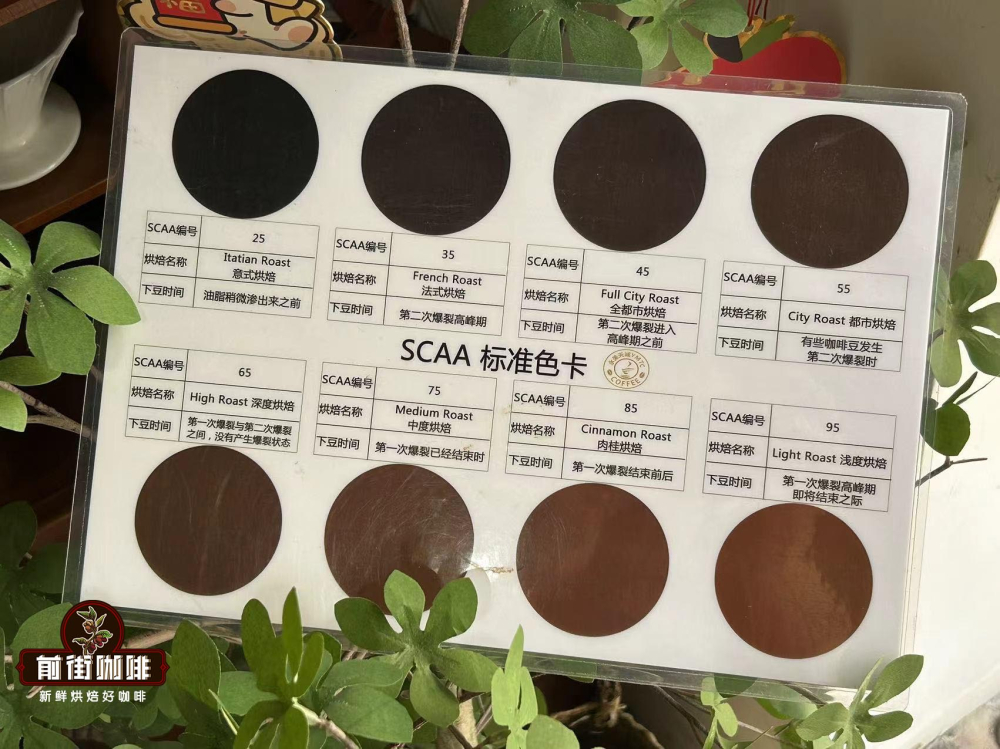
The SCAA roast grading is based on Agtron color values, where higher numbers indicate lighter roasts. Number 95, color value 95,Light Roastis typically dropped just before or during the first crack, when the beans are still popping. The acidity is bright, but if underdeveloped, it can easily taste grassy or astringent.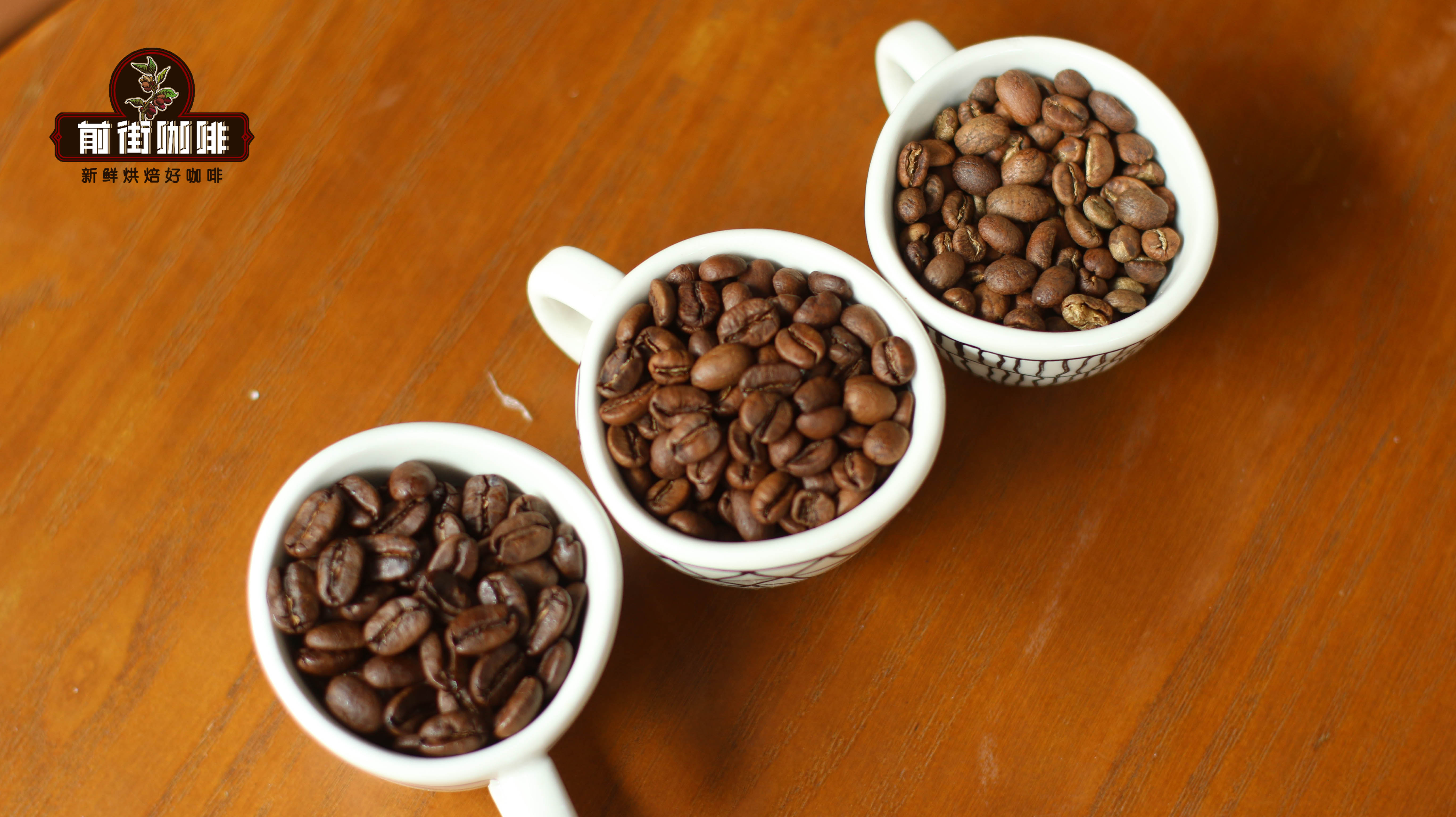
Number 85, color value 85,Cinnamon Roastis dropped around the end of the first crack. It emphasizes acidity with sweet undertones, and the aftertaste resembles the clean sweetness of cane sugar or honey. Number 75, color value 75,Medium Roastis dropped after the first crack has fully ended. It highlights sweetness with some fruity acidity, and the aftertaste often presents caramel or roasted sweet potato-like sweetness, making it suitable for showcasing the floral and fruity notes of the coffee itself.
Moving into deeper roast levels, number 65, color value 65,High Roastis dropped during the quiet period between the end of the first crack and the beginning of the second crack. The flavors are dominated by nuts and caramel, with a full and balanced mouthfeel, and the acidity nearly disappears. Number 55, color value 55,City Roastis dropped when the second crack is just beginning. The bitterness increases, and the caramel aroma becomes more pronounced, with an overall flavor similar to unsweetened dark chocolate.
Number 45, color value 45,Full City Roast is dropped just before the second crack becomes dense. If development is even from the bean surface to the core, it can exhibit a syrupy body and a distinct bitter-sweet finish. Number 35, color value 35,French Roast is dropped during the dense phase of the second crack. The bean surface starts to release oil, and the flavors are intense with strong smokiness.
Number 25, color value 25,Italian Roast is dropped after the second crack ends. The beans are shiny black with visible oils, suitable for espresso or consumption with added sugar and milk. It is one of the darkest commercial roast levels.
In addition to the official SCAA grading, there are also some popular specialty roast styles in the market. For example,Nordic Extra Light Roast(color value around 85–90) emphasizes preserving the bean’s fresh compounds, with prominent acidity. However, if the technique is not up to par, it can easily result in underdevelopment or sour astringency — it’s a niche preference.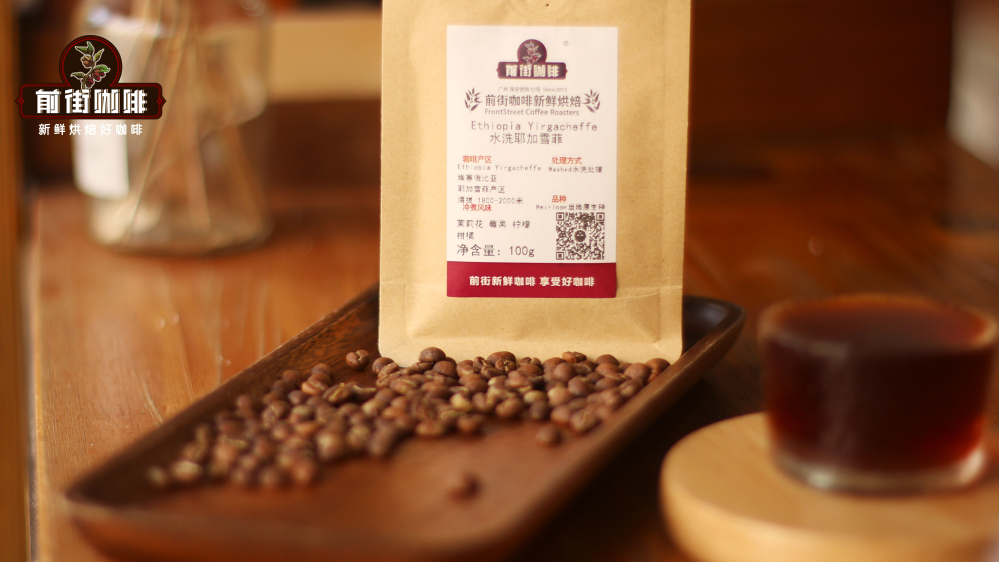
Another style is theExtra Dark Roastfrom Japan, which is more intense than conventional dark roasts. The bean surface is rich in oils, resembling a black charcoal color (color value around 25–30). This type of coffee is suitable for extraction methods like flannel drip or pour over. It shows noticeable expansion during blooming, and the brewed coffee offers a balance of bitterness and sweetness with a bold, stimulating flavor.
In everyday purchasing or café descriptions, many coffee vendors do not directly use the SCAA numbering system but instead opt for more understandable terms likelight roast, light-medium roast, medium roast, medium-dark roast, and dark roastfor classification. For example, light roast beans have the lightest color, emphasizing floral notes and bright fruit acidity; light-medium roast beans are gradually browner, with balanced acidity and sweetness; medium roast focuses on sweetness; medium-dark roast beans turn darker in color with more complex flavor layers; dark roast beans are deep black or even oily, suitable for consumers who prefer a bold flavor.
The complete coffee roasting process is roughly divided into five stages:drying, dehydration, first crack, second crack, and dropping. First is the drying stage, where internal water vapor in the green beans begins to evaporate. At around 135°C, the beans turn from green to light white. Then comes the dehydration stage, where the temperature rises to around 160°C, the beans change from green to light yellow, releasing grassy or grainy aromas, gradually turning light brown.
When the temperature reaches about 190°C, after dehydration is complete, increased internal pressure causes thefirst crack. The cell walls rupture and initiate caramelization reactions, imparting sweetness, body, and a deep brown color to the coffee. This stage usually lasts about one minute. Then the temperature continues to rise into thesecond crack, where internal reactions become more intense, the beans expand to about 1.5 times their original volume, the surface begins to release oil, and weight reduces by about 12%–20%. If roasting is stopped about one minute after the dense phase of the second crack, at around 230°C, you get a French or Italian roast.
It’s important to note that if the beans are not thoroughly roasted internally during the dehydration or yellowing-to-first-crack stage, they may develop grassy or astringent flavors. Maintaining moderate heat and stable drum rotation speed (60–65 rpm for flat beans) helps ensure even heating. Due to shape differences, peaberry beans should be roasted at a lower speed to avoid uneven heating. If roasting at home, a drum-style roaster can be used to ensure even tumbling of the beans under direct heat.
The above content is compiled by CoffeeHunters, a coffee news website.


