







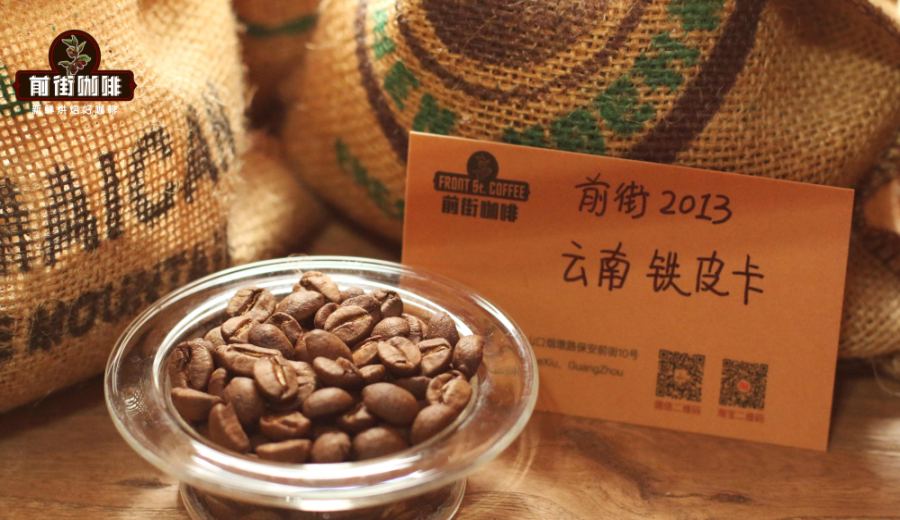
Introduction:Yunnan coffee was once polarizing due to its early widespread use in instant coffee production, but with the rise of specialty trends and local government support, it has now developed unique flavor profiles of plum, nuts, and tea. This article takes a washed Catimor from Baoshan as an example, delving into its variety characteristics, green bean conditions, roast curve design, and providing practical pour over and espresso extraction parameters to help you truly appreciate the potential of Yunnan’s small beans.
In the past, many people had a poor impression of Yunnan-grown coffee beans, mainly because early farming methods were relatively extensive, and most beans were used to make instant coffee with relatively simple processing that made it difficult to showcase subtle flavors. However, with the rise of the specialty coffee trend and active promotion of regional development by local governments, Yunnan coffee has seen significant improvements in both cultivation techniques and post-harvest processing, gradually forming distinct regional characteristics such as plum, nuts, caramel, and tea notes.
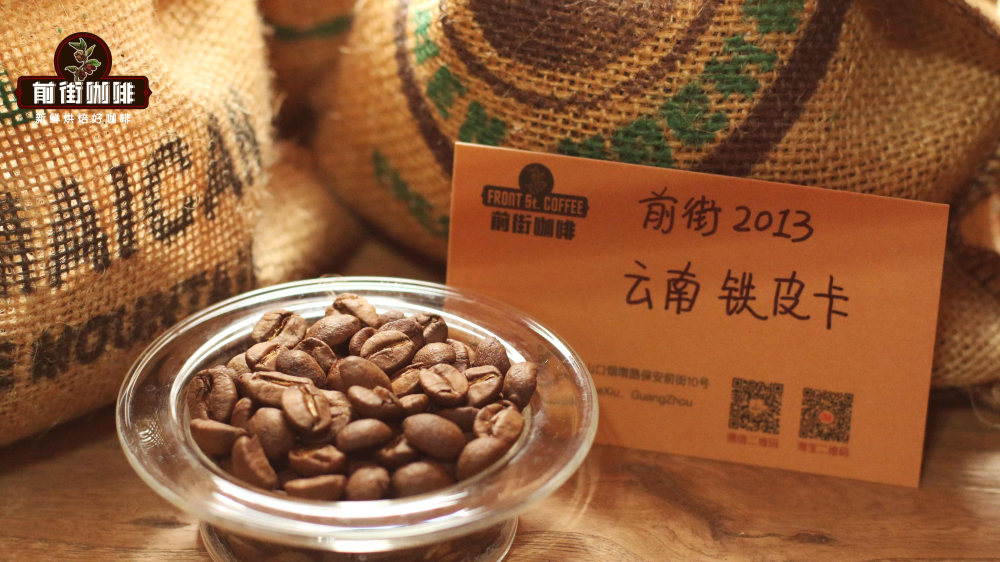
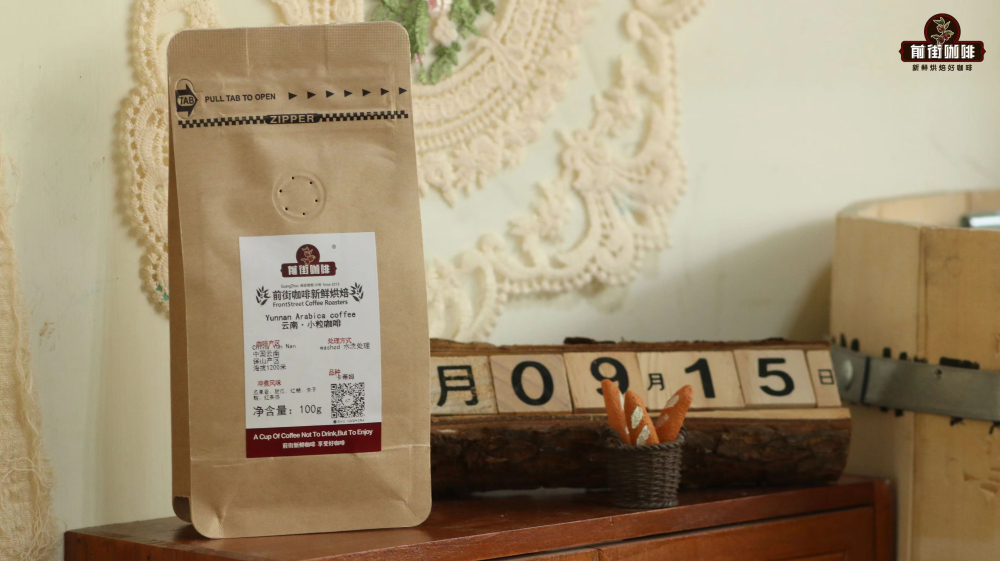
Among the many Yunnan producing regions, Baoshan stands out as an ideal location for growing specialty coffee due to its moderate altitude and stable climate. Generally, altitudes above 1200 meters are considered the entry threshold for specialty coffee, and the higher the altitude, the more likely the coffee is to exhibit complex flavor layers. A certain brand specifically selected washed Catimor grown at altitudes above 1200 meters in Baoshan for its regular bean series, using it as a representative to showcase the potential of Yunnan coffee.
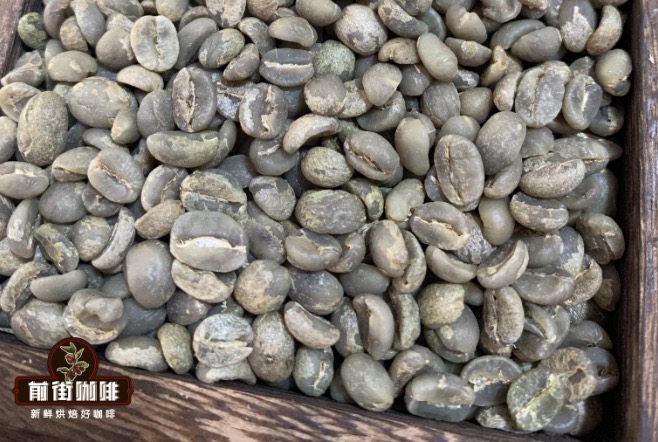
Although this Catimor variety belongs to Arabica, it contains a small amount of Robusta genetics, giving the green beans a slight grassy astringency. To highlight its regional characteristics and reduce the interference of grassiness, the brand roasted it to a medium level, with a bean color similar to cinnamon bark. This approach preserves bright acidity while making the overall taste cleaner and crisper. The green beans have a uniform green appearance and give off a faint grassy aroma along with the sweet-sour scent of slightly ripe plums.
In terms of processing methods, the Baoshan region mostly uses the washed method: after depulping, the coffee cherries undergo 18 to 36 hours of fermentation in water tanks. This step helps enhance the brightness of the acidity and makes the overall flavor purer, making it easier to identify the unique regional characteristics of Yunnan.
Regarding the roast curve, this time we used a Yangjia 800N roaster (capacity 300g), with the following detailed parameters: the charge temperature was set at 190°C, initial flame power at 120, and air damper at 3; the turning point occurred around 1 minute and 40 seconds, and when the drum temperature dropped to 145°C, the air damper was increased to 4 while maintaining the same flame power; when the bean surface temperature reached 166°C and the beans began to turn yellow with almost no grassy smell, it entered the main drying phase; when the drum temperature further rose to 188°C, the flame power was reduced to 60 and the air damper was opened to 5. At approximately 8 minutes and 37 seconds, the bean surface showed obvious quench marks and black speckles, and the toast bread aroma transformed into coffee fragrance—this is the critical stage before first crack, requiring careful listening to the subsequent first crack sounds. First crack began around the 9-minute mark, and roasting continued for another 3 minutes, with the beans dropping at 198°C.
The roasted Agtron bean color value was 63.1 (top image), the roast tone value was 70.4 (bottom image), and the Roast Delta value was 7.3, indicating a moderate roast development that retains regional characteristics while maintaining balance.
For brewing recommendations, if choosing the pour over method, you can use a Hario V60 filter cone, with a suggested coffee dose of 15 grams, water temperature controlled at 90°C, grind size at 75% passing through a #20 sieve, and a coffee-to-water ratio of 1:15. The specific operation can be divided into three pour stages: first, pour double the coffee dose of water (about 30 grams) for the bloom, lasting about 30 seconds; then pour with a fine stream in circular motions from the inside out until reaching a total of 125 grams for the first pour; once the coffee bed drops to the middle of the cone, pour the third stage with the same fine stream up to 225 grams until the drawdown is complete, with a total brew time of about 2 minutes.
In addition to pour over, this Yunnan small bean coffee also performs excellently in espresso extraction. To make its characteristics more accessible to the public, a certain brand has specially launched a blend based on Brazilian coffee, combining the creamy and nutty tones of Brazilian beans with the mild acidity and cocoa notes of Yunnan beans, resulting in a balanced and smooth flavor profile. This blend produces a moderate crema during extraction, with a comfortable aftertaste, making it highly suitable for both home and café use.
The above content is compiled by CoffeeHunters, a coffee news website.


