








Introduction:Dive deep into the grind size of espresso beans, the ideal espresso brew ratio, and whether they can be used for pour over. This article explains the characteristics of blends, sets out extraction parameters, and offers practical advice to help you brew your desired flavors—whether espresso or filter—with key techniques mastered.
For coffee enthusiasts, espresso beans are the soul of many classic drinks such as espresso, latte, or cappuccino, all of which rely on their intense flavor and rich crema. However, to fully bring out the characteristics of espresso beans, besides choosing the right beans,Grind SizeandExtraction Parametersare even more crucial. This article will guide you through the comprehensive understanding and adjustment techniques of espresso beans.
 " alt="Illustration of espresso beans">
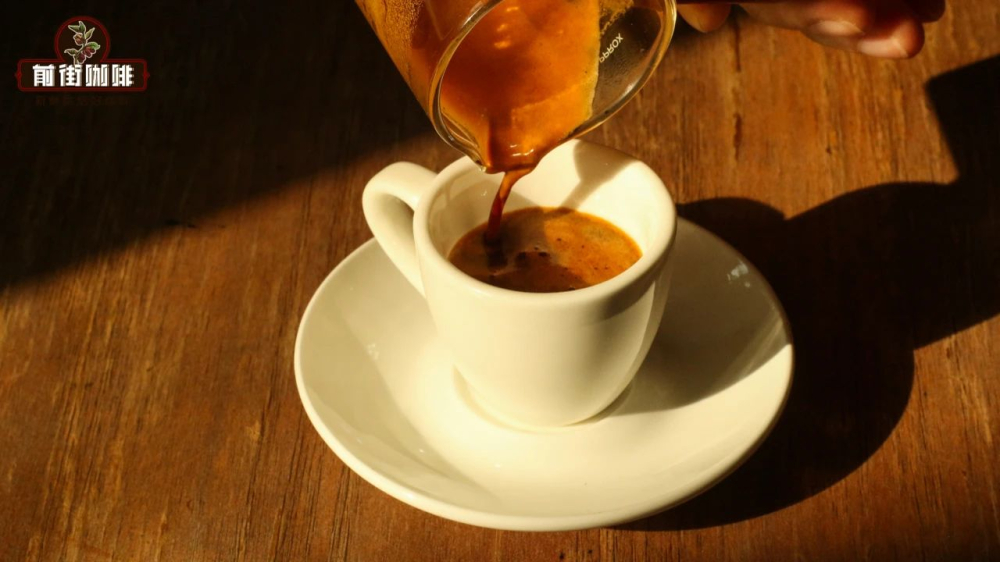
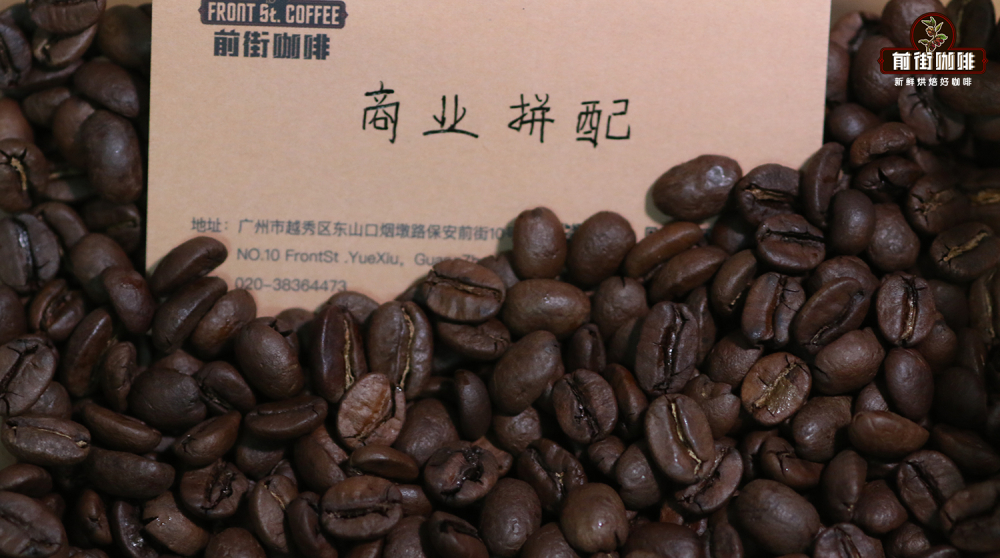
So-called espresso beans generally refer to coffee beans specially blended for making espresso. These beans are mostly dark roasted and often consist of a mix of beans from different regions and with different flavor profiles, aiming to create a taste that is layered, full-bodied, and rich in crema. Many recipes also include a small amount of Robusta beans to enhance intensity and crema performance.
 " alt="Display image of commercial blend espresso beans">
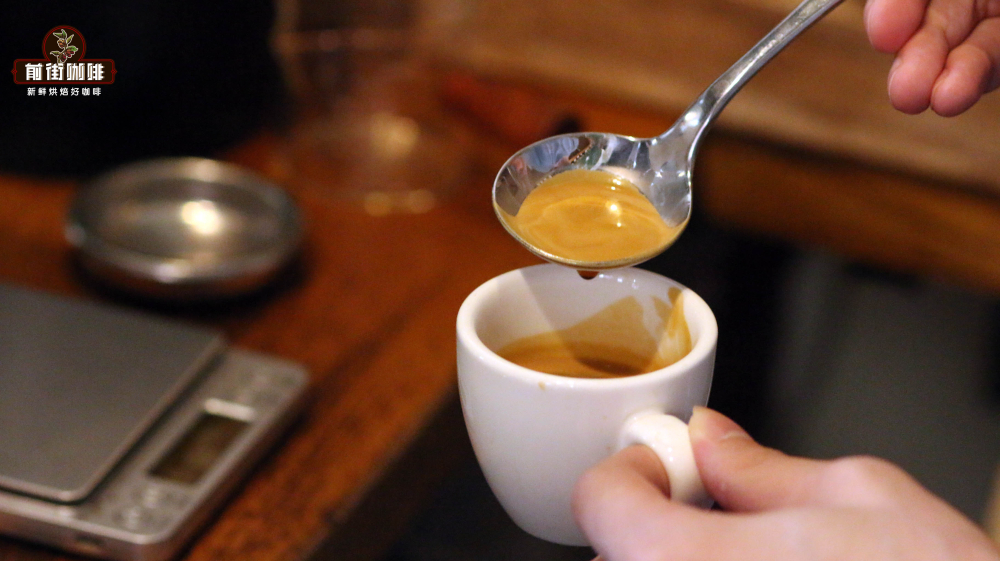
The ideal espresso brew ratio typically falls between1:2 to 1:2.5, meaning that for every 18–20 grams of coffee grounds, 36–50 milliliters of espresso is extracted, with an extraction time of around 25–30 seconds being optimal. This range balances the strength and smoothness of the espresso while ensuring a rich and stable crema. If the brew ratio is too high, the taste may become overly extracted and bitter; if too low, it may under-extract, resulting in a weak flavor.
 " alt="Espresso extraction illustration">
So, are espresso beans suitable for pour over? The answer is yes, but it requires appropriate adjustments to grind size and brewing parameters. Typically, the preset grind of espresso beans is very fine, almost powdery, designed to withstand the high pressure of espresso machines. For pour over, it’s recommended to adjust the grind tomedium-coarse, about75% passing through a #20 sieve, which is slightly coarser than standard espresso grind, to avoid over-extraction and off-flavors.
 " alt="Comparison illustration of grind sizes for pour over and espresso">
Practical pour over suggestions can refer to: using a V60 dripper, with about 15 grams of coffee grounds, water temperature controlled at around 90°C, and a brew ratio set to1:15(i.e., 15 grams of coffee to 225 milliliters of water). Use a pulsed pour method—first pouring a small amount of hot water (e.g., 30 grams) for a 30-second bloom, then pouring in small circles. At 125 grams of water, perform the first pour break, and aim for a total brew volume of 225 grams, with a total brew time of around 2 minutes to fully highlight the coffee's aroma and layers.
 " alt="Pour over coffee parameter setting illustration">
There are many types of commercial espresso blends on the market, each with very different flavor profiles. Some emphasize bright, sweet acidity, such as blends that include African beans like Yirgacheffe; others focus on body and chocolate notes, such as those primarily made up of Brazilian and Colombian beans. There are also blends that include Robusta to enhance richness and crema performance—all of which affect the most suitable brewing method. Therefore, if you want to try using espresso beans for pour over, it’s recommended to first understand the flavor profile of that specific blend before deciding whether to adjust or choose a more suitable bean.
 " alt="Explanation illustration of different blend flavor profiles">
In addition, selecting and storing high-quality espresso beans is also crucial. Whether single-origin or blends,freshnessis one of the key factors affecting flavor performance. It’s recommended to buy beans roasted 2–3 days prior, and let them “rest” for a few days before use. This usually allows for richer aroma and taste to emerge. Meanwhile, storing in a dark, airtight, and cool environment helps prolong the optimal flavor period.
 " alt="Coffee bean storage recommendation illustration">
In summary, espresso beans are not only suitable for making espresso but can also showcase different profiles when brewed via pour over by adjusting grind size and brewing methods. Mastering the correct brew ratio, grind coarseness, water temperature, and timing means that whether you’re an espresso lover or a pour over explorer, you can find your own unique coffee flavor.
 " alt="Summary illustration of comprehensive extraction techniques">
 " alt="Comparison illustration of different brewing methods">
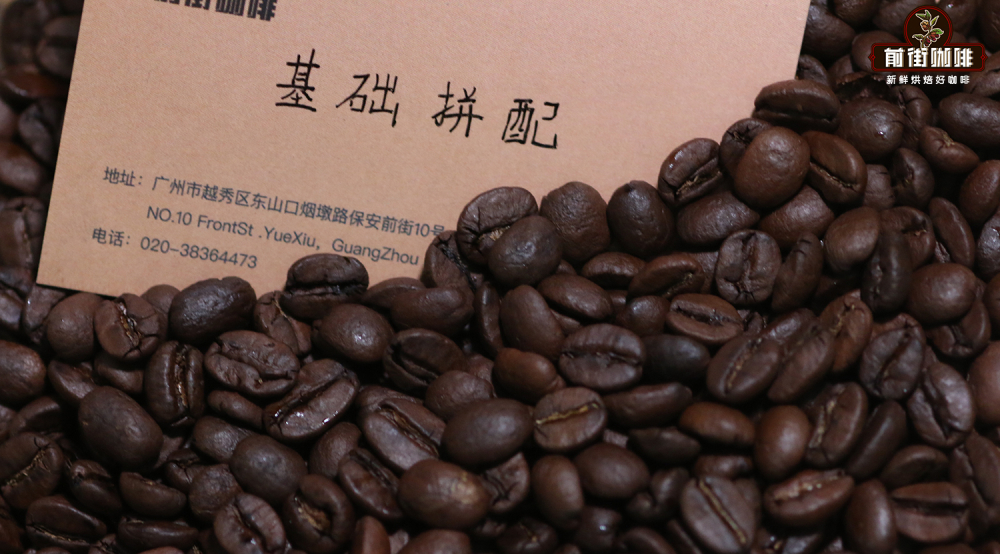 " alt="Blend ratio design reference illustration">
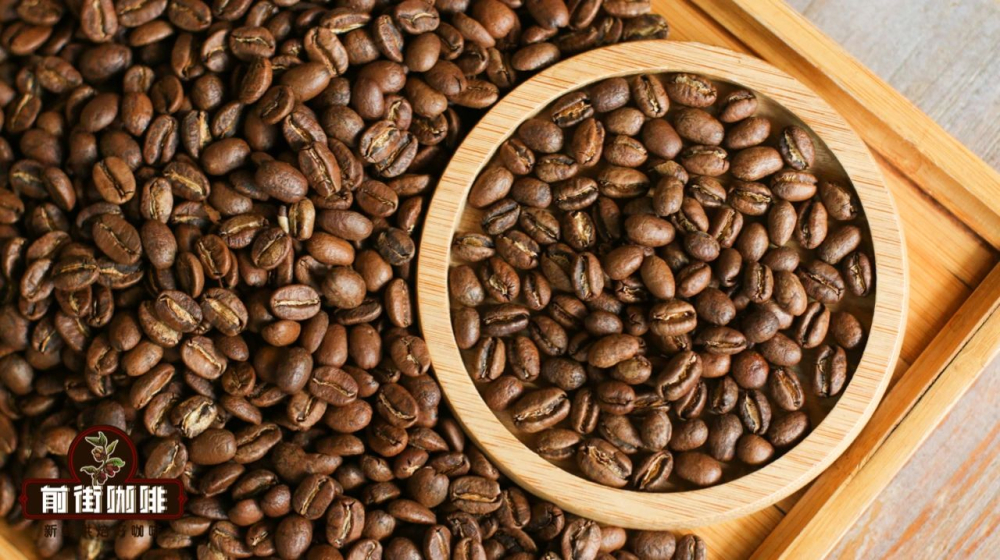 " alt="Defective bean removal illustration">
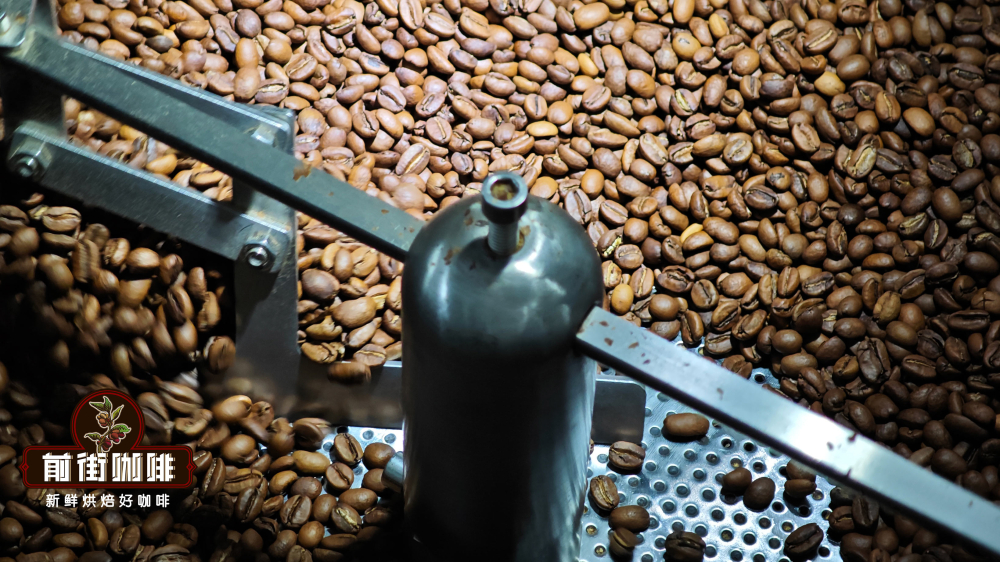 " alt="Roast level and flavor correlation illustration">
 " alt="Professional blend solution example illustration">
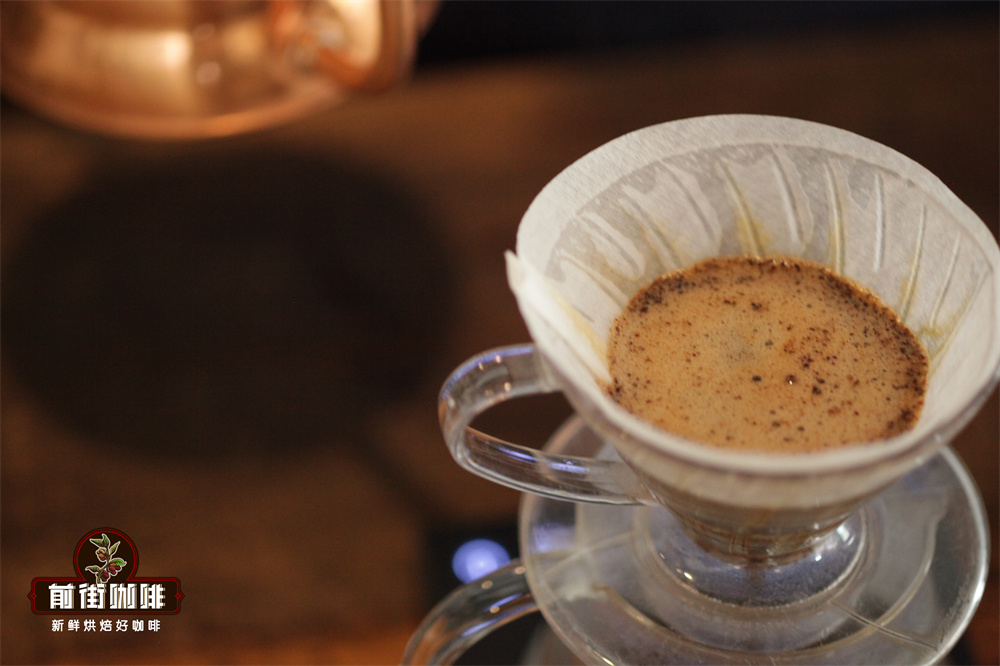 " alt="Pour over practical operation flow illustration">
The above content is compiled by CoffeeHunters, a coffee news website.


