







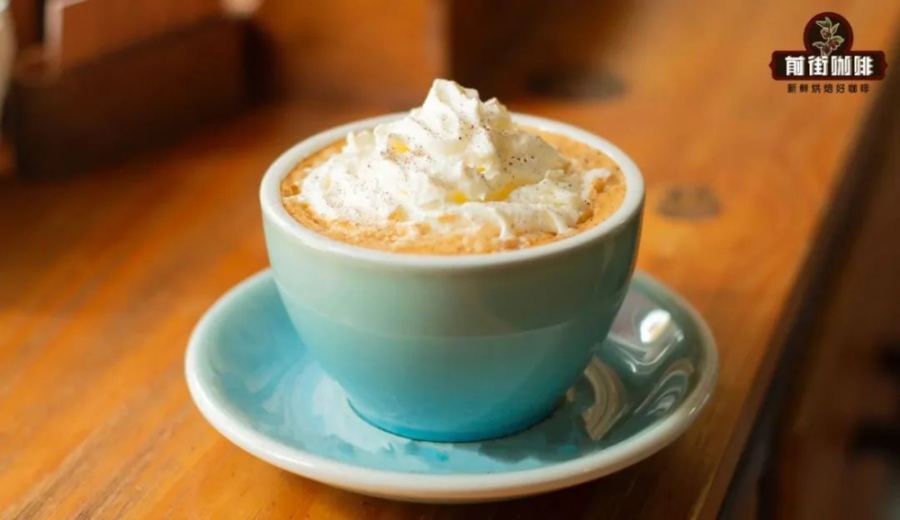
Introduction:Want to know what the real flavor of Starbucks' all-ice Americano with light cream is like? How did Viennese coffee carry on its legacy from Austria to today? This article delves into the historical origins of this classic coffee and step-by-step teaches you how to make a rich yet layered Viennese-style cream coffee at home using the correct proportions and techniques. Whether it’s a Con Panna or the viral Korean version on social media, you can easily master it.
Cream is not only the soul of desserts but also plays an important role in the world of coffee. It not only softens the bitterness of coffee but also gives the drink a smooth texture and rich layers. However, the use of "cream" in coffee goes much deeper than you might imagine, from the ancient coffee culture of Austria to today’s popular Starbucks custom drinks—it’s all closely related.
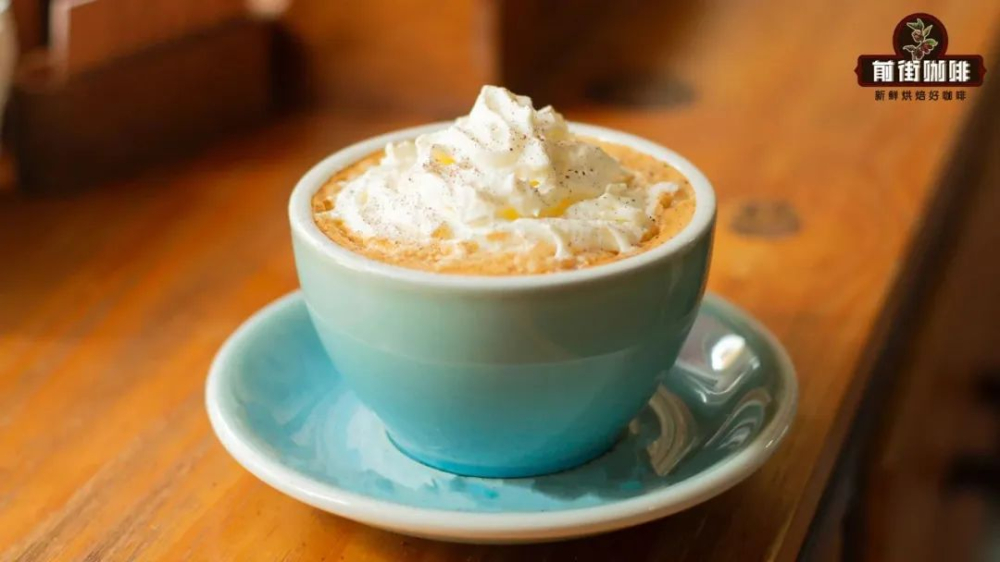
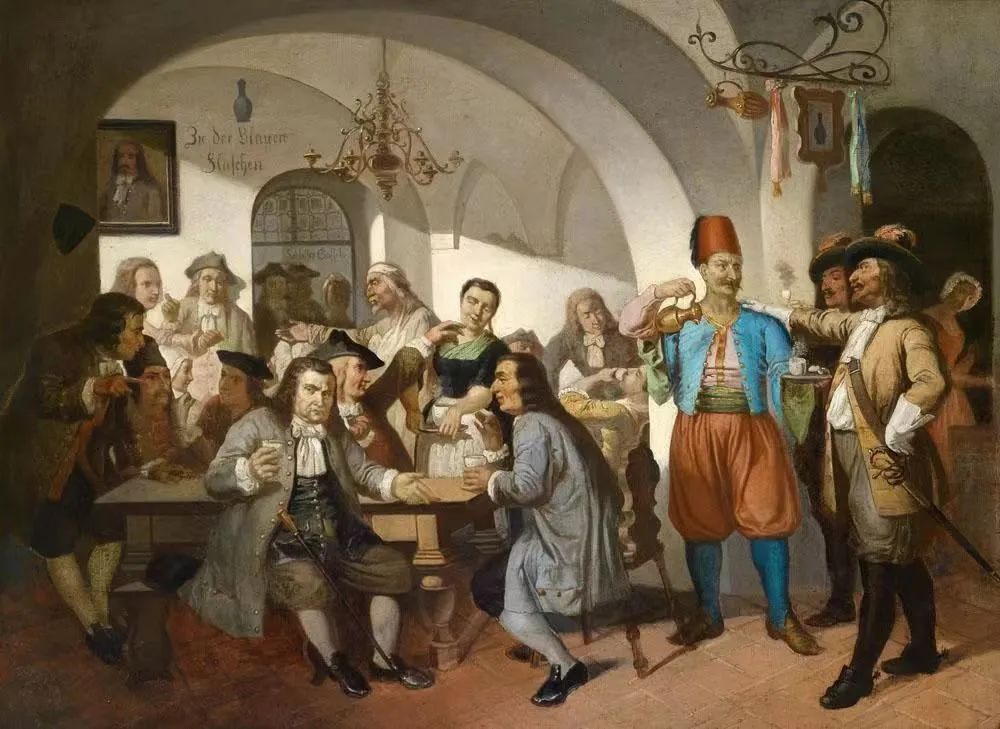
When it comes to the combination of coffee and cream, we must trace back to 18th-century Vienna, Austria. Historical records indicate that as early as 1684, a Polish soldier named Jerzy Franciszek Kulczycki, who was rewarded for his successful contribution to defending the city, received a large amount of coffee beans and prizes. He later opened the Blue Bottle café there, which also marked the beginning of the story of coffee and cream.

Initially, he brewed coffee in the Turkish way, boiling ground coffee with water and drinking it along with the grounds, but this method was not well received by Austrians. To cater to local tastes, he switched to filtering out the coffee grounds using a cloth bag and added cream, honey, and spices for flavor, creating the first-ever “coffee with cream.” This drink, which resembled the color of a monk’s robe, was called “Kapuziner” by locals, and it later became the precursor to the cappuccino.
Over time, this drink made its way to Italy, where it combined with espresso and fresh milk foam techniques, gradually evolving into today’s cappuccino. But the original coffee with cream did not disappear; instead, it continued to be served around the world in cafés under the names “Viennese Coffee” or “Espresso Con Panna.”
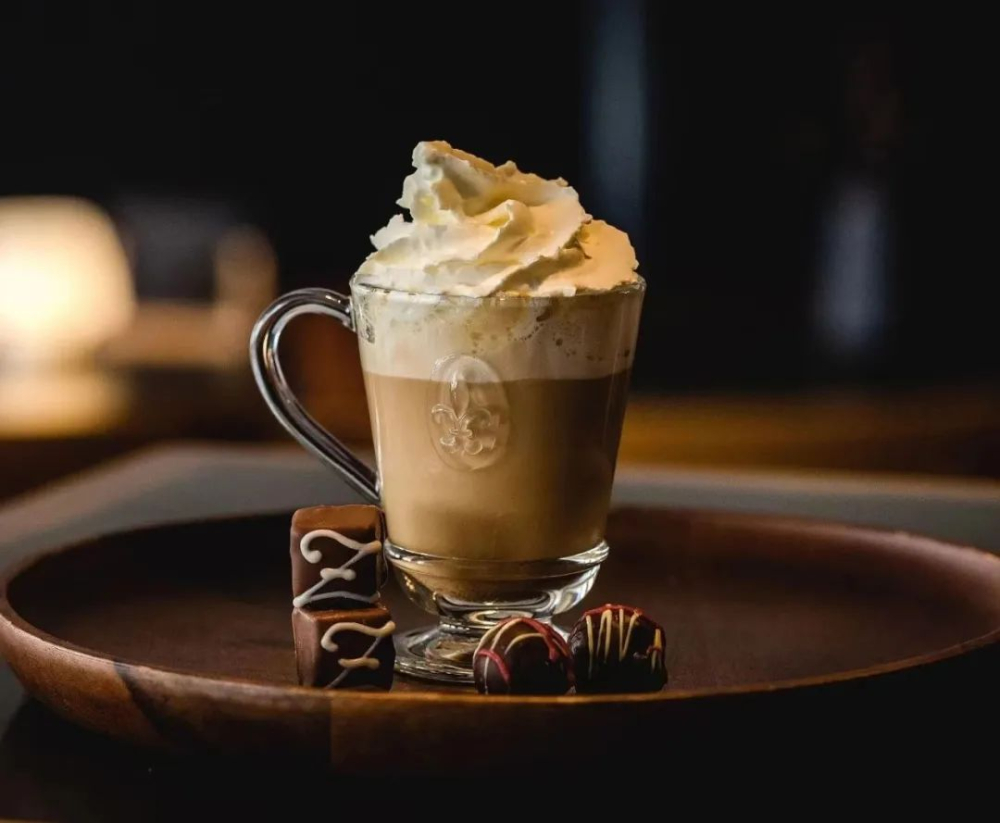
Con Panna is one of the most classic cream coffees, with an extremely simple yet refined preparation—just add two or three swirls of whipped fresh cream on top of a freshly extracted shot of espresso, without stirring, and enjoy it directly. The cold cream blends with the hot coffee, delivering a marshmallow-like smooth texture, but due to its intense flavor, it remains a niche yet unforgettable choice.
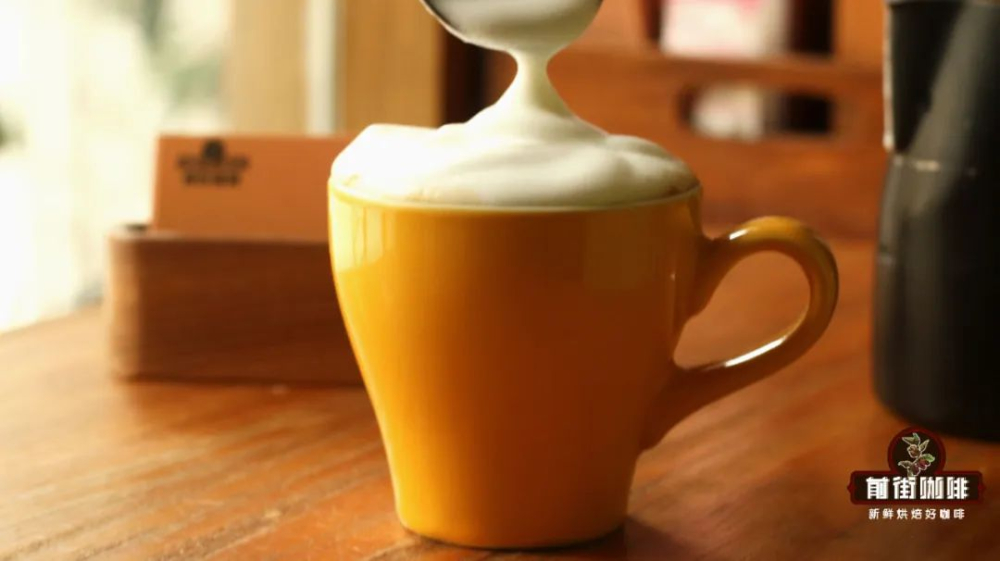
Another classic, “Viennese Coffee,” is more filling. The traditional method involves placing a teaspoon of white sugar at the bottom of a tall glass, pouring in about half a shot of espresso, then topping it with whipped cream, and sprinkling cinnamon powder, chocolate chips, or cookie crumbs for added flavor. This coffee was originally designed to help winter coach drivers quickly replenish their energy, offering both a pick-me-up and warmth.
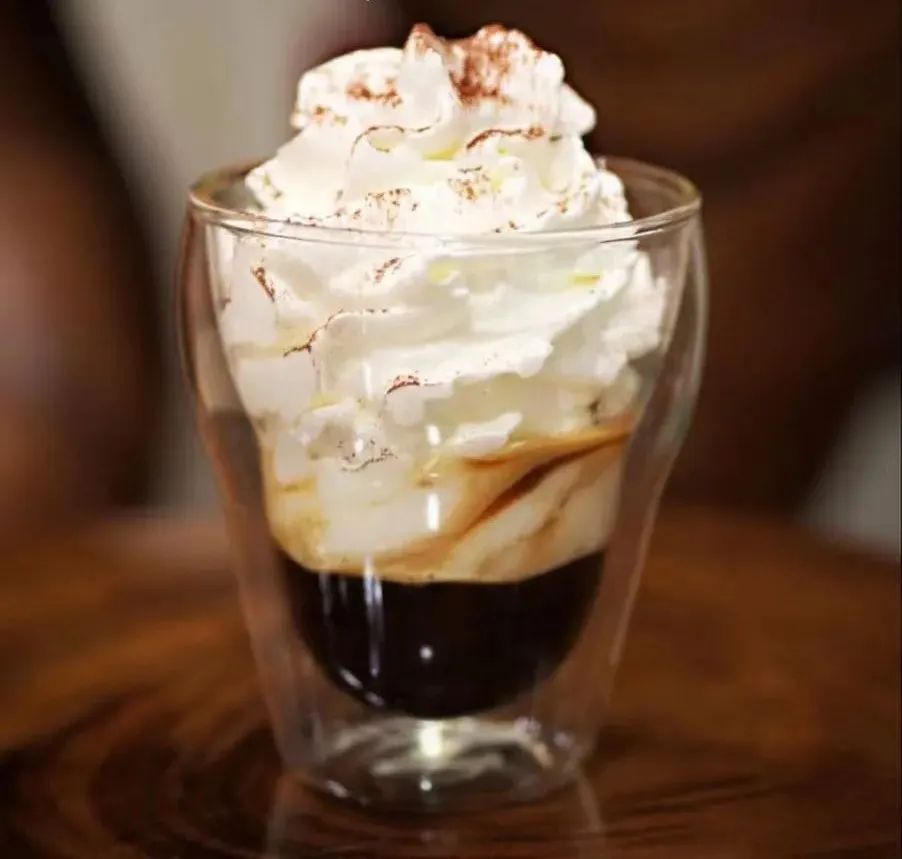
Modern versions of cream coffee are even more diverse. For example, Starbucks’ popular hidden menu item “all-ice Americano with light cream” combines ice, espresso, and half-and-half to create a layered, visually and tastefully appealing custom drink. The cold cream slowly sinks into the coffee, forming an attractive gradient, and the taste is a mix of sweetness and bitterness—perfect for consumers who enjoy creative coffee.
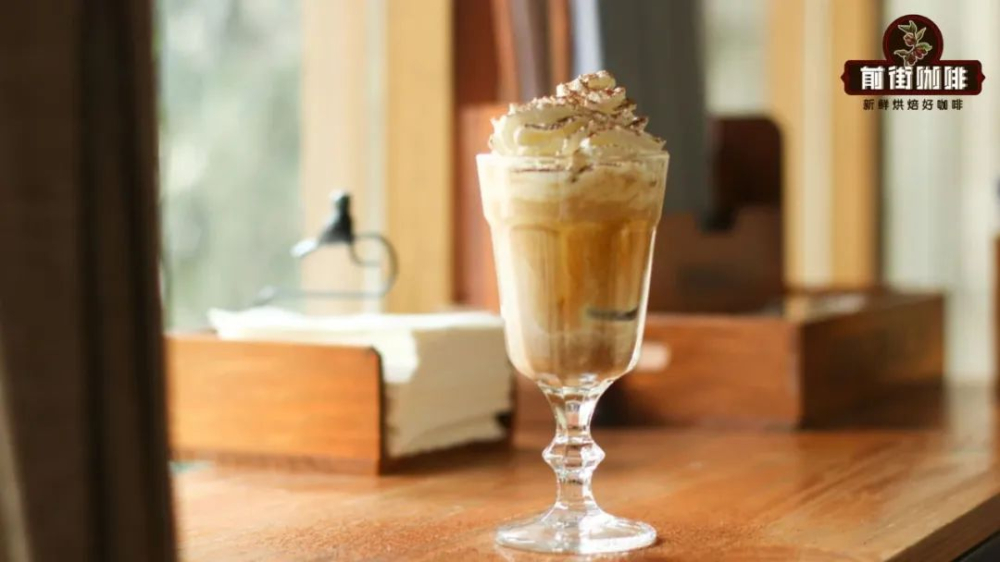
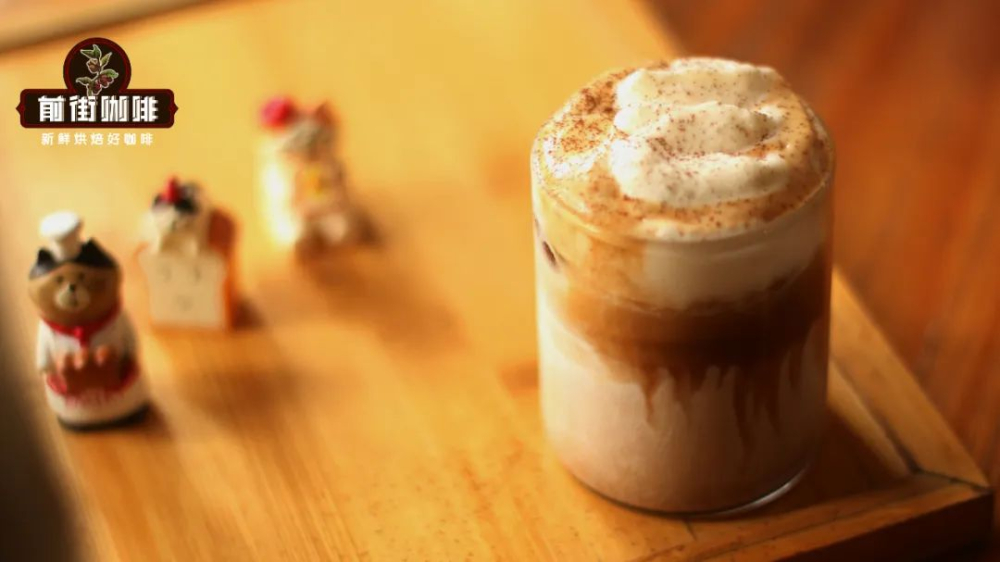
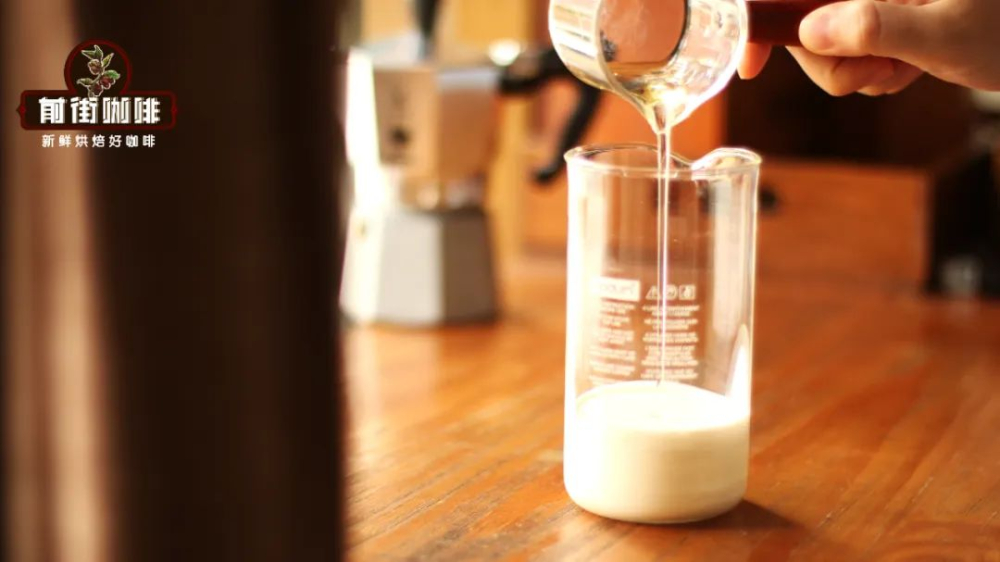
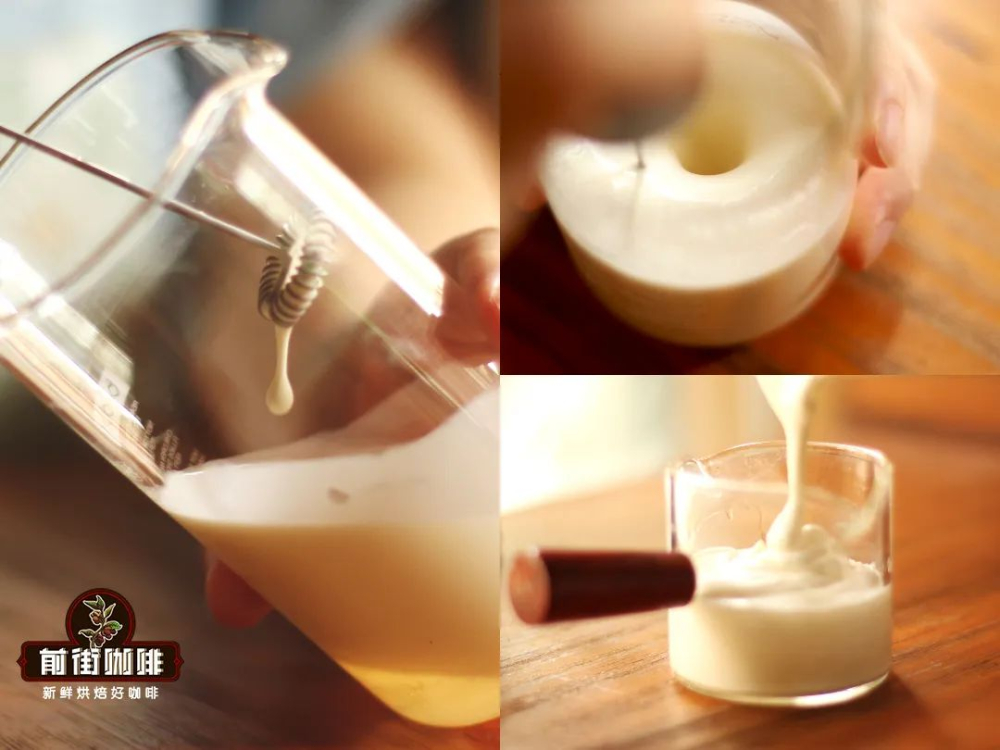
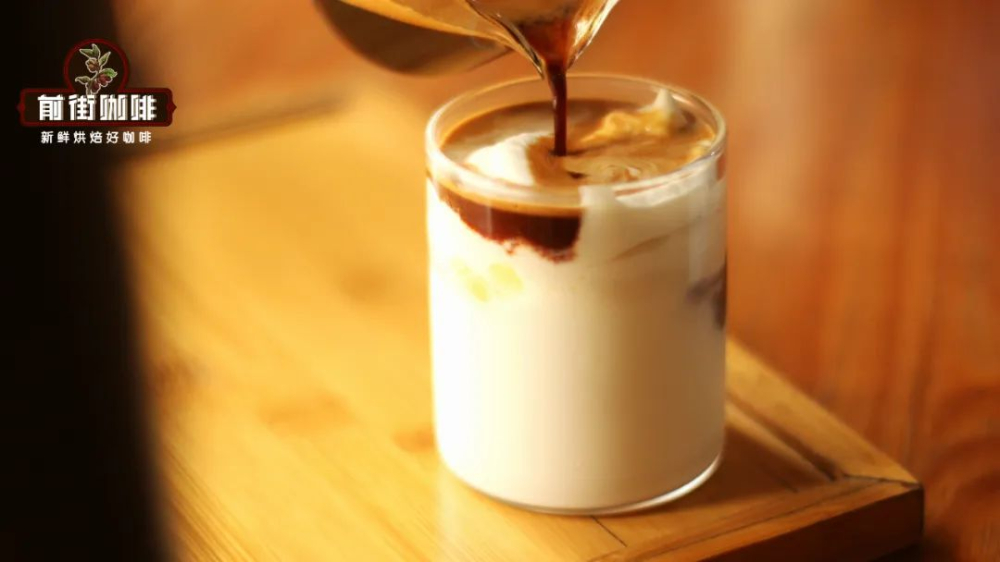
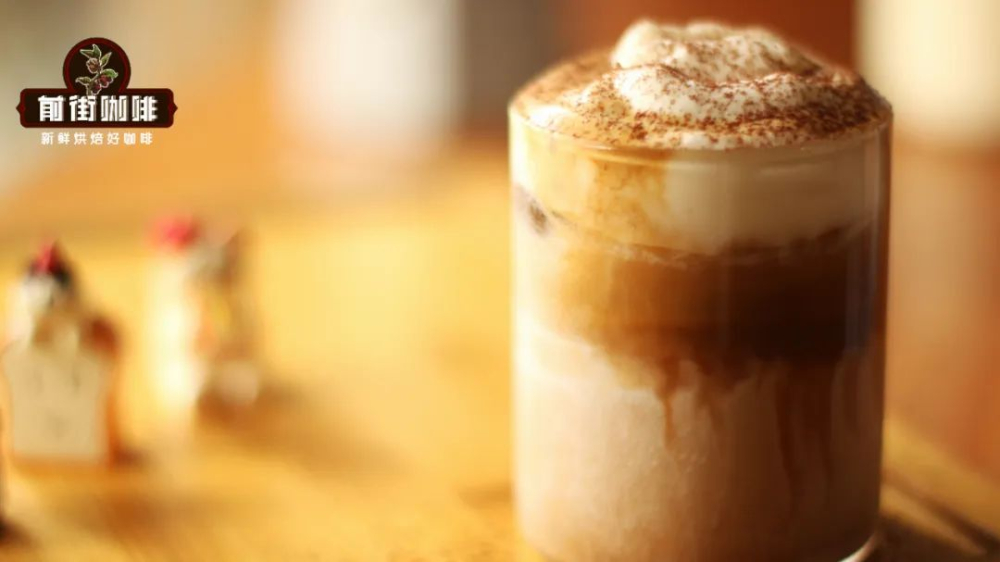
If you want to try the Korean internet-famous “Viennese Coffee” at home, the preparation is also simple. The required ingredients include: 80 grams of light cream, 15 grams of vanilla syrup, a double shot of espresso, milk, and ice cubes. The steps are as follows: first whip the light cream and vanilla syrup to a semi-solid state similar to yogurt, then place ice cubes and milk in a cup, layer the whipped cream on top, pour the espresso over it, and finish with a sprinkle of cocoa powder or additional cream for garnish.

Whether you prefer the classic Con Panna or the creatively unique Korean-style cream coffee, mastering the right ratio of cream to coffee strength allows you to enjoy a café-quality custom drink experience at home. From history to hands-on practice, this cup of coffee that blends European culture with modern creativity is definitely worth savoring.
The above content is compiled by CoffeeHunters, a coffee news website.


