








Introduction:As temperatures rise, iced coffee becomes the go-to choice for many coffee enthusiasts. This article provides a detailed guide to the brewing principles, parameter settings, and practical details of four mainstream iced coffee methods: ice pour over, iced Americano, cold brew, and ice drip. From coffee-to-water ratio and water temperature to grind size, it explores the unique flavor profiles and target audiences of each method—whether you're a beginner or an advanced home barista, you'll find a brewing style that suits you.
With summer arriving, iced coffee has become a daily essential for many. The most popular types of iced coffee can generally be divided into four categories: ice pour over, iced Americano (iced espresso), cold brew, and ice drip. Although all are served with cold or low-temperature water, they differ greatly in brewing principles, flavor profiles, and preparation processes. This article will delve into the characteristics of these four iced coffee styles and share practical parameters and techniques, so you can easily recreate professional-grade iced coffee at home.
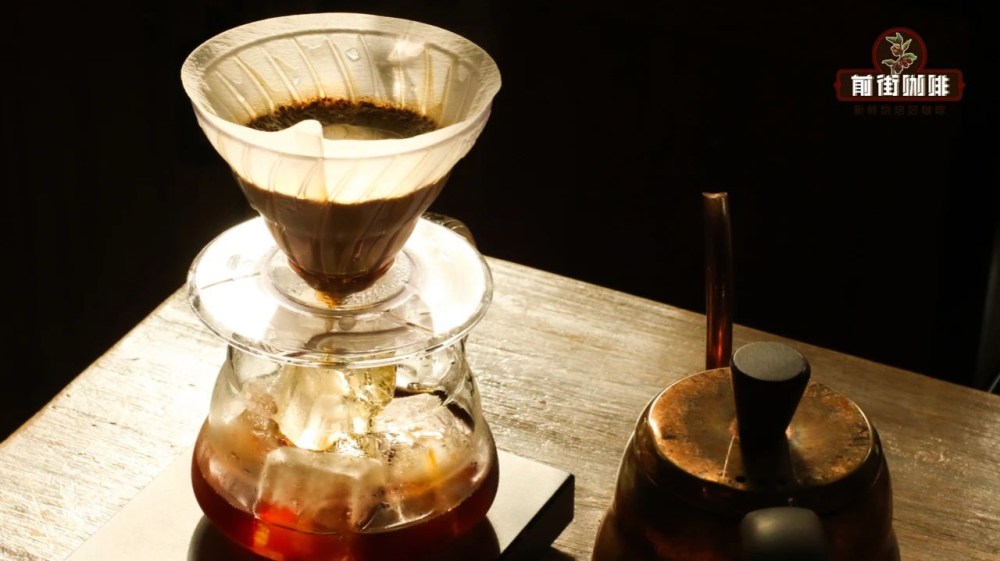
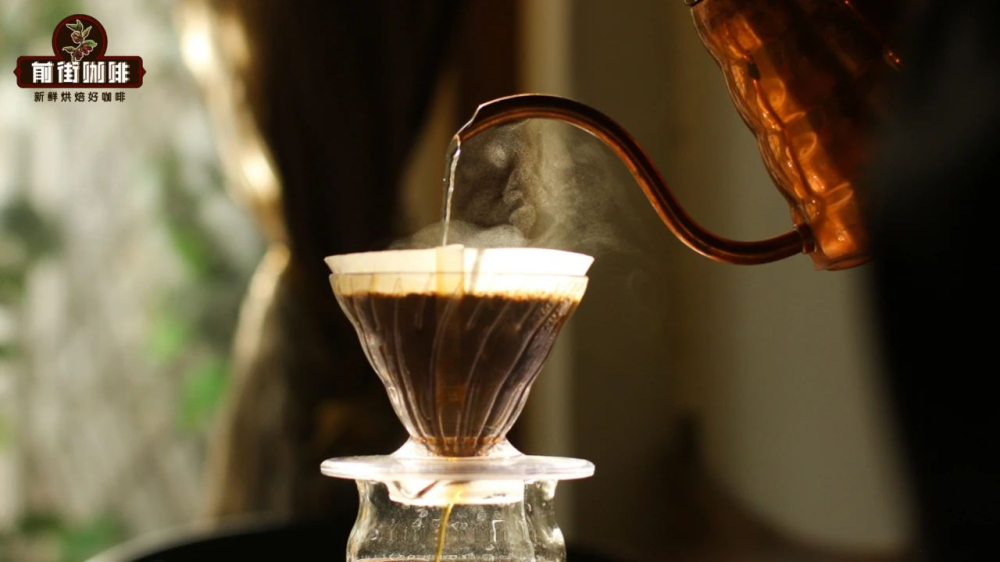
Ice pour over is the closest iced coffee method to hot pour over, but it involves quickly extracting with hot water and then cooling it down with ice cubes. As a result, the coffee-to-water ratio is usually adjusted to be stronger to counteract the dilution effect of the ice cubes later.Baristas typically use about 15 grams of coffee beans, pouring 150 grams of hot water at a 1:10 coffee-to-water ratio, aiming to extract around 120 grams of coffee liquid, and then adding 100 grams of ice cubes for final adjustment.This ratio helps maintain balanced flavors and avoids excessive dilution.

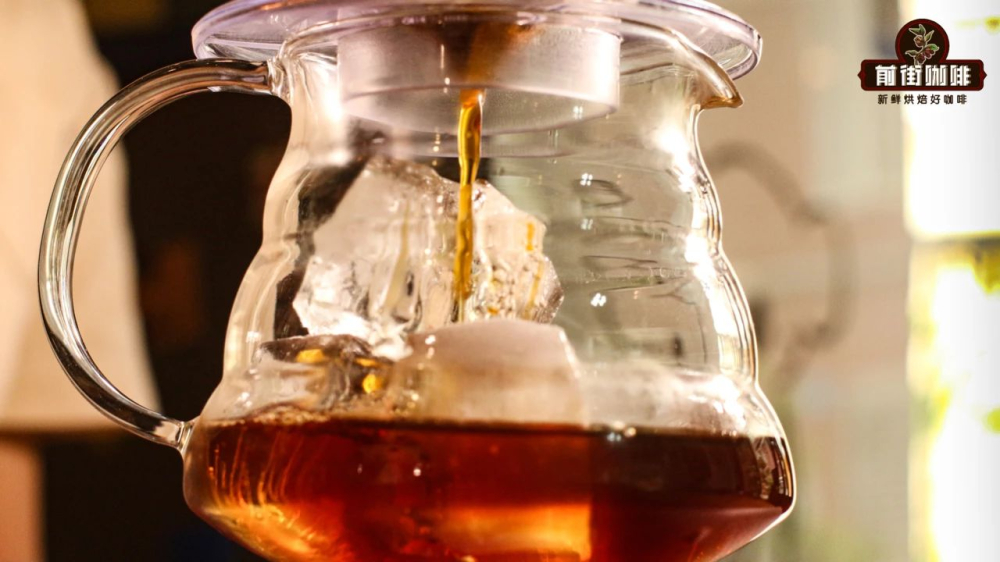
The process is divided into two stages: first, 30 grams of blooming water helps release CO₂ from the freshly ground coffee—an important factor for subsequent extraction efficiency. Then, the remaining 120 grams of hot water is poured in one go.The water temperature is recommended to be around 90°C, with a slightly finer grind, about 85% passing through an 0.85mm sieve.The total extraction time is approximately 1 minute and 30 seconds. Finally, the coffee liquid is poured over ice cubes, and by shaking, the ice and coffee mix evenly. This accelerates cooling while also blending the flavors more harmoniously.
Iced Americano is made by extracting espresso using an espresso machine, then diluting it with cold water and ice cubes. Unlike ice pour over, it starts with a highly concentrated coffee liquid, so even after adding a large amount of cold water, it retains a noticeable coffee flavor and body.Using 20 grams of coffee powder, about 40 grams of espresso is extracted in roughly 26 seconds, followed by 300 grams of cold water, at a ratio of about 1:7.5.This method is ideal for consumers who enjoy a strong taste but want a cool beverage.
Cold brew coffee follows a completely different brewing logic. It uses room temperature or chilled cold water to allow coffee grounds to slowly release their flavors, often taking up to 24 hours. Due to the low brewing temperature, the resulting flavor tends to be sweeter, lower in acidity, and cleaner, with fewer impurities—making it suitable for those who prefer a refreshing and smooth taste.
A common cold brew recipe is50 grams of coffee powder with 500 grams of cold water, at a 1:10 coffee-to-water ratio, using a coarser grind, about 75% passing through an 0.85mm sieve.It’s recommended to use a large glass bottle, mix the coffee powder and cold water evenly, seal it, and refrigerate for at least 24 hours. Once the time is up, simply filter it before drinking. Since no heating is involved, this method preserves the original flavors and aromas of the coffee to the greatest extent.

Ice drip coffee is an advanced version of cold brew. It involves slowly dripping ice water drop by drop over a long period of time, resulting in a richer flavor profile. This method requires a specialized ice drip brewer to control the dripping speed and brewing time, typically taking 6 to 8 hours or even longer.
Generally, 60 grams of coffee beans are used with 600 milliliters of ice water, also at a 1:10 coffee-to-water ratio, with a slightly finer grind, about 85% passing through an 0.85mm sieve.The dripping speed is recommended to be around 7 drops per 10 seconds. Too fast may lead to over-extraction, while too slow may result in insufficient flavor. After brewing, it’s suggested to refrigerate for another 12 hours to allow the flavors to further integrate. This method is especially suitable for coffee lovers who pursue delicate flavors and aromatic complexity.
No matter which type of iced coffee you choose, the key lies in understanding the characteristics of different brewing methods and adjusting the parameters according to your personal taste. Ice pour over is great for those who enjoy hand pour flavors but want an iced version; iced Americano offers a quick, convenient option with a bold taste; cold brew emphasizes naturalness and refreshment; and ice drip provides the most delicate and layered flavor experience. Mastering these basic principles and practical tips will allow you to easily create your own perfect iced coffee at home.
The above content is compiled by CoffeeHunters, a coffee news website.


