







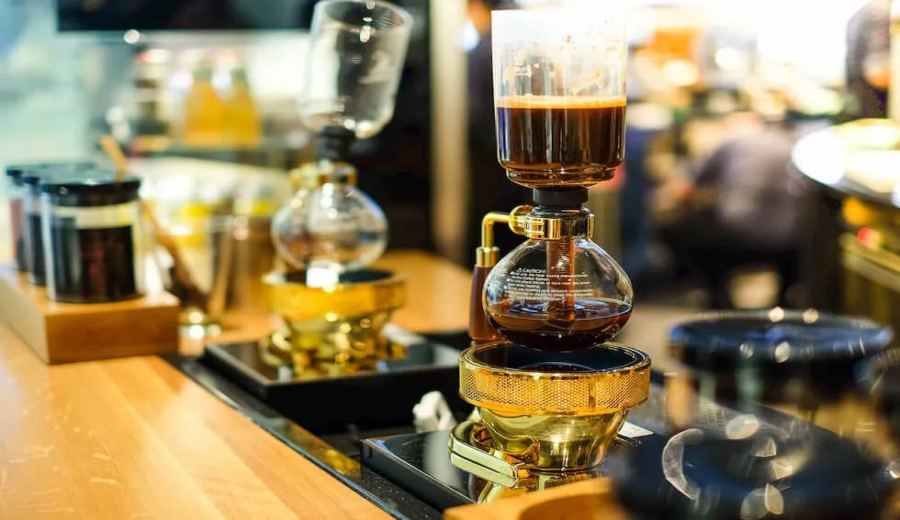
Introduction:Siphon coffee is beloved by coffee enthusiasts for its unique brewing process and rich flavor. This article delves into the structure, heating options, and brewing techniques of the siphon, covering everything from extraction pressure differences to the pros and cons of cloth versus paper filters. It also provides practical parameters for water temperature, coffee dosage, and brew ratios. Additionally, it offers tips on bean selection and cleaning maintenance to help you master this classic technique.
The siphon coffee maker, also known as a siphon pot, is a brewing tool that combines scientific principles with culinary aesthetics. Its origin traces back to Germany, where it utilizes the steam pressure generated by heating the lower chamber to push water up into the upper chamber to mix with coffee grounds. The coffee is then extracted as the pressure changes cause the brewed liquid to siphon back down. This dramatic brewing method is not only immensely popular in Japan but has also gradually gained traction in Taiwan and Hong Kong.
The appearance of the siphon pot often reminds people of glassware found in laboratories, frequently featured in nostalgic movie scenes, exuding an indescribable sense of mystery. However, for true coffee lovers, its charm lies not just in its looks, but in the unique extraction process and the distinctive flavors it delivers.
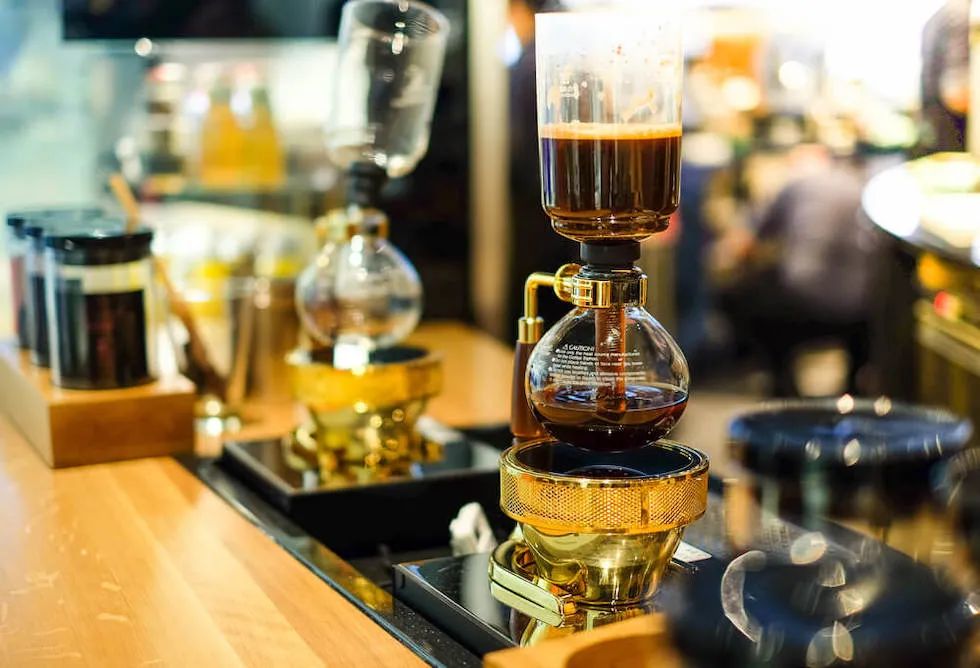
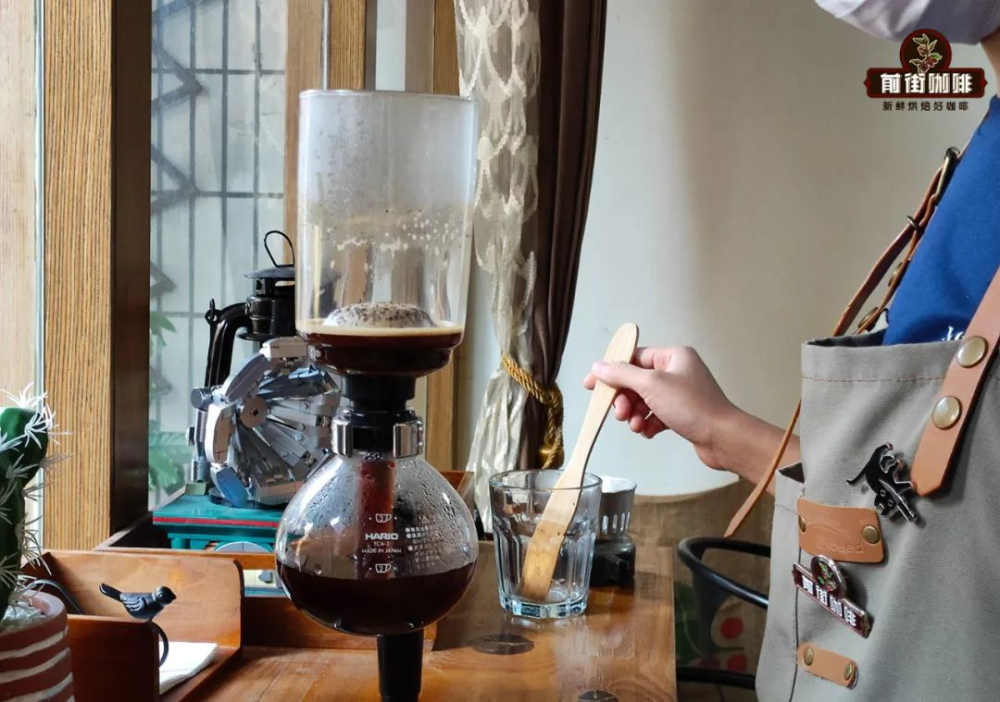
The siphon pot mainly consists of three components: the upper chamber, the lower chamber, and the stand. The lower chamber is typically spherical in design, which helps ensure even heating. The upper chamber is cylindrical with a narrowed bottom connected to a slender tube, sealed by a rubber gasket. When the upper chamber is placed atop the lower one, the gasket creates a tight seal. As the lower chamber heats, steam pressure pushes the water upward through the tube into the upper chamber, where it meets the coffee grounds for extraction.
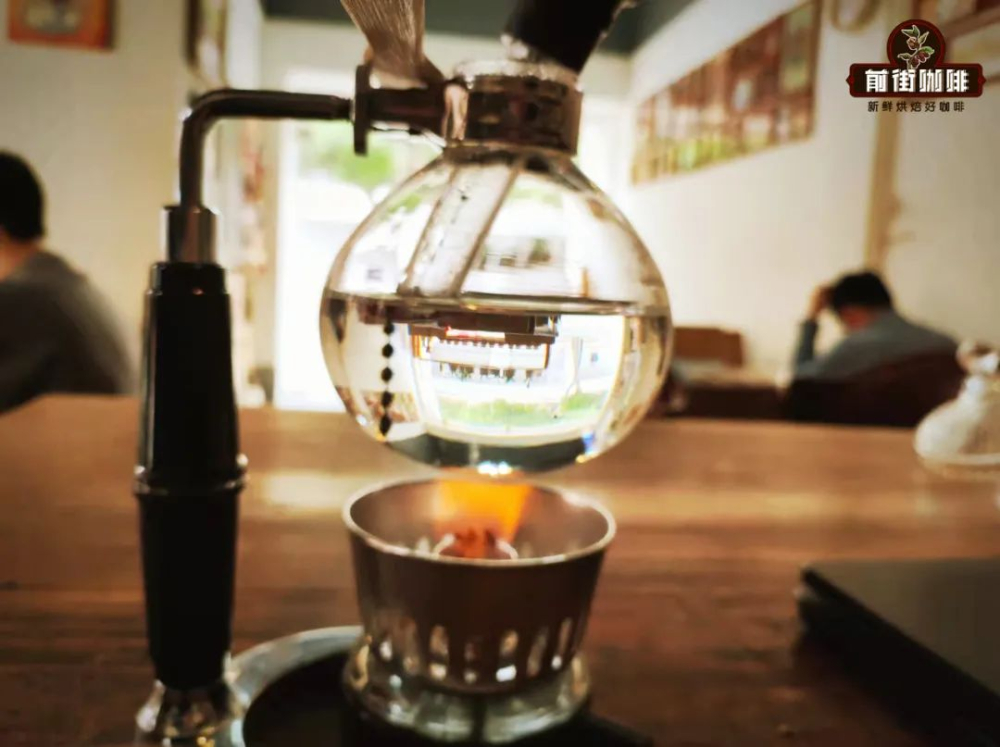
Common heat sources include alcohol burners, gas stoves, and halogen lamps, with alcohol burners being a favorite among many baristas due to their stability and controllable flame. For filtration, there are primarily two types: flannel cloths and circular paper filters. Flannel filters retain more coffee oils, resulting in a richer and smoother mouthfeel, but require careful cleaning and maintenance. Paper filters, on the other hand, remove more fine particles and oils, producing a cleaner cup, ideal for those who prefer a lighter profile. A small but noteworthy detail: the bead-like design on the fabric filter not only helps prevent bumping but also allows you to gauge whether the water has reached optimal temperature by observing the tiny bubbles forming around it.
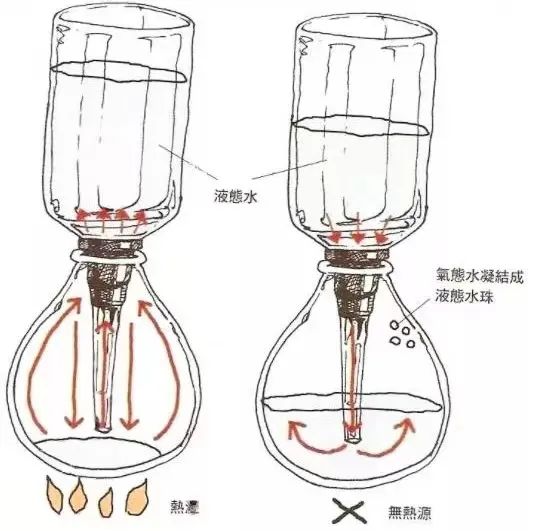
The brewing principle of the siphon relies on pressure differentials. First, the lower chamber is heated until the water boils, generating sufficient steam pressure. The upper chamber is then inserted, creating a high-pressure environment that forces the water up into the upper chamber to mix with the coffee grounds. Once the heat is removed, the pressure drops rapidly, causing a siphoning effect that automatically draws the brewed coffee back down into the lower chamber. To speed up this return process, you can place a damp cloth on the outside of the lower chamber to help dissipate heat and reduce pressure, thus accelerating the coffee’s descent.
To brew an excellent cup of siphon coffee, meticulous control over details is essential. Here’s a step-by-step walkthrough using a practical example: Start by pouring about 180ml of warm water into the lower chamber. Wipe off any moisture on the exterior of the pot with a dry cloth to prevent the risk of explosion caused by gas expansion during heating. Then, light the alcohol burner and place it under the lower chamber to begin heating.
Remove the upper chamber, install the cloth filter, and hook the filter’s fixing ring onto the glass tube at the bottom of the upper chamber. Then, tilt the upper chamber and place it into the lower chamber. When you see continuous small bubbles rising in the lower chamber, it indicates the water is nearing boiling point. At this point, straighten the upper chamber and ensure it is vertically aligned and tightly sealed with the lower chamber.
Once the water has fully risen into the upper chamber, add the pre-ground coffee. It is recommended to use 18 grams of coffee ground to a size where approximately 90% passes through a #20 sieve, using a 1:10 brew ratio (i.e., 180ml of water). Begin by stirring gently clockwise from the outside inward for about 10 seconds to ensure the coffee grounds are fully saturated. Then start timing. Around 40 seconds in, stir again for 5 seconds, then immediately remove the heat source and extinguish the flame. The brewed coffee will then begin to siphon back down. During this reflux process, you can wipe the lower chamber with a damp cloth to help accelerate the descent of the coffee. The entire brewing process typically takes about 1 minute and 10 seconds.
Finally, gently lift the upper chamber and pour the coffee from the lower chamber into your cup to enjoy. Although the resulting siphon coffee may not be as clear and bright as pour over coffee, it boasts a rich aroma and full-bodied texture, with the crema adding an extra layer of depth to the flavor.
After each use, remember to disassemble and clean the flannel filter. It’s best to rinse it with clean water and then soak it in a sealed container to prevent spoilage or odors. If you’re a café owner or a frequent user prioritizing efficiency, the siphon pot might not be your first choice—but for home users or coffee enthusiasts who enjoy slow, hands-on brewing, it’s undoubtedly a fun and rewarding method.
As for the types of beans suited for siphon brewing, medium to dark roasts have traditionally been favored for their bold and full-bodied profiles, with a smooth and balanced taste. Classic origins such as Blue Mountain, Mandheling, Brazil, and Papua New Guinea are all great choices. However, as specialty coffee trends evolve, more diverse beans can now showcase their unique characteristics through the siphon. If you’re looking to explore classic flavors, try beans with prominent nutty notes like Huelan, the so-called “Little Blue Mountain” from Paradise Bird, or fruity Strawberry Candy—each with its own distinct personality and adaptability to different brewing methods. Feel free to experiment based on your personal preferences.
The above content is compiled by CoffeeHunters, a coffee news website.


