







Introduction:Indonesian Mandheling is one of the world’s most iconic specialty coffees, celebrated for its bold and rich profile, and among its ranks, Golden Mandheling stands out even further due to its stringent selection process and high-quality processing. This article will explore the regional characteristics of Sumatran Mandheling in Indonesia, the wet-hulling (Giling Basah) method, introduce the grading and defect rate standards of Golden Mandheling by PWN, and provide practical pour over parameters and brewing tips. This will help you fully grasp this classic Southeast Asian coffee in terms of flavor, grade, and brewing.
Mandheling coffee originates from Sumatra, Indonesia, and is one of the most representative specialty coffees in the region, beloved for its intense body and unique bitter-sweet flavor profile. Among them, “Special Mandheling” and the even higher-grade Golden Mandheling enjoy extremely high acclaim in the market. What exactly are the selection criteria behind these grades? What about the pricing and pour over recommendations for Golden Mandheling? This article will take you from regional background and processing methods all the way to practical extraction advice, helping you gain an in-depth understanding of this Southeast Asian classic.
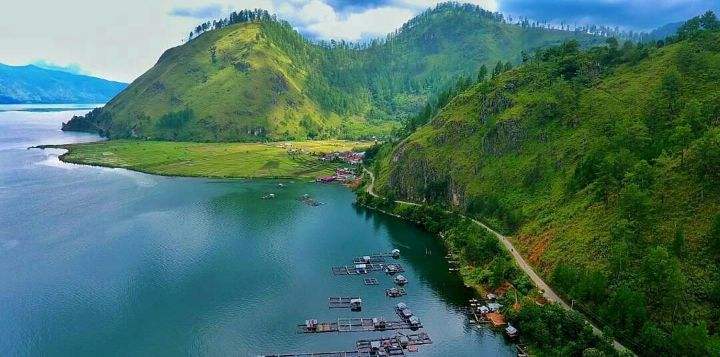
Indonesia is not only the largest coffee-producing country in Asia but also one of the few regions globally renowned for its unique processing methods. Mandheling coffee is produced on the island of Sumatra, which lies near the equator, features active volcanoes, and has soil rich in minerals due to volcanic ash deposits. Coupled with high-altitude terrain and diverse microclimates, it provides an ideal environment for coffee cultivation. Sumatran Mandheling is mainly divided into two major systems: the Lintong region centered around Lake Toba, and the Aceh region dominated by Lake Tawar, commonly referred to as the “Two Lakes, Two Mandhelings.”
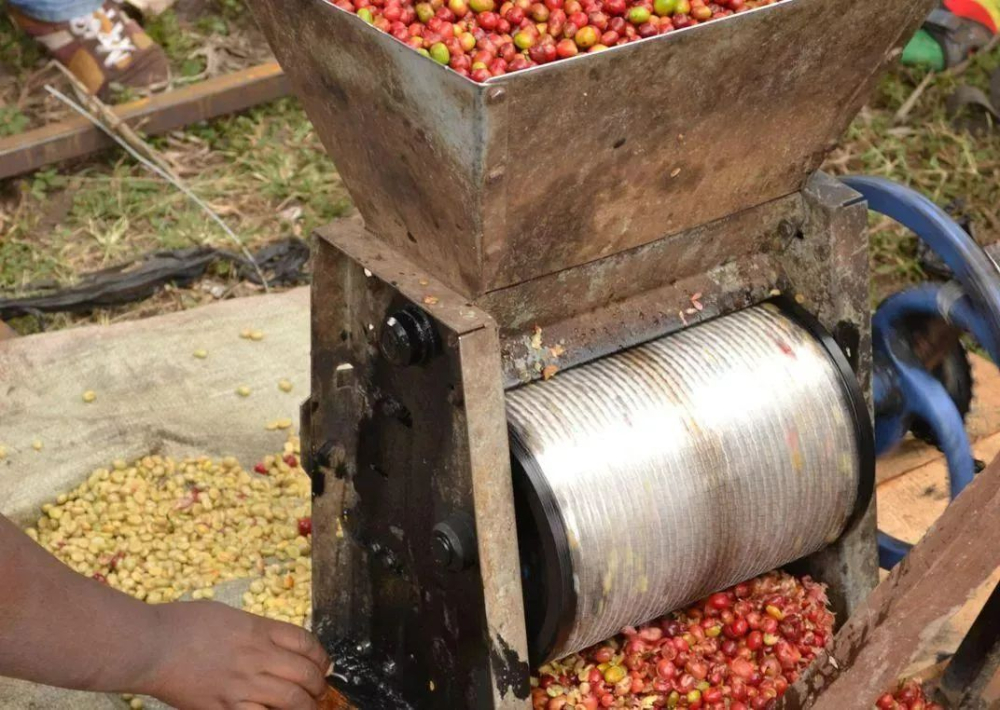
In terms of processing methods, Indonesian coffee is most famous for its “wet-hulling (Giling Basah)” method. Due to the perpetually humid and rainy climate, it is difficult to perform long-term sun drying or precise washed processing as in Central and South America or Africa. Therefore, farmers remove the parchment layer while the beans are still in a semi-dry state and continue with subsequent drying. Although this processing method increases the complexity of fermentation flavors, it also tends to bring earthy, woody, and spicy undertones, creating the unique flavor profile of Mandheling.
The Golden Mandheling used here comes from PWN, a well-known green bean supplier in Indonesia. This coffee is not only positioned as a premium product in the market but is also renowned for its rigorous selection process. Observing its sack labels, you’ll often find terms like “Triple pick” and “GRADE 1,” indicating that these beans have undergone three rounds of manual sorting and meet Indonesia’s highest Grade 1 standard.
Indonesia’s green bean grading is primarily based on the number of defective beans, supplemented by bean size. Generally, the Grade 1 standard requires no more than 11 defective beans in a 300-gram sample, which is already a very high purity requirement. PWN takes this a step further by not only performing multiple hand sorts but also using machines to screen for density and color before packaging, ensuring consistent quality and a bright appearance for each bean. This is why Golden Mandheling stands out in the market and is considered a premium choice by many coffee enthusiasts.
In terms of actual tasting, properly roasted Golden Mandheling exhibits a high level of clarity and distinct aromatic layers. Upon tasting, it presents a full and solid body, often accompanied by flavors of nuts, caramel, chocolate, and subtle spices such as cinnamon, with a long and balanced aftertaste. The retail price of Golden Mandheling is 89 RMB for 227 grams, and if you order a pour over single origin at the café, it costs about 30 RMB per cup—very affordable and perfect for both coffee newcomers and connoisseurs wanting to experience high-end Mandheling flavors.
To brew Golden Mandheling at home and achieve a quality close to that of the café, it is recommended to adjust according to the following professional parameters: the suggested water temperature is 87~88°C, the grind size should be medium-coarse (approximately 70% passing through a Chinese standard No. 20 sieve), with a coffee dose of 15 grams, using a 1:15 coffee-to-water ratio, for a total brew water volume of 225 grams, completed in three pours.
The specific steps are as follows: First, perform a bloom with twice the amount of coffee dose (about 30 grams) of water for approximately 30 seconds to allow the coffee grounds to expand and release aroma; then pour water in small streams in circular motions from the inside out to 125 gramsfor the first pour; once the water level drops to the middle of the filter cone, pour again with the same fine stream to 225 grams, then wait for the drawdown to finish. The overall brew time should be controlled around 2 minutes, and it is recommended to gently swirl the coffee after brewing to ensure even flavor distribution.
To enhance the body and stabilize the flow rate, it is recommended to use a KONO filter cone. This cone features ribs in only one quarter of its area; as the water level rises, the filter paper space decreases and internal pressure increases, effectively extending the contact time between coffee grounds and water. This helps extract more soluble substances, further enhancing the body and sweetness, making it highly suitable for medium to dark roasted Mandheling or similar-flavored beans.
In summary, Mandheling from Sumatra, Indonesia, especially the rigorously selected Golden Mandheling, is a specialty coffee with intense flavor and rich layers. Whether you are a beginner just starting to explore the world of pour over or a coffee enthusiast seeking a stable and full-bodied taste, mastering the right green bean grade, processing characteristics, and pour over extraction parameters will allow you to fully appreciate the unique charm of this classic Southeast Asian coffee.
The above content is compiled by CoffeeHunters, a coffee news website.


