







Introduction:Blue Mountain coffee is hailed as one of the world’s top-tier coffees, not only for its rare production but also for its uniquely balanced flavor. However, with numerous counterfeits on the market, learning how to identify authentic beans, understand its grading system, and grasp its historical quota system has become essential knowledge for every coffee enthusiast. This article takes you through certification labels, grade distinctions, and brewing techniques to deeply explore the mysteries of Blue Mountain coffee, and provides two practical extraction methods—pour over and moka pot—so you can experience the true Blue Mountain flavor at home.
Renowned for its rarity and delicately balanced taste, Blue Mountain coffee has long been regarded as the pinnacle of the coffee world. Due to the lack of formal import channels in Taiwan and mainland China in earlier years, Blue Mountain coffee became even more precious, with some even claiming that “it’s impossible to find genuine Blue Mountain coffee domestically.” However, as the market gradually opens up, sourcing Blue Mountain coffee is no longer difficult today. Yet, discerning authenticity among numerous products and understanding its grading and origin systems remain key concerns for many consumers.
To correctly select Blue Mountain coffee, first pay attention to the certification marks on the packaging. For retail packages, look for the “Jamaica Blue Mountain” trademark authorized by the Jamaica Coffee Industry Board (CIB) and the round Blue Mountain certification logo. If the product comes from well-known brands such as UCC, although it may not display CIB certification, it is still highly credible. For bulk coffee beans, you can request to see the certificate of origin to confirm whether it was shipped in official 70-kilogram wooden barrels certified by Jamaica.
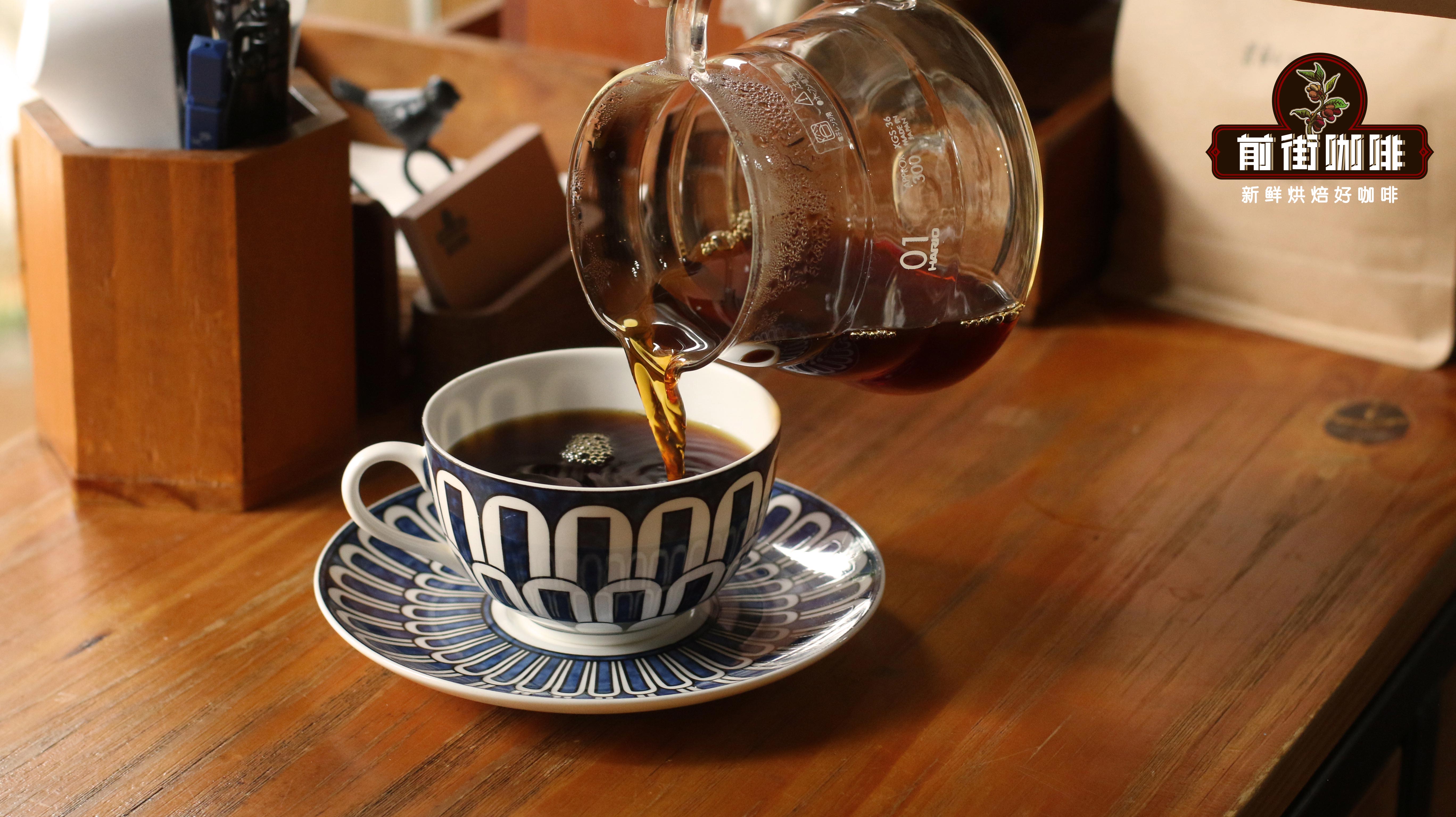
The CIB, or Jamaica Coffee Industry Board, is the official body responsible for regulating the country’s coffee production and exports, and it also holds exclusive rights to the renowned Wallenford Estate in the Blue Mountain region and the “Jamaica Blue Mountain” trademark. Only coffee grown in specific areas of the Blue Mountain range at elevations above 671 meters (approximately 2,200 feet) qualifies to use the Blue Mountain certification label—this is a key reason why Blue Mountain coffee is so unique. Products bearing thisround Blue Mountain logocan be considered authentic Blue Mountain coffee.
As for the grading of Blue Mountain coffee, it is mainly distinguished based on bean size, screen size number, and defect rate. The highest grade isBlue Mountain No.1, which uses S-17/18 screen sizes with a defect rate below 2%, making it the most esteemed grade. Next are No.2 and No.3, with progressively lower screen numbers and smaller bean sizes, but the defect rate is similarly controlled within 2%. Meanwhile,Blue Mountain Peaberry, formed due to abnormal development, are typically round-shaped beans that usually make up over 96% of the lot and are also considered a distinctive grade, often noted for their more concentrated and brighter flavor profile. Additionally, there isBlue Mountain Triage, which is a mixed grade with a defect rate that can reach up to 4%.
Coffee produced outside the legally defined Blue Mountain region is categorized as High Mountain, Jamaica Prime, or Jamaica Select. Although these are not genuine Blue Mountain coffee, they still offer good quality and are suitable for budget-conscious consumers seeking a similar flavor experience.
There is also an interesting history behind the quota system for Blue Mountain coffee. In 1972, after Hurricane Gilbert severely damaged Jamaica’s coffee industry, Japan’s UCC provided aid, and in return, the Jamaican government allocated 90% of the annual Blue Mountain production quota to Japan, with the remainder distributed to Europe and the United States. As a result, Japan has long dominated the majority of the global Blue Mountain coffee market, contributing to its high price. Even so, some UCC products, due to market monopolies, did not display the CIB certification on their packaging, but they were still sourced from the orthodox Blue Mountain region.
The main variety of Blue Mountain coffee is the ancient Typica, characterized by its oval shape and relatively thin sides. Even when grown at different altitudes, the appearance of green beans shows little variation. This variety originally came from Ethiopia, then traveled through Yemen, India, Indonesia, and eventually the Caribbean, where it developed into the unique Blue Mountain variant in Jamaica.
To fully showcase the delicate flavors of Blue Mountain coffee, the brewing method is crucial. Below are two classic extraction methods: pour over and moka pot, allowing you to easily enjoy the charm of this premium coffee at home.
How to Brew Blue Mountain Coffee via Pour Over (Using KONO Filter Cone as an Example):
It is recommended to use 15 grams of Blue Mountain No.1 coffee beans, ground to a coarseness where about 75% passes through a Chinese No.20 sieve—or roughly equivalent to EK43s grind setting 10.5—with a brew ratio of 1:15 and water temperature controlled at 87–88°C. First, place the filter paper in the KONO cone, rinse it with hot water to wet and preheat the cone, then discard the rinse water. Add the coffee grounds into the cone and gently level them. Begin with the first pour of 30 grams of water for a 30-second bloom; then proceed to the second pour up to 125 grams, maintaining a steady pouring pace; when the water level drops halfway, pour again up to a total of 225 grams. The total extraction time should be around 2 minutes. The resulting pour over Blue Mountain coffee offers a rich and mellow flavor, with lingering notes of chocolate, nuts, and almonds, and develops sweet caramel and creamy undertones as it cools.
How to Brew Blue Mountain Coffee as an Americano Using a Moka Pot:
Use 20 grams of Blue Mountain No.1 coffee beans ground to the coarseness of fine sugar. It is recommended to use hot water to reduce the risk of over-extraction. Start by adding hot water to the lower chamber of the moka pot, keeping the water level about 0.5 cm below the safety valve. Fill the coffee grounds into the filter basket, tamp lightly to level, and then assemble the moka pot. Heat over medium-low flame; once you hear a hissing sound from inside, reduce the heat and open the top chamber lid to observe the coffee flowing out. When the liquid in the upper chamber reaches about half capacity, turn off the heat and let residual heat finish the extraction. Finally, pour the coffee into a cup and add an appropriate amount of hot water to adjust the strength, and enjoy a cup of Blue Mountain moka americano with rich roasted aroma, nutty tones, and chocolate notes.
The above content is compiled by CoffeeHunters, a coffee news website.


