








Introduction:Blended coffee beans are not just randomly mixed—they are a refined craft that combines beans from different origins, processing methods, and roast levels. This article delves into the core purposes of coffee blends, the differences between commercial and flavor-driven blends, and compares espresso blends with single-origin SOE beans. Through scientific calculations and sensory cupping, we’ll guide you in mastering blend ratios, roasting strategies, and practical steps to create balanced and layered coffee flavors.
The original intentions behind blended coffee beans are diverse, but the ultimate goal is often to create a complex flavor profile that a single-origin bean alone cannot achieve. Commercially, blending helps balance costs and maintain consistent taste, ensuring a uniform flavor profile regardless of yearly variations in coffee-growing regions.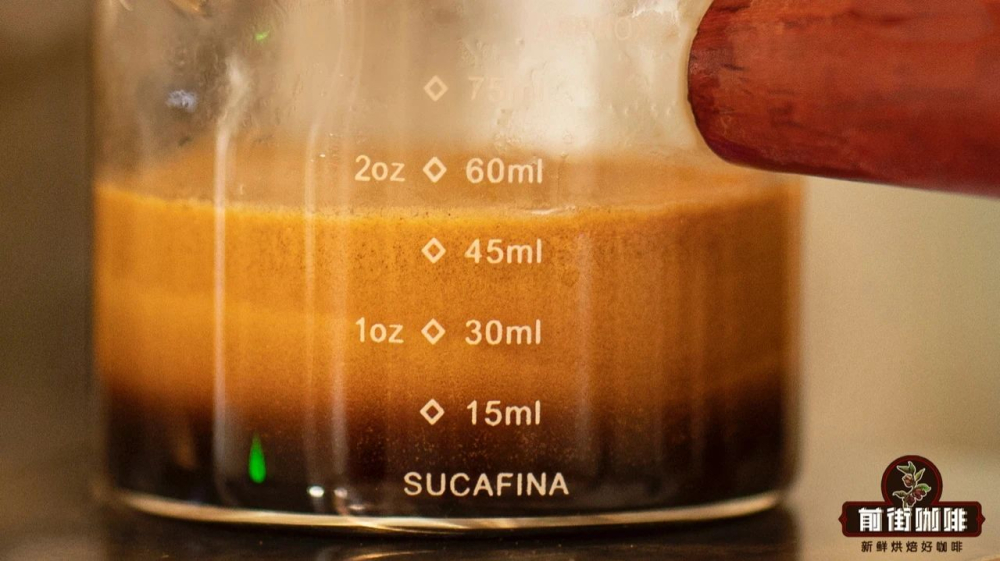
However, truly quality-focused blending requires an in-depth understanding of each coffee’s characteristics. If the resulting blend is no better than a single-origin bean, it loses its purpose. Most coffees have certain flavor flaws—such as a lack of complexity, weak acidity, or an overly dominant note—and blending can complement these weaknesses, creating a richer and more harmonious taste.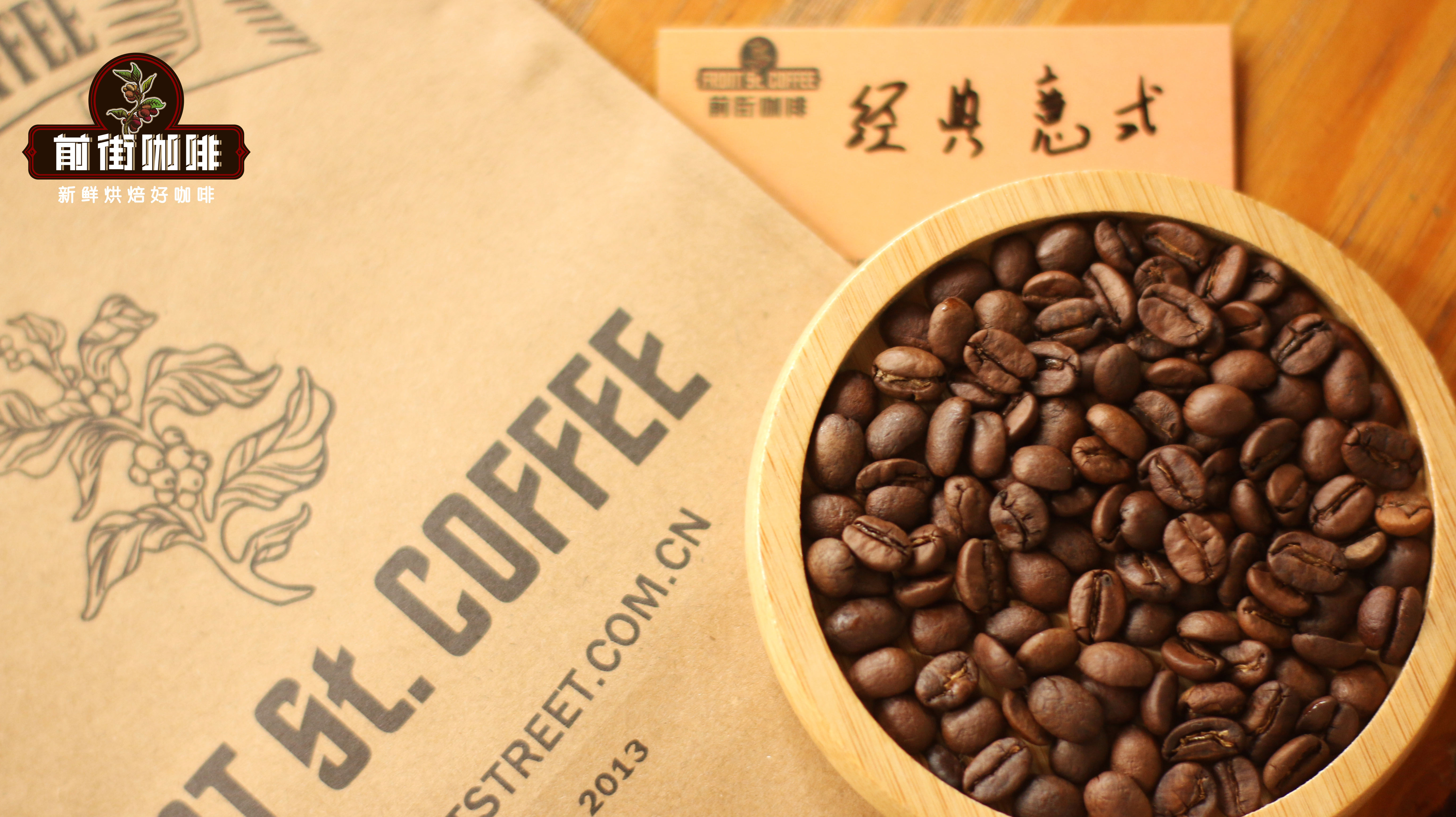
Blending is not simply mixing—it's akin to color mixing, requiring both skill and inspiration. If two single-origin beans have clashing profiles, they may suppress each other’s strengths. Therefore, blending is more like an art form, combining experience, intuition, and scientific logic. It’s generally recommended to use no more than five types of beans to avoid excessive complexity that could muddy the flavor.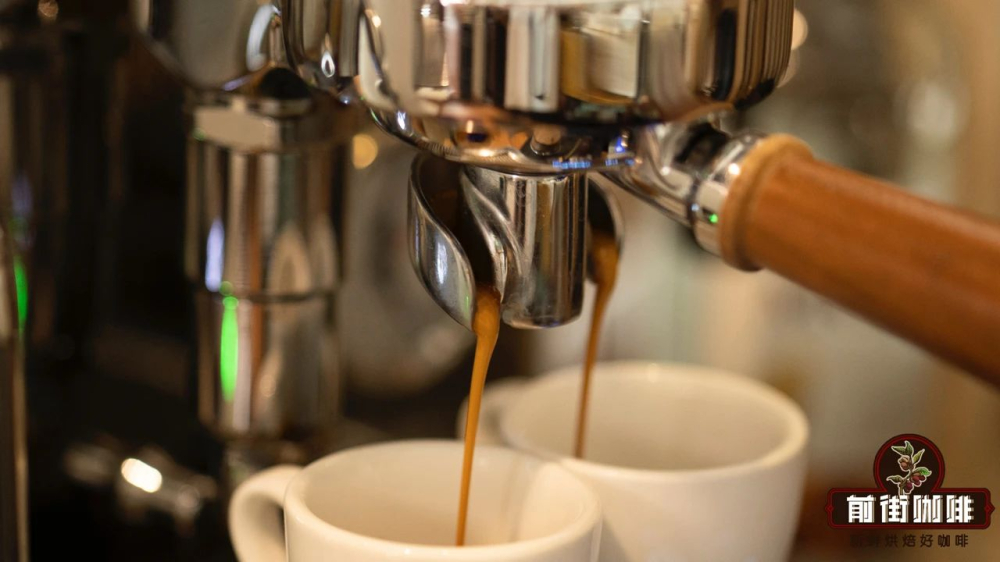
The sequence of blending and roasting is closely related: blending before roasting is called “green blending,” which ensures consistent roast levels but requires beans of similar grind sizes; blending after roasting is called “roasted blending,” allowing for optimized roast curves tailored to each bean’s characteristics, balancing strengths and weaknesses. In practice, most coffees can be roasted together, with separate roasting considered only in special cases—especially since drum roasters are better at maintaining balance.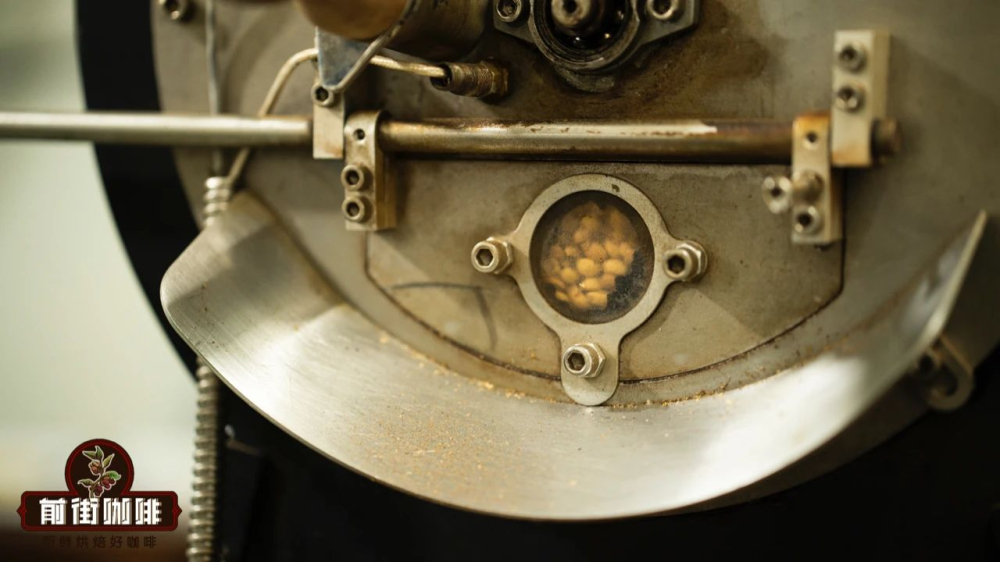
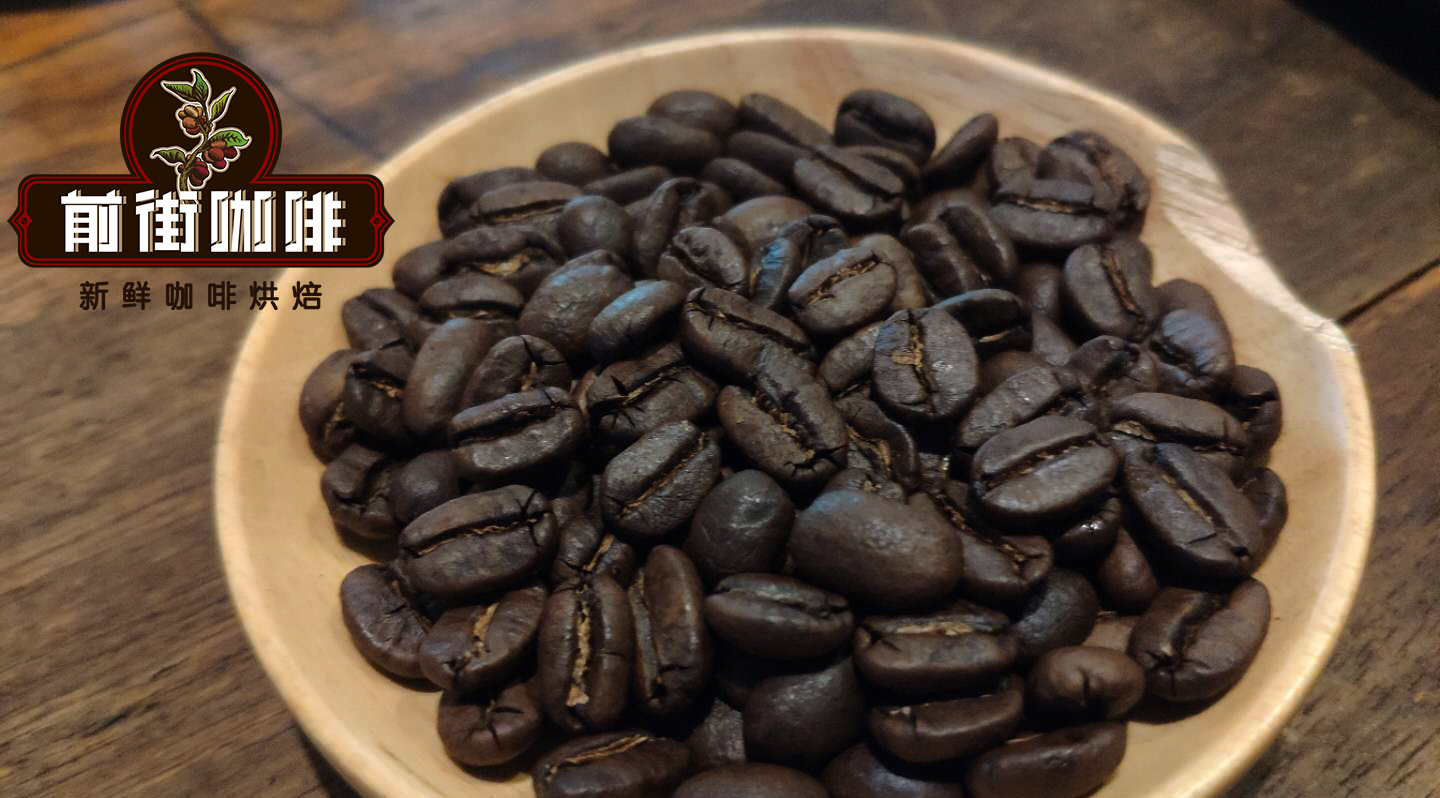
Before blending, three key elements must be clarified: first, define the target flavor profile; second, understand the characteristics of each bean—including processing method (washed or natural), origin (e.g., Central and South America, Southeast Asia, Africa), all of which are explored through cupping. Finally, assign a role to each bean in the blend—such as enhancing body, highlighting acidity, or adding sweetness.
Principles of blending include: selecting beans with distinctly different profiles to avoid flavor similarities; limiting the number of bean varieties to 2–6, and avoiding equal ratios (e.g., 1:1) to prevent mutual suppression; and systematically experimenting and adjusting through cupping to gradually approach the optimal combination. Green processing methods, origins, and roast levels are all key variables.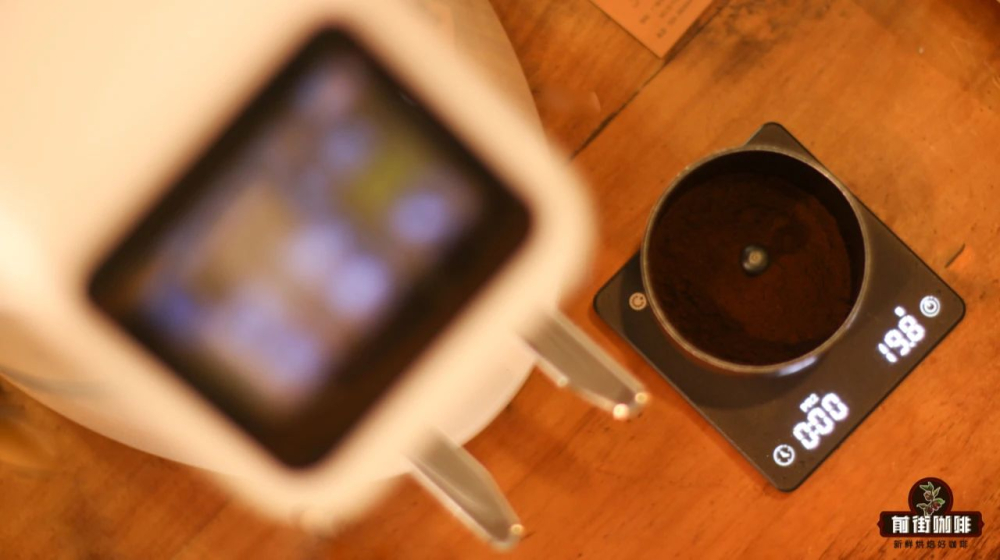
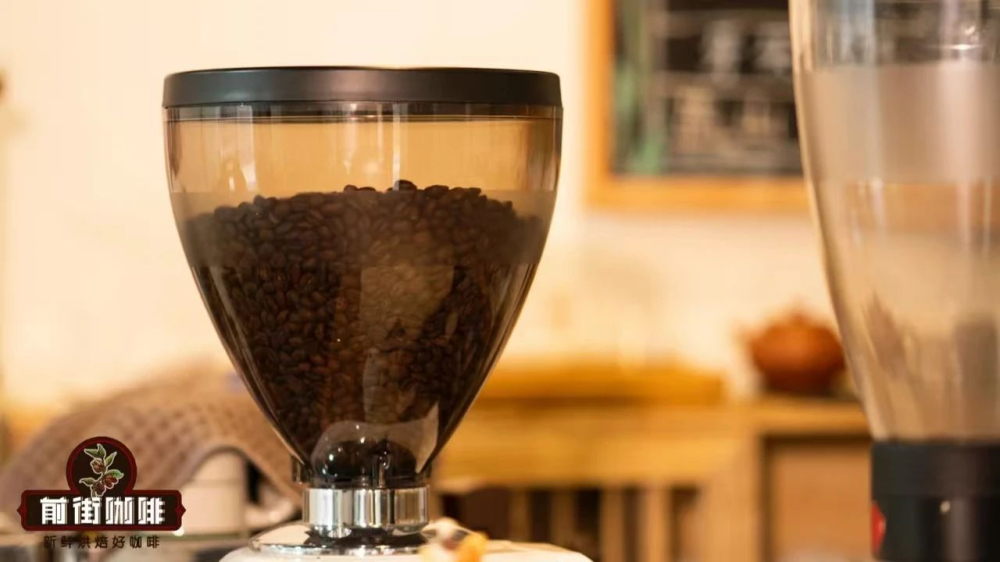 Practical blending examples can refer to the following classic combinations: one is a 7:3 roasted blend of Honduran Sherry and Ethiopian Yirgacheffe Red Cherry, offering intense wine-like aromas and berry notes, suitable for espresso seekers pursuing unique flavors; another is a 3:7 roasted blend of Colombian and Brazilian beans, balancing sweetness and bitterness with grassy undertones, ideal for most specialty coffee shops; a third is a 3:6:1 green blend with the addition of Robusta, adding crema and classic caramel tones, suitable for commercial-scale cafés; the fourth is a 3:7 roasted blend of Yunnan AA and Brazilian beans, showcasing soft fruity acidity and dark chocolate notes, fitting for small shops or pairing with baked goods.

 Each blend has its unique flavor profile and application scenario—whether emphasizing body, fruit acidity, or crema—all achievable through scientific proportions and sensory adjustments. The art of blended coffee lies in the finesse of details and continuous experimentation. Only with a balance of experience and inspiration can one craft a coffee experience that lingers long after the last sip.
The above content is compiled by CoffeeHunters, a coffee news website.

