







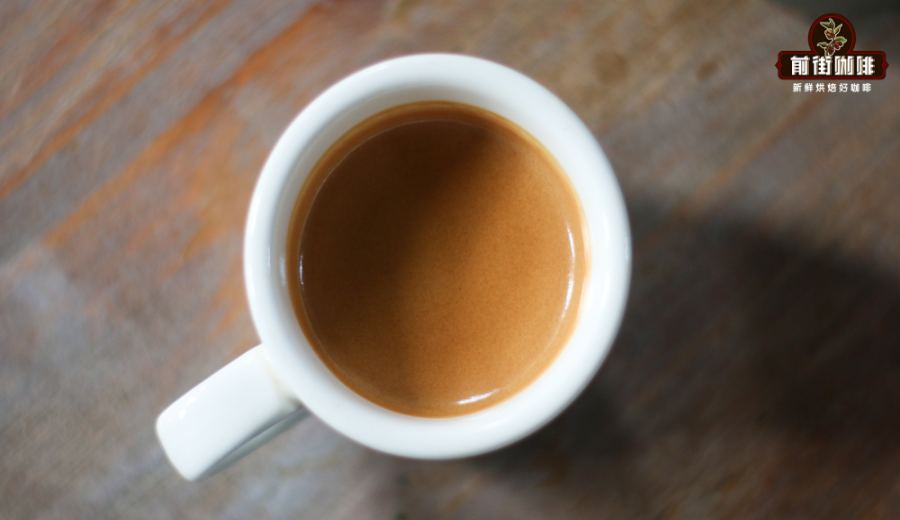
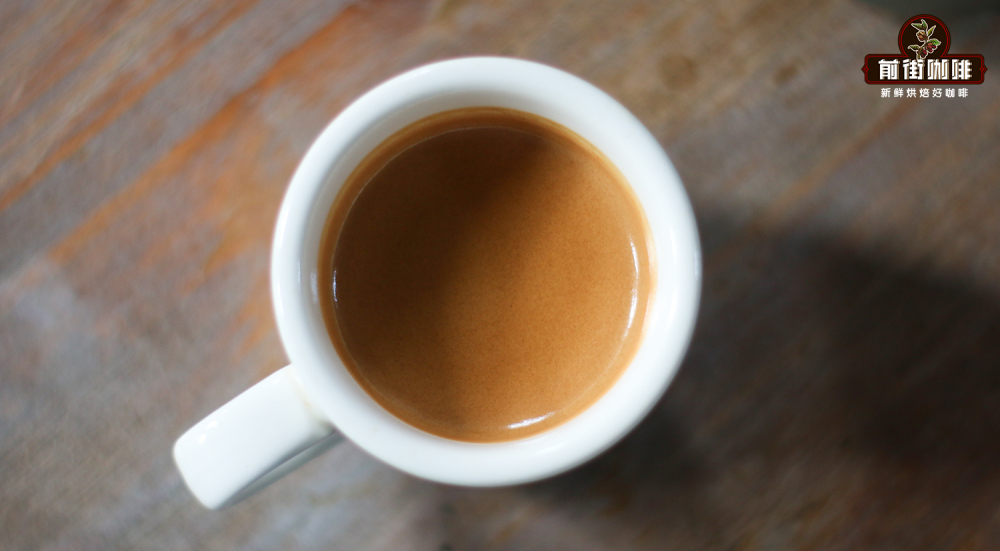
Introduction:To brew a rich and full-bodied espresso, choosing the right coffee beans is key. This article delves into the ideal roast level for espresso, the differences between single-origin (SOE) and blended beans, and recommends 4 classic blends with varied flavor profiles—from budget-friendly to high-end specialty—to suit all preferences. It also breaks down key parameters such as extraction time, coffee-to-water ratio, water temperature, and pressure to help you achieve the perfect crema and taste.
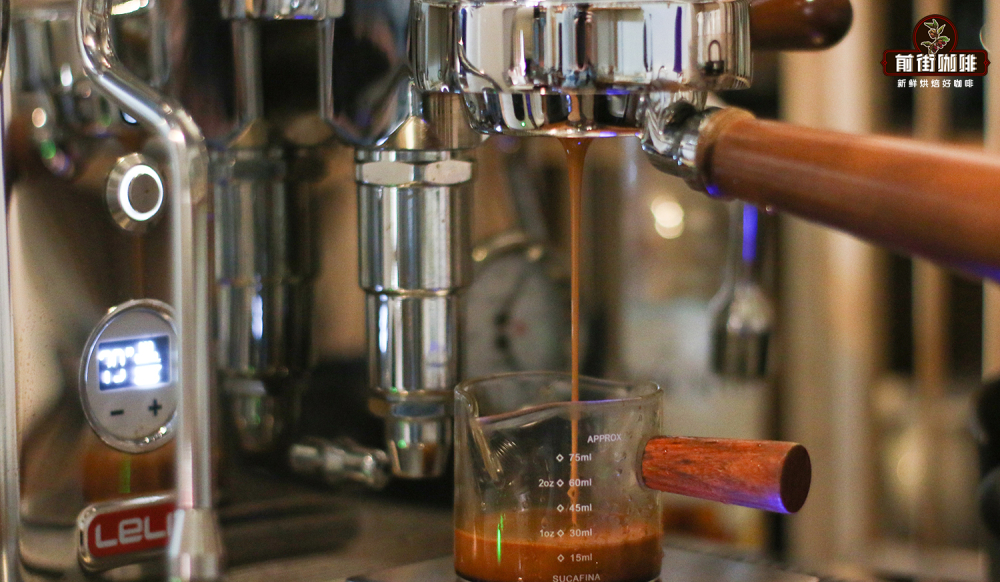
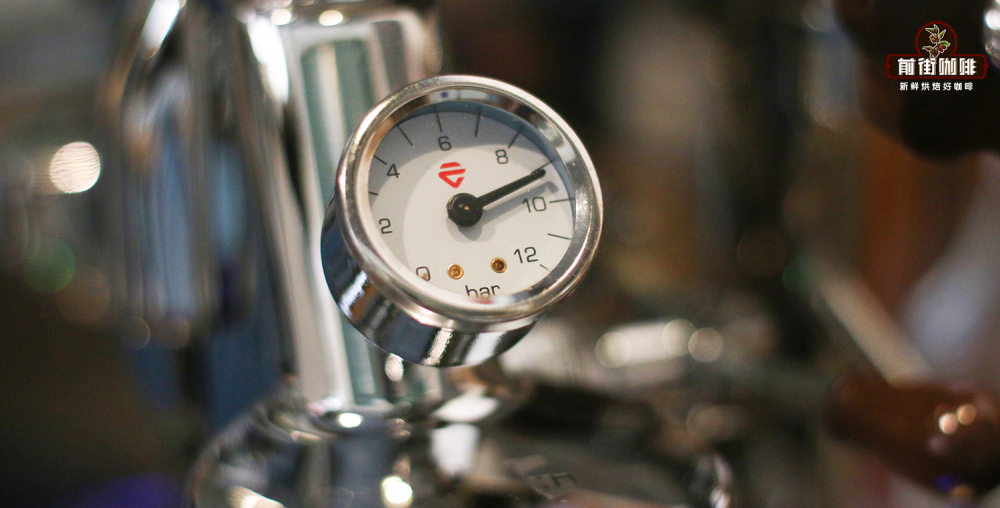
Espresso is renowned for its bold and intense flavor and serves as the base for many coffee beverages. It is made by forcing hot water at around 92°C through finely ground coffee under high pressure (9 bar). However, many people are unsure where to start when selecting beans, not knowing which type is best suited for their espresso machine. Understanding the characteristics of coffee beans and the principles of extraction is the first step toward brewing the perfect espresso.
Roast level is the primary consideration when choosing espresso beans.Generally speaking, light-roasted beans tend to have pronounced acidity and less crema, often resulting in a sharp and thin taste when used for espresso—making them unsuitable for those seeking a rich espresso experience. Therefore, it’s recommended to choose medium-dark to dark roasted beans to bring out the flavors of chocolate, caramel, and nuts. When purchasing, be sure to check the roast level indicated on the packaging or whether it’s specifically labeled as suitable for espresso machines.
In the world of espresso, there are two main types: blends and single-origin espressos (SOE). SOEs are made from beans sourced from a single origin and can showcase the unique flavor characteristics of that region—such as bright citrus notes or rich fruitiness. However, if the origin’s flavor profile is not prominent or has defects, these traits can be amplified in espresso, requiring higher skill in bean selection and brewing techniques. In contrast, blends combine beans from different regions in specific proportions to create a balanced and stable flavor profile. Blends can also be adjusted flexibly each season to maintain consistency.
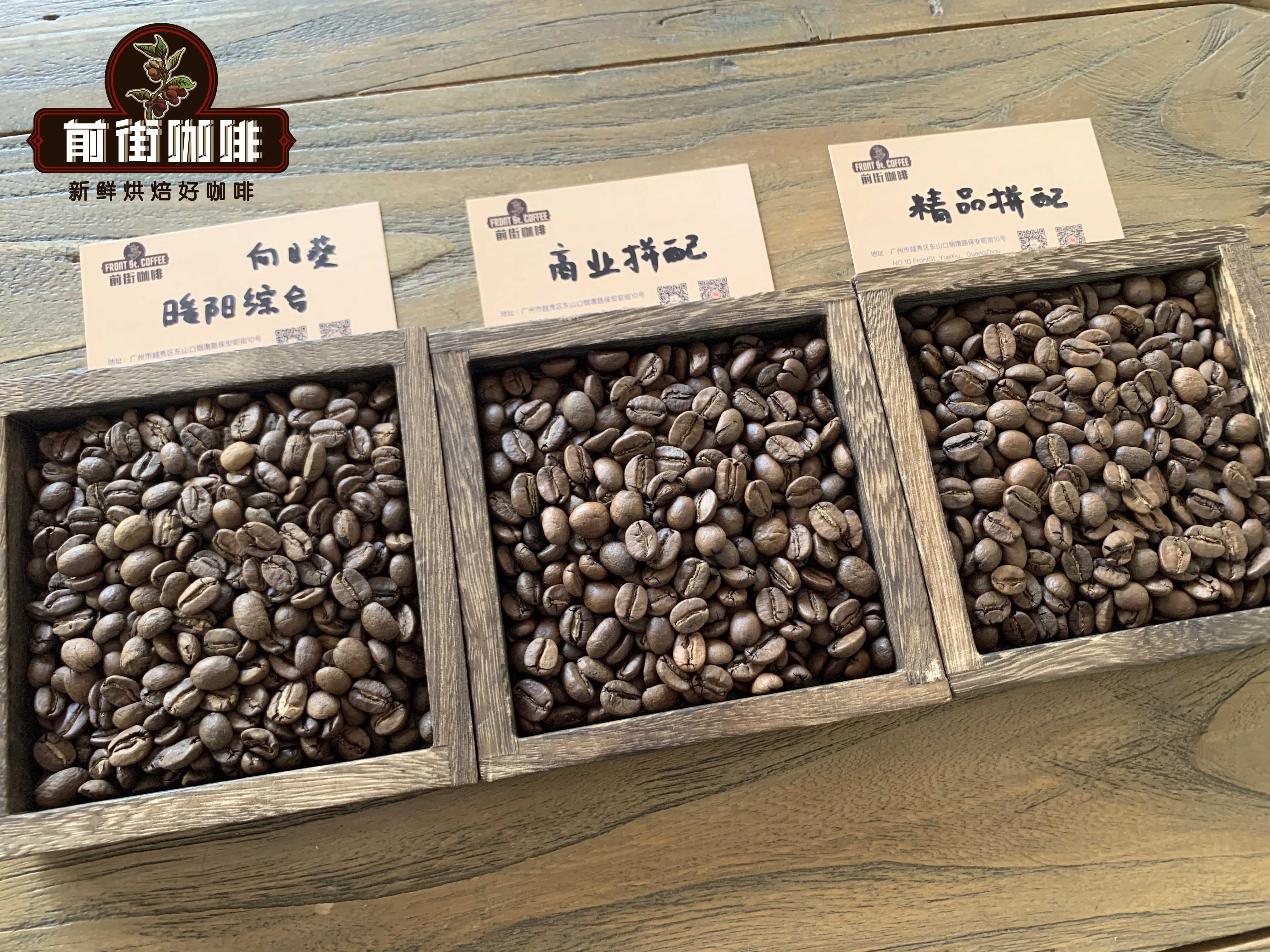
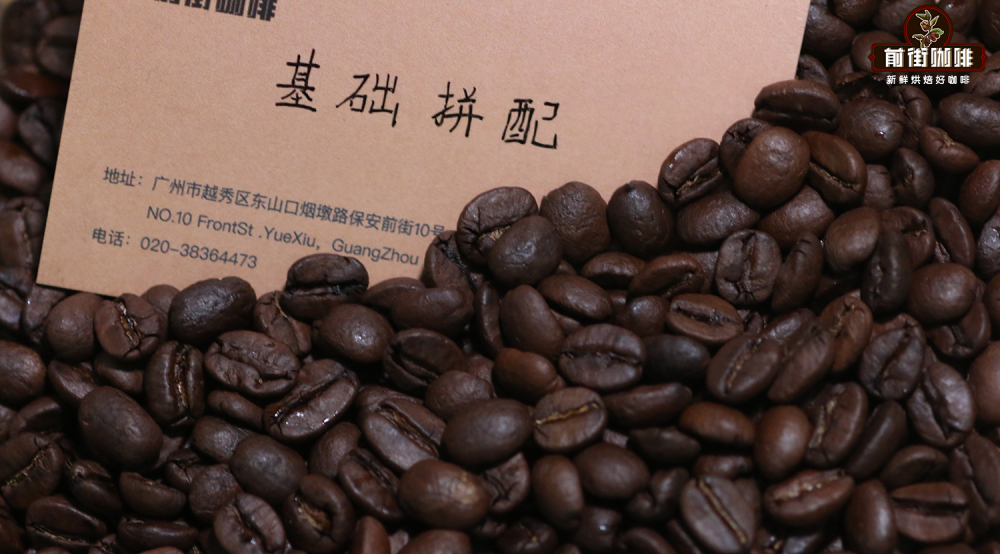
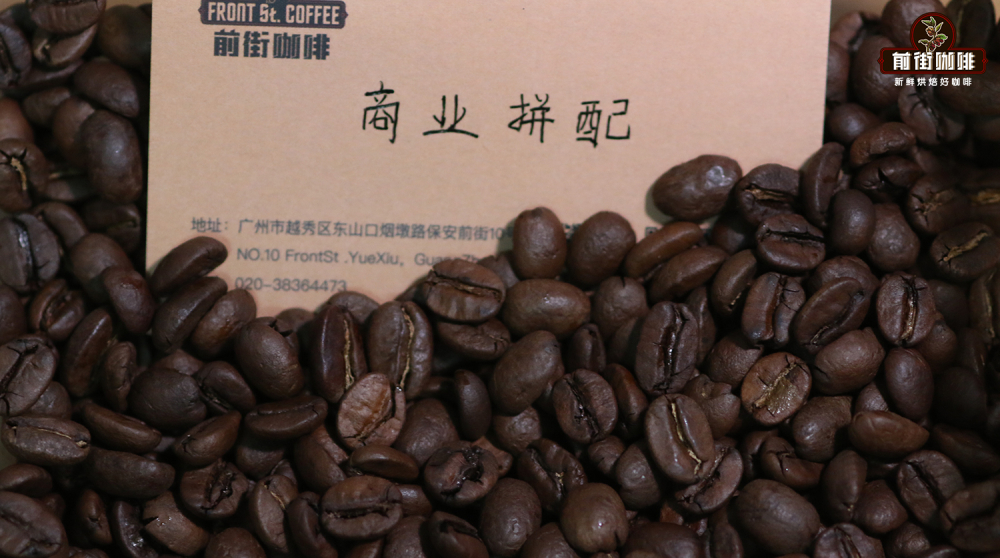
Below are four classic espresso blend compositions and their features,suitable for coffee lovers with different needs and budgets. First is the basic budget-friendly blend, made with 70% Brazilian Red Bourbon and 30% Chinese Yunnan Arabica. It emphasizes high cost-performance, delivering classic notes of nuts, cream, and dark chocolate—ideal for daily drinking or small cafés. Next is the commercial-grade bold blend, consisting of 30% Colombian, 60% Brazilian, and 10% Robusta. It highlights intense nutty-chocolate tones and a thick crema, with mild bitterness suitable for high-volume café settings.
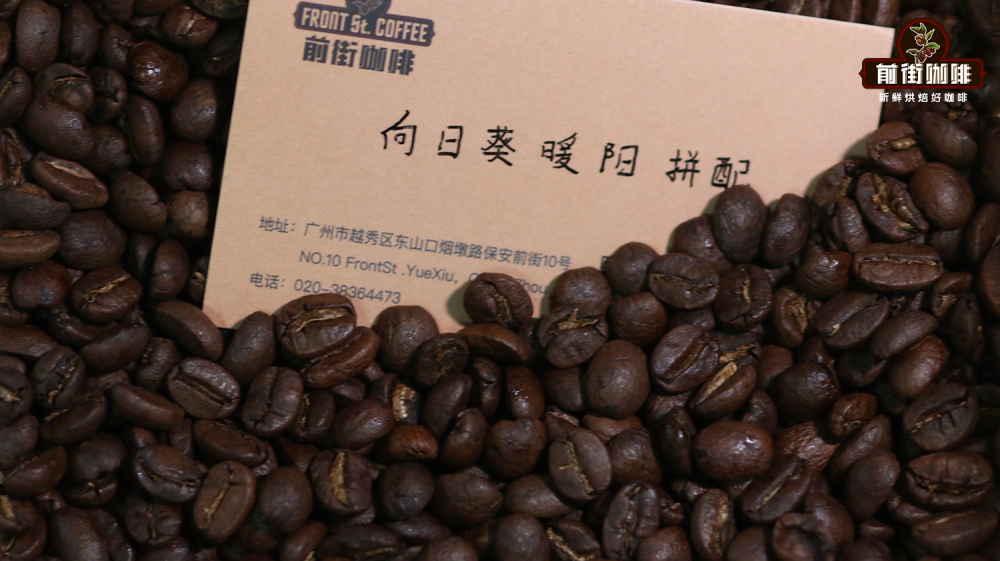
The premium-grade blend is based on 70% Brazilian and 30% Colombian Arabica beans, offering the classic espresso profile—nut and chocolate as the main notes, paired with delicate crema and subtle fruity acidity. It suits users seeking quality and balance. Lastly, the specialty-flavored blend "Sunflower Warm Sun" is composed of 70% Honduran Sherry and 30% Ethiopian Yirgacheffe Red Cherry. It features fermented wine-like aromas and bright acidity, with a unique and layered flavor profile, perfect for adventurous drinkers or those looking for a special tasting experience.
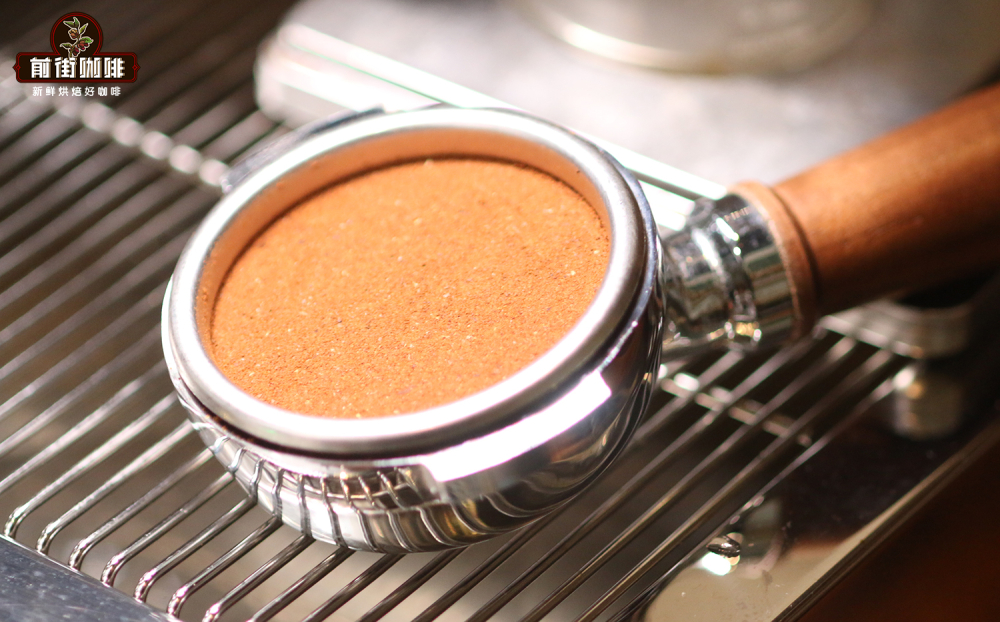
Besides selecting beans,espresso extraction parameters are equally crucial.The amount of coffee grounds is usually determined by the portafilter basket capacity. A common double basket typically holds 16g to 22g, and it’s recommended that the actual dose stays within ±1g of the labeled value—too much or too little can affect puck density, leading to uneven flow or extraction. For the coffee-to-water ratio, a traditional single shot uses 7–8g of coffee to yield 25–30ml of espresso. However, today the ratio is more commonly expressed as coffee weight to liquid weight, typically ranging from 1:1.5 to 1:2.5. A 1:2 ratio (e.g., 20g coffee yielding 40g liquid) is recommended to balance richness and clarity of flavor.
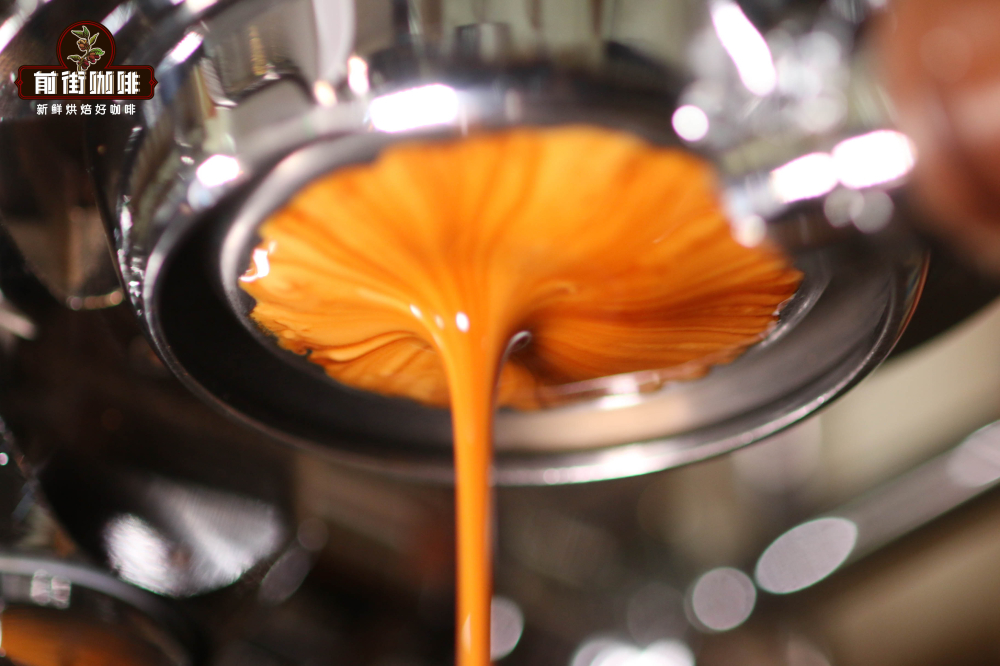
Extraction time is generally kept between 20–30 seconds. Too short may result in under-extraction and weak flavor, while too long can lead to over-extraction and bitter, astringent tastes. Flow rate is another key indicator—if the first drop appears around 5 seconds after starting and maintains a steady pace, it’s ideal. If the flow is too slow, the grind may be too fine or the tamp too firm; if too fast, the grind may be too coarse or the puck not dense enough. Extraction pressure is typically maintained at 9 bar, and water temperature is recommended to be set between 90–94°C—too high may cause over-extraction and bitterness, while too low can result in under-extraction and sourness.
Mastering these key elements not only improves the quality of your espresso extraction but also allows you to fine-tune the flavor profile to your liking. Whether you’re a beginner or a barista aiming to refine your skills, understanding these principles and practical tips will help you brew espresso that meets and exceeds your expectations.
The above content is compiled by CoffeeHunters, a coffee news website.

