








Introduction:The moka pot is the go-to choice for many coffee enthusiasts when making espresso-style drinks at home, but when it comes to choosing between single-valve and double-valve designs, many are unsure which to pick. This article delves into the working principles and extraction differences of the two valve types, offers beginner-friendly selection advice, and recommends suitable coffee bean types and roast levels for moka pot brewing to help you master the key techniques and brew rich, smooth espresso at home.
The original moka pot had neither single nor double valves. This device, which uses steam pressure to quickly extract coffee, changed the previous limitation of only being able to enjoy espresso in coffee shops, allowing home users to easily access high-concentration coffee. As the coffee market began to pursue more complex flavor profiles, the double-valve moka pot with a pressure-release valve has only become popular in recent years.

The main difference between single-valve and double-valve moka pots lies in their spout structures. The single-valve design has no additional pressure restrictions, allowing the coffee to flow out naturally at lower pressure. In contrast, the double-valve moka pot is equipped with a pressure-release valve at the spout, which requires higher pressure to open, resulting in coffee that is generally richer in concentration and flavor complexity.
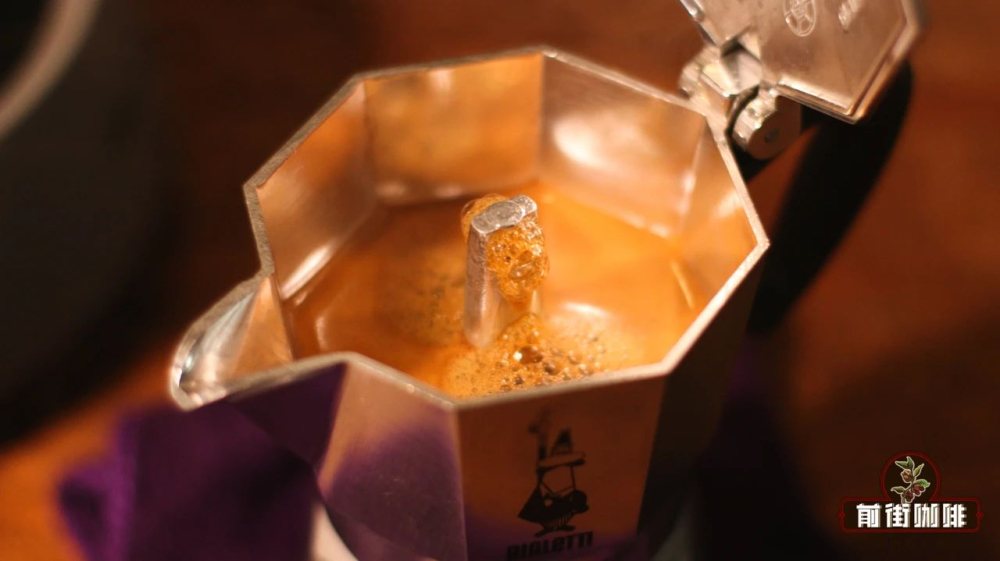
For beginners just getting started with a moka pot, the single-valve design is much more user-friendly. With a lower barrier to operation, it requires relatively less precision in grind size, heat control, and brewing time. Even slight deviations in parameters are less likely to lead to failure, so beginners are advised to start with a single-valve model to practice the basics.
In comparison, while the double-valve moka pot can brew coffee that is richer and more layered, it demands more precise parameter control—including a finer grind, more stable heat intensity, and better timing during extraction—which can be more challenging for users with less experience.
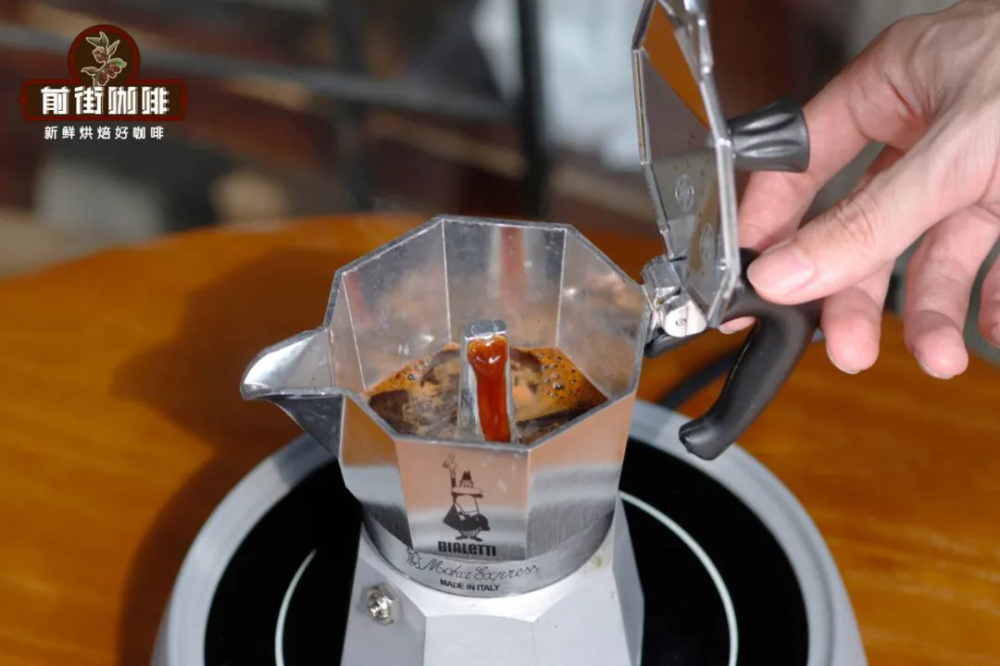
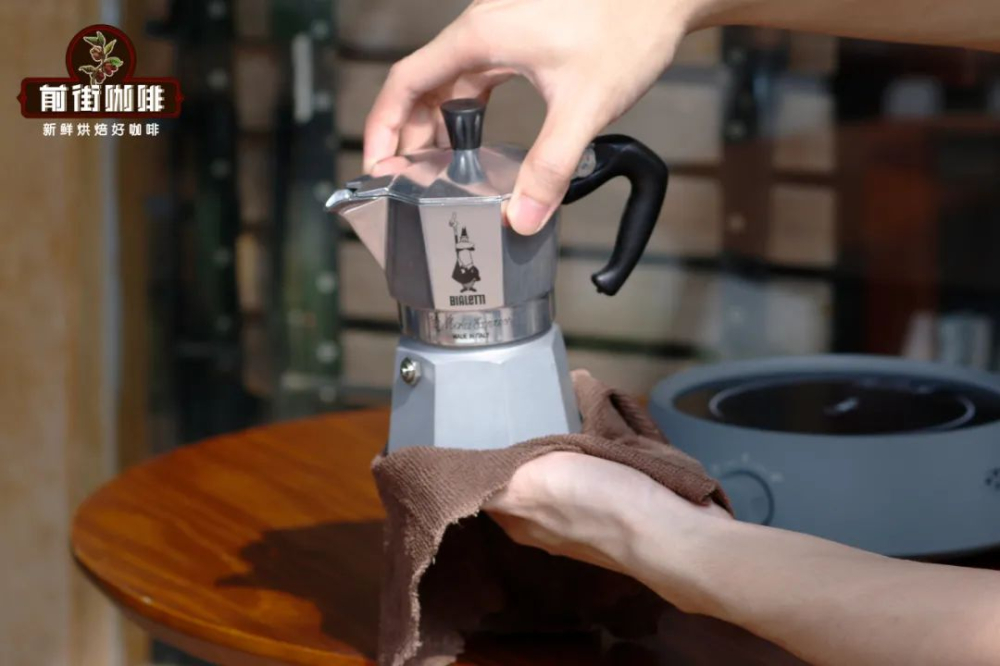
When using a single-valve moka pot, make sure the water level in the lower chamber does not exceed the pressure relief valve, usually located at the bottom of the pot near a nut-like part, to avoid boiling water overflowing or pressure becoming uncontrollable. For coffee grounds, it’s recommended to use an extremely fine grind—fine enough to pass through the basket holes, but not so tightly packed that it restricts water flow. Be sure the upper and lower chambers are tightly sealed during assembly. Once the coffee begins to drip, turn off the heat immediately and place the pot on a damp cloth to cool down, reducing the risk of over-extraction.
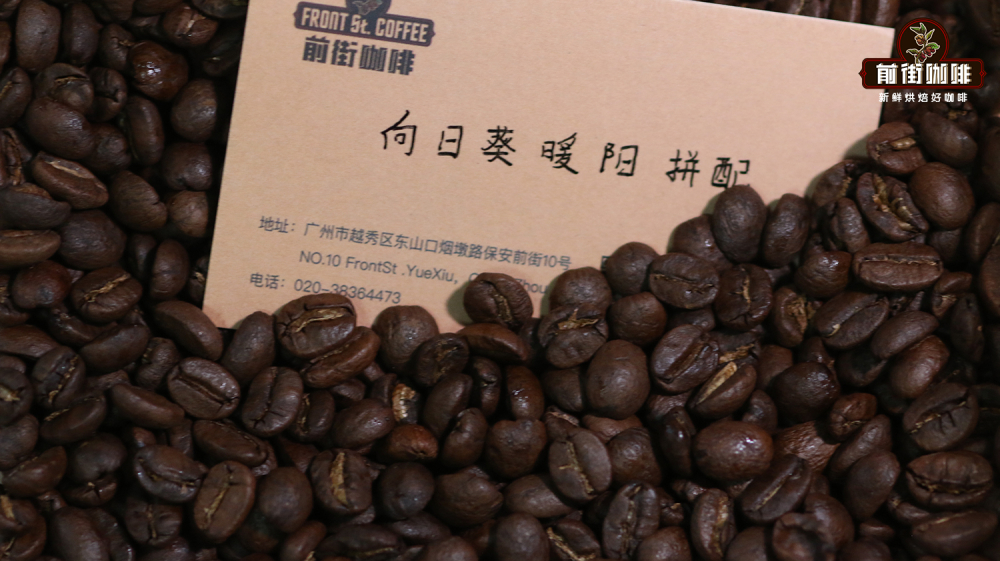
For moka pot brewing, it’s recommended to use espresso blends specifically designed for Italian-style espresso or single-origin beans with medium to dark roasts. These beans can withstand higher-pressure extraction, releasing rich crema and aromas while delivering a bold, full-bodied flavor profile.
If you prefer coffee with prominent aromas and a rich mouthfeel, consider a blend featuring Honduran Sherry and sun-dried Red Cherry. Its flavor profile combines vanilla cream, sherry wine notes, and berry undertones, offering layers of complexity and a long-lasting aftertaste.
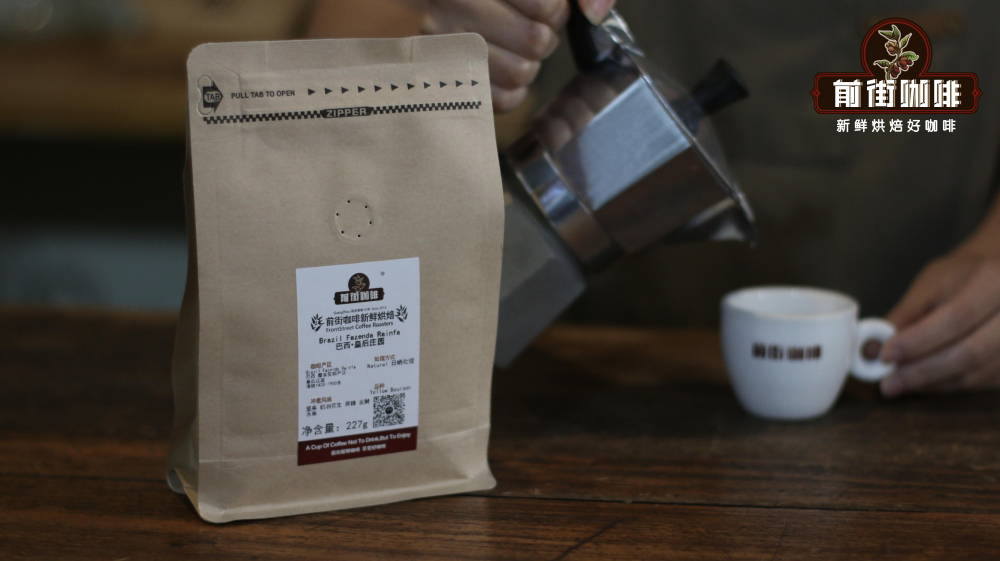
For those who enjoy nutty tones with less bitterness, try the Yellow Bourbon variety from Brazil’s high-altitude regions. It features distinct roasted nut aromas and a natural caramel sweetness, with a smooth, well-balanced mouthfeel.
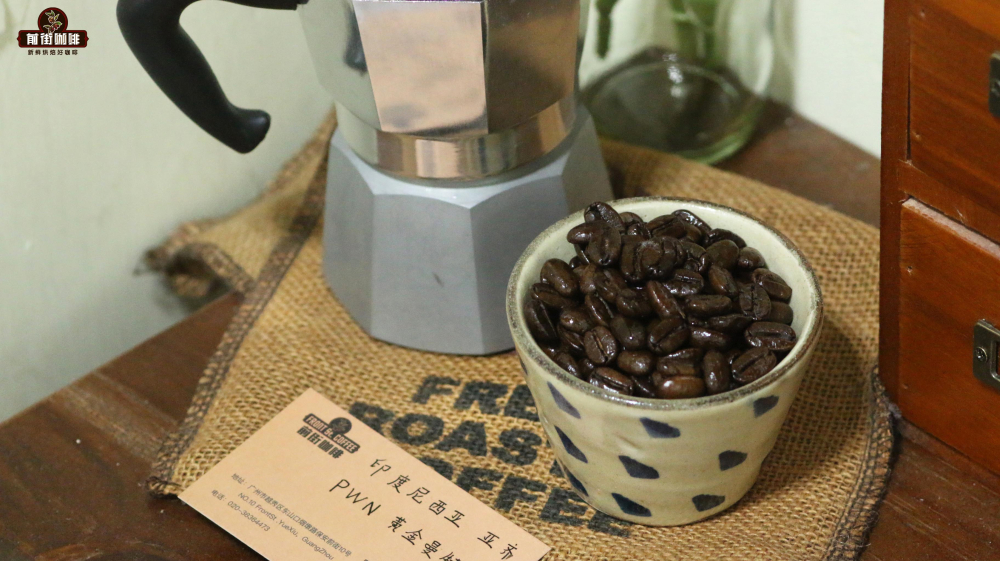
Coffee lovers seeking intense herbal flavors and a robust body will find Indonesia’s Sumatra Golden Mandheling an excellent choice. This bean undergoes multiple manual screenings to ensure uniform bean size and an extremely low defect rate. Once brewed, it reveals unique layers of pine, spice, and herbs, accompanied by a lasting sweet finish.
The above content is compiled by CoffeeHunters, a coffee news website.

