







Introduction:Indonesia’s Sumatra Golden Mandheling is a classic coffee bean variety well-known to coffee enthusiasts, beloved by pour over aficionados for its uniquely rich body and deep aroma. This article takes an in-depth look at the selection criteria of genuine PWN Golden Mandheling, the secrets behind its wet-hulled processing method, and offers a deep roast flavor profile along with practical brewing recommendations. It helps readers fully grasp this “unassuming in appearance but astonishing in flavor” top-tier coffee bean — from flavor and processing to roasting philosophy.
When it comes to Sumatran coffee, most people first think of Mandheling, and the most representative of these is undoubtedly the Golden Mandheling produced by Indonesia’s PWN (Pusat Niaga Wangi) green bean trading company. Often hailed as “the ugliest yet most delicious coffee,” this variety has become a classic choice among pour over lovers due to its full-bodied taste and unique processing technique. This article will take you through a comprehensive analysis of this popular coffee bean — from PWN authenticity certification and wet-hulled processing, to deep roast flavors and essential brewing tips.
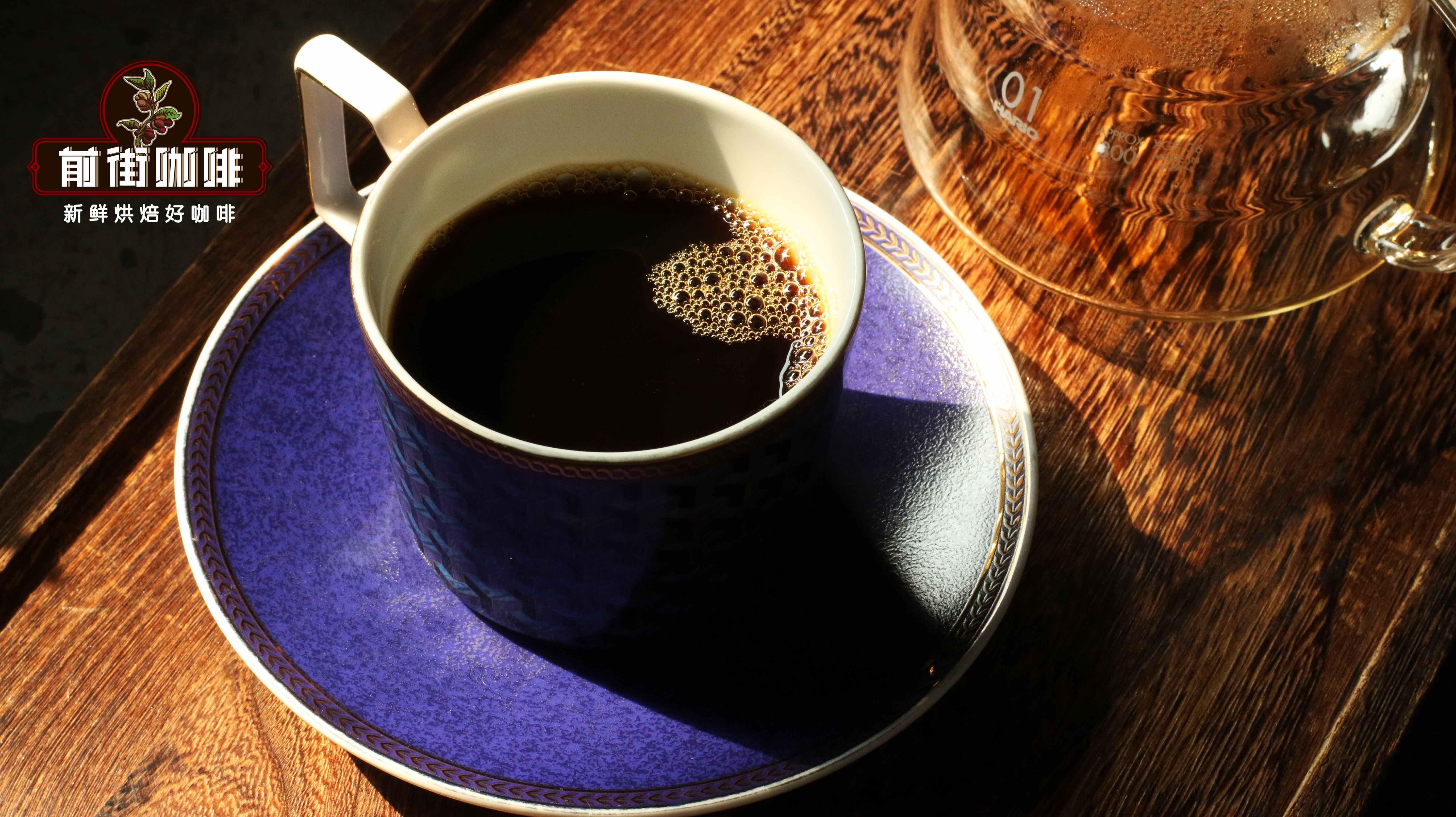
Although the term “Mandheling” is widely used to describe high-quality coffee from the Sumatra region, the trademark-protected “Golden Mandheling” refers exclusively to beans produced by PWN. The name has been registered as the English trademark “Golden Mandheling” by PWN, meaning that even if other products have similar names, they cannot be considered authentic without official PWN authorization and certification. To identify genuine Golden Mandheling, look for two key indicators: first, the sack clearly printed with the PWN logo, and second, the accompanying origin certification document issued by PWN. These proofs can usually be checked at the brand’s physical stores to ensure customers are purchasing an authentic product.
A certain coffee vendor sells Golden Mandheling with extremely rigorous quality control procedures. After an initial machine screening, the beans undergo three rounds of manual selection to ensure each green bean is at least 18 mesh in size and free of obvious defects. These beans exhibit a deep green color with a plump and uniform shape, and after roasting, they maintain consistent coloration, which helps achieve stable extraction during brewing. Compared to regular Mandheling, this bean variety offers clearer flavors, with commonly found herbal, earthy, and woody notes significantly reduced. Instead, it presents a bright caramel sweetness and gentle fruit acidity, resulting in a more nuanced flavor profile.
Sumatra is the largest island in Indonesia, the world’s largest archipelagic nation, and the primary origin of Golden Mandheling. The Sumatran coffee-growing regions can be divided into two main areas: North Sumatra and South Sumatra. In North Sumatra, the Gayo highlands mainly grow the Ateng variety, with notable regions such as Lake Tawar; whereas in South Sumatra, the Lintong and Lake Toba areas are the core regions for traditional Mandheling production. Lintong is located in the highlands north of Medan, surrounded by mountainous terrain averaging about 900 meters in elevation and Lake Toba. These geographical conditions form the unique flavor foundation of Mandheling.
Indonesia’s coffee grading system is primarily based on the ratio of defective beans and bean size. Generally, domestic import standards require beans to be free from insect damage, mold, with moisture content below 12.5%, and impurities under 0.5%. Based on the number of defective beans in a 300g sample, coffee beans are graded from highest to lowest as G1 to G6, with G1 being the top grade. PWN enforces even stricter quality control for Golden Mandheling: in addition to machine sorting, three rounds of manual selection are carried out to minimize defect rates. Moreover, density and color screening procedures before packaging ensure that each bean is uniform in appearance and has a glossy finish.
When discussing Sumatran coffee processing methods, one must mention the “wet-hulled” or “giling basah” method. Due to Sumatra’s persistently humid climate and limited sunlight — with humidity often maintained between 70% to 90% — traditional sun-drying or washed processing methods are difficult to carry out smoothly. The hallmark of the wet-hulled method is that after the initial washing to remove the fruit pulp, the parchment-covered beans are partially sun-dried for 1–2 days until their moisture content drops to 30%–50%. Then, the parchment layer is removed and drying continues. This method not only accelerates the drying process but also unexpectedly shapes the unique character of Mandheling — low acidity, intense body, and a distinctive earthy aroma — earning it a reputation as “one of the world’s most full-bodied coffees.”
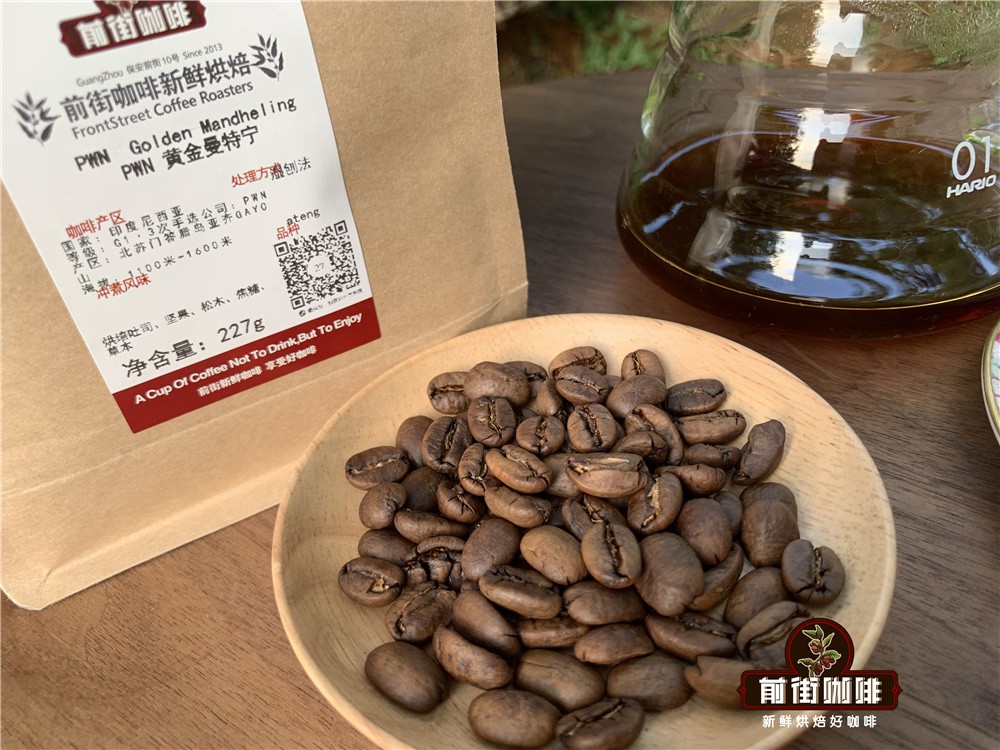
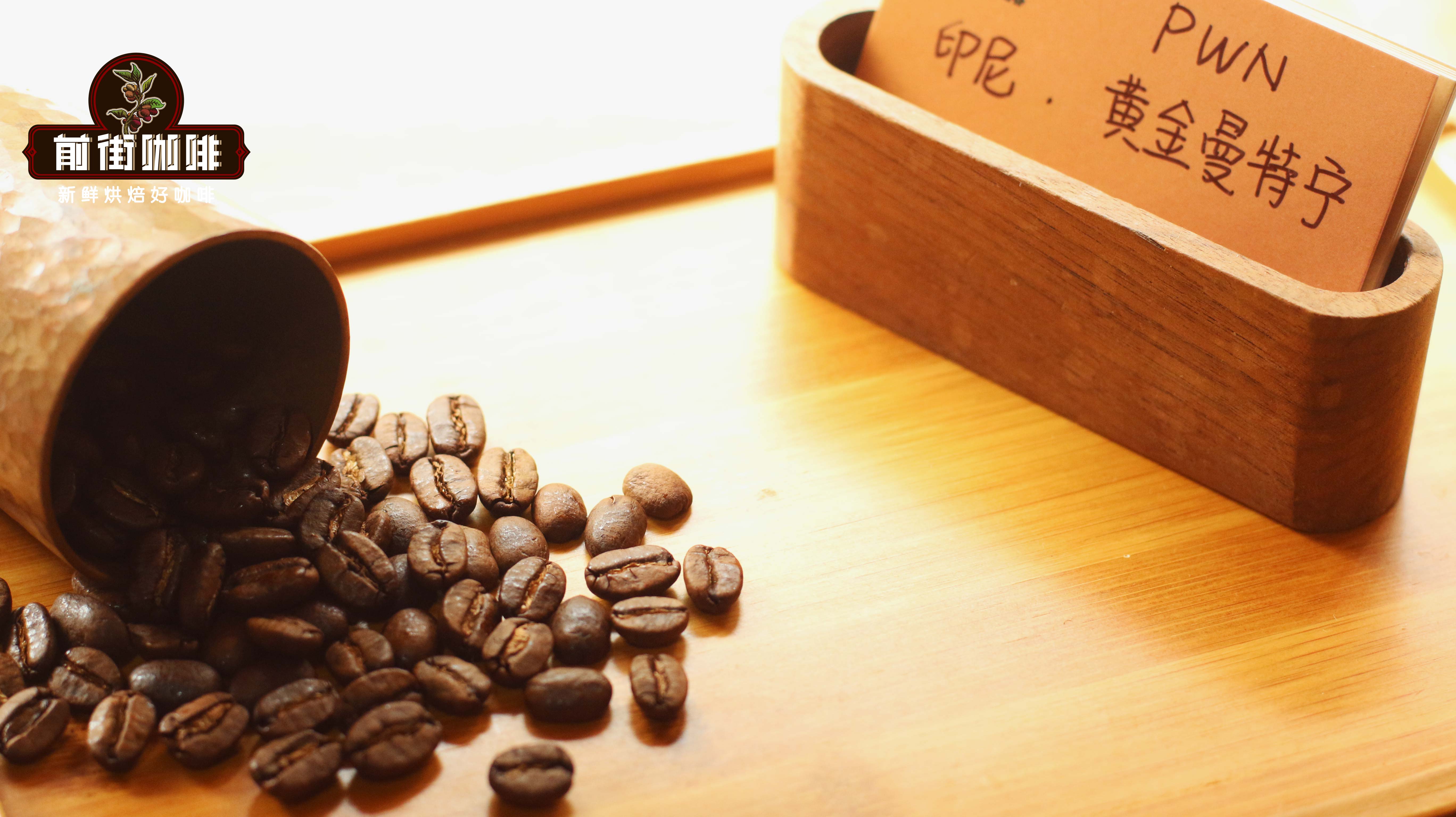
It’s worth noting that due to the multiple turnings and mechanical handling involved in wet-hulling, some coffee beans may develop an appearance resembling “goat hooves.” This is actually caused by mechanical compression during parchment removal and is not a defect. This has led many coffee enthusiasts to joke: “Mandheling might be the least visually appealing coffee, but it has the most captivating flavor.”
To fully showcase Mandheling’s bold base notes and nutty-caramel characteristics, the roasters at a certain coffee vendor typically opt for a dark roast. This level of roasting enhances the bean’s sweetness and caramelization reactions, bringing out complex aromas such as spices, pine, herbs, and chocolate. During actual pour over brewing, this bean often releases intense nutty and toast notes, accompanied by a soft chocolate aftertaste. The overall mouthfeel is balanced and layered. For coffee lovers who enjoy bold flavors and dark roast profiles, this bean is definitely worth a try.
The above content is compiled by CoffeeHunters, a coffee news website.


