







Introduction:The flavor of pour over coffee largely depends on the filter material you choose. French press cloth, metal filters, and paper filters—these three common brewing methods each have unique extraction characteristics and flavor profiles. This article will delve into their material differences, extraction principles, and actual flavor directions, and through practical test cases, help you find the filter material that best suits your taste to enhance the quality and enjoyment of your pour over coffee.
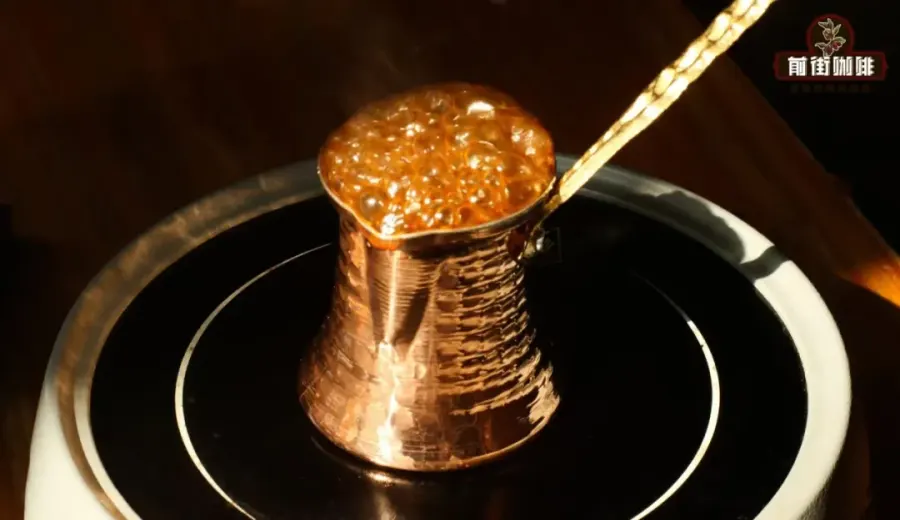
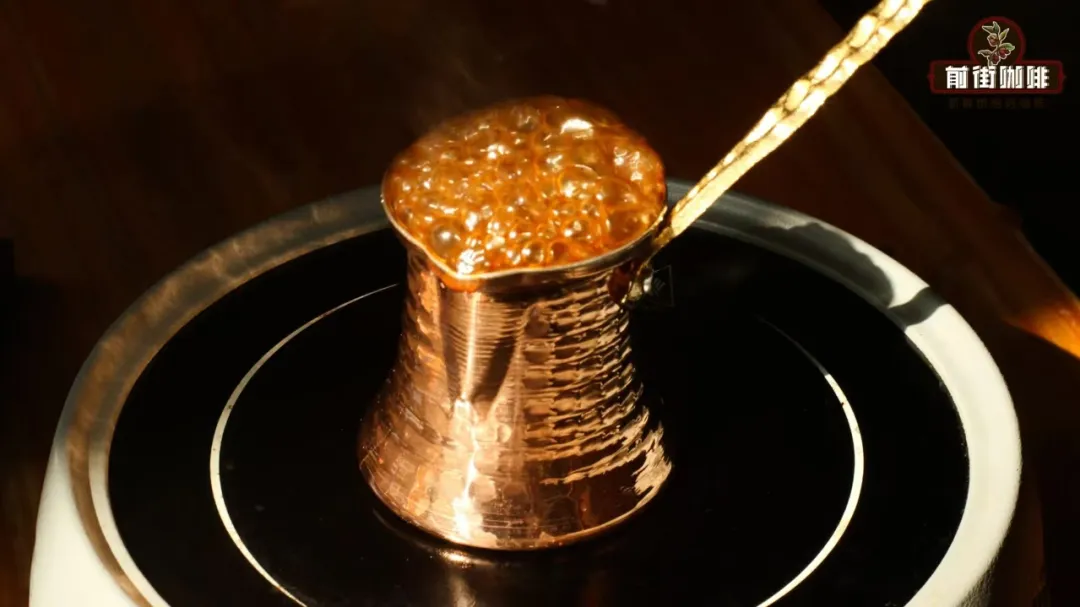
In the world of pour over coffee, choosing a filter material is not just about affecting coffee clarity—it directly influences the layers of flavor, the body of the cup, and even overall extraction efficiency. From early Turkish-style boiling methods, to the paper filter system invented by Frau Melitta, to Japanese artisans’ exquisite use of French press cloth, each filter material carries a unique philosophy of extraction. The most commonly used pour over filter materials today include paper filters, French press cloth, and metal filters, each showing significant differences in flavor performance, ease of use, and cleaning convenience.
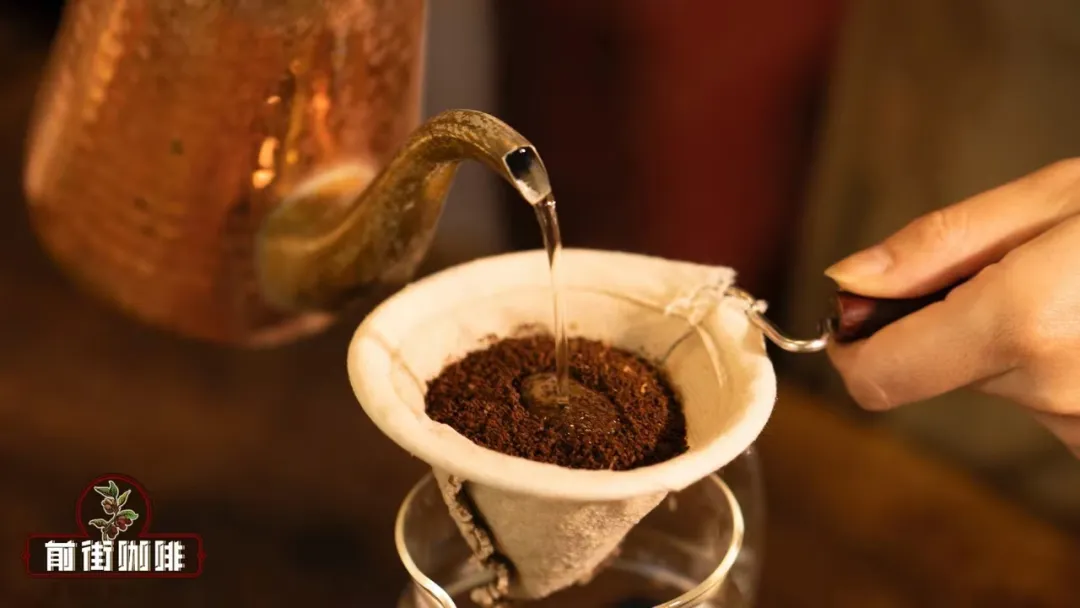
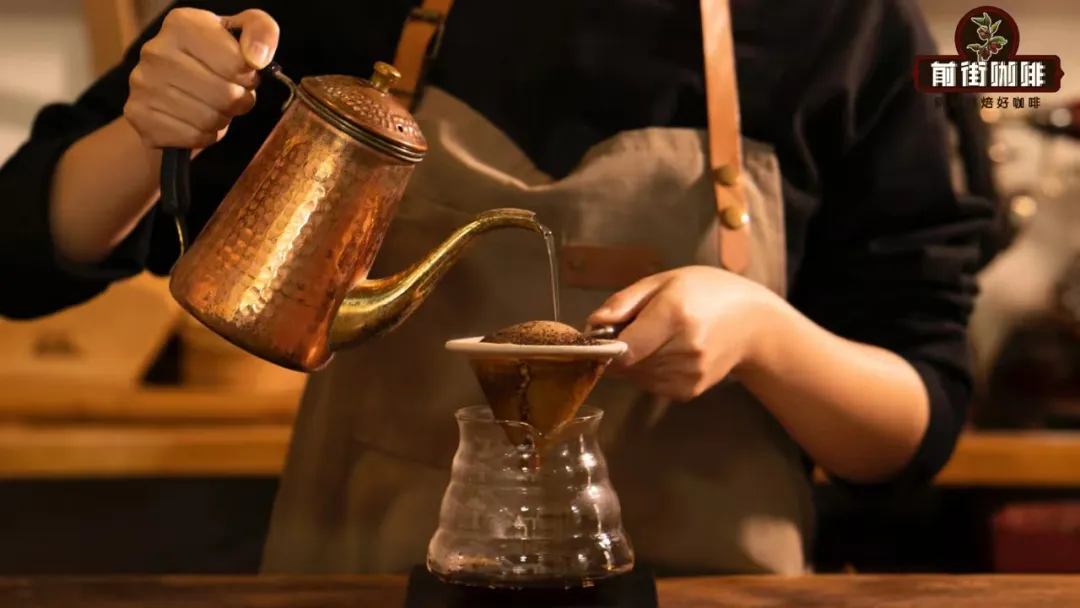
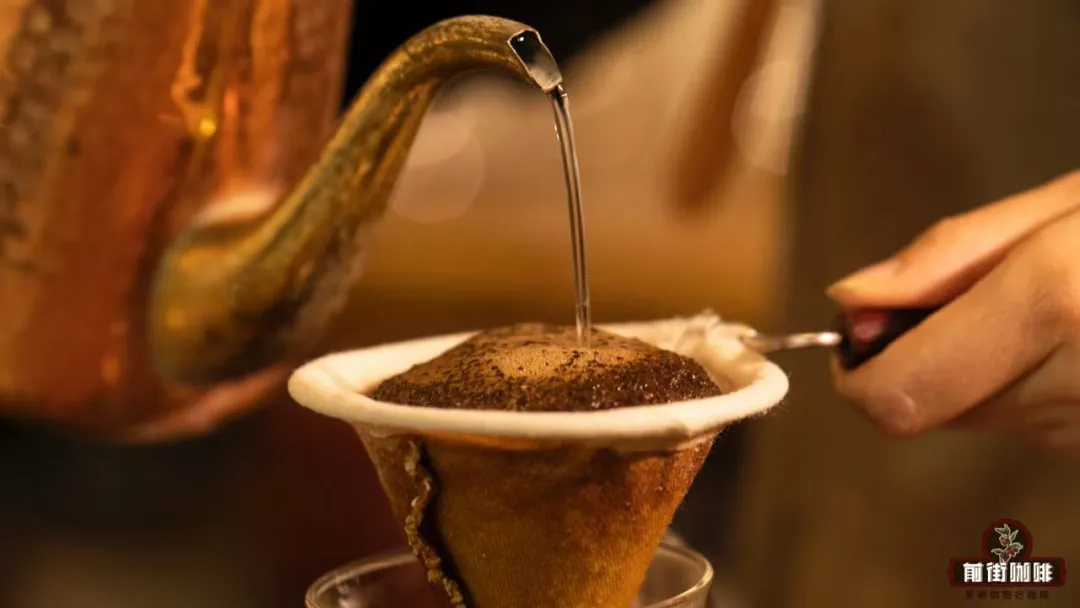
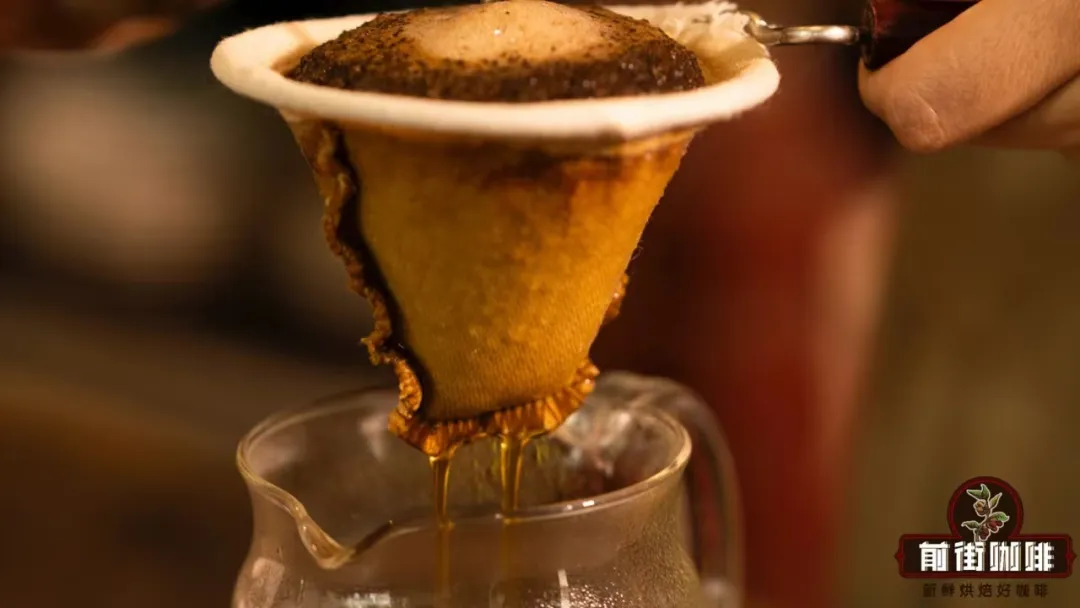
Let’s start with French press cloth. The word "flannel" originates from Europe, originally made of wool, but later evolved into cotton, with its history as a filtering material dating back to the 17th to 18th centuries. Initially, flannel was not designed specifically for pour over, but was used to filter grounds from boiled coffee. It wasn’t until it was introduced to Japan that pour over enthusiasts transformed it into a drip-style coffee filter, gradually forming a unique usage culture. Even today, when paper filters are widely available, many Japanese coffee shops still insist on using French press cloth to pursue richer texture and aroma.
The biggest feature of French press cloth is its larger pore structure. Compared to paper filters, it allows more oils and fine particles to pass through, thereby retaining more aromatic compounds and layers of texture in the coffee. Since paper filters intercept almost all oils and fine particles, they make the coffee flavor cleaner, but may also lose some aroma and body. French press cloth, on the other hand, can deliver a richer, smoother, and more layered mouthfeel, especially suitable for dark roasted beans, showcasing the full-bodied flavors of caramel, chocolate, and nuts.
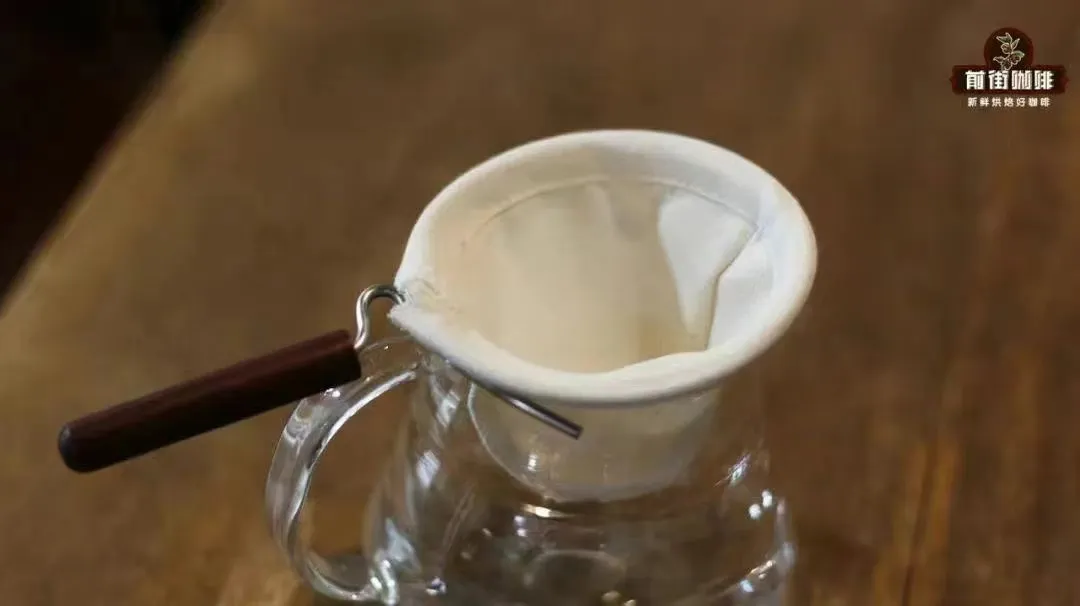
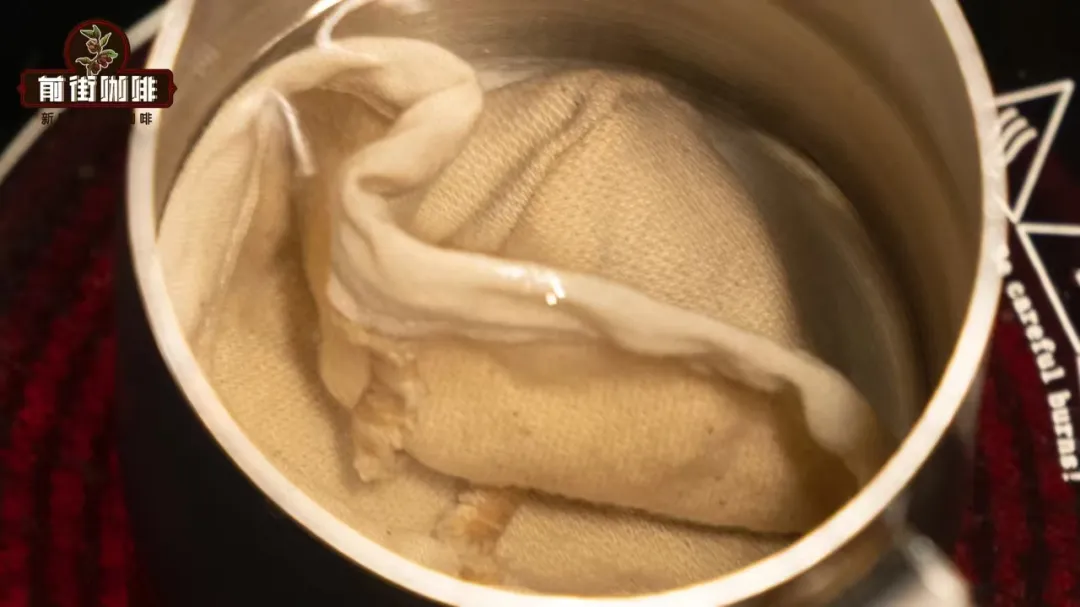
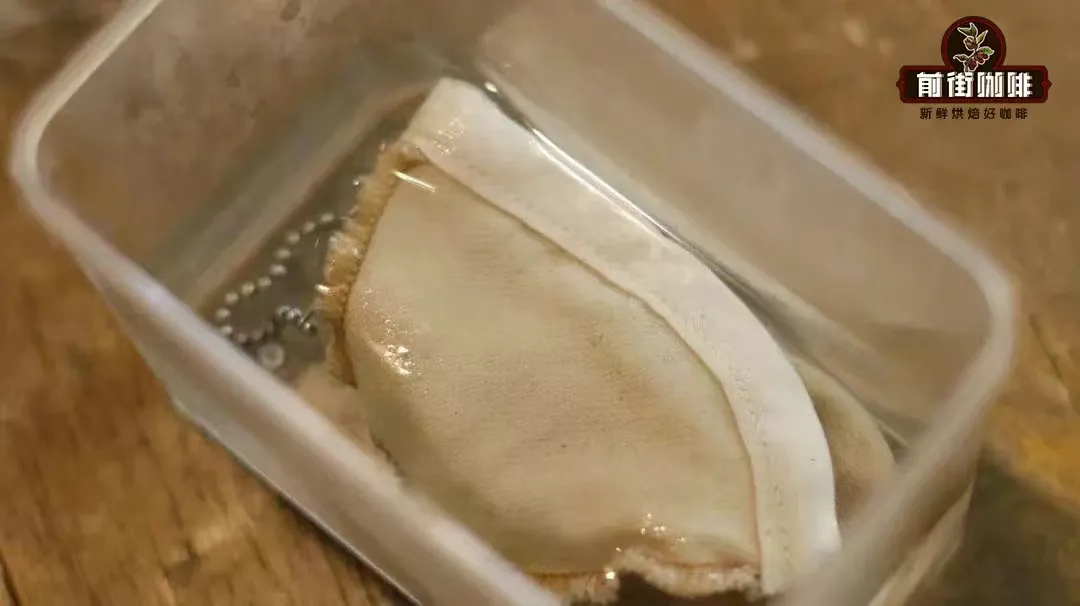
When using French press cloth, there are several details worth noting. The cloth generally has two sides: the fuzzy side and the smooth cotton side. It is recommended to use the “cotton in, flannel out” method when assembling, which not only helps distribute coffee grounds evenly but also makes cleaning easier. Additionally, the French press cloth needs to be fully soaked and preheated before use to maintain a stable extraction temperature and avoid interference from paper or off-flavors. After brewing, it should be rinsed immediately and stored properly to prevent mold.
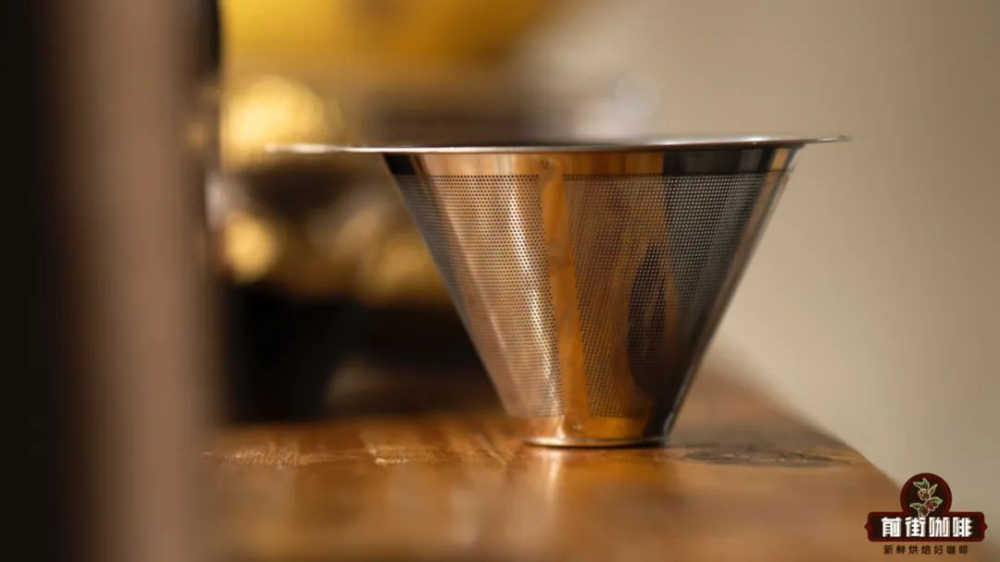
Compared to the traditional feel of French press cloth, metal filters stand out for their durability and ease of cleaning. Most metal filters on the market are made of stainless steel, with mesh sizes usually measured in "mesh count," commonly such as 200 mesh, 300 mesh, or even the finer 400 mesh. One coffee shop conducted an experiment using a 400 mesh metal filter with Ethiopian · Santa Vini beans, setting the grind size to 9.5 on the Ek43 grinder, a brew ratio of 1:15, water temperature at 92°C, and using a three-pour extraction method.
The experiment found that the 400 mesh metal filter’s holes were fine enough to effectively block the majority of coffee fines, but still allowed some oils to pass through, giving the coffee a certain oily sheen and body. However, in the initial tests, due to an aggressive pouring technique—wide circular pours and high water pressure—a large amount of water bypassed the coffee grounds without fully extracting them, instead passing straight through the filter, resulting in under-extracted flavors, thin citrus acidity, and unbalanced off-notes.
To improve extraction, the shop adjusted the pouring strategy, switching to low-impact small-circle pours and lowering the pour height to reduce direct water channeling. The adjusted extraction time increased slightly to 2 minutes and 10 seconds, and the flavor profile improved significantly, with brighter acidic notes of tropical fruits like pineapple and citrus, and an overall smoother and fuller mouthfeel. This shows that when using metal filters, pouring technique and water flow control are crucial, as even slight mistakes can easily lead to uneven extraction.
Now let’s look at the most commonly used paper filters. Paper filters have strong filtration capabilities, effectively removing the vast majority of coffee fines and oils, resulting in a clear and transparent brewed coffee liquid. The flavor is usually cleaner and more layered. Under the same brewing conditions mentioned above, using a paper filter, the Ethiopian · Santa Vini exhibited bright tropical fruit aromas such as pineapple and citrus, with lively acidity, a lingering note reminiscent of subtle wine fermentation, and upon cooling, sweet-tart aftertastes of mango and starfruit, overall presenting a very balanced and pleasing profile.
The choice of paper filter also matters. It is recommended to use high-quality filters made from virgin wood pulp, avoiding chemical coatings or unwanted odors. Before use, soaking and preheating the filter not only improves extraction stability but also removes any possible paper pulp taste. In addition, paper filters are single-use, which is less environmentally friendly, but they are easy to clean and suitable for most home users and beginners.
In summary, French press cloth, metal filters, and paper filters each offer unique flavor profiles and are suited to different scenarios. If you’re seeking a rich, oily, and complex mouthfeel, French press cloth is an excellent choice; if you prefer a clean, clear, and well-layered flavor, paper filters are more appropriate; and metal filters suit users who want to balance oiliness with convenience, though they require more practice with pouring techniques to unlock their potential. No matter which filter material you choose, understanding its characteristics and adjusting based on coffee bean roast level, grind size, and brewing method are key to enhancing your pour over coffee’s flavor.
The above content is compiled by CoffeeHunters, a coffee news website.


