







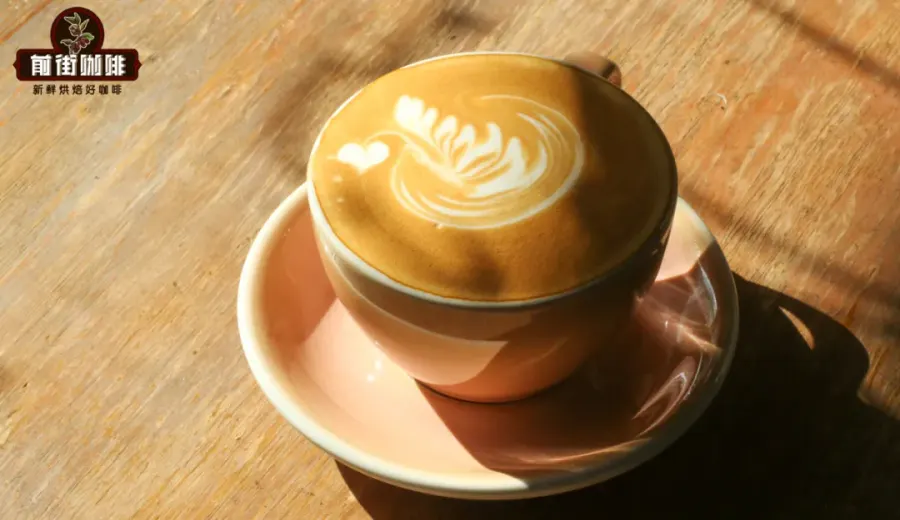
Introduction:Have you ever ordered a "matcha latte" only to find that what you got was a plain milk drink? In the world of coffee beverages, the term "latte" often causes confusion. This article explores the etymology of "Latte," tracing how it evolved from the Italian word for "milk" into the widely recognized "milk coffee," and explains why non-coffee drinks such as matcha lattes and red velvet lattes still carry this name. Understanding these naming conventions will help you order the right drink next time.
When you walk into a café and see items like "matcha latte," "red velvet latte," or even "Ovaltine latte" on the menu, have you ever wondered: do these drinks actually contain coffee? In fact, many so-called "latte" beverages contain no coffee whatsoever, being made instead with milk or other bases. This naming approach often confuses consumers, leading them to mistakenly believe they’ve ordered a coffee drink.
This phenomenon is tied to language evolution, cultural differences, and the localization of coffee beverages around the world. Specifically, the word "latte" comes from the Italian "Latte," which literally means "milk." So, if you order a "Latte" in Italy, you might just be handed a glass of plain milk—not the coffee drink you were expecting.
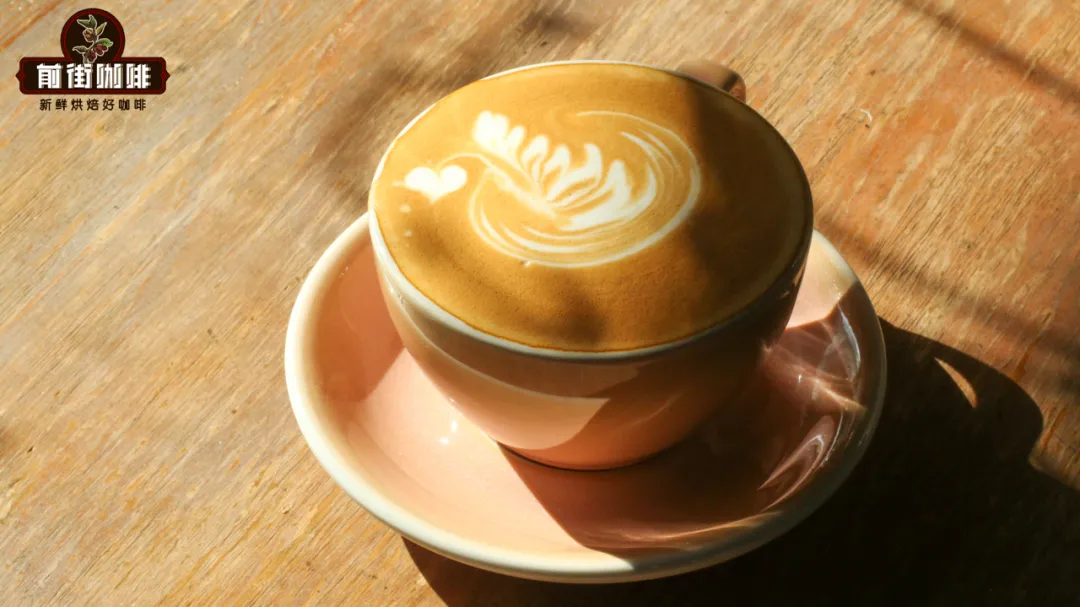
So why is "latte" used to name coffee-free drinks in many cafés? The key lies in the semantic shift of the word "Latte." In the original Italian, "Caffè Latte" refers to what we know as a "milk coffee," while the standalone "Latte" simply means "milk." However, in English and Chinese contexts, "latte" has gradually been simplified to mean "milk coffee," especially in the United States, where this usage has become deeply ingrained.
Looking back in history, by the mid-19th century, the words "Caffè" and "Latte" were already included in Italian dictionaries, but at that time, they had not yet been combined into a fixed beverage name. It wasn’t until 1867 that American writer William Dean Howells first used the term "Caffe e latte" in his book Italian Journeys to describe a drink that mixed coffee with milk. However, at that time, espresso machines were not yet widespread, and such drinks were not yet popular on a large scale.
It wasn’t until the mid-20th century, when a large number of Italian immigrants brought coffee culture to the United States—especially in California—that the "latte coffee" gradually took shape. It’s said that at the "Caffe Mediterraneum," the shop owner, aiming to cater to American customers' preference for lower caffeine content and smoother taste, added more milk to the traditional cappuccino, creating a coffee with a higher milk ratio, and named it "Caffè e latte."
As this drink gained popularity—and with the promotion by chain coffee brands and the rise of latte art—"Caffè Latte" spread from the United States to the rest of the world, eventually being shortened to "Latte." Thus, since the 1980s, in most non-Italian regions, "Latte" has come to mean almost exclusively "coffee with a lot of milk."
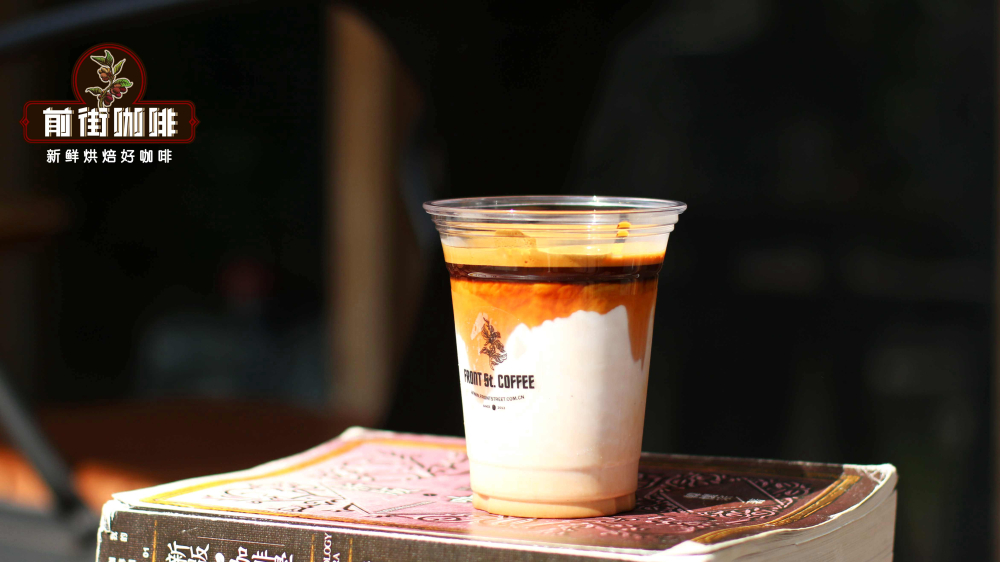
So, going back to the original question: if "latte" is now commonly understood as a coffee drink, why do non-coffee beverages like matcha latte and red velvet latte still use this name? This mainly has to do with the presentation and preparation method of these drinks. These beverages typically use a base similar to that of a latte—for example, steamed whole milk—and follow similar steps—heating the milk, pouring the base, and topping with foam—to finish, resulting in an appearance and texture that closely resemble traditional lattes.
In addition, these drinks are often found in the "caffeine-free" or "plant-based milk" sections of cafés. Using the name "latte" not only aligns with their appearance and production process but also helps consumers quickly understand that this is a caffeine-free option similar to a latte. Many shop owners also believe that using the term "latte" helps maintain a connection between the drink and coffee culture, even though no coffee beans or extracts are used.
Therefore, when you see a "matcha latte" at a café, unless it specifically states that it contains coffee, there’s a good chance you’ll be drinking a combination of matcha and milk. It’s recommended that consumers proactively ask the staff when ordering or check the menu categories—such as whether there are labels like "caffeine-free drinks" or "plant milk series"—to avoid misunderstandings.
In summary, the evolution of the term "latte" reflects the interplay of language, culture, and market demand. From meaning "milk" in Italian, to becoming the globally recognized shorthand for "milk coffee," and now being used to name a variety of flavored milk beverages, "latte" is not just a drink, but a cross-cultural culinary story. Understanding this background can make your ordering experience smoother and allow you to better appreciate the thought behind each drink’s design.
The above content is compiled by CoffeeHunters, a coffee news website.


