







Introduction:Want to brew professional-grade espresso at home? Choosing the right machine and mastering proper operation is key. This article provides a detailed breakdown of the core differences between semi-automatic and fully automatic machines—from pressure stability, crema formation, to ease of use—helping you select the right equipment based on your needs. It also includes practical extraction parameters, step-by-step instructions, and recommendations for different flavor profiles, making it easy for beginners to brew rich, golden-crema espresso with layers of complexity.
To enjoy a cup of espresso at home with thick crema and bold flavors, choosing the right machine and high-quality coffee beans is the first step. The market offers a wide variety of home espresso machines, ranging in price from a few hundred to tens of thousands of yuan, mainly divided into semi-automatic and fully automatic types. Whether you’re a beginner or a coffee enthusiast looking to elevate your home brewing, understanding the characteristics and operational essentials of different machines can help you consistently achieve your desired coffee taste.
It’s worth noting that espresso machines priced around three to four hundred yuan are often jokingly referred to in the industry as “toy machines.” These products often suffer from unstable pressure output and poor temperature control, leading to uneven extraction and even difficulty in forming the coveted golden crema. If you’re serious about enjoying authentic espresso, it’s recommended to set your budget between 500 to 1000 yuan. While still entry-level, machines in this range offer noticeable improvements in stability and usability, making them suitable for daily practice and enjoyment.
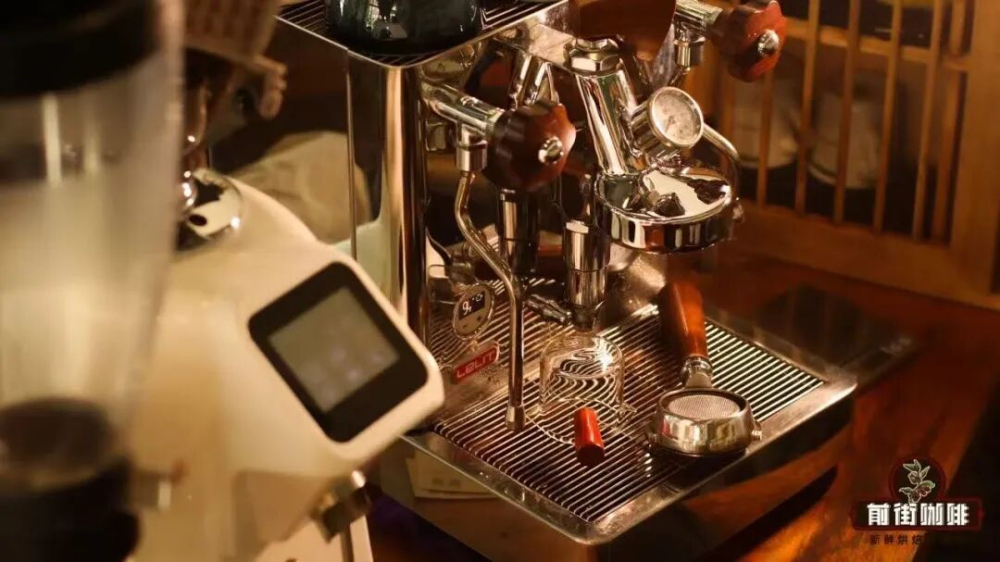
The operation of a home espresso machine primarily involves heating water in an internal boiler to produce high-pressure water flow, which passes through a compacted puck of finely ground coffee to extract about 30 milliliters of concentrated coffee. This process not only tests the machine’s pressure control but also depends on factors like the roast level of the beans, grind size, and evenness of tamping. Generally speaking, successfully producing espresso with a fine, dense crema layer is considered a mark of success.
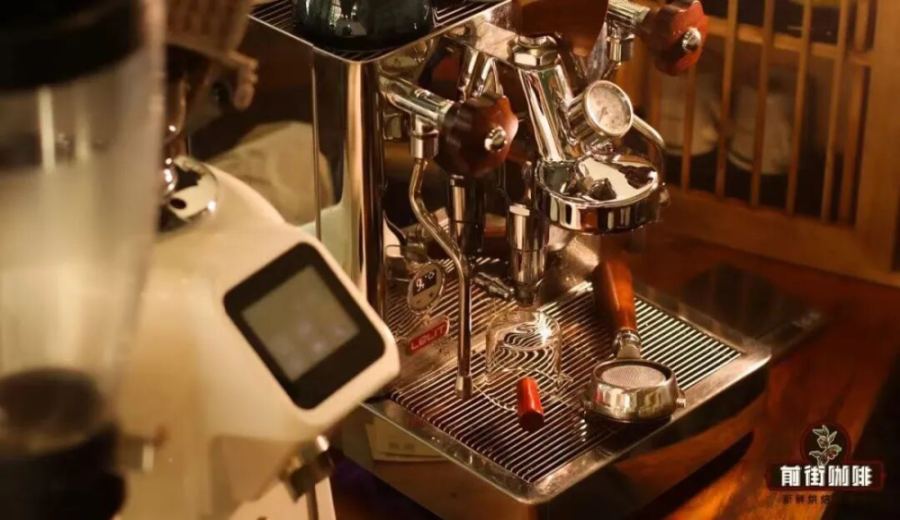
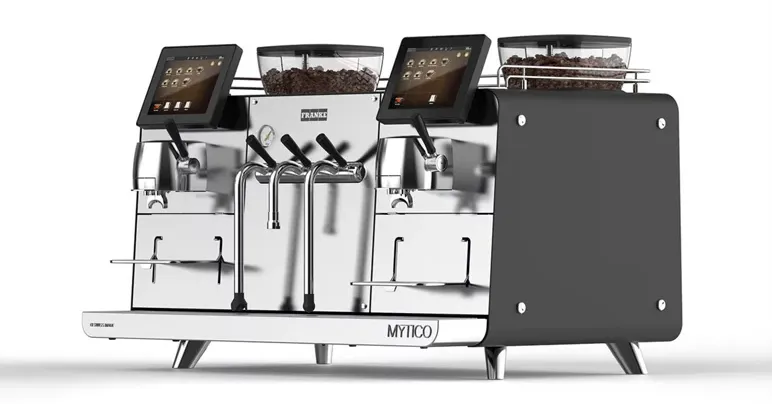
Semi-automatic machines usually come with one or more group heads and require a separate grinder. These machines offer high flexibility in parameter adjustment—for example, you can tweak grind size, tamping pressure, and extraction time—making them popular among coffee enthusiasts and small cafés. Although they have a slightly higher learning curve, they allow for fine-tuning to your personal taste, resulting in richer and more varied coffee flavors. Ideal for users who have certain quality expectations and are willing to invest time in learning the process.
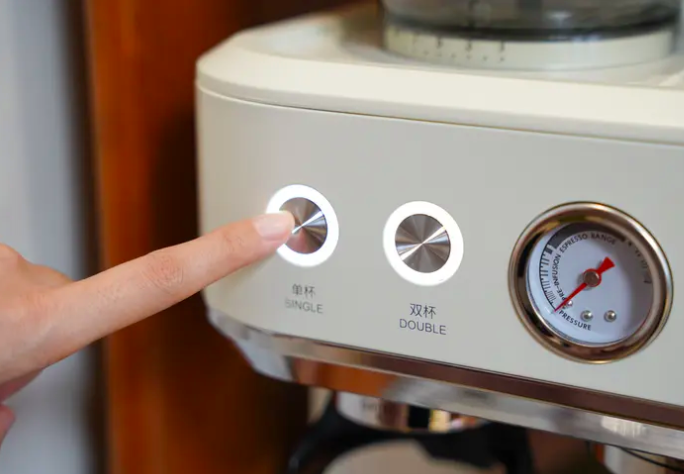
Fully automatic machines, on the other hand, integrate grinding, tamping, and extraction into one seamless process, allowing you to brew a complete cup with just one touch. They have a low barrier to entry and are suitable for those seeking convenience or living busy lives. However, due to their automated workflow, they offer less flexibility in adjustment, and the extracted flavors may not be as refined as those from semi-automatic machines. They also tend to have longer extraction times. A good choice for beginners who want to simplify the brewing process.
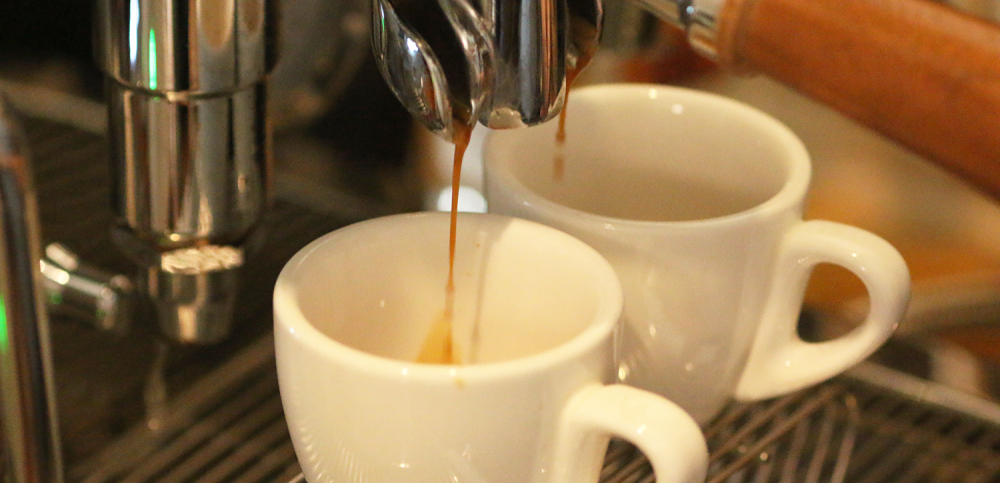
Speaking of espresso, one cannot ignore the captivating crema—a fine layer of golden-to-amber colored foam that is not only visually pleasing but also an important indicator of coffee freshness and successful extraction. The formation of this crema relies on high-pressure extraction and appropriate bean roast levels; medium to dark roasts typically yield richer and more stable crema, along with bolder flavor profiles.
When selecting home coffee beans, you can choose based on personal preference and brewing purpose. If you enjoy distinctive single-origin coffees (SOE), try options like the “Brazilian Queen Estate” with its roasted peanut aroma, the “Golden Mandheling” known for its spicy notes, or the “Strawberry Sugar Espresso” showcasing floral and fruity tones. These beans offer varied sensory experiences, perfect for those seeking unique flavors.
If you prioritize stable extraction and everyday convenience, and want to easily make milk-based coffee suitable for latte art, opt for blends with rich crema and balanced flavor, such as the “Classic Blend.” This blend often features buttery, toasted bread, and caramel cookie aromas, delivering a silky mouthfeel when paired with milk—ideal for lattes or cappuccinos.
For users on a budget who still want a balance of value and flavor, the “Dark Cocoa Base Blend” is a great option. This blend combines the ripe plum acidity of Yunnan’s small-bean coffee, with a powdery aroma of creamy chocolate. Upon extraction, it releases nutty notes like almonds, hazelnuts, and roasted walnuts, offering a well-balanced bitterness and sweetness. It becomes smooth and easy to drink with milk, and its strong roast aroma makes it great even for Dirty drinks. The surface often displays dark brown “tiger striping,” adding to the drinking experience.
In practice, making a standard shot of espresso isn’t complicated, but every step impacts the final flavor. First, ensure the portafilter basket is clean and free of old grounds. Grind about 20 grams of coffee beans (for a double shot) using your grinder, and measure precisely with a scale. Then, use a distribution tool to evenly spread the grounds, followed by tamping them firmly with a tamper. This step is crucial for extraction stability.
Before extracting, it’s recommended to run water for 1–2 seconds to preheat the group head and rinse away any leftover coffee residue. Place your cup on the scale and tare it, then lock the loaded portafilter into the group head and start extraction. Monitor the process: when the coffee reaches about 40 grams and the time is around 30 seconds, stop the extraction. Note that actual parameters may vary slightly depending on humidity, bean freshness, and grind size, so adjust based on the flow rate as needed.
Finally, pour the extracted espresso into a cup (around 50 ml capacity) to enjoy the pure concentrated flavor. For variety, you can dilute it with water to make an Americano, or add milk, syrup, cream, or spices to create drinks like macchiato, cappuccino, latte, or mocha—crafting your own personalized coffee experience based on your taste preferences.
The above content is compiled by CoffeeHunters, a coffee news website.


