







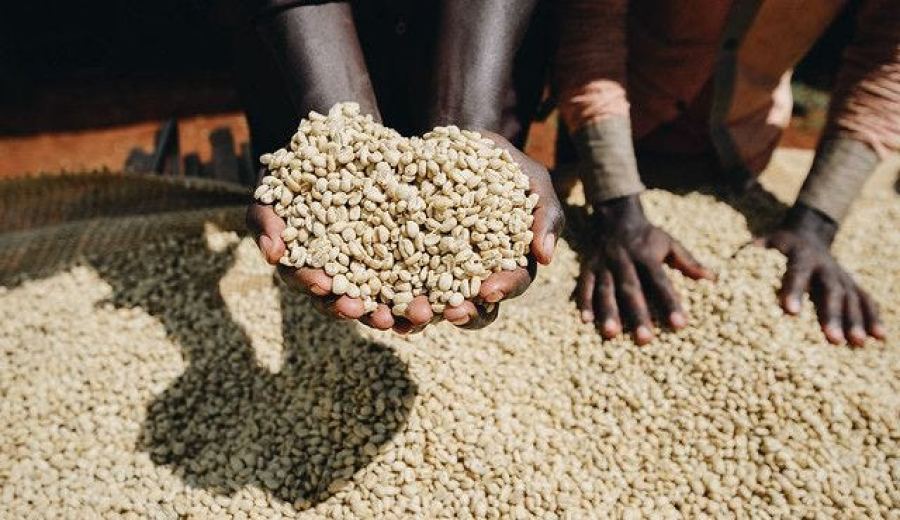
Introduction:Ethiopia’s Sidamo and Yirgacheffe are classic coffee-growing regions pursued by specialty coffee enthusiasts worldwide. Though they share a common origin, their distinct flavor profiles are shaped by differences in terrain, microclimate, and processing evolution. This article explores the characteristics of these regions, their processing methods, and presents practical roasting curves and pour over extraction data for two natural-processed beans—Aricha and Huakui—to offer an in-depth analysis of the unique charm of these two renowned regions.
Ethiopia is hailed as the birthplace of coffee and is home to many globally renowned coffee-growing areas, among which Sidamo and Yirgacheffe stand out as favorites among coffee aficionados. Originally a town under the jurisdiction of Sidamo, Yirgacheffe distinguished itself with its unique citrus and lemony acidity and was later officially designated as an independent region. In this article, we will comprehensively compare the differences between Sidamo and Yirgacheffe from perspectives such as regional environment, processing methods, and actual brewing flavors, while also delving into roasting and pour over extraction recommendations for two natural-processed beans, helping you better understand the distinctive personalities of these two major regions.
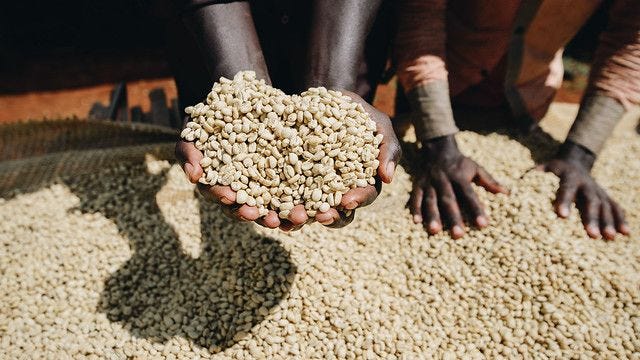
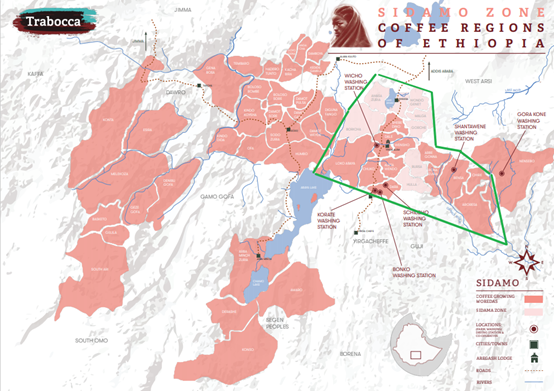
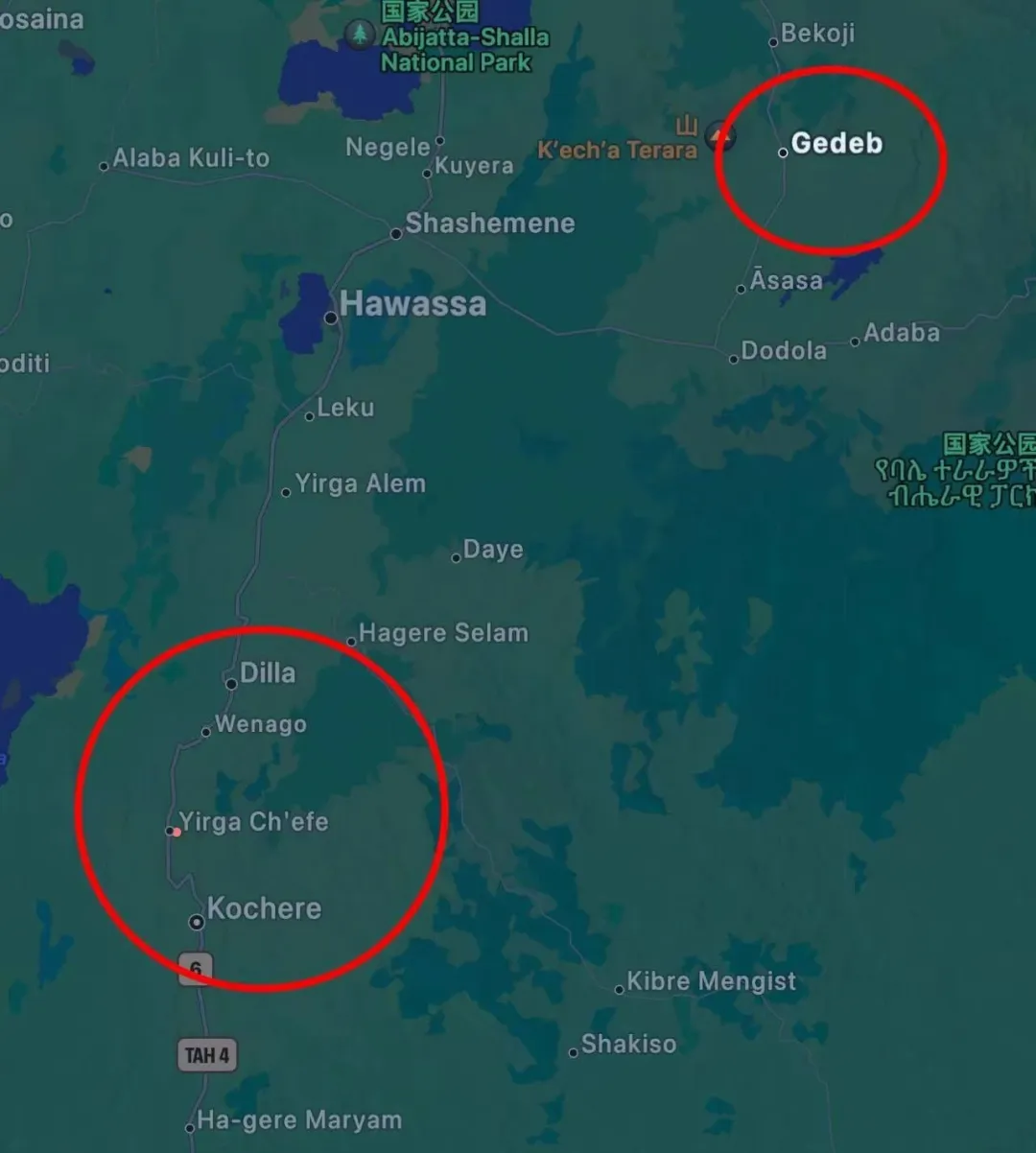
The Sidamo coffee region is located around the East African Rift Valley in southern Ethiopia, with an average altitude ranging from 1400 to 2000 meters. The region features diverse terrain, varying soil types, and significant microclimatic differences. Coupled with Ethiopia’s abundance of native coffee varieties, Sidamo produces coffee that exhibits a high degree of flavor diversity. Coffee grown in different villages or towns—even those in close proximity—can showcase entirely different flavor profiles. Among them, Guji and Aricha are two of the most representative sub-regions under Sidamo and are also common choices in many coffee shops.
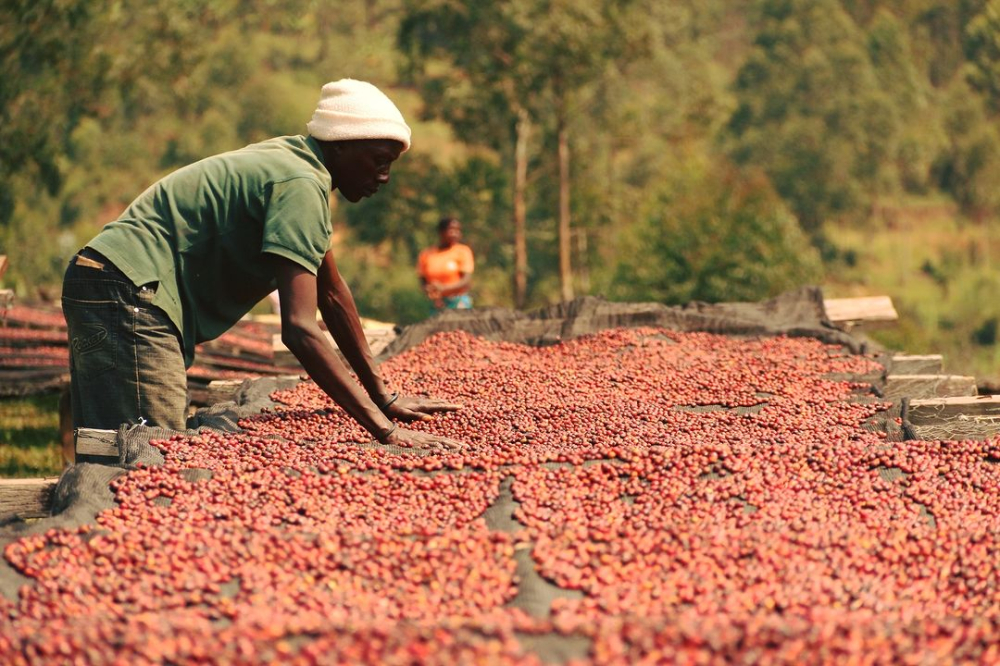
In Sidamo, about 70% of coffee is processed using the natural (sun-dried) method. This traditional technique highlights the fruity and fermented aromas of the beans, resulting in a rich yet smooth mouthfeel. The natural processing steps can be roughly divided into: sorting, drying, hulling, and re-screening. First, ripe and undamaged coffee cherries are carefully selected, then placed in drying areas (which may use tarps, raised beds, or be spread directly on concrete floors) for approximately 27 to 30 days until the moisture content drops to 11%. The dried cherries are then sent to processing facilities for depulping and hulling, followed by additional screening to ensure quality, completing the final green bean production.
Yirgacheffe holds a more unique historical status. Originally a small town under Sidamo, it was eventually designated as an independent region due to its distinctive flavor profile, particularly its strong citrus and lemony acidity. With altitudes ranging from 1800 to 2000 meters, Yirgacheffe is one of Ethiopia’s highest-altitude coffee-growing regions. The area was once a wetland with abundant water sources, providing ideal conditions for coffee cultivation. It’s worth noting that early processing in Yirgacheffe was primarily traditional natural, but the introduction of Central and South American washed processing techniques in 1972 made the region’s citrus aroma and clean taste even more pronounced, propelling it to global prominence as a representative of specialty coffee.
With the development of the specialty coffee market, natural processing techniques have gradually improved, allowing traditional flavors to make a comeback. For example, a trader named Bagasi, nostalgic for the classic natural flavors, began refining the process and successfully launched several highly acclaimed natural beans, leading to renewed emphasis on natural processing in Yirgacheffe. Today, Yirgacheffe offers both washed and natural processing methods, providing a diverse range of flavor options.
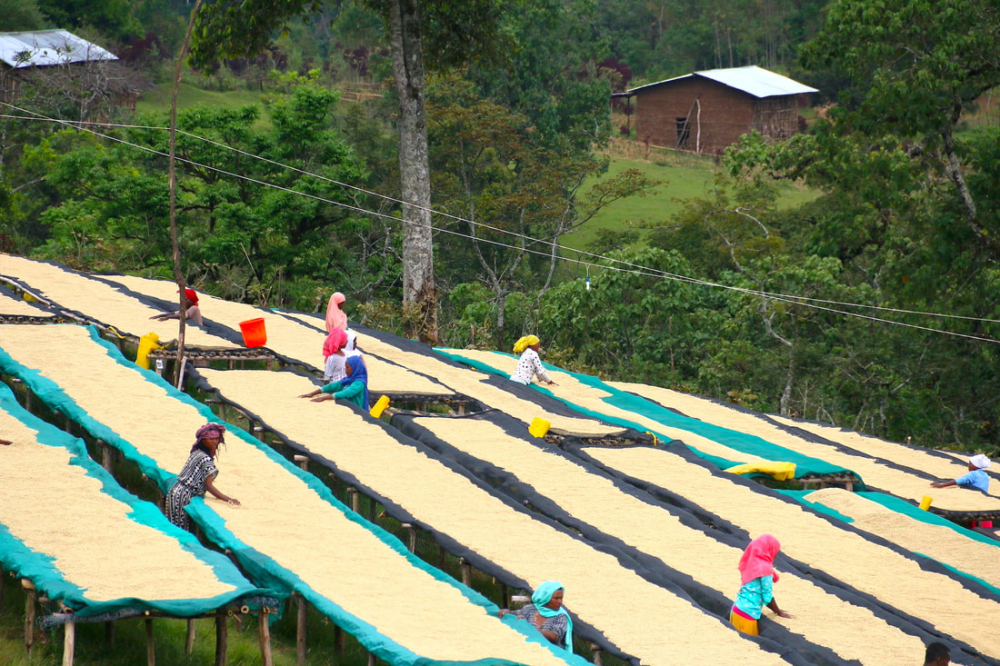
Washed processing is another hallmark of Yirgacheffe. This method prioritizes sorting, where harvested coffee cherries are placed in water—floaters are typically defective beans, while sinkers are high-quality fruits. The outer skin and pulp are then removed, followed by an approximately 18-hour fermentation process to eliminate the mucilage, with multiple rinses to prevent bacterial growth. After fermentation, the beans are dried, with moisture content controlled at around 11% before storage and export. Washed processing gives the coffee a cleaner, brighter acidity and clearer flavor layers, making it a classic taste favored by many coffee lovers.
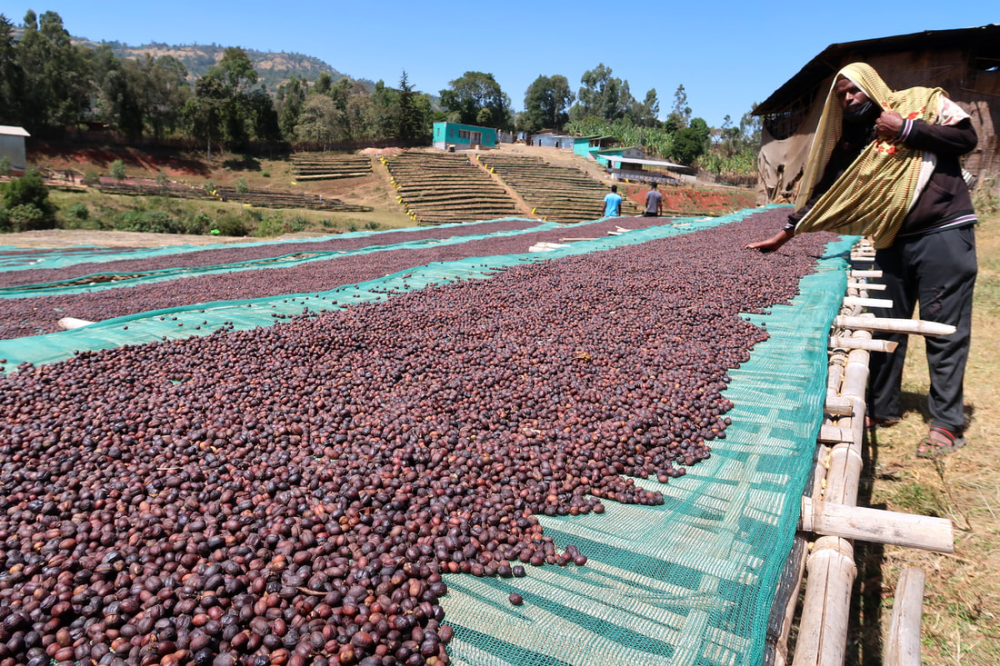
To give readers a more intuitive sense of the differences between the two regions, we’ve specifically selected two natural-processed coffee beans for comparison: one from the Yirgacheffe region and another from the Guji-Hambela region. The former is grown at altitudes of 1900 to 2100 meters in Yirgacheffe, using local heirloom varieties, with flavors characterized by light fermented wine notes, sweet orange, spices, and honey-like sweetness. The latter comes from Guji-Hambela (originally part of Sidamo), at even higher altitudes of 2250 to 2350 meters, also using heirloom varieties, with a flavor profile that includes rose, creamy strawberry, citrus, passion fruit, and subtle oolong tea notes—a rich and uniquely layered cup.
In terms of roasting recommendations, Huakui’s roast curve uses a Yangjia 800N roaster, with a charge weight of 480g, an inlet temperature of 175°C, an initial damper setting of 3, and a flame power of 120. The bean surface turns yellow at 6 minutes, first crack begins at 9 minutes 50 seconds, and the roast is completed at 196°C. Aricha, on the other hand, uses a Yangjia 600g semi-direct-fire roaster operated in hot-air mode, with an inlet temperature of 200°C, a damper setting of 3, and an initial flame power of 160, later adjusted to 120. First crack starts at 8 minutes 49 seconds, and the roast is completed at 195°C. The detailed control of both beans during roasting is designed to highlight their unique flavor characteristics.
For pour over recommendations, we use a V60 #01 filter, with water temperature controlled at 90–91°C, a coffee dose of 15g, a brew ratio of 1:15, and a grind size similar to caster sugar (approximately 80% through a #20 sieve). The specific pour over process is as follows: start with a 30g bloom for 30 seconds, followed by pouring 95g of water (total ~125g) within about 1 minute; when the water level drops to two-thirds of the coffee bed, pour another 100g of water (total ~225g), with total brew time around 2 minutes 00 seconds to 2 minutes 10 seconds. These parameters are ideal for highlighting the fruity and sweet layers of both natural beans.
Actual brewing results show that Huakui exhibits pronounced almond aromas at high temperatures, followed by berry-like acidity and sweetness, blackcurrant juice notes, and a honey finish as it cools, delivering a full and lasting sweetness. Aricha, on the other hand, feels extremely smooth on the palate, with prominent ripe fruit acidity and sweetness, and fermented fruit aromas throughout, complemented by a gentle and layered sweetness. Both beans shine in their own ways when brewed, offering coffee lovers—whether they prefer bright fruitiness or rich sweetness—a desirable flavor experience.
The above content is compiled by CoffeeHunters, a coffee news website.


