








Introduction:For coffee enthusiasts tired of the complicated steps of pour over brewing, the Smart Cup offers a simple yet stable extraction option. This article delves into this innovative brewing device originating from Taiwan—from its unique piston valve design to practical operation steps and key parameters—guiding you on how to brew a balanced cup of black coffee with the Smart Cup. Whether you’re a beginner or a coffee lover seeking efficiency, you’ll find a helpful starter guide and flavor adjustment tips here.
The Origin and Clever Design of the Smart Cup
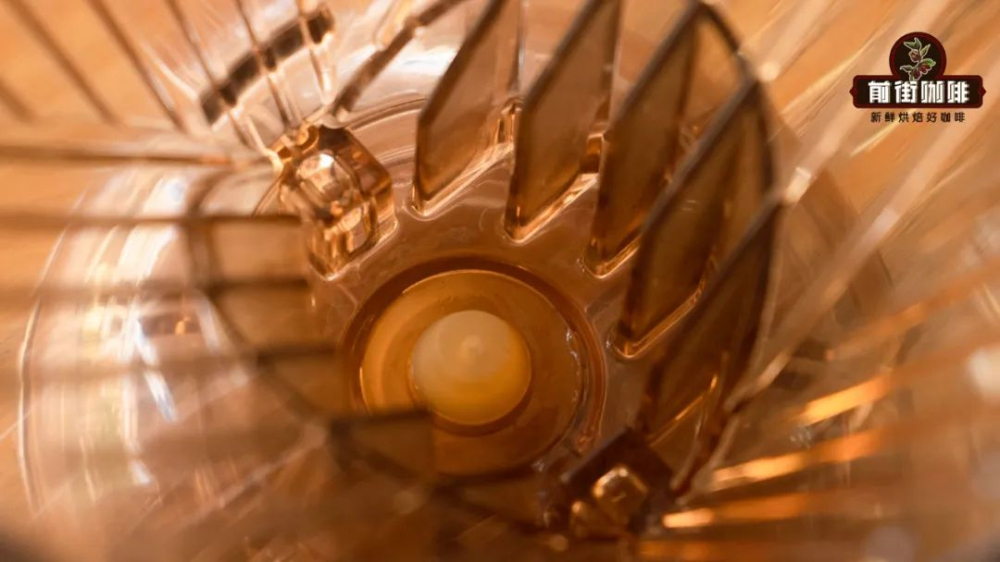
The Smart Cup was initially developed by a research team in Taiwan. At first glance, it looks like an ordinary filter cone paired with a round base, but it hides a key piston valve structure.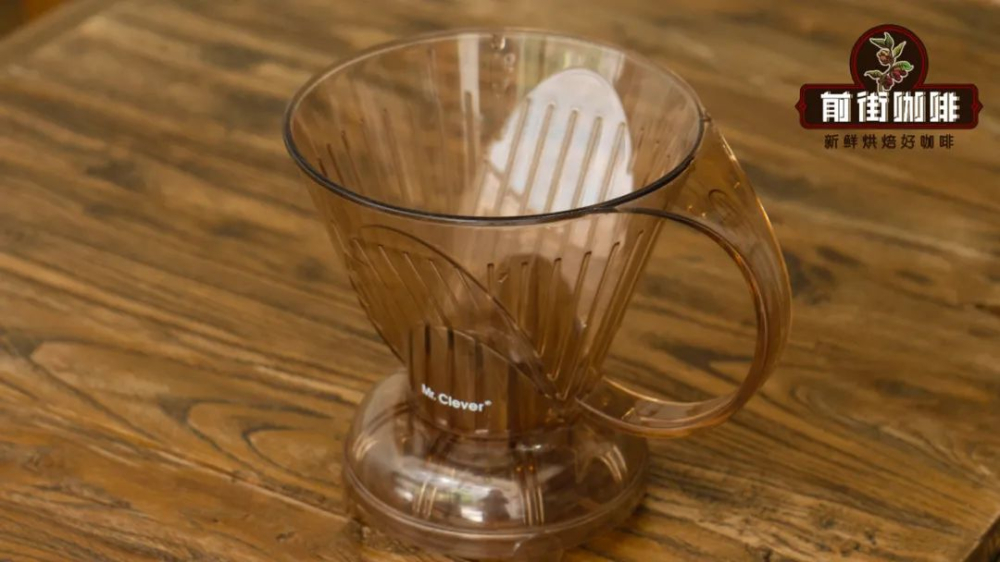 " />This rubber valve located at the base automatically controls the water flow through water pressure—tightly sealing the bottom during pouring to prevent leakage, then opening when placed down to allow the coffee liquid to slowly drip out. Compared to traditional French presses, it avoids the issue of coffee grounds residue; compared to pour over, it eliminates the need for the meticulous circular pouring technique.
 " />It’s an excellent choice for those seeking a balance between convenience and quality.
Breakdown of the Core Extraction Principle
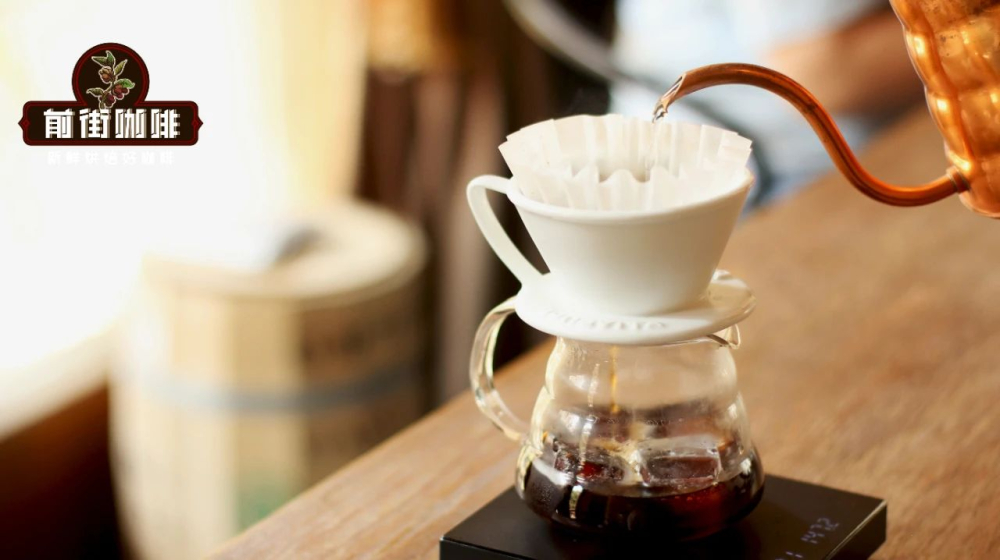
When hot water is poured into the filter cone, the water pressure pushes the rubber piston to completely seal the bottom, ensuring the coffee grounds are fully immersed.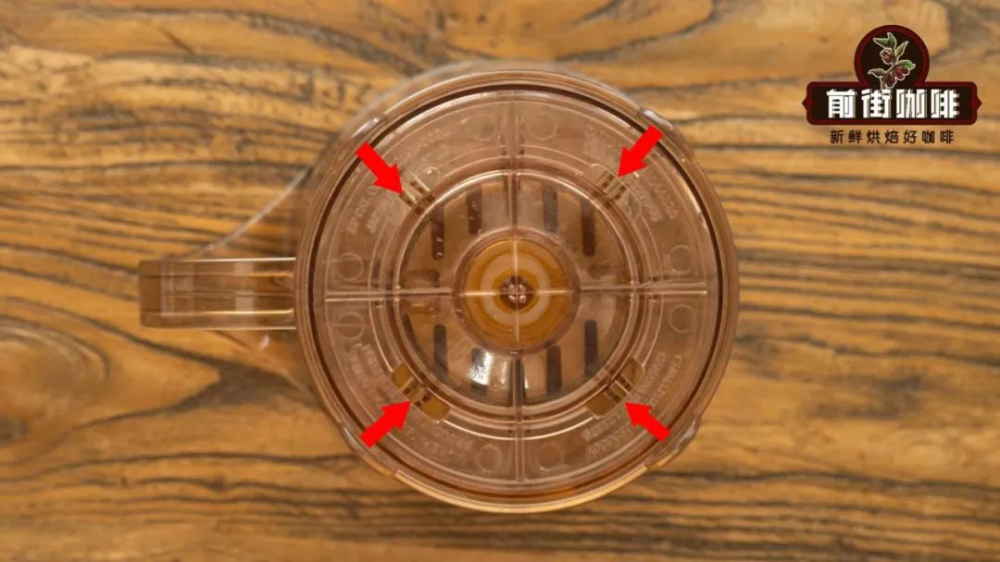 " />After the set time has elapsed, simply place the cup body gently onto the receiving container. The pressure on the base opens the valve, and coffee flows evenly out through the four drainage holes. This "immersion + drip filtration" hybrid mechanism retains the layered flavors of pour over while offering the simplicity of a French press, making it especially suitable for busy individuals or beginners.
Preparation and Equipment Checklist
Before use, prepare the following: the main Smart Cup body, a large fan-shaped filter paper that matches the size (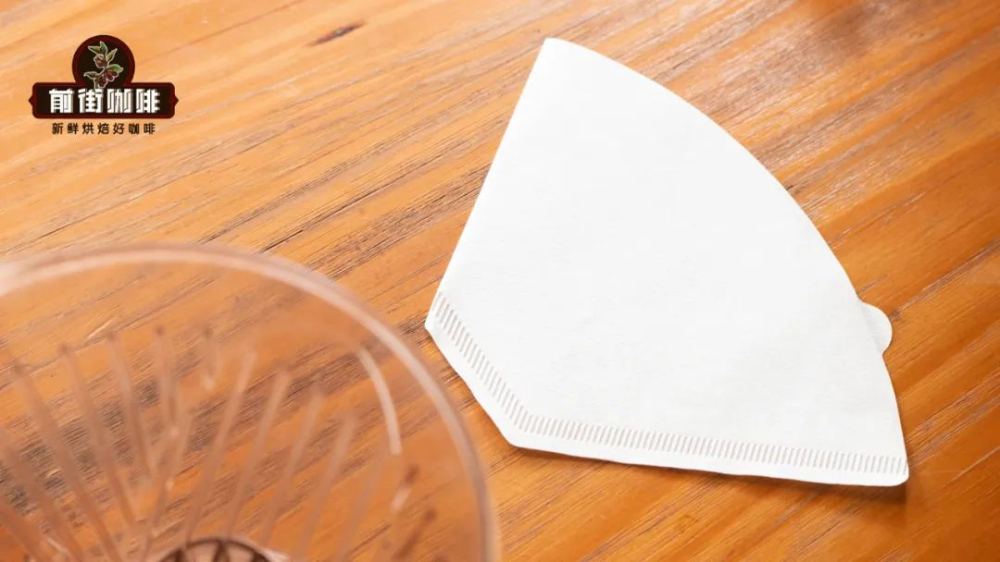 " />note that the base hole diameter must be compatible with the receiving cup rim), medium-to-dark roasted coffee beans (single-origin beans are recommended to highlight flavors), 94°C hot water, and a sharing pitcher with sufficient capacity. The filter paper not only affects the flow rate but also effectively blocks fine coffee particles. Rinsing it along with the coffee grounds and then discarding both can greatly simplify the cleaning process.
Key Parameter Setup Guide
It is recommended to use a standard pour over grind size with 80% passing rate through a #20 sieve, maintaining a coffee-to-water ratio of 1:15 (for example, 20 grams of coffee to 300 milliliters of water).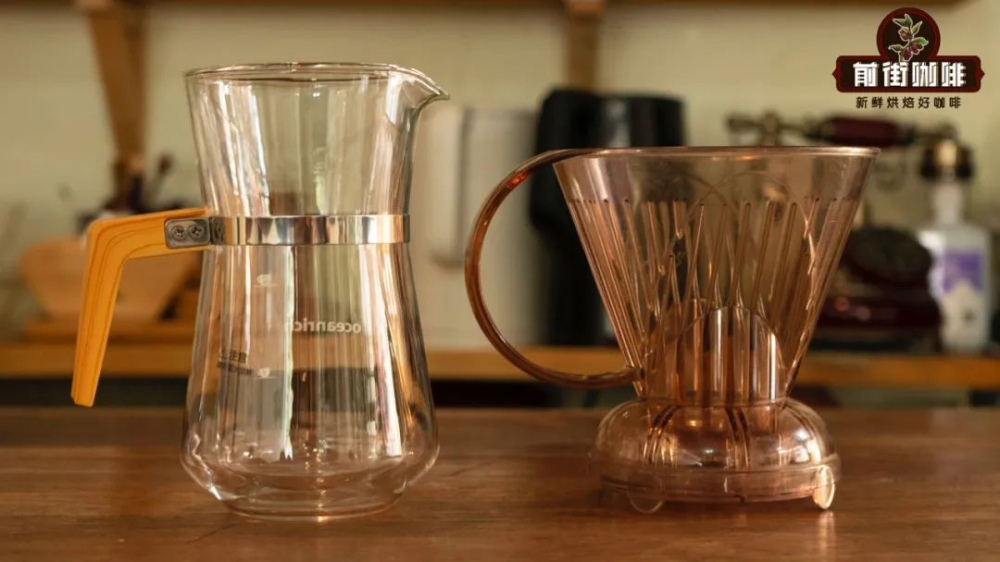 " />A grind that is too fine may lead to over-extraction and bitterness, while one that is too coarse may result in under-extraction. First-time users can start with this baseline and adjust slightly according to the bean variety—for instance, Ethiopian beans can have the coffee-to-water ratio increased slightly to 1:16 to enhance fruity notes.
Five-Step Practical Brewing Process
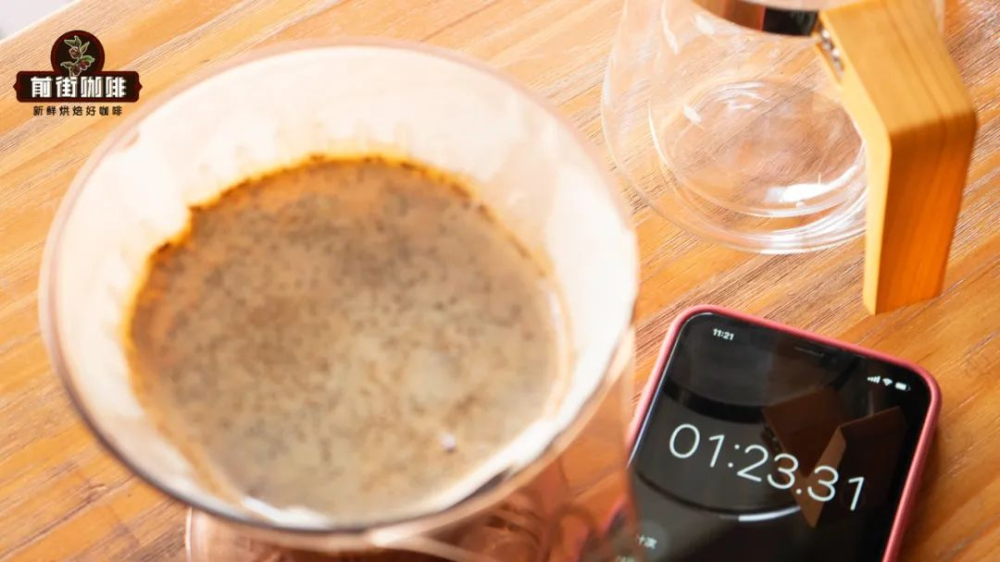
First, wet the filter paper to remove any odors and preheat the cup body.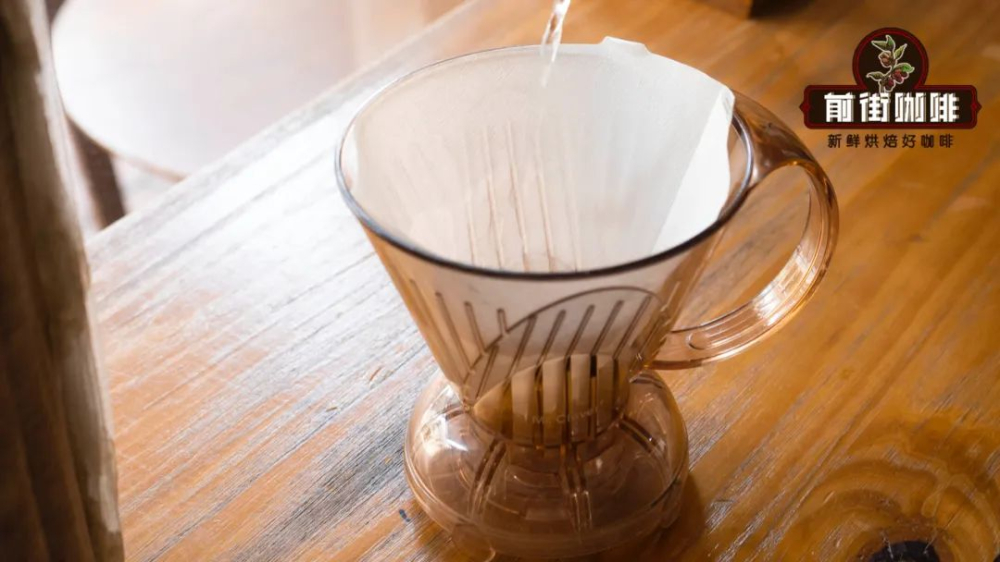 " />Then add the coffee grounds and gently tap them flat. Pour in preheated 94°C water all at once, start the timer, and let it steep for four minutes.
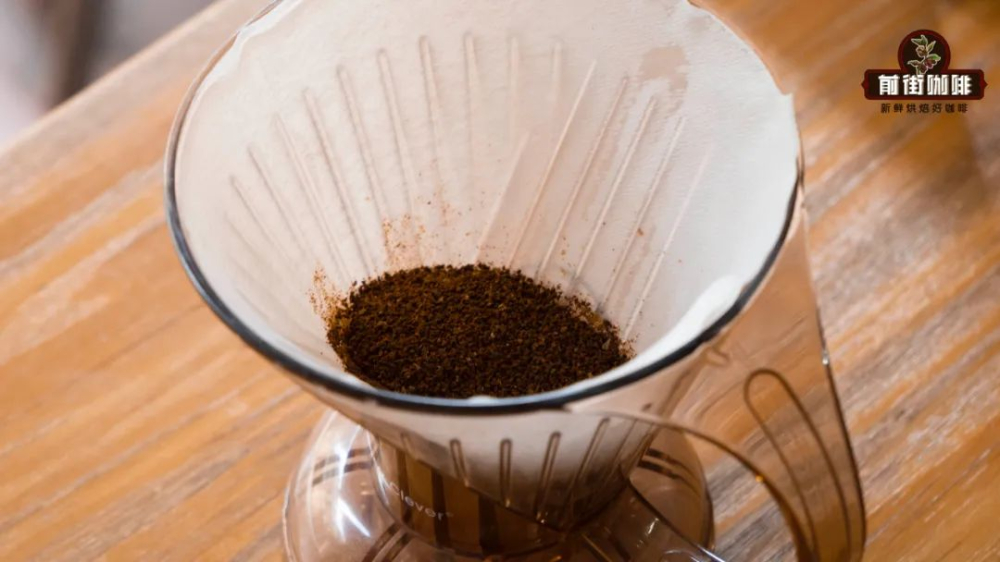 " />During this time, the coffee grounds fully expand and release flavor compounds. Once the time is up, place it steadily on the receiving cup and wait for the coffee liquid to completely drip through (this usually takes 30–60 seconds). After completion, gently swirl the coffee in the cup to even out the temperature, and it’s ready to enjoy.
 " />
Flavor Profile and Suitable Audience
In practical testing using beans from Panama’s Elida Estate, although the flavor details were slightly less nuanced than with precise pour over, the cup still clearly showcased citrus acidity and peach-like sweetness, with a slight dried raisin note in the aftertaste.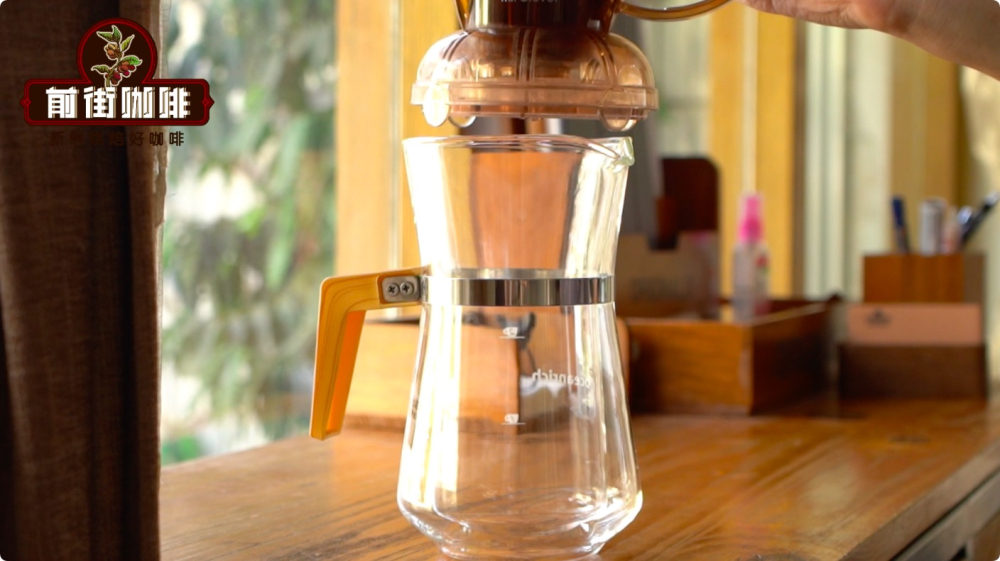 " />This brewing method is especially suitable for: ① Commuters in a morning rush ② Beginners unfamiliar with pour over techniques ③ Situations where multiple cups of coffee need to be prepared quickly. Remember that the receiving cup’s rim diameter must be smaller than the Smart Cup base, otherwise the valve may not open or close properly, affecting the flow rate.
Common Issues and Optimization Tips
If the dripping speed is too slow, check whether the filter paper is fully attached to the cup wall or if the coffee grounds are clumped. If the flavor is too weak, try extending the steeping time to 4 minutes and 30 seconds or increasing the grind size. When cleaning, it’s recommended to promptly remove any filter paper residue to avoid hard-to-clean dried gunk after drying.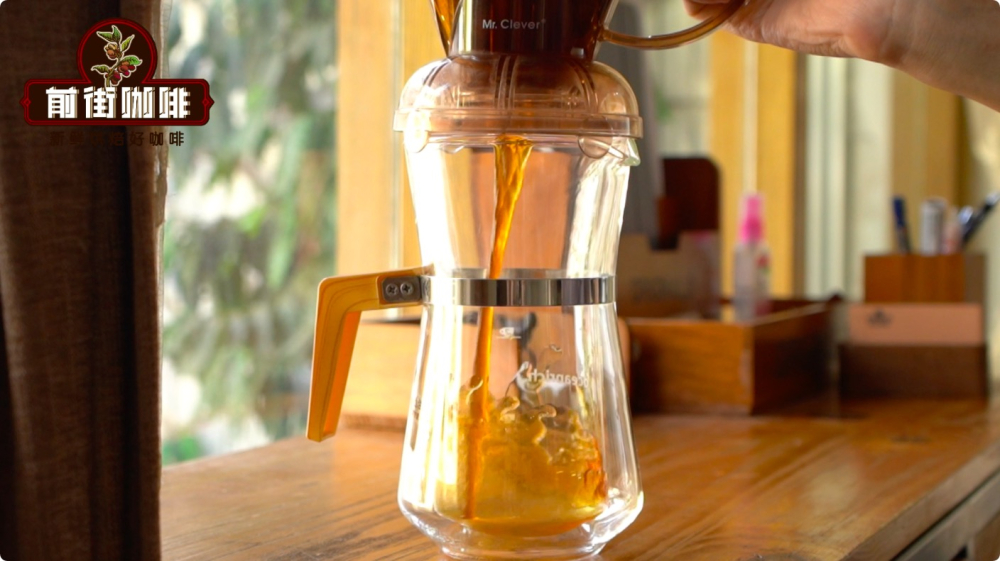 " />Regularly check the piston valve for any buildup of coffee oils, and rinse it with warm water when necessary to maintain its elasticity. These small details can help ensure a more stable and excellent brew every time.
The above content is compiled by CoffeeHunters, a coffee news website.


