







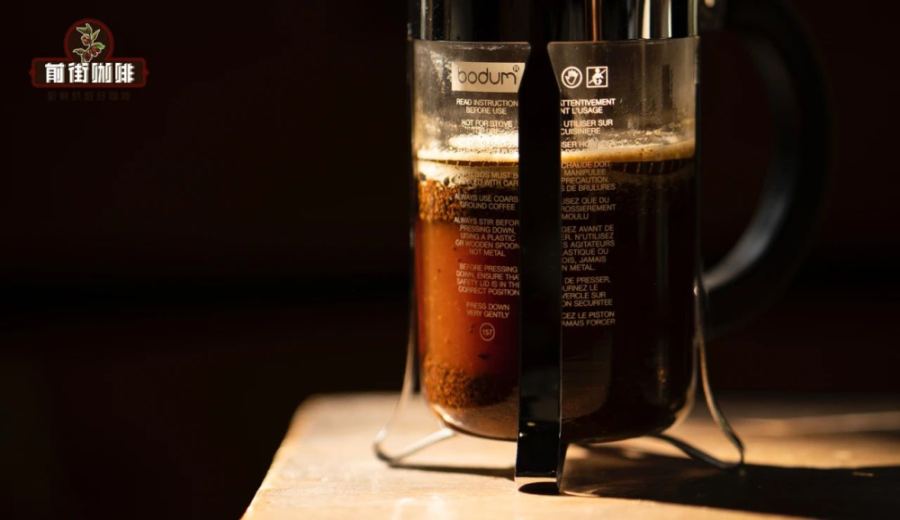
Introduction:Among immersion brewing tools, the French press and the clever dripper are top choices for many coffee enthusiasts. However, the coffee produced by each has distinct characteristics in flavor, body, and operation. This article provides an in-depth comparison of their differences—from materials, structure, brewing steps to final flavor profiles—to help you choose the right tool based on your needs and master optimal brewing parameters.
Basic Introduction to the French Press
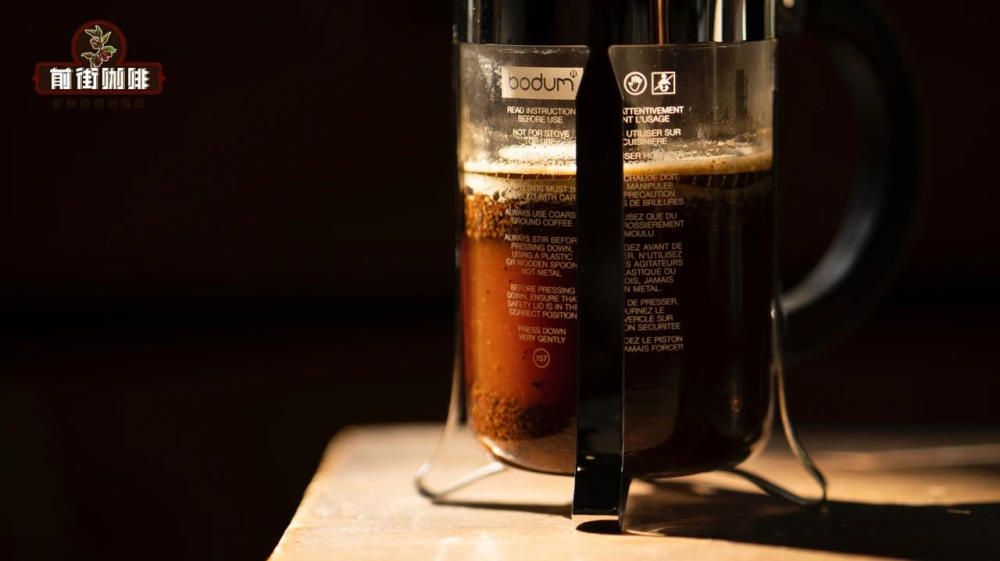
The French press, also known as a cafetière or press pot, is a simple and affordable pour over tool, primarily consisting of a heat-resistant glass carafe and a metal filter with a plunger. Its operating principle involves steeping coffee grounds with hot water, then pressing the plunger down to separate the grounds from the liquid, resulting in a rich and full-bodied cup. Even beginners can easily master it and quickly brew a decent cup of coffee with a solid baseline flavor.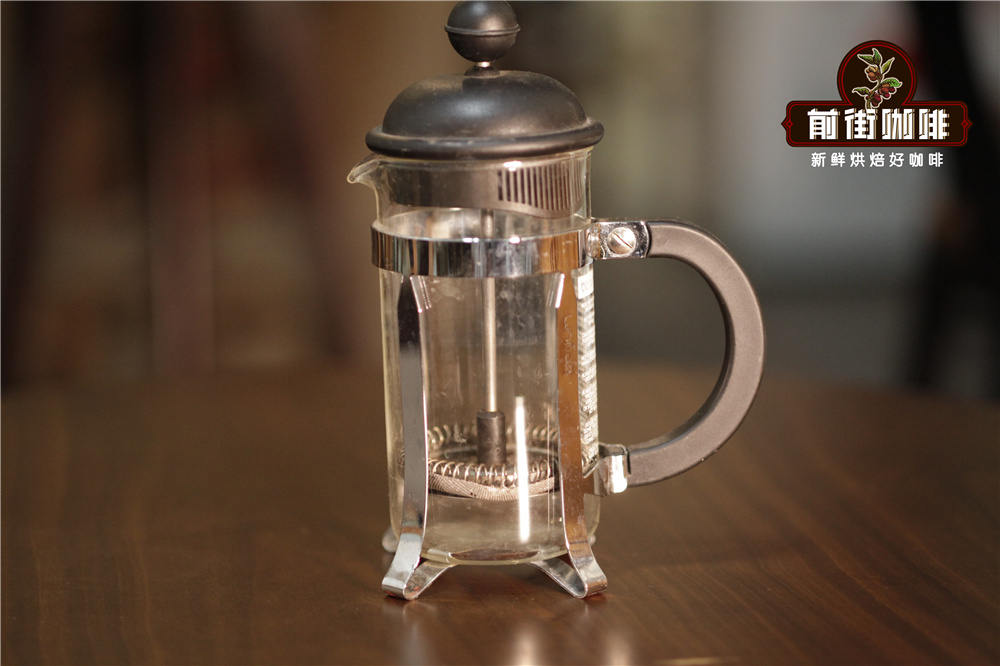 " alt="French press illustration" />
Design Highlights of the Clever Dripper
The clever dripper is dubbed "clever" mainly due to its piston valve design at the bottom of the filter. When hot water is poured in, the pressure automatically seals the valve, allowing the coffee grounds to steep fully. Once steeping is complete, placing the dripper on a server or cup and gently pressing the base opens the valve, letting the coffee flow out smoothly. It combines the advantages of both immersion and drip brewing.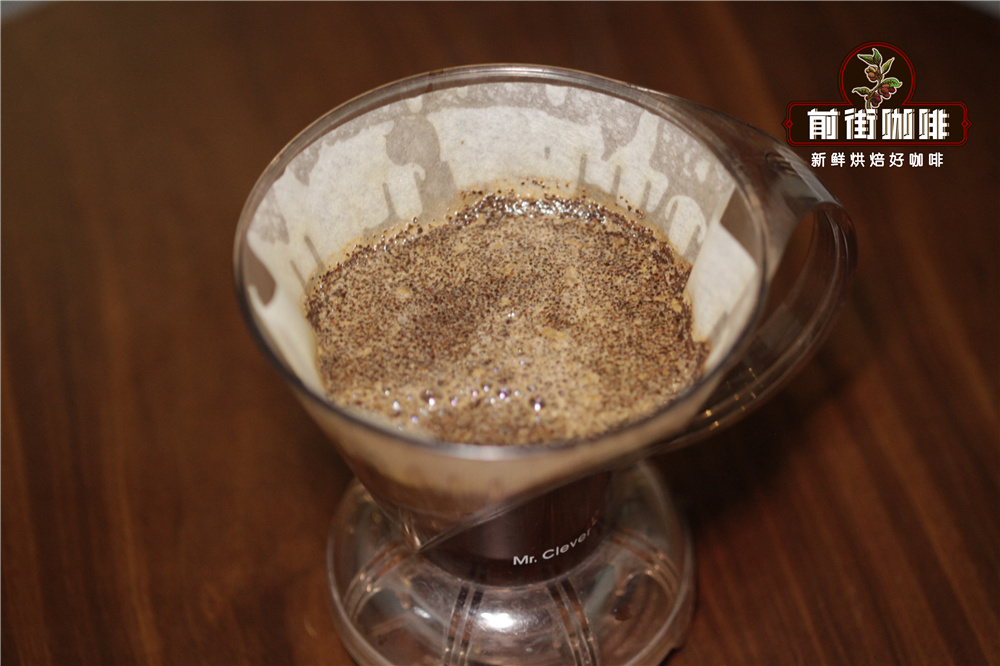 " alt="Clever dripper structure diagram" />
Key Differences Between the French Press and the Clever Dripper
There are clear distinctions between the two in design and operation:Materials: The French press is mostly made of glass, while the clever dripper primarily uses PCT material.Shape & Design: The French press has a cylindrical shape, whereas the clever dripper features a trapezoidal design.Pouring Method: The French press requires pressing the filter and pouring coffee from the top spout, while the clever dripper lets coffee flow naturally by opening the valve at the base.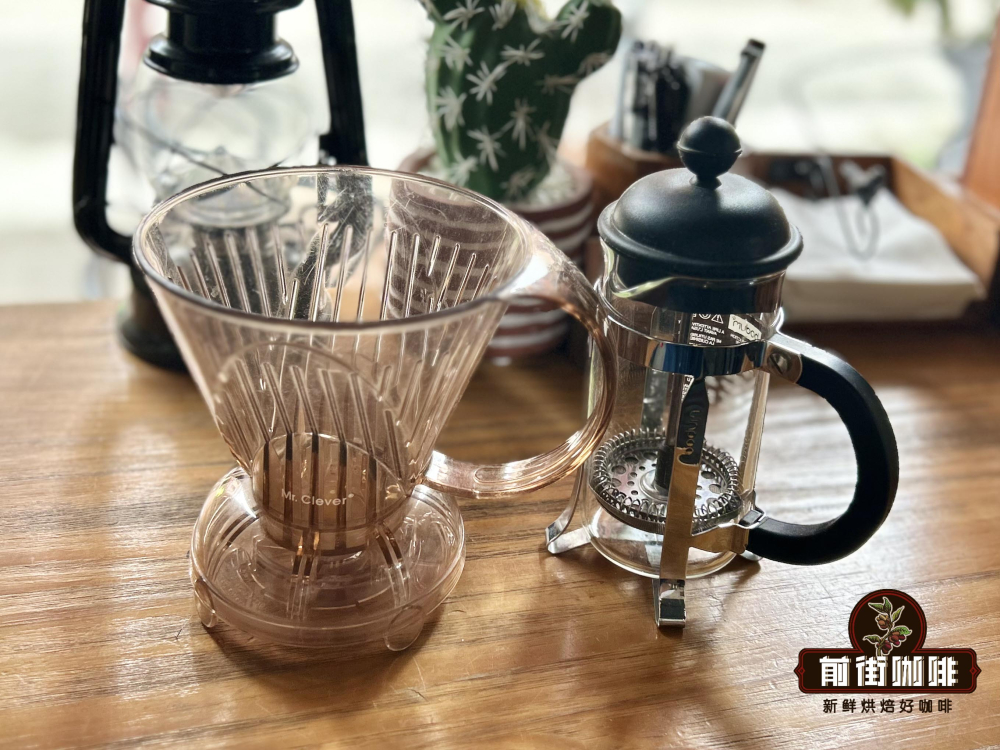 " alt="Comparison of appearance and pouring methods" />
Practical Brewing Conditions and Parameters
This experiment used freshly roasted coffee beans within five days of roasting, recommended for consumption between 5 to 35 days post-roast for optimal flavor. The beans used were “Ethiopia Yirgacheffe Natural Red Cherry,” ground to a medium-fine consistency (similar to table salt, about 80% passing through a Chinese #20 sieve), with water at 90–91°C. The coffee-to-water ratio was set at 1:15—1 gram of coffee to 15 grams of water—using 15 grams of coffee for demonstration.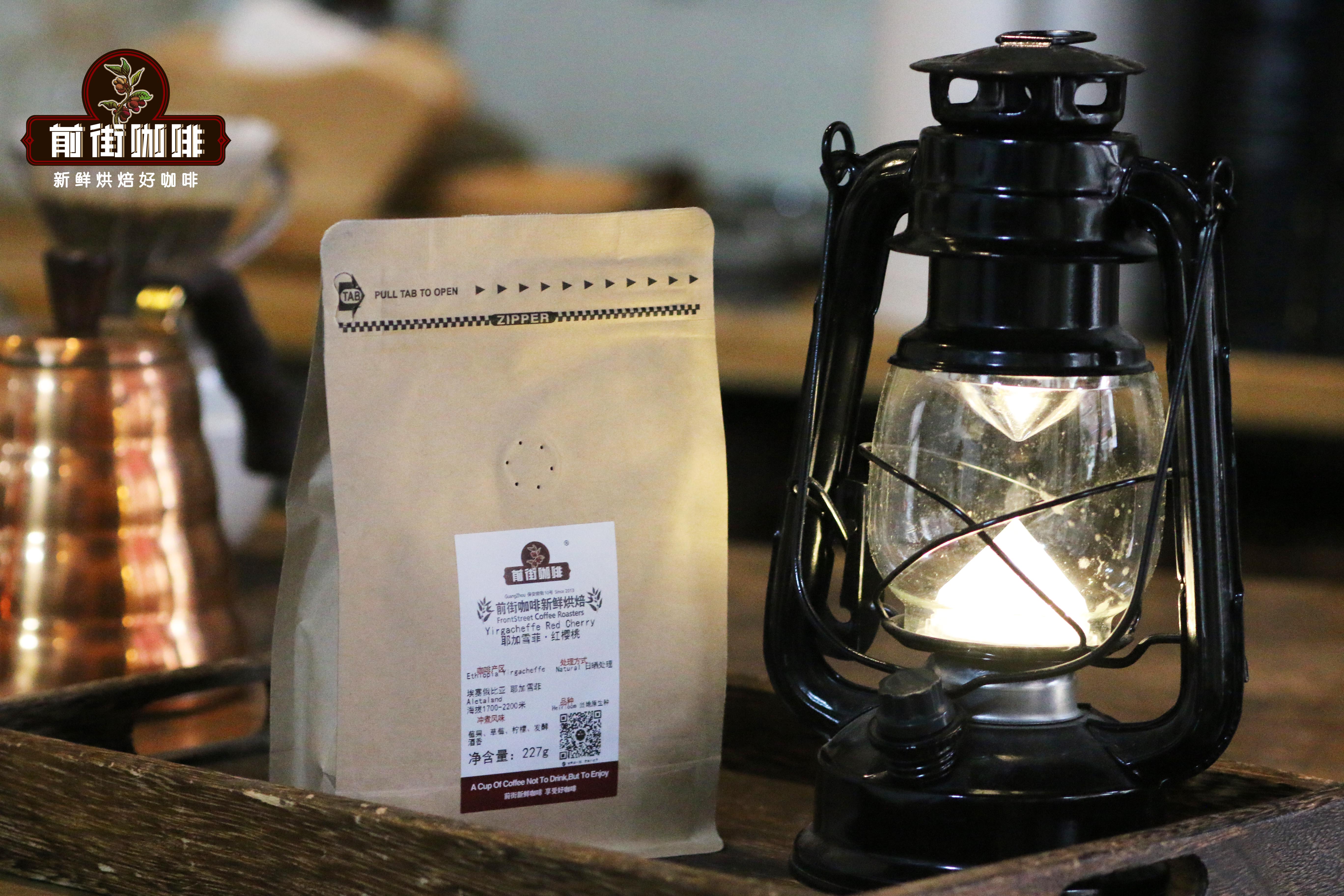 " alt="Coffee beans and parameter settings" />
Step-by-Step Operation of the Clever Dripper
Start by folding the filter paper and placing it in the clever dripper, then set the dripper on a container to rinse the filter and preheat the equipment. Next, move the dripper onto a digital scale (at this point the piston valve is automatically closed) and add the ground coffee in the center. First pour 30 grams of hot water for a 30-second bloom, then add water up to a total weight of 225 grams, and let it steep for 1 minute and 50 seconds. Finally, place the dripper over a server, open the valve to let the coffee flow out for about 15 seconds, with the entire process taking approximately 2 minutes and 5 seconds.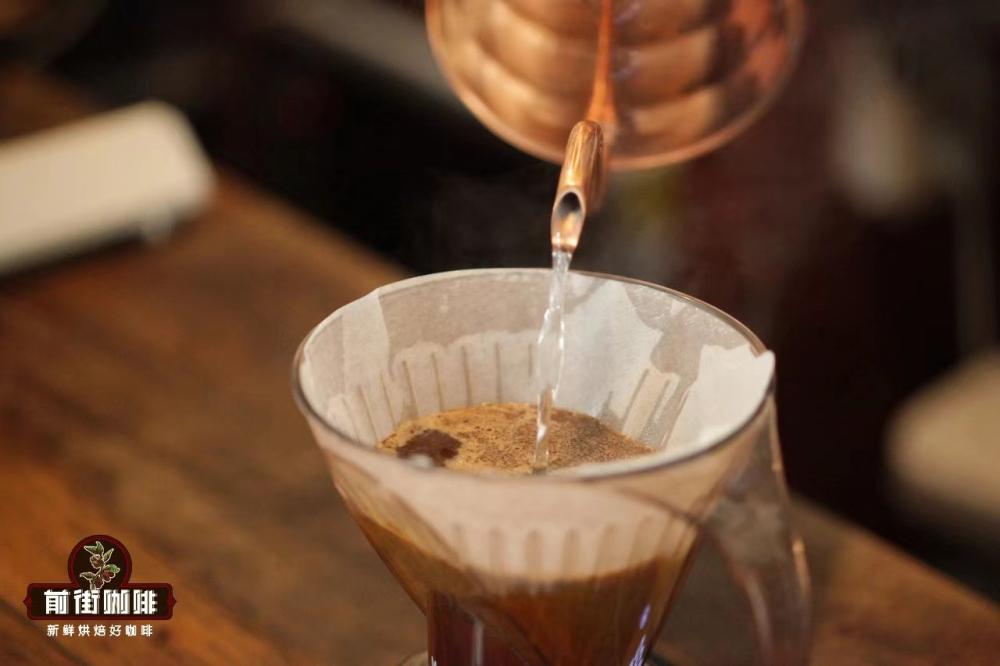 " alt="Clever dripper operation steps illustration" />
Steeping Steps for the French Press
Add 15 grams of coffee grounds into the French press, pour in 225 grams of hot water all at once, stir gently, then press down the plunger and cover with the lid. Let it steep for 4 minutes. After the time is up, slowly press the plunger down until the filter is about halfway down the carafe, then pour the coffee into your cup to complete the brew.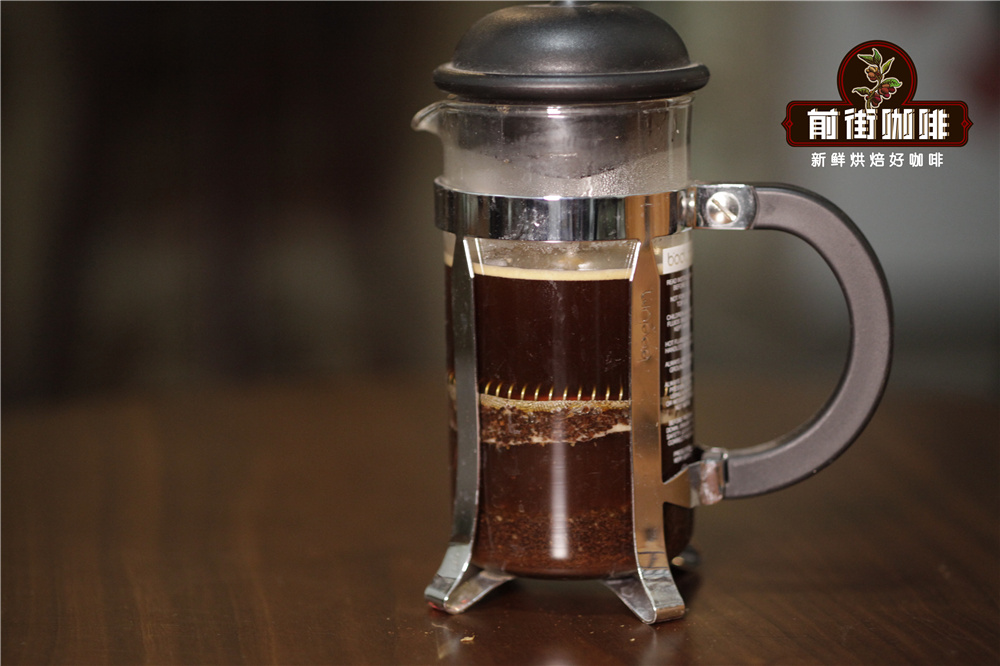 " alt="French press operation flowchart" />
Notable Differences in Flavor and Mouthfeel
The experiment found that coffee brewed with the French press appeared more cloudy. This is not contamination but rather the natural oils in the coffee, which contribute to a richer mouthfeel and smoother drinking experience. In contrast, coffee from the clever dripper was clearer and more transparent, with a defined and layered flavor profile and a relatively lighter, crisper taste. This difference mainly stems from their respective filtration methods and pouring mechanisms.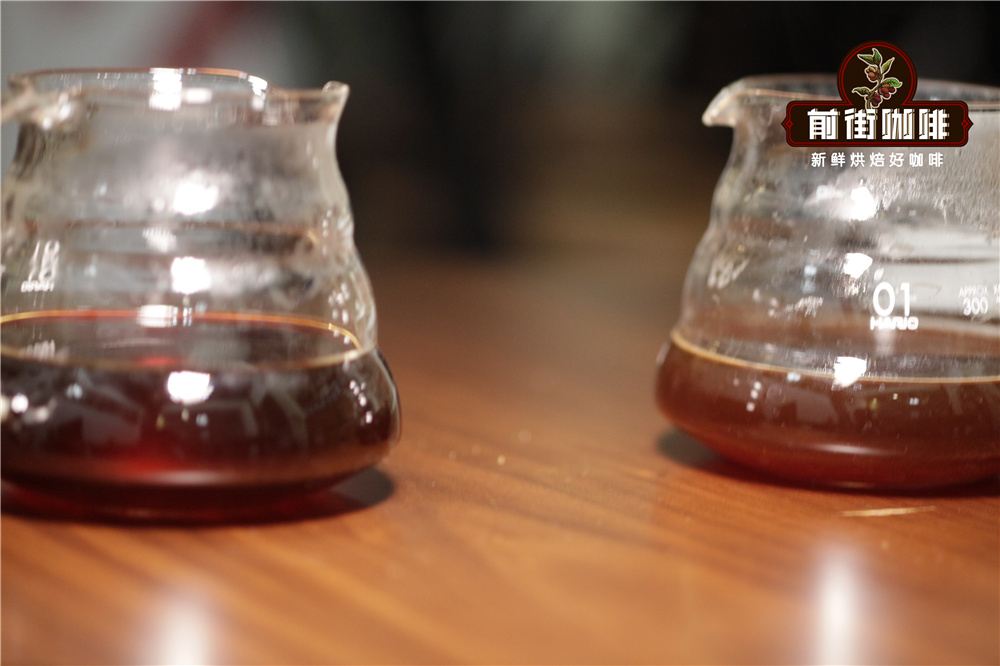 " alt="Comparison of coffee liquid appearance" />
How Filtration Affects Final Results
The French press uses a metal filter along with optional filter paper. Though not as fine as paper-only filters, it retains some coffee oils and fine particles, enhancing body and smoothness. Meanwhile, the downward pressure of the plunger helps integrate oils into the brew. The clever dripper, on the other hand, employs layered paper filtration to drip through the coffee grounds, effectively filtering out oils and micro-particles, resulting in a cleaner cup with complex yet refreshing flavor layers.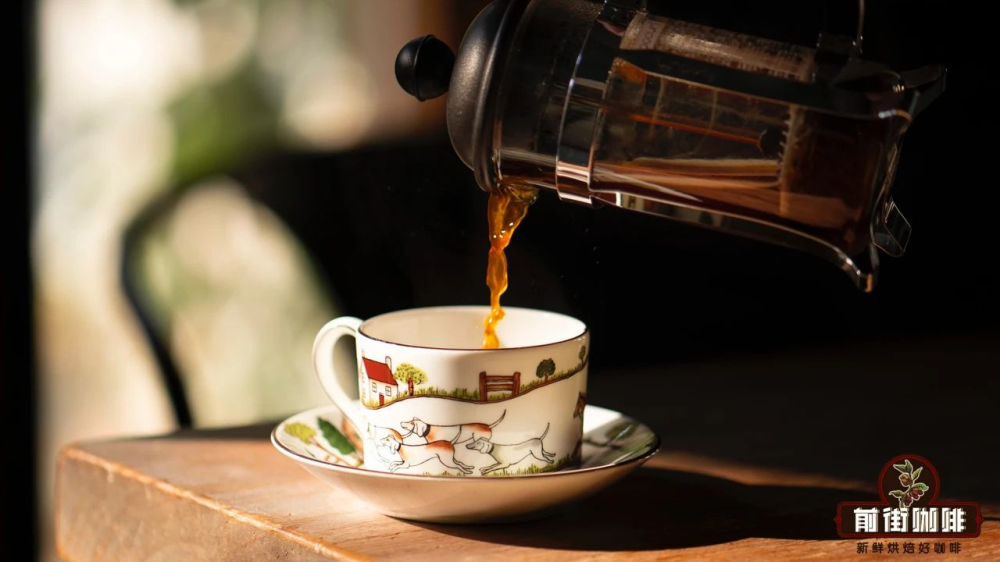 " alt="Schematic illustration of oils and filtration effects" />
The above content is compiled by CoffeeHunters, a coffee news website.


