








Introduction:Want to make a cappuccino at home but don’t have a professional steam wand? Actually, as long as you master the milk temperature, foam texture, and pouring technique, you can still create fine, velvety microfoam without a whisk, elevating your coffee’s flavor to the next level. This article dives deep into the four key elements of making cappuccino foam: milk heating temperature, foam density, foam-to-milk ratio, and milk texture, guiding you step-by-step to craft a classic Italian coffee that rivals café standards.
Want to enjoy a perfect cappuccino at home but don’t have a professional café steam machine? Does that mean you have to give up that silky-smooth layer of foam? The answer is no. Even with just a regular milk bottle or everyday tools, mastering the correct method can help you produce surprisingly impressive foam. So how can you make café-quality cappuccino foam without using a whisk? The secret lies in controlling the milk temperature, managing the foam's texture and thickness, and refining your pouring technique.
First, let’s talk about the most fundamental and critical factor — milk temperature. Many people mistakenly believe that the hotter the foam, the better. But in fact, the optimal temperature for cappuccino foam is between 55 to 65°C . Beyond this range, not only will the delicate sweetness of the coffee be overshadowed by bitterness, but it can also cause the foam to separate from the milk, significantly compromising the drinking experience. It’s recommended to feel the heat near the bottle with your palm and judge the temperature change by the sound of the steam. With practice, you’ll be able to intuitively grasp the ideal timing.

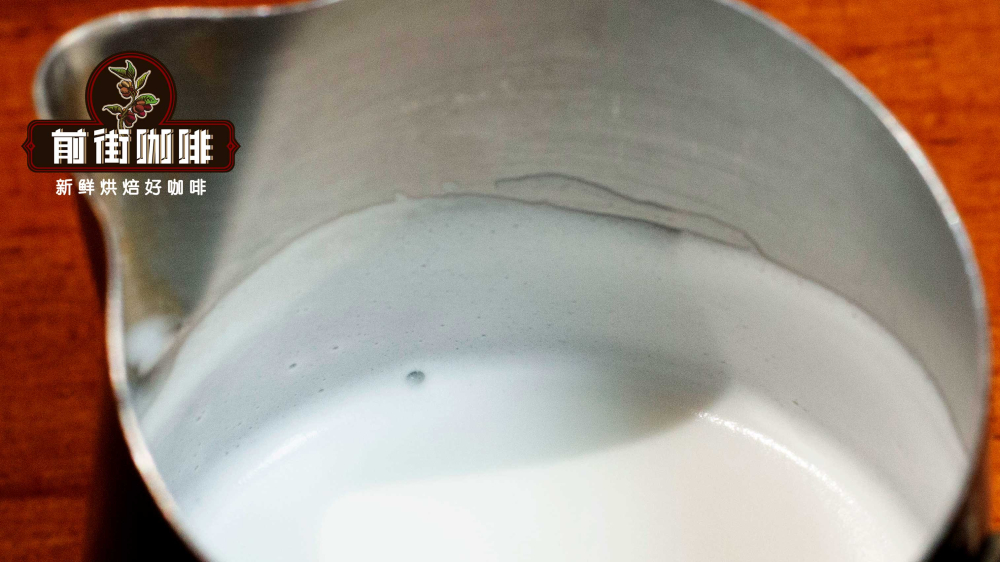
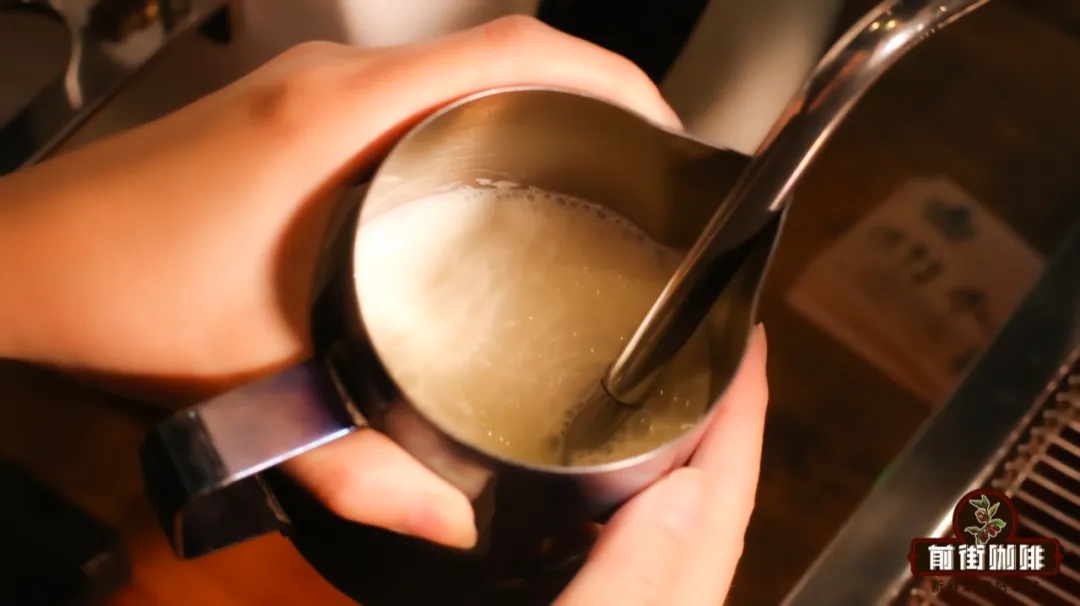
The most noticeable visual difference between a cappuccino and a latte lies in the thickness of the foam layer. A cappuccino has a richer foam layer, which contributes to a stronger milky aroma and a creamier mouthfeel.Foam densitydirectly affects the tactile feel and visual appeal of the entire drink. Fine, dense foam not only looks smooth and even but also feels silky and effortless on the palate. The key to achieving such foam is to “slowly introduce air into the milk” while ensuring the steam nozzle’s heat and air are fully integrated into the liquid, rather than pushing air to the surface to form large bubbles.
When frothing milk, observe whether the foam surface is smooth without prominent bubbles — this indicates that the air has been evenly incorporated. If large bubbles keep surfacing, it may mean the steam isn’t being used efficiently. This not only reduces effectiveness but also increases the water content in the milk, negatively affecting the final taste. Remember,foam isn’t just about whipping it up quickly — it should be created finely, quietly, and evenlyto achieve a high-quality cappuccino.
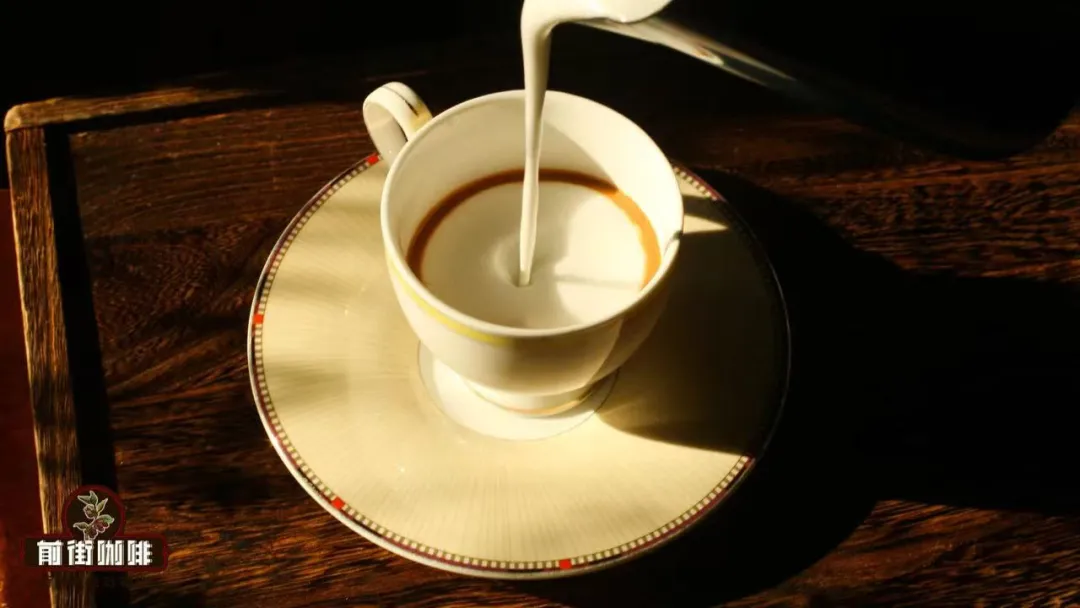
Next is the amount of foam. What makes a cappuccino special is its equal parts of espresso, steamed milk, and foam, with a relatively higher proportion of foam compared to a latte. If there’s too little foam, the milk can quickly separate from the foam after pouring, losing that perfect “melted together” sensation of foam and coffee. On the other hand, if the foam is too thick, it might mask the coffee’s inherent flavors. Therefore, it’s recommended to make the foam slightly denser and richer than that of a latte, so it can better highlight the coffee’s sweetness and aroma.
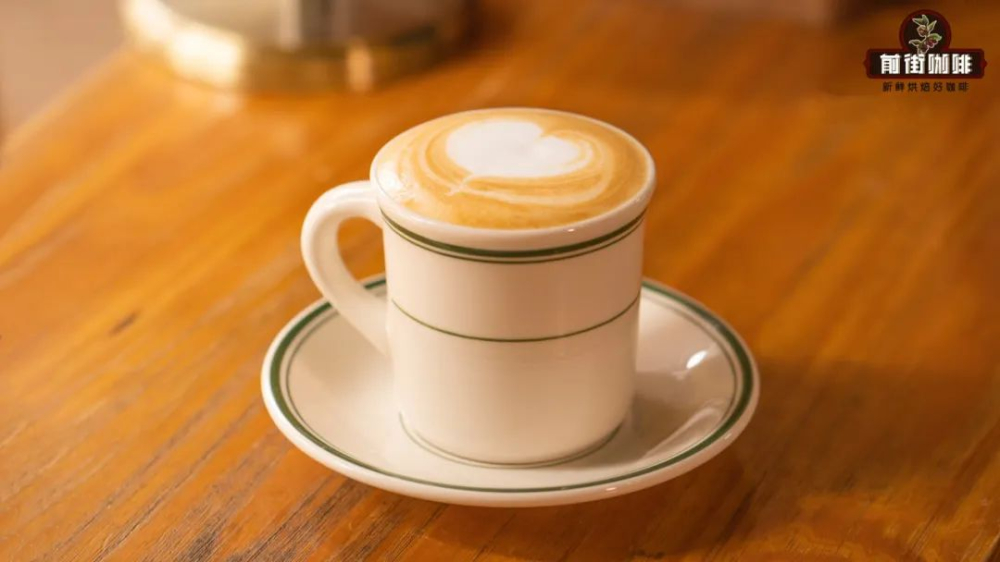
Finally,milk textureis another crucial element that shouldn’t be overlooked. Here, texture refers to the fineness of the foam’s feel and appearance. Finely textured foam feels smoother and blends more seamlessly with the espresso and hot milk. When pouring the milk, it’s advisable to gently stir to evenly mix the foam, hot milk, and espresso, preventing any single flavor from dominating and maintaining overall flavor balance. Also, when creating latte art, try not to pour in just one spot — this allows for a more natural foam distribution and enhances both the texture and aesthetics of the cappuccino.
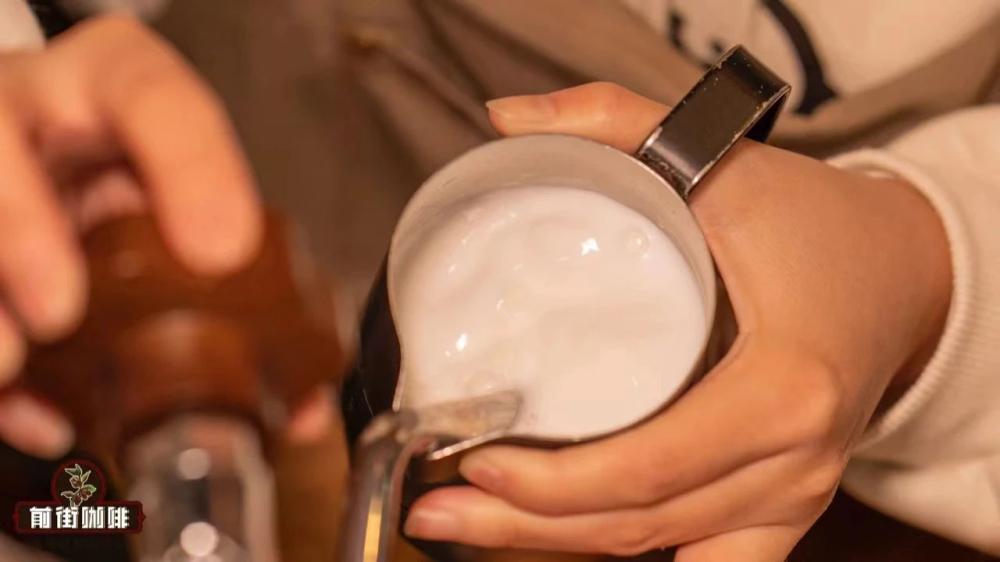
In summary, even without professional steam equipment at home, as long as you master these four key aspects: heating the milk to the 55-65°C optimal temperature range, carefully controlling foam density, maintaining an appropriate foam ratio, and paying attention to milk texture and pouring technique, you can make a cappuccino at home that’s almost on par with those from cafés. Don’t forget, during practice, observe the foam’s condition, listen to the steam sounds, and feel the temperature changes with your hand — these details will help you refine your homemade coffee skills step by step.

Crafting a successful cappuccino is not just about technical skill — it’s also a pursuit of the finer details of coffee flavor. From selecting the milk, controlling the temperature, to managing the foam’s texture and pouring method, each step influences the final taste and experience. Now, take these practical tips and try crafting your own perfect cappuccino at home.
The above content is compiled by CoffeeHunters, a coffee news website.


