








Introduction:Espresso and Americano are often confused, but in reality, they differ significantly in preparation methods, flavor characteristics, and suitable scenarios. This article delves into their definitions, extraction ratios, differences between hot and iced versions, and explores how adding sugar or milk affects flavor. It also provides practical reference ratios for espresso with water and milk, helping beginners grasp basic brewing logic and enabling advanced enthusiasts to better understand how to adjust for their ideal taste.
In the world of coffee, just hearing the words "espresso" and "Americano" can already confuse many. Though they differ by just one word, they represent not only different types of drinks but also involve distinct brewing methods, flavor profiles, and drinking cultures. This article will start with the basic definitions, guiding you to understand the essential differences between espresso and Americano, and detailing their brewing ratios, methods for hot and iced versions, as well as suggestions and impacts of adding sugar or milk.
First, the term "espresso" originates from Italy and originally referred specifically to the concentrated coffee made using a semi-automatic coffee machine. Since these machines originated in Italy, the related processes and end products are also commonly referred to as "espresso." However, because pure espresso is highly concentrated and served in small portions, many people add milk, syrup, or other ingredients when drinking it, leading to the creation of various specialty coffees such as latte, cappuccino, and flat white—all of which also fall under the "espresso" category.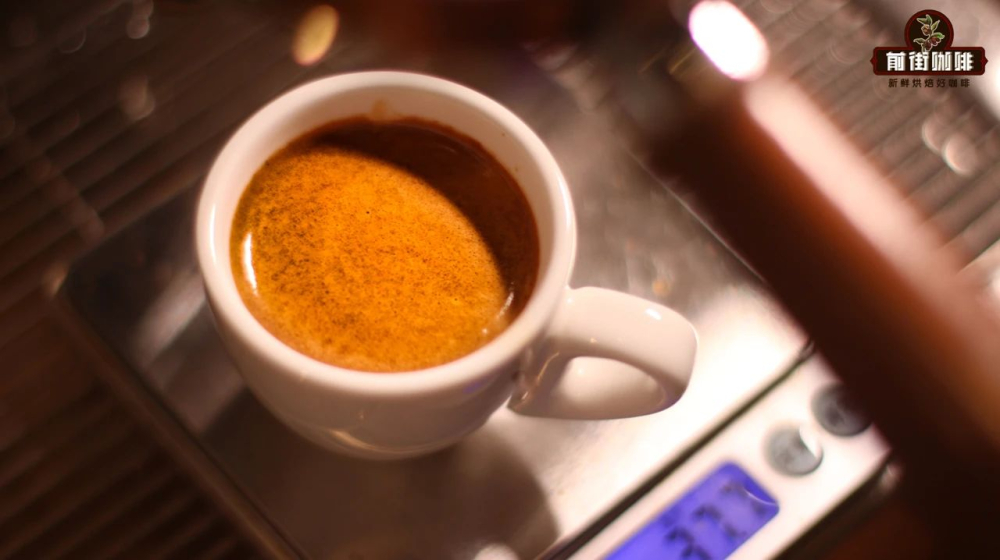
As for "Americano," it is a beverage derived from espresso. Legend has it that during World War II, American soldiers, upon first trying Italian espresso, were unaccustomed to its strong and bitter taste, so they asked the baristas to dilute the espresso with hot water. This brewing method unexpectedly gained popularity and gradually became a standard practice, hence being called "Americano." In short, Americano is simply espresso with added hot water, making it one of the most basic espresso-based drinks.

In actual brewing, the ratio of espresso to water in an Americano is crucial. Taking common manual preparation as an example,1:4.5 is a classic ratio—that is, using 40 grams of espresso with 180 grams of hot water, which can deliver a balanced and layered taste. For iced Americano, it is recommended to use 100 grams of large ice cubes plus 120 grams of water, with the ratio adjustable to 1:2.5:3, thus maintaining a moderate concentration while offering a sweet and refreshing aftertaste with acidity.
It’s worth mentioning that the golden foam often seen on top of an Americano—known as crema—not only affects visual appeal but also enhances aroma and taste. Moderate crema can improve the delicate mouthfeel of coffee and is also one of the important indicators of coffee freshness.
So, can you add sugar or milk to an Americano? The answer is yes, and for those who are not used to bitterness, a moderate addition can greatly improve the drinking experience. For example, if you choose a medium-dark roasted coffee bean (such as the Warm Sun Blend), it is recommended to control the coffee-to-water ratio at 1:4—that is, 40 milliliters of espresso with 180 milliliters of hot water, served in a 240-milliliter ceramic cup—which can present a mellow, balanced flavor with a hint of sweetness.
If you prefer a more pronounced milky taste, you can also adjust the ratio to 1:4 for coffee and water, first pouring in 160 milliliters of hot water, then adding 40 milliliters of espresso, and subsequently adding about 30 milliliters of fresh milk based on the guideline of 15 milliliters of fresh milk per 100 milliliters of black coffee. This way, whether in terms of concentration, mouthfeel, or aroma, a good balance can be achieved.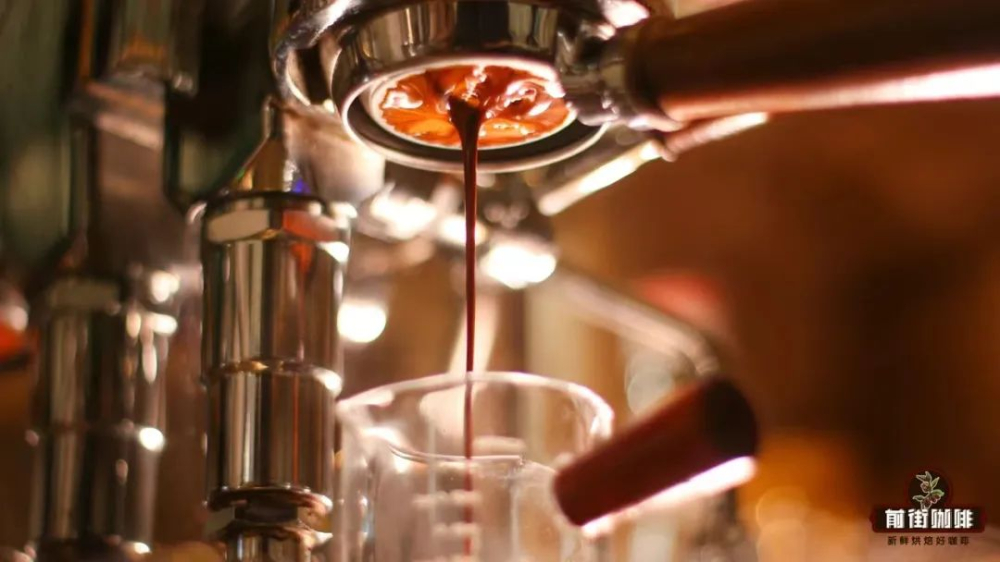
Additionally, if you enjoy cold drinks, you can also refer to the logic of iced Americano, using an appropriate ratio of ice and water to control overall concentration and flavor release. Whether hot or cold, adjusting the combination of espresso, water, and milk is key to creating a personalized coffee flavor.
In summary, understanding the essential differences between espresso and Americano can give you more direction when choosing or brewing. From extraction ratios and hot/iced methods to ingredient suggestions, each step affects the final taste. We hope this analysis helps you enjoy each cup of coffee more confidently, whether it’s a pure black coffee or a comforting version with added milk.
The above content is compiled by CoffeeHunters, a coffee news website.


