







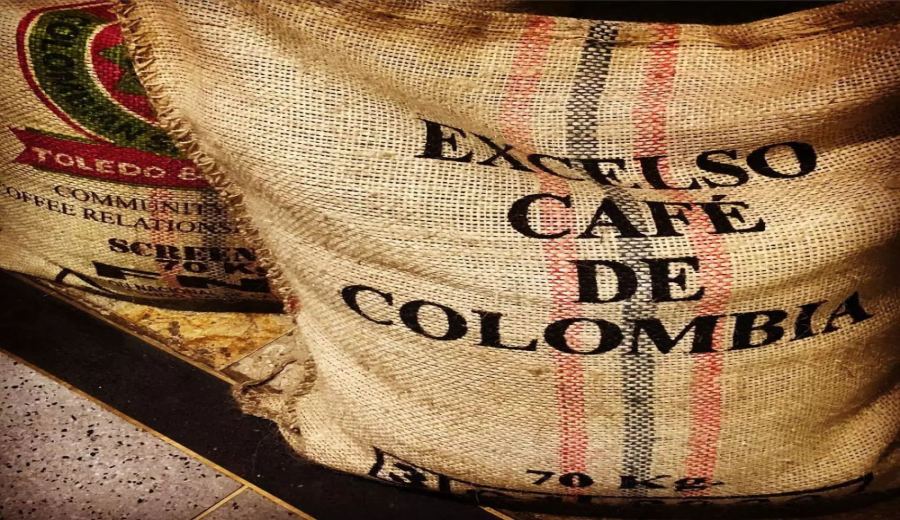
Introduction:Delve into how Colombia’s Huila region, with its high altitudes and volcanic soils, produces specialty coffees with bright acidity and flavors of nuts and caramel. This article will explore Huila’s geographical conditions, the characteristics of its main cultivars Caturra and Catuai, the washed processing method, and provide practical V60 pour over parameters to help you master the brewing essentials of this classic origin.
Colombia is a world-renowned coffee-producing country, not only ranking high in production but also being the largest exporter of washed Arabica beans. Among its many specialty coffee regions, Huila Province in the south stands out with its unique geography, creating charming flavors that are soft in acidity, with notes of berries, nuts, and caramel. This article will take you on an in-depth exploration of Huila’s historical background, geographical and climatic conditions, main cultivars, washed processing techniques, and includes pour over parameter recommendations to help you gain a more comprehensive understanding of this highly acclaimed coffee origin.
Colombia boasts an exceptionally favorable geographical environment. Located in the northern part of South America, it features both mountainous and plains terrains with diverse climates. Particularly in the eastern and southern mountainous areas, frequent volcanic activity has enriched the soil with minerals, providing excellent conditions for coffee cultivation. As a result, the country is not only the world’s third-largest coffee producer but also consistently ranks as the top exporter of both Arabica and washed coffee beans.
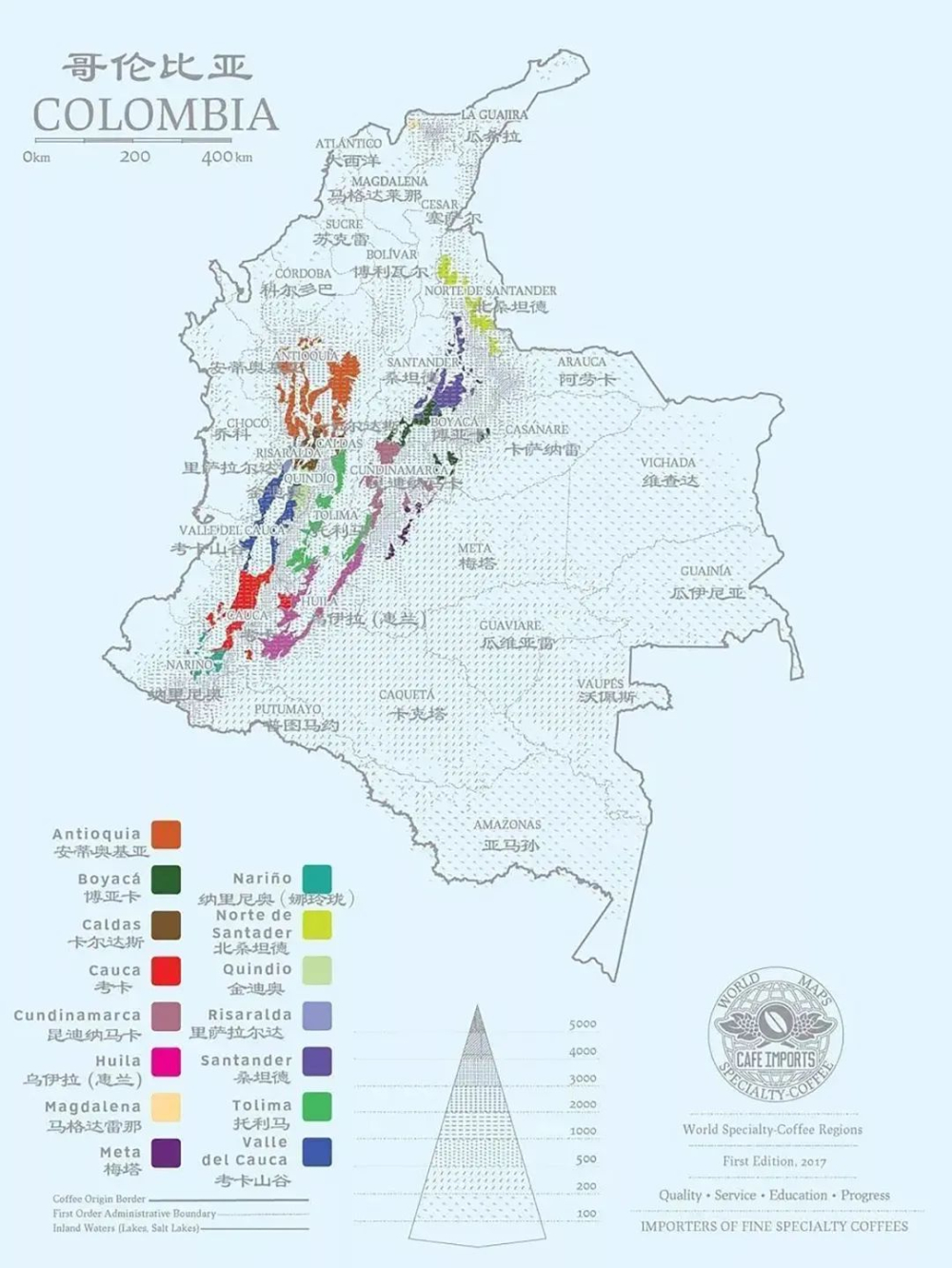
Huila Province is situated in the southern section of Colombia’s Central Cordillera and is one of the country’s key specialty coffee regions. The area is predominantly mountainous, with elevations generally exceeding 1,500 meters. It is also located at the confluence of several major rivers, ensuring abundant water supply and a humid climate—ideal for coffee growth. The clever combination of valleys and sloped terrains not only mitigates the potentially extreme low temperatures of high altitudes but also provides a significant diurnal temperature variation, helping coffee cherries ripen slowly and accumulate richer flavor compounds.
Currently, the main cultivars grown in the Huila region are Caturra and Catuai. Caturra is a natural mutation of the Bourbon variety, characterized by shorter plants, dense fruit clusters, and relatively high yields per unit area. Its coffee beans are typically roundish with a slight curve, often exhibiting bright acidity, a clean cup profile, and notable sweetness.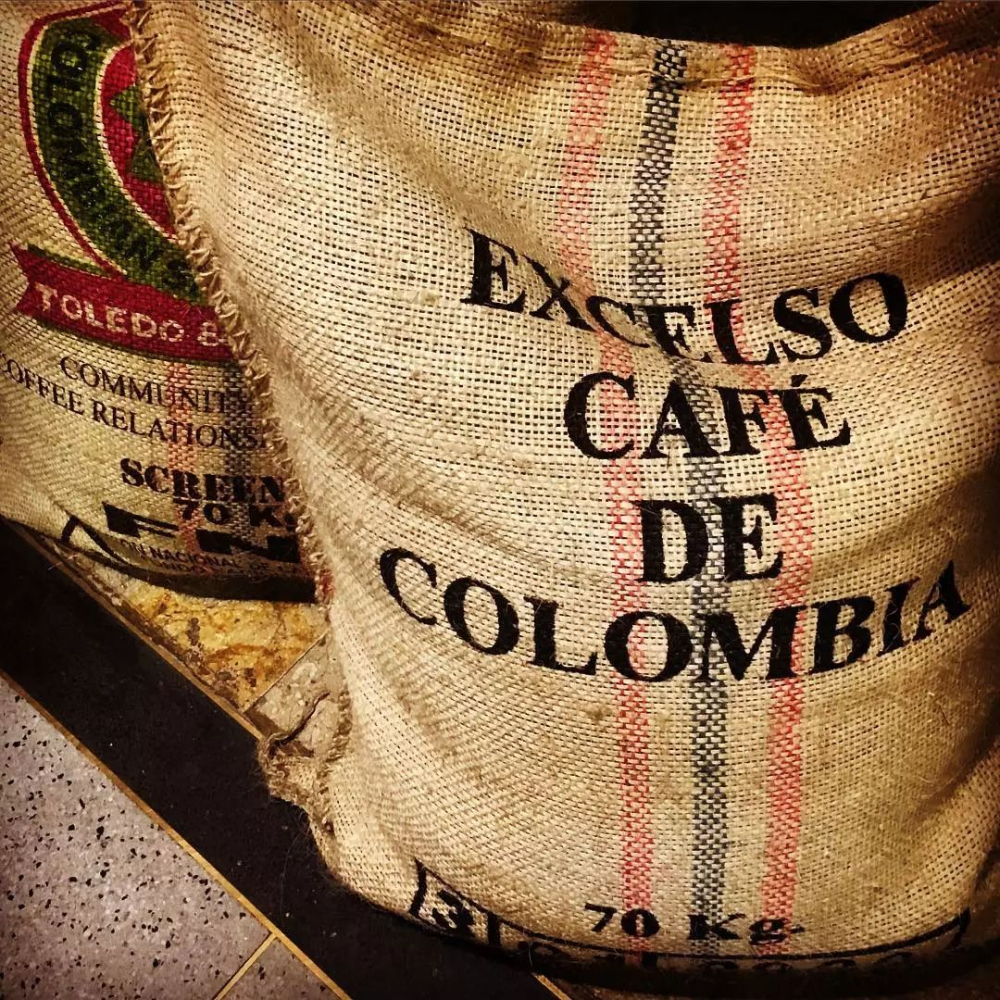
Catuai is a hybrid of Caturra and the Mundo Novo variety, combining the strengths of both parents. This variety offers good disease resistance and high productivity while retaining Caturra’s clarity of acidity and moderate fruitiness. Due to its compact plant size, it allows for higher planting density. Catuai beans are oval and somewhat flat, with gentle acidity, a clean cup, and often exude rich fruity aromas.
In Huila’s high-altitude and volcanic soil environment, these two varieties showcase intense berry acidity, nutty tones, and pronounced caramel sweetness. The overall flavor profile is balanced and layered, with a long-lasting sweetness that has won the hearts of coffee lovers worldwide.
Coffee harvesting in Colombia is mostly done manually to ensure only ripe red cherries are picked, maintaining quality. For processing, the washed method (Washed Process) is commonly used locally to preserve the coffee’s bright acidity and clean taste.
The washed processing procedure typically follows these steps: First, freshly harvested coffee cherries are poured into a water tank, where unripe or overripe defective beans are removed using buoyancy principles. Next, a depulper is used to remove the outer skin and pulp, though the coffee beans still retain a sticky mucilage layer. The mucilage-covered beans are then transferred to fermentation tanks, where microbes break down the mucilage over 16 to 36 hours of fermentation. After fermentation, the remaining mucilage is thoroughly rinsed off with large amounts of clean water. Finally, the cleaned beans are evenly spread out for sun drying or mechanical drying until their moisture content reaches the standard range.
Under this rigorous processing procedure and the region’s exceptional growing conditions, Huila-produced coffee beans demonstrate a high level of quality consistency and distinctive flavor profiles, making them a top choice for many baristas and consumers when selecting single-origin beans.
If you’d like to experience the classic flavors of the Huila region, consider trying coffee beans grown at 1,500–1,800 meters altitude, of the Caturra variety, and processed using the washed method. Such beans typically exhibit soft fruit acidity, nutty aromas, dark chocolate notes, and a pronounced caramel aftertaste—ideal for coffee drinkers who enjoy balanced flavors and layers of sweetness.
When brewing this Huila washed coffee, it is recommended to use a V60 filter to achieve a clear and bright flavor expression. Below are practical pour over parameter suggestions:
Filter:Hario V60
Water temperature:90°C
Coffee dose:15 grams
Coffee-to-water ratio:1:15
Grind size:Medium grind (similar to white sugar in coarseness, about 73% passing through a Chinese standard #20 mesh sieve)
Suggested brewing steps: First, place the coffee grounds into the V60 filter and perform a 30-second bloom with hot water equal to approximately twice the coffee dose (about 30 grams) to allow the grounds to fully expand and release aroma. Then, pour water steadily in small streams, moving in circles from the center outward. When the total water volume reaches 125 grams, perform the first pour break. After a brief pause for the coffee bed to settle, continue pouring with the same fine stream up to 225 grams, keeping the overall extraction time around 2 minutes. These parameters help balance acidity and sweetness, highlight clear fruit notes, and deliver a rich finish—suitable for everyday drinking and further exploring layers of coffee flavor.
It is particularly important to note that to preserve optimal flavor, it is recommended to use freshly roasted coffee beans within 5 days of roasting, and store them properly in a dark, low-oxygen, and cool environment to slow down flavor degradation, ensuring a complete and satisfying brewing experience every time.
The above content is compiled by CoffeeHunters, a coffee news website.


