







Introduction:The Yirgacheffe Red Cherry Project is one of Ethiopia’s most iconic specialty sun-dried coffees, renowned for its intense tropical fruit sweetness and rich body. This article delves into its origin background, meticulous sun-drying process, and the key factors behind its unique flavor profile. It also provides practical pour over parameters and tasting suggestions to help you fully appreciate the bold charm of this African coffee.
Yirgacheffe, a renowned specialty coffee region in southern Ethiopia, has long been celebrated worldwide for its bright acidity and floral-fruit aromas. Among various processing methods, the natural (sun-dried) process preserves the original flavors of the coffee cherry to the greatest extent, and the "Red Cherry Project" takes this technique to the extreme—crafting a top-tier bean that combines sweet fruity notes with a full-bodied texture.
The coffee beans of the Red Cherry Project come from high-altitude plantations in the Yirgacheffe region. The coffee trees here grow in fertile red soil rich in minerals, coupled with significant day-night temperature variations, which nurture coffee cherries with intense and layered flavors. This project specifically selects fully ripe red cherries, which undergo rigorous manual sorting to remove unripe or defective beans, retaining only the highest-quality coffee fruits for subsequent processing.
During processing, farmers place the whole coffee cherries, complete with their pulp, on elevated drying beds for prolonged sun exposure. This raised-bed drying method not only prevents the coffee from contacting the ground and absorbing impurities but also ensures even heat distribution in a stable ventilated environment. The entire sun-drying process usually lasts over two weeks, during which workers frequently turn the coffee cherries to ensure uniform drying for each bean, ultimately yielding dark brown, glossy coffee cherries.
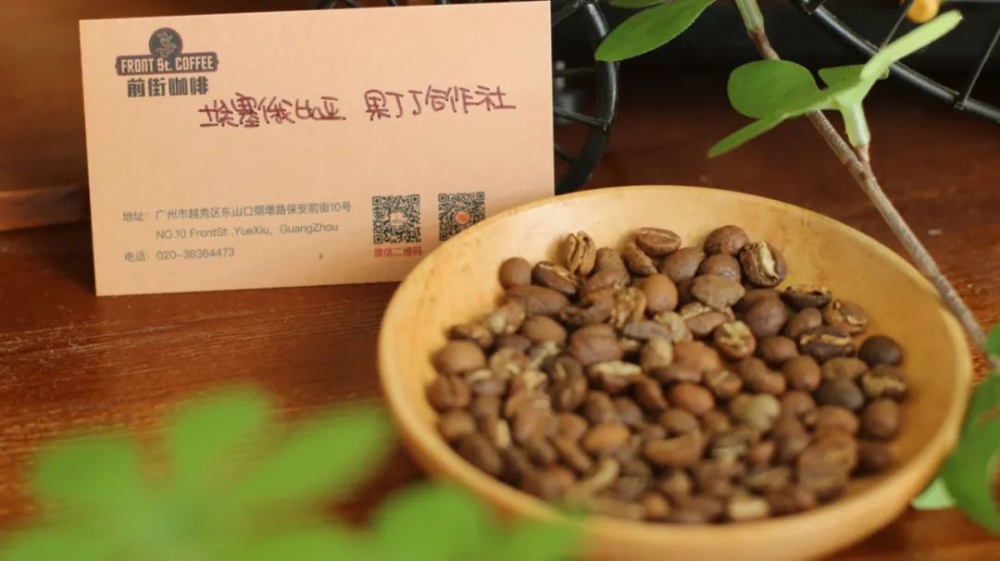
This traditional yet meticulous processing method fully preserves the sugars and aromatic compounds in the coffee pulp, enabling the final roasted beans to release intense tropical fruit flavors—such as strawberry, mango, and apricot—along with notable sweetness and a full body, reminiscent of a sweet fruit black tea.
The Yirgacheffe region is located northwest of Ethiopia’s Sidamo Province. Although often regarded as an independent producing area, it is actually a high-altitude sub-region within the province. The average elevation here ranges between 1,700 and 2,200 meters. The high altitude slows down the coffee growth rate, which is beneficial for the accumulation of flavor compounds. Meanwhile, the large day-night temperature difference also aids in the balanced development of sugars and acidity, resulting in Yirgacheffe coffee’s distinctive bright acidity and delicate floral notes.
Compared to the bright citrus tones brought by washed processing, the sun-dried Red Cherry Project emphasizes sweetness and fruit fleshiness. For this batch of beans, the roasting strategy adopts a medium-light roast to preserve the maximum amount of native floral-fruit aromas and balanced acidity-sweetness. Generally speaking, medium-light roasts can highlight the fruit acidity and complexity of aromas, but they also demand relatively higher control over roasting heat from the roaster.
To fully experience the delicate flavors of the Red Cherry Project, it is recommended to use a V60 dripper for pour over. The V60’s spiral ribs and large drainage hole design enhance water flow speed and extraction uniformity, helping to showcase the coffee’s layered profile. Specific parameters are as follows: use medium-fine grind (close to 80% passing through a #20 sieve), about 15 grams of coffee, with a 1:15 coffee-to-water ratio, and water temperature controlled between 90–91°C.
The suggested pour over process is as follows: start with a 30-second bloom using 30 grams of water to activate the coffee’s aroma release; then pour 95 grams of water (total around 125 grams) over about 1 minute; when the water level drops to two-thirds of the coffee bed, pour the remaining 100 grams of water (total around 225 grams), with the total extraction time controlled at around 2 minutes and 10 seconds. These parameters can fully bring out the sweetness and fruity notes of the Red Cherry Project while avoiding over-extraction that could lead to astringency.
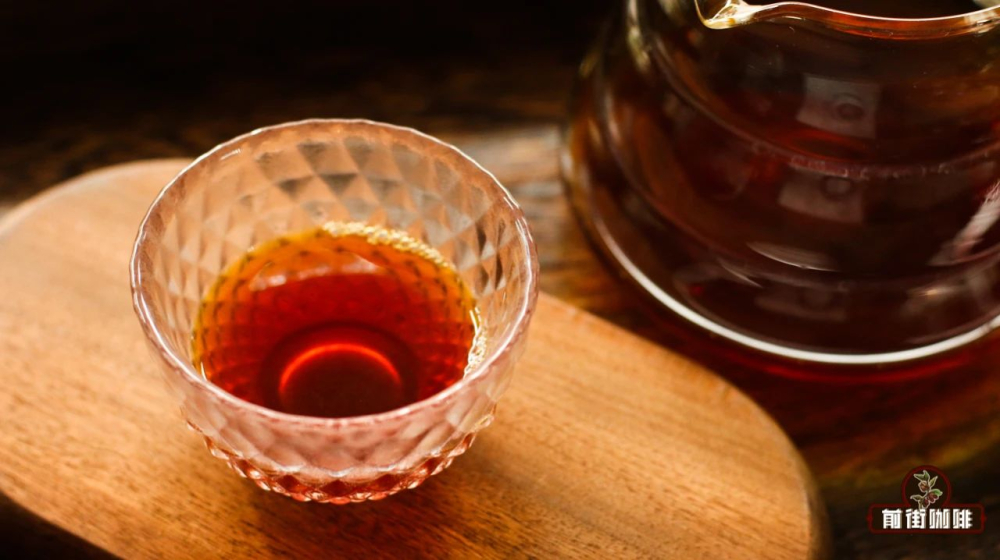
The brewed Red Cherry Project coffee typically exhibits flavor notes such as lemon, licorice, citrus, berries, and sweet orange—refreshing and fruity, with high sweetness and a long-lasting aftertaste. It carries a caramelly and creamy smoothness, while the finish unveils subtle black tea aromas. The overall profile is balanced and layered, making it highly suitable for coffee lovers who enjoy a combination of fruity and sweet profiles.
It is particularly worth noting that, to achieve the best flavor performance, it is recommended to brew with freshly roasted beans within 5 days post-roast to fully experience their vibrant aromas and flavors. As time passes, the aromatic compounds in the coffee beans gradually dissipate, affecting the final drinking experience.
The above content is compiled by CoffeeHunters, a coffee news website.


