







Introduction:SOE (Single Origin Espresso), or single-origin espresso, stands out in the specialty coffee scene with its distinctive flavor profile and regional characteristics. This article starts with the basic definition, delves into the historical background, bean variety traits, and roasting choices of SOE, and details key extraction parameters and practical techniques. Through real-life examples and operational tips, it helps readers master the art of brewing clear, layered SOE espressos and lattes at home.
SOE (Single Origin Espresso), translated as single-origin espresso in Chinese, has become a highly talked-about item in the specialty coffee field in recent years. Unlike traditional blended espresso that emphasizes flavor balance, SOE focuses on highlighting the unique flavor characteristics of coffee beans from a single origin. Whether it’s fruity acidity, floral notes, or nutty and chocolatey tones, these qualities are presented more directly. In many cafés, SOEs are often light to medium roasted, making tropical fruits, citrus acidity, or berry notes more vibrant. Some shops also offer dark-roasted versions that bring out the rich profiles of caramel, cream, and dark chocolate.
So, what exactly does SOE mean? Simply put, it’s an espresso made using coffee beans from a single origin and a single batch. Compared to blends that combine beans from multiple regions to achieve stability and balance, SOE puts the spotlight on “origin flavors” itself. Both the roasting curve and extraction parameters must be carefully adjusted to fully showcase the unique traits of that particular batch. For example, Ethiopian Yirgacheffe beans often exhibit pronounced floral and citrus acidity, while Kenyan beans are known for their black plum and berry acidity. As for Central and South American coffees, such as those from Colombia or Brazil, they commonly present mellow notes of nuts, caramel, and chocolate.
The appeal of SOE lies not only in showcasing single-origin flavors but also in its ability to serve as an excellent base for common drinks like lattes, americano, or flat white. Especially when you choose an SOE with a distinct personality, the milk doesn’t mask the clear regional characteristics, adding more layers and memorability to the entire drink.
In the past, coffee suppliers often blended beans from different regions to achieve stable extraction performance and cost control. However, SOE takes the opposite approach by putting origin characteristics first. Every step—from the terroir conditions of the growing region, processing methods, roast level, to the final extraction technique—must serve the goal of “presenting the unique flavors of that origin.” For this reason, crafting a high-quality SOE not only requires selecting premium green beans, but also demands more precise roasting and extraction parameters, which in turn leads to relatively higher costs and retail prices.
Traditional blends are often medium to dark roasted to balance the characteristics of beans from various origins and mask defects, but this approach often dilutes distinctive flavors. SOE, on the other hand, avoids going too dark to prevent the resulting espresso from lacking identity or developing unpleasant burnt bitterness. However, if roasted too lightly, it might result in sharp acidity or astringency, especially under high concentration. Therefore, SOE requires a dedicated roasting curve along with refined extraction settings to fully unlock the most captivating flavor traits of that origin.
The concept of SOE is not new. Back when espresso first became popular, many cafés used beans from a single origin—they just didn’t specifically label them as such. With the rise of the specialty coffee movement, more consumers and baristas began paying attention to the origin and flavor individuality of beans. In competitions, some baristas started replacing traditional blends with high-quality single-origin beans, using finely tuned extraction parameters to create competitive, personalized espressos, which helped rekindle the popularity of SOE. Additionally, the rise of social media accelerated this trend, introducing more people to and making them fall in love with the unique charm of SOE.
So, which coffee beans are suitable for making SOE? Basically, you can choose origins and processing methods based on your flavor preferences. If you prefer bright fruit acidity and sweetness, go for light to medium roasted single-origin beans, such as Ethiopian natural Yirgacheffe, which often features floral notes like jasmine, along with lemon and red cherry. If you enjoy a fuller, richer body, consider darker-roasted Brazilian or Colombian beans, which highlight aromas of cream, dark chocolate, and nuts. In addition, special processing methods like wine barrel fermentation can add unique aromatic layers—for instance, Honduran sherry barrel beans often carry vanilla and whiskey notes, and when made into a latte, they resemble the flavor of chocolate milk.
When making SOE, there are several key points to keep in mind. First, freshness is extremely important. Beans that have been stored for more than a month after roasting will show a noticeable loss of aroma, and may even develop cardboard or woody off-flavors. To ensure optimal flavor, it’s recommended to use beans roasted within five days and allow them to degas appropriately before extraction, letting them release CO₂ and reach a stable flavor period. Also, if using light-roast beans for SOE extraction, since the roast time is shorter and the beans are denser, it’s harder for flavor compounds to be released. Therefore, it’s advised to adjust the grind finer, slightly increase the water temperature, and extend the extraction time appropriately to improve extraction yield and bring out full aroma and sweetness.
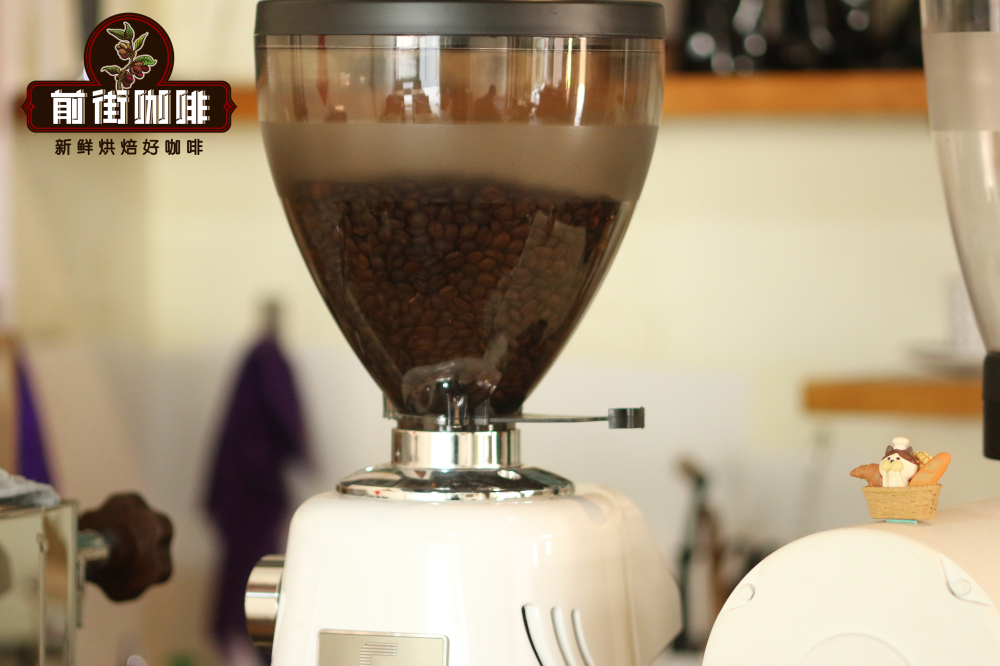
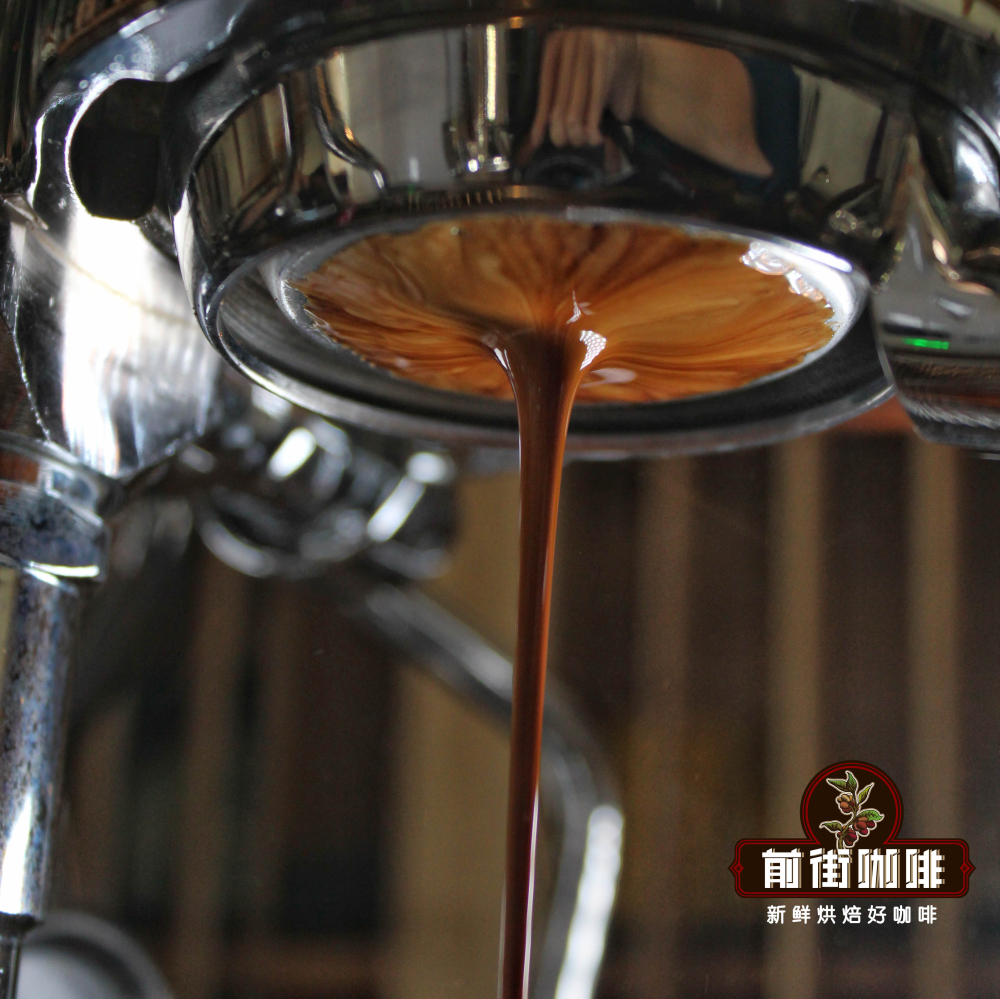
Extracting SOE is relatively challenging, as it requires fine-tuning parameters based on the bean’s roast level, origin characteristics, and processing method to achieve the best flavor balance. Without sufficient experience, it’s easy to under-extract, resulting in sourness, or over-extract, leading to bitterness. Therefore, beginners are advised to start with medium or slightly medium-roast SOEs and strictly control the four key extraction factors: dose, grind size, water temperature, and pressure. Taking a common double-shot basket as an example, a dose of around 20 grams, aiming to extract 40 grams of coffee liquid, with a 1:2 brew ratio, and an extraction time controlled between 26 to 32 seconds, can produce a balanced and layered espresso.
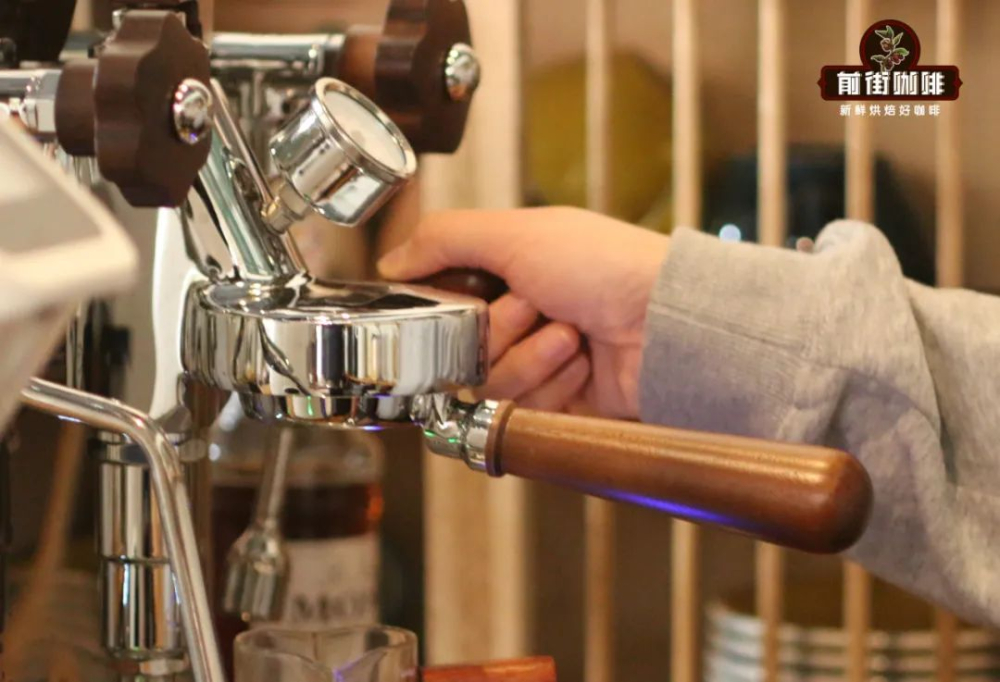
During actual operation, make sure the portafilter is dry, distribute the ground coffee evenly, then apply vertical pressure with a tamper to ensure consistent puck density. Before extraction, run water for 1 to 2 seconds to pre-wet the puck and remove any residual coffee grounds. Then attach the portafilter to the group head, start the extraction, and observe the flow rate and color changes of the liquid. When the coffee reaches the target weight and time, stop the extraction. Note that environmental humidity, bean freshness, and grinder condition can all affect extraction results, so it’s advisable to fine-tune grind settings and extraction parameters according to actual conditions.
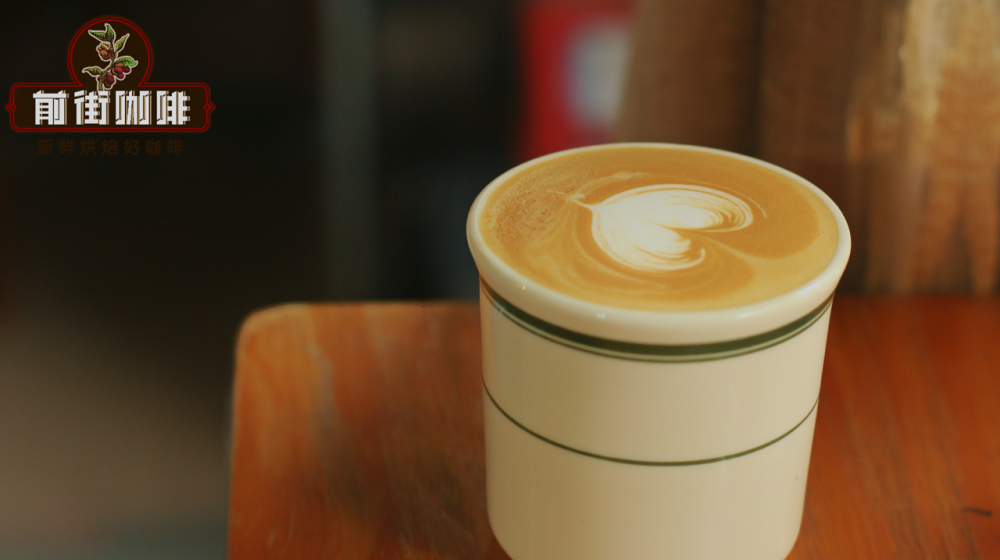
To make an SOE latte, simply mix the extracted espresso with milk in an appropriate ratio. A common ratio is 1:5 to 1:8; beginners can start with 1:5, such as using 40 grams of espresso liquid with 200 grams of milk. When steaming the milk, keep the temperature between 55 to 65°C and ensure the milk foam is fine and even. When pouring the coffee, you can use latte art techniques to enhance visual appeal, ultimately serving up a well-balanced, smooth SOE latte.
The above content is compiled by CoffeeHunters, a coffee news website.


