







Introduction:Want to make a great cup of coffee at home but not sure which brewing method to start with? This article takes an in-depth look at nine common home coffee brewing methods, including espresso, pour over, siphon, and moka pot, offering a comprehensive analysis of equipment selection, brewing procedures, key parameters, and flavor profiles to help you find the brewing method that suits you best and enjoy a personalized coffee experience.
Can you easily brew professional-grade coffee at home? With the right tools and methods, even beginners can get started quickly. This article compiles nine of the most popular home coffee brewing methods, covering everything from espresso to cold drip, and details the equipment setup, brewing essentials, and flavor characteristics of each method so you can find the most suitable extraction solution based on your personal taste and lifestyle.
Espresso
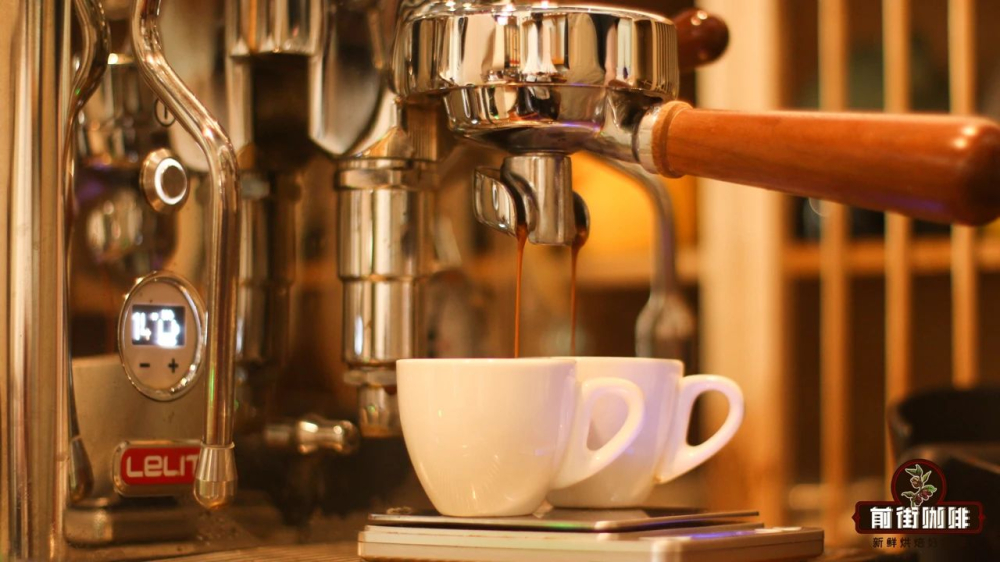
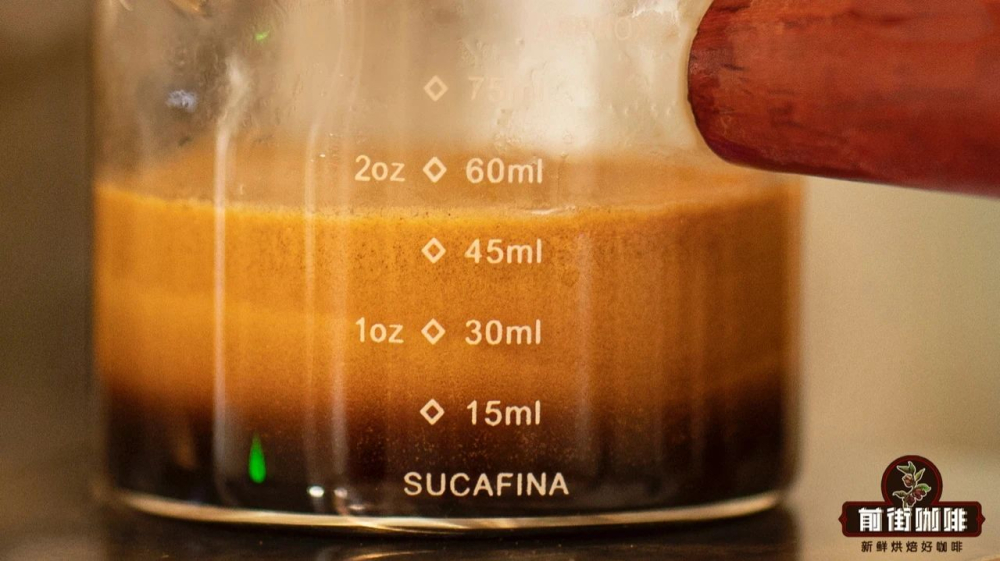
Espresso is the fastest and most concentrated brewing method, taking only about 30 seconds to extract but requiring a professional machine and high-quality grinder. This technique uses water heated to around 94°C and pushed through a tightly packed coffee puck at 9 atmospheres of pressure to extract about 30 milliliters of concentrated coffee liquid, topped with a reddish-brown foam layer known as crema. The formation of this crema is key to the interaction between water pressure and carbon dioxide and is one of the essences of espresso.
Due to the high equipment requirements, home machines range in price from tens of thousands to over one hundred thousand yuan, and the operation has a relatively high barrier to entry, requiring constant practice to produce stable results. Different blends can also present varied flavor profiles—for example, a premium blend from a certain brand combines Colombian and Brazilian beans in a 3:7 ratio, delivering a smooth, sweet-and-bitter taste with subtle grassy notes, while the brand’s dark cocoa blend combines Yunnan and Brazilian beans, showcasing soft fruit acidity and a rich chocolate character.
Pour Over Coffee
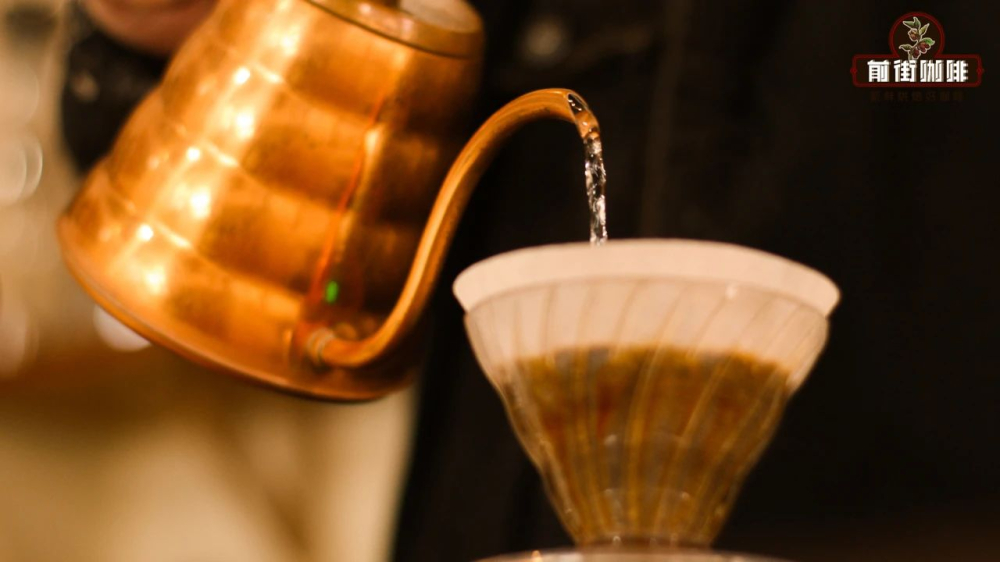
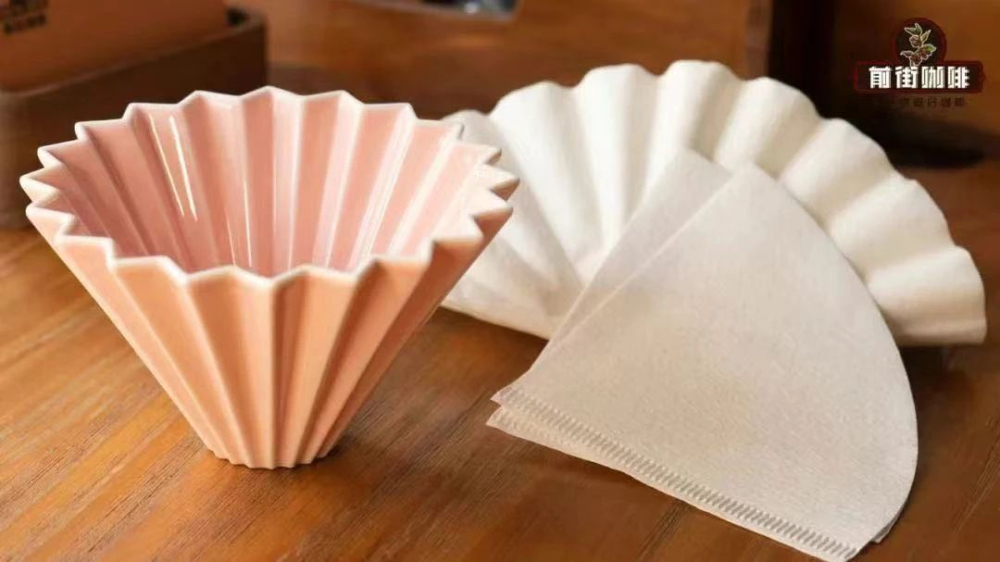
Pour over coffee emphasizes delicate hand control and precise parameter management. It involves slowly dripping hot water through filter paper over coffee grounds, with the whole process taking about two minutes. This method fully showcases the intrinsic characteristics of the coffee beans and is highly particular about water temperature, grind size, pouring speed, and swirling path. A grind size similar to that of No. 2 sugar is appropriate, and the shape of the filter cone (such as fan-shaped, conical, or wave-shaped) also significantly affects flow rate and final flavor expression.
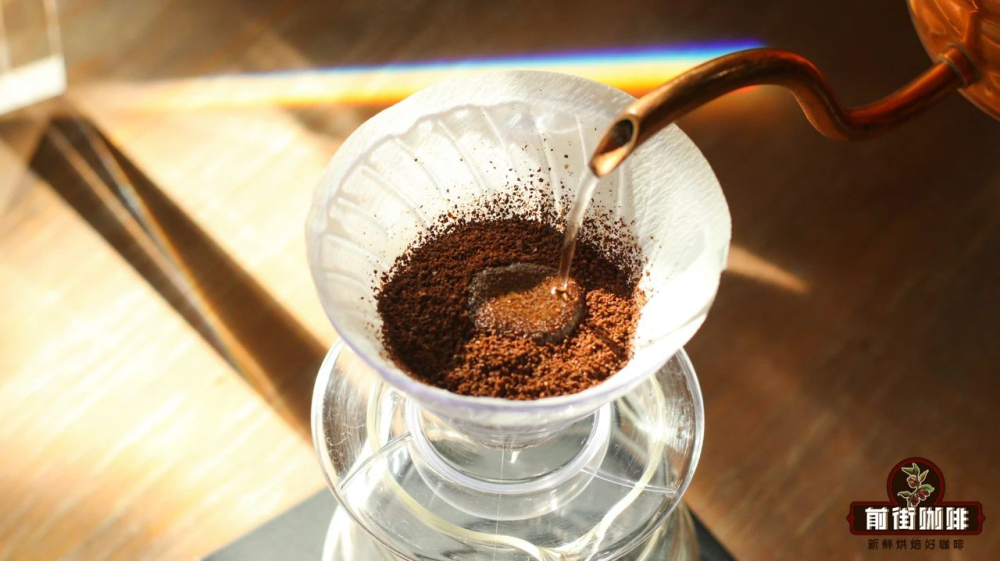
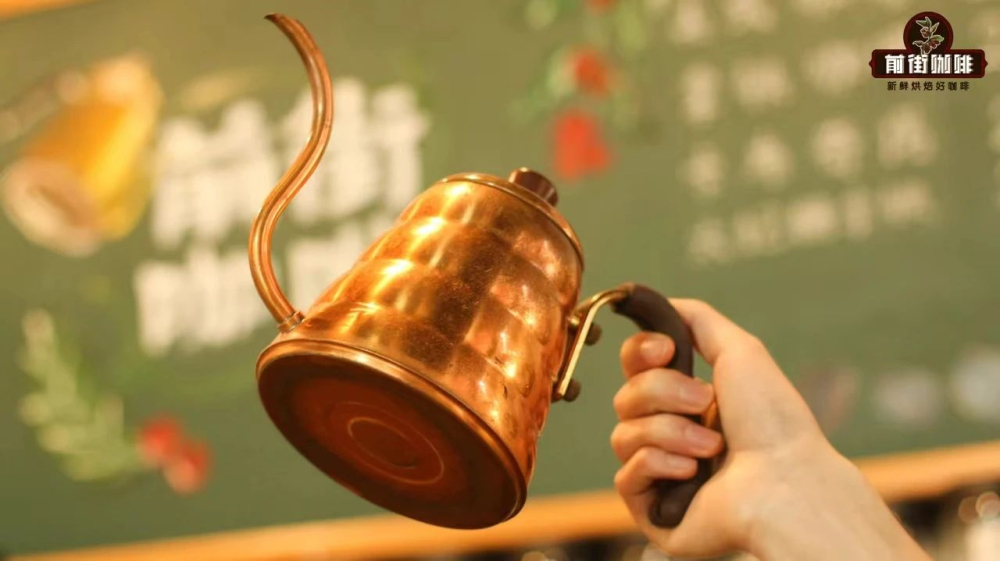
Beginners are advised to choose a narrow-spout pour over kettle for better water flow control, along with a digital scale, timer, and thermometer to improve stability. Water flow rate, pouring height, and blooming time (usually around 30 seconds) are all key factors influencing extraction efficiency. By adjusting these variables, you can discover the diverse flavor potential of the same coffee beans under different parameters.
Drip Bag Coffee
Drip bag coffee can be seen as a simplified version of pour over, ideal for quickly enjoying single-origin coffee on the go. Simply place the drip bag over a cup, pour water at about 90°C, let it bloom for about 10 seconds, then slowly pour water in small circles until the desired volume is reached. Although highly convenient, its flavor complexity is slightly inferior to pour over, yet it still retains the essential characteristics of the coffee. It is recommended to use a cup with an opening diameter of around 8–9 cm to ensure the drip bag stays steady and doesn’t tilt.
Siphon Coffee
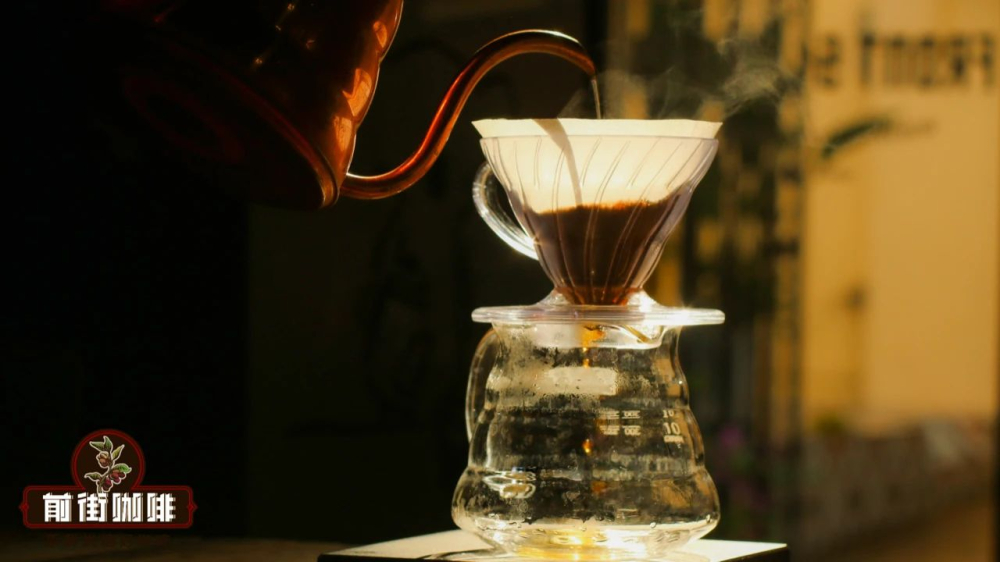
The siphon method uses steam pressure principles to push water vapor generated by heating the lower chamber upward into the upper chamber where it mixes with coffee grounds. After turning off the heat, the coffee liquid flows back down into the lower chamber. This technique combines the intensity of espresso with the layered flavors of pour over, creating a brewing process full of scientific experiment vibes, but it demands precise temperature control and stirring techniques to avoid scorching the coffee grounds or over-extracting, which can lead to bitterness.
Moka Pot Coffee
The moka pot is many households’ first choice for espresso-style brewing. It uses heat-generated pressure to push water through coffee grounds, producing a rich coffee liquid. Though its pressure is only about 1.5 bar—much lower than the 9 bar of professional machines—it still delivers a taste close to espresso. When using it, be careful not to fill water beyond the safety valve and control the heat intensity to avoid overheating.
Cold Drip Coffee
Cold drip coffee is an art of time fermentation. It extracts coffee by slowly dripping ice water through coffee grounds over several hours or even days, resulting in low acidity and a rich, mellow mouthfeel. When making it, pay attention to maintaining a coffee-to-water ratio of about 1:10–1:12, and carry out pre-soaking to improve extraction uniformity. It is recommended to refrigerate and ferment the coffee overnight after brewing to allow the flavors to become more rounded.
AeroPress
The AeroPress combines immersion and pressurized extraction, available in both regular and inverted methods. The inverted method typically yields a fuller flavor and better sweetness. When operating, it’s important to precisely control grind size and water temperature. It is recommended to use a medium grind passing 70% through a Chinese standard No. 20 sieve, with water at about 88°C, a coffee-to-water ratio of 1:15, steeping for about 1 minute and 30 seconds, followed by 30 seconds of pressurized extraction.
French Press & Smart Cup
The French press retains coffee oils with its metal filter, producing a rich mouthfeel; the smart cup offers a clearer coffee liquid and distinct flavor layers. Both are extremely simple to operate—all you need to do is control the steeping time (about 3–4 minutes). The French press is suitable for those who enjoy strong milk aroma and balanced fruit acidity, while the smart cup caters to coffee lovers seeking clear flavor profiles.
No matter which brewing method you choose, the key lies in understanding its principles and practicing adjustments. Through continuous experimentation and recording, you will be able to find the coffee flavor that best matches your personal taste and enjoy the pleasure of being a home barista.

The above content is compiled by CoffeeHunters, a coffee news website.


