







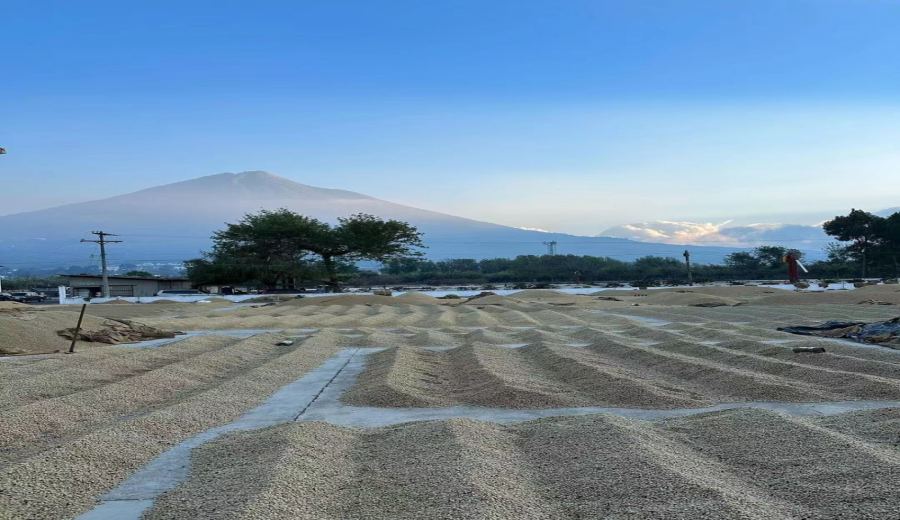
Introduction:Costa Rican honey processing is an upgraded version of the semi-washed technique. By retaining varying proportions of mucilage and adjusting drying times, it creates specialty coffee beans with diverse and complex flavor profiles. This article delves into the differences between yellow honey, red honey, and black honey, their processing steps, and flavor characteristics, along with practical pour-over recommendations for two representative coffee beans—helping you master everything from bean selection to brewing in one go.
The honey processing (Honey Processing) method originated in Costa Rica and is an innovative extension of Brazil’s semi-washed technique. Its defining feature is the removal of the coffee cherry’s outer skin and pulp while deliberately retaining a certain proportion of the mucilage layer for sun drying. By controlling the amount of mucilage retained and the drying environment, it branches into three distinct grades—yellow honey, red honey, and black honey—each offering unique flavor expressions. From bright and balanced to rich and sweet, each style presents an unmissable experience for coffee enthusiasts.
Semi-Washed Processing Method: Balancing Commercialization and Efficiency
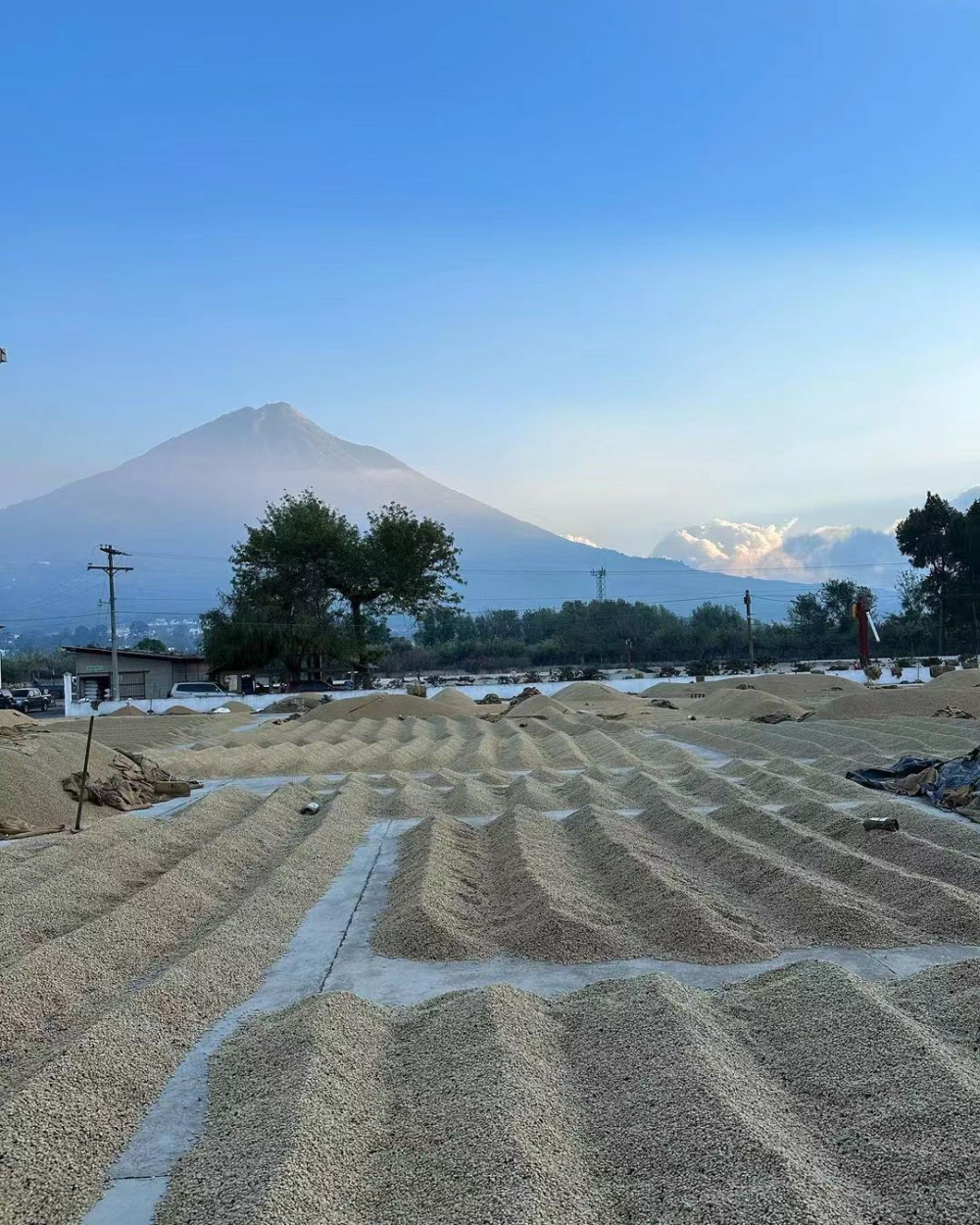
Semi-washed (Semi-dry Processing) is a method that lies between traditional washed and natural processes, also often referred to as semi-washed. Its basic workflow is similar to the washed process: first, coffee cherries are placed in a water tank where buoyancy is used to remove unripe or defective beans. Then, a pulper removes the outer skin and pulp, but without fermenting in a tank or rinsing with clean water. Instead, the beans with mucilage are directly sun-dried. This method significantly reduces water usage while maintaining efficiency and partial fermentation characteristics.
Key steps in semi-washed processing include:
- First, use a water tank floatation to remove immature or damaged coffee cherries, then mechanically remove the outer skin and pulp, leaving only the mucilage layer.
- Retain the yellow, viscous mucilage layer and sun-dry it until the moisture content drops to 10.5%–12%.
- After drying, hull the beans and then polish the bean surface.
The advantages of this method include water savings, simple operation, and effective screening for uniformly ripe coffee cherries, resulting in more balanced final flavors. Due to its efficiency and stability, it is widely used in coffee regions like Brazil and is also one of the common processing methods for many commercial beans.
Brazilian Red Bourbon: Medium-Dark Roast Highlights Its Full Body
Brazilian Red Bourbon processed via the semi-washed method comes from the South Minas region, grown at an altitude of about 1000 meters, and is known for its aromas of nuts, chocolate, cream, peanuts, and caramel. To fully showcase its full-bodied character, a medium-dark roast is recommended, with slightly lower water temperature to guide the flavor profile.
Brewing Parameter Suggestions:
- Water Temperature: 88–89°C (avoid too high to prevent woody notes)
- Coffee Dose: 15 grams
- Coffee-to-Water Ratio: 1:15
- Grind Size: Medium-Coarse (about 70–75% extraction through a #20 sieve)
Pour-Over Technique Tips:It is recommended to use a Kono filter, which is designed to extend contact time between water and coffee grounds, slow down the flow rate, and enhance body through immersion effects. First, pour 30 grams for a 30-second bloom, then add 95 grams (total around 125 grams) over about 1 minute; then pour the remaining 100 grams (total around 225 grams) over about 1 minute 40 seconds, completing the brew within a total extraction time of 2 minutes 10 seconds.
Honey Processing Method: The Flavor Alchemy of Mucilage and Sunlight
Costa Rica’s honey processing technique is a method developed by farmers to improve coffee quality and profitability. Compared to switching varieties or relocating farms, improving processing methods is a faster and more cost-effective solution. By adjusting the mucilage retention ratio and drying conditions, honey processing can preserve the coffee’s sweetness and aroma while adding richer layers of flavor.
The basic process of honey processing is as follows:
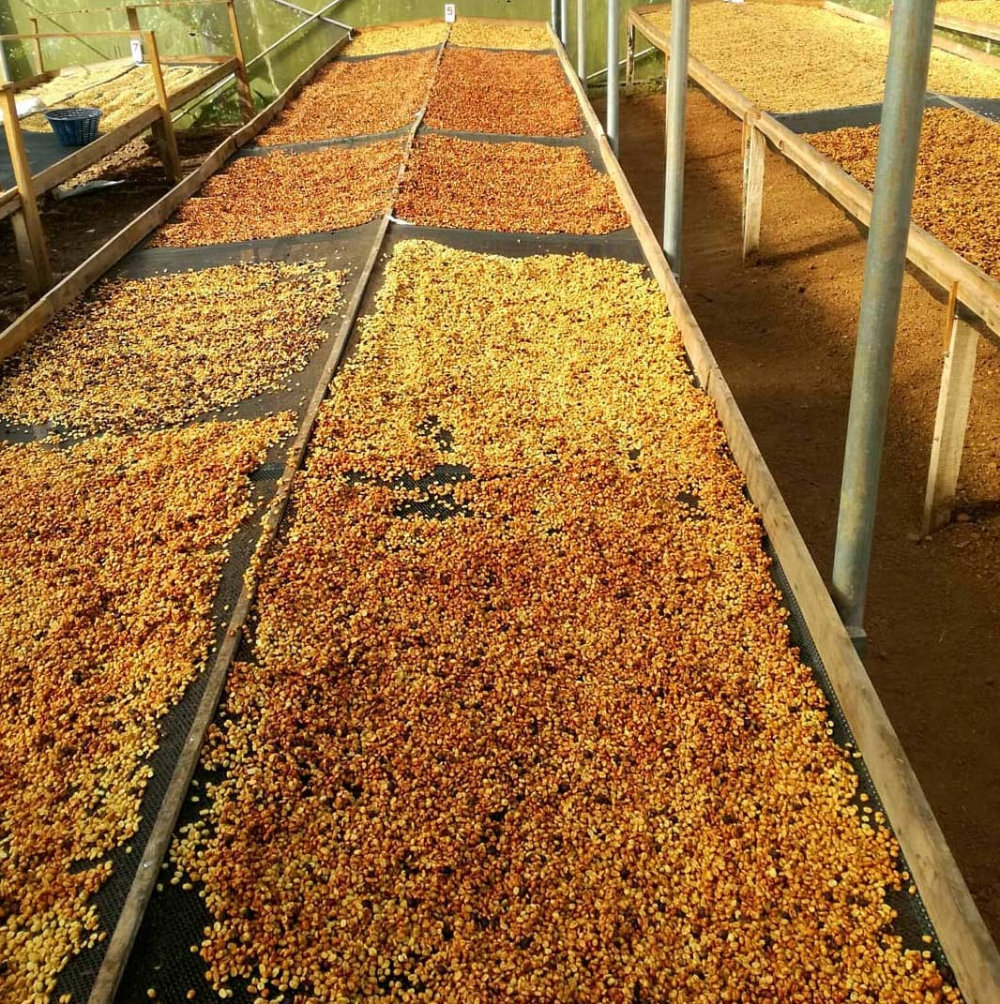
- Select high-quality coffee cherries, remove the outer skin and most of the pulp, retaining the viscous mucilage layer.
- Depending on the target grade, retain 60% (yellow honey), 75% (red honey), or even close to 100% (black honey) of the mucilage.
- Place the mucilage-covered coffee beans on the drying bed, typically drying for 18 to 25 days, adjusted according to weather conditions.
- Once dried to about 11% moisture content, the beans are hulled and then proceed to storage and transport.
The Three Tiers of Honey Processing: Differences Between Yellow, Red, and Black Honey
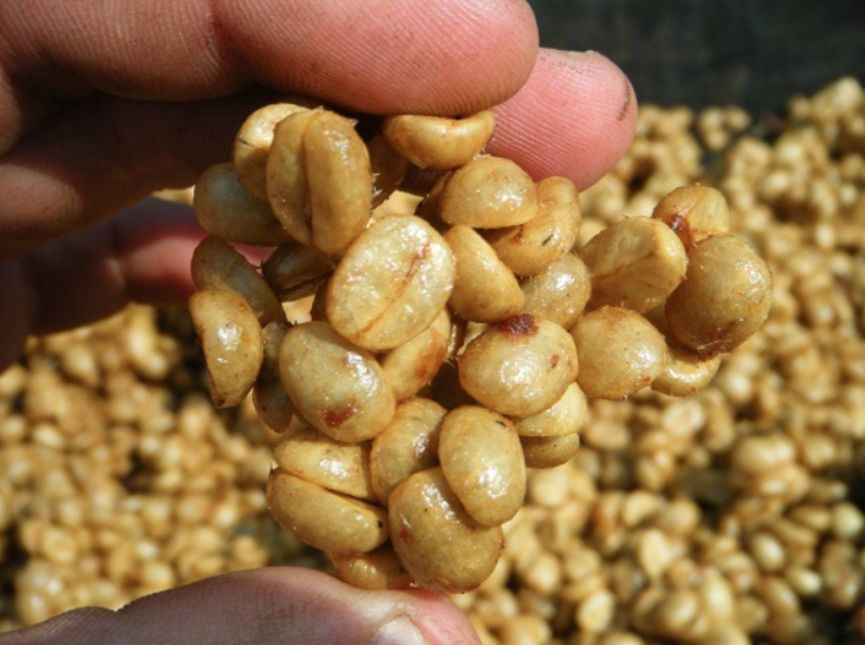
The grading of honey processing is mainly based on the amount of mucilage retained and the intensity of sunlight during drying, divided into yellow honey, red honey, and black honey. These tiers not only influence flavor but also directly affect processing difficulty and final pricing.
Yellow Honey:Retains about 25% of the inner skin and mucilage, with the longest drying time and strongest sunlight exposure, usually completing drying within a week. The flavor is relatively bright, with noticeable sweetness but fewer layers.
Red Honey:Retains about 50% of the mucilage, with a drying time of about 2–3 weeks, often under partial shade. It features more pronounced sweetness and fruitiness and is a highly popular honey processing grade in the market.
Black Honey:Retains nearly all (about 100%) of the mucilage, with the longest drying time (at least 2 weeks or more), requiring processing in a cool, low-light environment. It delivers the richest flavors, with intense sweetness, fruitiness, and body—but also commands the highest price.
In short, the more mucilage, the shorter the drying time, the weaker the light, the slower the drying, and the richer the flavor. Different grades of honey-processed beans can cater to everyone from beginners to advanced enthusiasts.
Costa Rican Geisha Honey Processed Bean: Representative of Floral and Fruity Aromas
Sourced from the San Isidro Labrador estate in the Tarrazú region of Costa Rica, grown at altitudes of up to 1900–2100 meters, this Geisha variety is honey processed to create a specialty coffee bursting with aromas of cherries, oranges, yellow peaches, floral notes, and oolong tea-like qualities. This bean is ideal for coffee lovers who enjoy bright acidity and complex aromatics.
Pour-Over Recommendations:
- Water Temperature: 90°C (suitable for highlighting fruitiness and acidity)
- Coffee Dose: 15 grams
- Coffee-to-Water Ratio: 1:15
- Grind Size: Fine-Medium (80% extraction through a #20 sieve)
Brewing Technique:Use the same fractional pouring method: first pour 30 grams for a 30-second bloom, then add 95 grams (total around 125 grams) over about 1 minute; then pour the remaining 100 grams (total around 225 grams) over about 1 minute 40 seconds, aiming for a total brew time of around 1 minute 50 seconds to preserve more delicate flavors.
By precisely controlling water temperature, grind size, and pouring rhythm, the floral-fruity character and high-end aromatic expression of the Geisha honey processed bean can be fully revealed.

The above content is compiled by CoffeeHunters, a coffee news website.


