







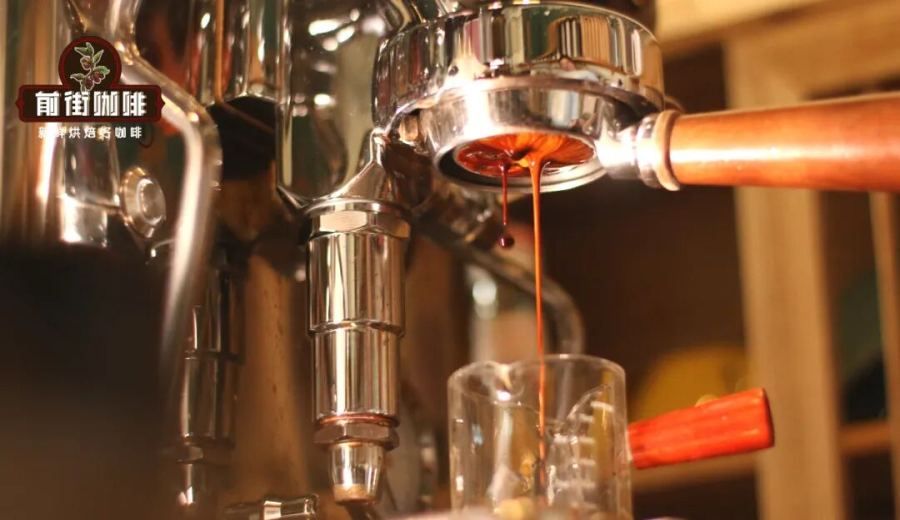
Introduction:Many coffee enthusiasts have noticed that when a café first opens, the first shot of espresso extracted is often discarded. This action raises questions: is this an industry standard or just wasteful? Should home baristas do the same when making espresso at home? This article delves into why the first shot of the day is commonly discarded, exploring factors such as machine condition, coffee bean freshness, and water temperature stability, to help you fully understand the rationale behind it. We also provide practical advice tailored for home users.
Have you ever walked into a coffee shop and seen the barista turn on the machine, only for the first shot of espresso extracted not to be served to customers—but poured out? Many customers witnessing this may wonder, even suspecting there's something wrong with the coffee. In reality, this isn’t a quality issue, but rather a routine procedure baristas follow to ensure consistent flavor and proper equipment operation for the day.
Why do professional cafés discard the first shot of espresso after turning on the machine?
This practice mainly stems from three key factors: potential residue from cleaning agents, leftover coffee grounds from the previous day, and unstable water temperature and extraction pressure—all of which can directly affect the extraction quality and flavor profile of the espresso.
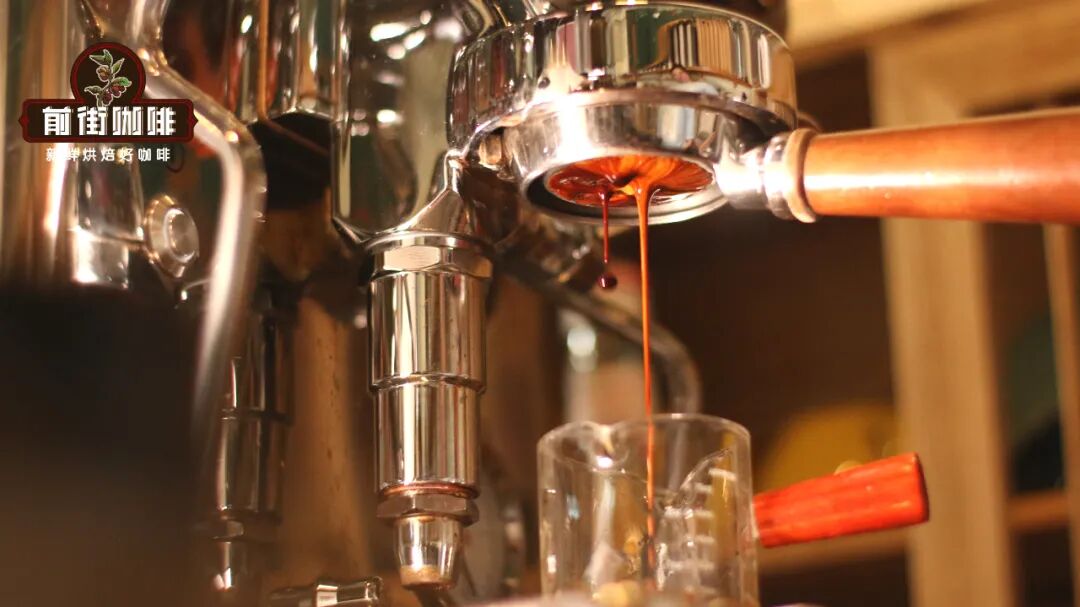
1. Minor Residue from Cleaning Powder
At the end of each day, to maintain machine hygiene and extraction purity, baristas typically use a specialized cleaning powder to deeply clean the portafilter. Although this cleaning powder is flushed out with water, prolonged usage may still leave behind trace amounts of powder in the crevices of the portafilter. If not rinsed out during the first extraction, these residues could impact the taste of the day’s first cup, and might even introduce off-flavors. Therefore, discarding the first shot is a way to ensure the purity and safety of subsequent brews.
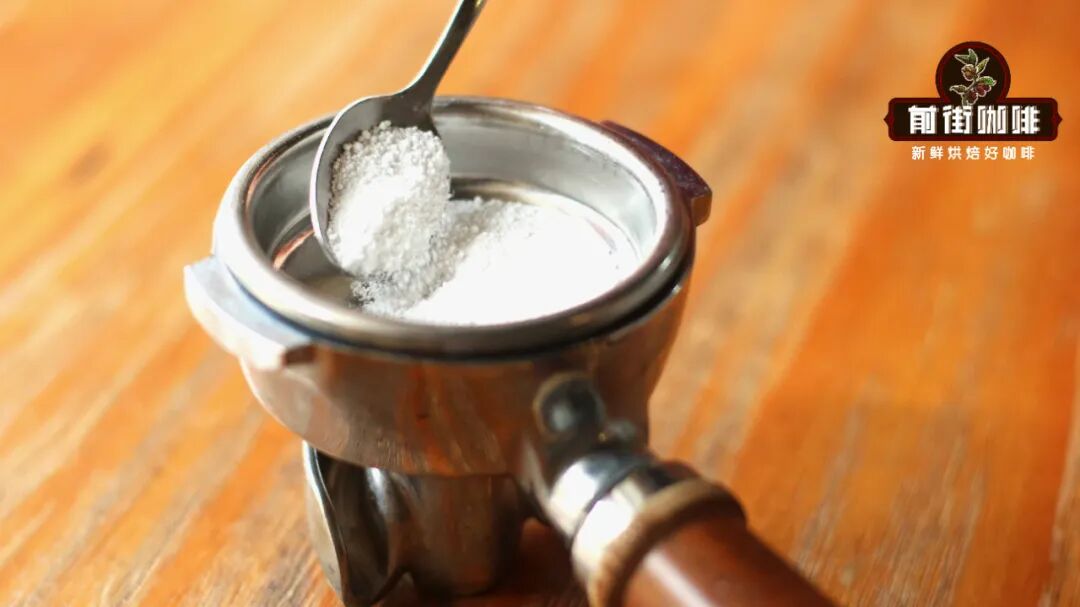
2. The Impact of Overnight Coffee Grounds
Compared to other grinding devices, the internal structure of an espresso machine’s grinder is more complex, with longer pathways that are prone to accumulating coffee grounds used in the previous session. If left overnight, these grounds not only lose much of their aroma, but the carbon dioxide within them gradually dissipates, altering the flow characteristics of the coffee and resulting in uneven extraction. As a result, even with excellent technique, it’s difficult to extract an espresso with ideal flavor from such “overnight grounds.” Therefore, the first shot made from these grounds is generally not recommended for consumption.
3. Extraction Parameters Not Yet Stable
In the first ten to twenty minutes after the machine is turned on, the water temperature and pressure are still gradually climbing and adjusting, and haven’t yet reached a stable state. Espresso extracted during this phase may turn out overly sour and lacking in aroma due to low water temperature, or exhibit uneven extraction due to unstable pressure. Only after a period of preheating and the first full extraction does the machine enter its optimal working state, helping to stabilize the quality of each subsequent shot.
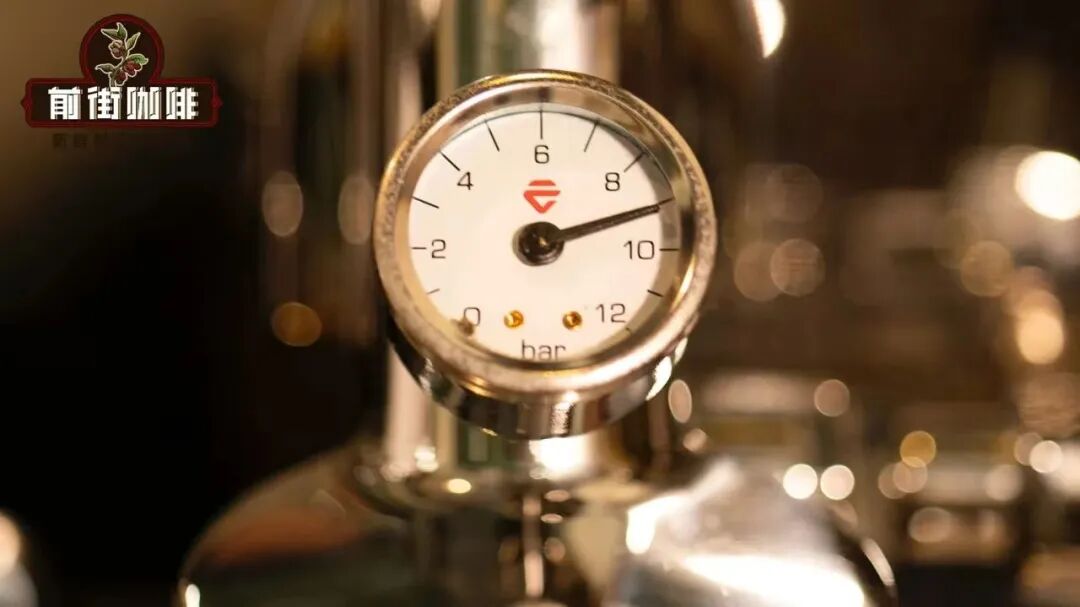
So, do home users also have to discard the first shot?
For home coffee enthusiasts, the situation may differ somewhat from that of professional cafés. Since daily brewing frequency is limited, many people don’t perform deep cleaning frequently or need to replace large amounts of coffee beans every day. Therefore, whether to discard the first shot can be flexibly adjusted based on actual usage, without strictly following café practices.
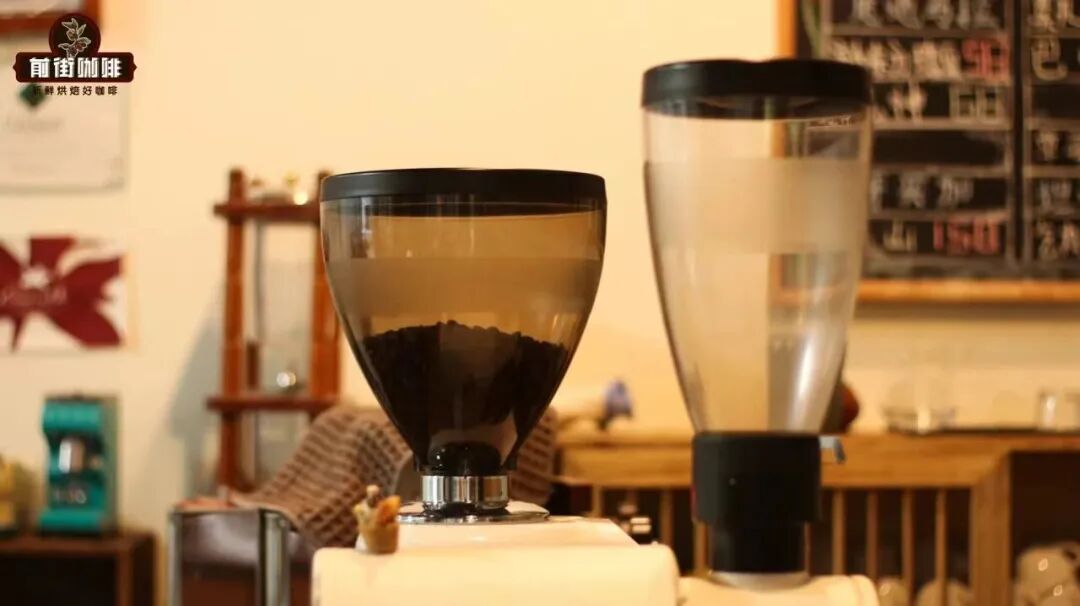
1. Are There Any Residual Coffee Grounds? Suggest Pre-Grinding a Small Amount
If you’re in the habit of keeping coffee beans in the bean hopper overnight, residual grounds from the previous day that weren’t completely cleared may remain in the pathway. These grounds have already oxidized and can affect the flavor of your coffee for the day. It’s recommended that before making your actual shot, you grind about5–8 grams of coffee beanswithout tamping or brewing, and discard those grounds. This helps reduce interference from old grounds in the extraction. But if you grind your beans right before brewing—using only what you need, when you need it—then this isn’t a concern.
2. Are You Using Cleaning Powder? Do a ‘Cleaning Shot’ When Necessary
If you’ve recently used a professional cleaning powder for deep machine cleaning, there may still be trace amounts of cleaning agents left in the first shot. In this case, consider using a slightly smaller amount of coffee grounds (recommended12–15 grams), tamping firmly, and extracting a shot of espresso. This helps “flush out” any residual cleaning powder from the portafilter, improving the purity of subsequent extractions. But if you haven’t used cleaning powder recently, this step isn’t necessary.
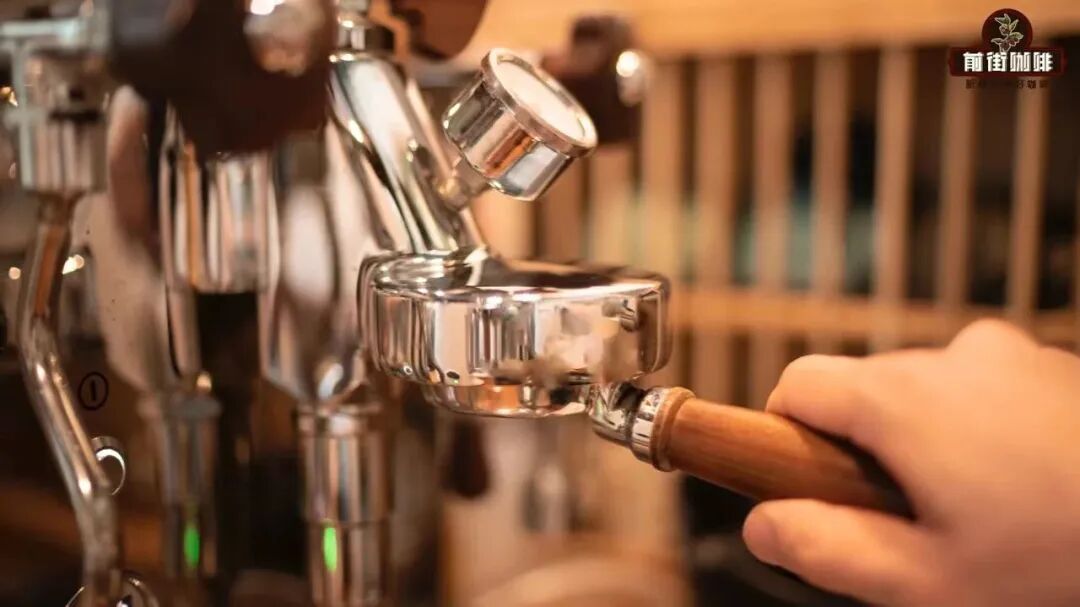
3. Wait for the Machine to Stabilize Before Brewing
After turning on the machine, even if the display shows the preset temperature has been reached, the internal components may still need some time to fully stabilize. It’s recommended that after the machine indicates it has reached the target temperature,let it sit for another 5–10 minutesto allow it to fully heat up. Then, attach the portafilter, open the hot water valve, and run hot water through for about6–8 seconds, repeating this4–5 timesto help the system reach stable extraction conditions. This will effectively improve the extraction quality of the first actual shot of espresso.
In summary, cafés discarding the first shot of espresso isn’t arbitrary—it’s a necessary measure to maintain flavor consistency and equipment cleanliness. For home users, while you don’t need to follow this practice exactly, by doing moderate pre-grinding, preheating, and assessing whether cleaning agents were used, you can also effectively enhance the quality of your home espresso, making every cup smoother and more flavorful.
The above content is compiled by CoffeeHunters, a coffee news website.


