







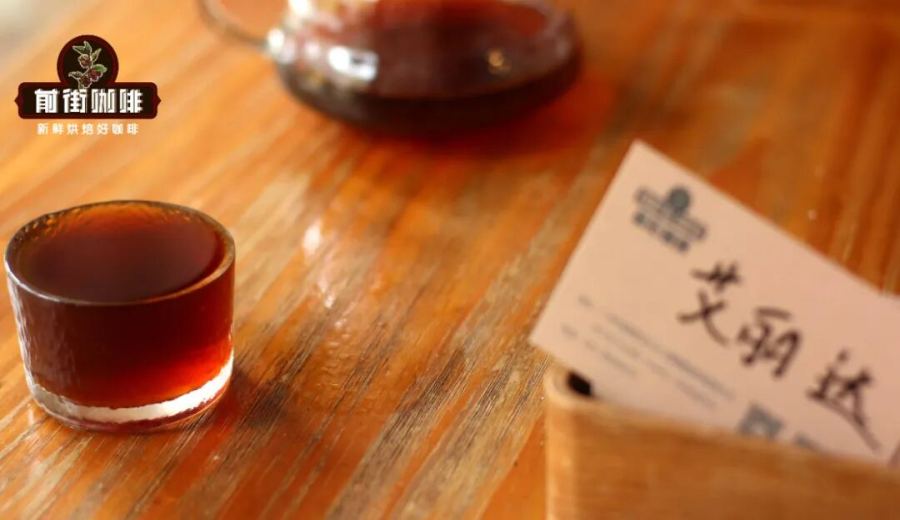
Introduction:Cold brew coffee is beloved for its rich and smooth qualities, but traditional methods often require long steeping times of 6 to 12 hours. This article delves into the extraction principles of cold brew, explores whether using warm water can effectively shorten brewing time, and shares tested parameters along with how different temperatures affect flavor, helping you master an efficient and delicious cold brew technique.
As one of the most popular types of iced coffee, cold brew typically uses room temperature or lukewarm water (approximately 20–30°C) for extended steeping. Through slow extraction, it brings out the sweetness and full body of the coffee. Because extraction efficiency is relatively low at lower temperatures, it takes longer to release enough flavor compounds.
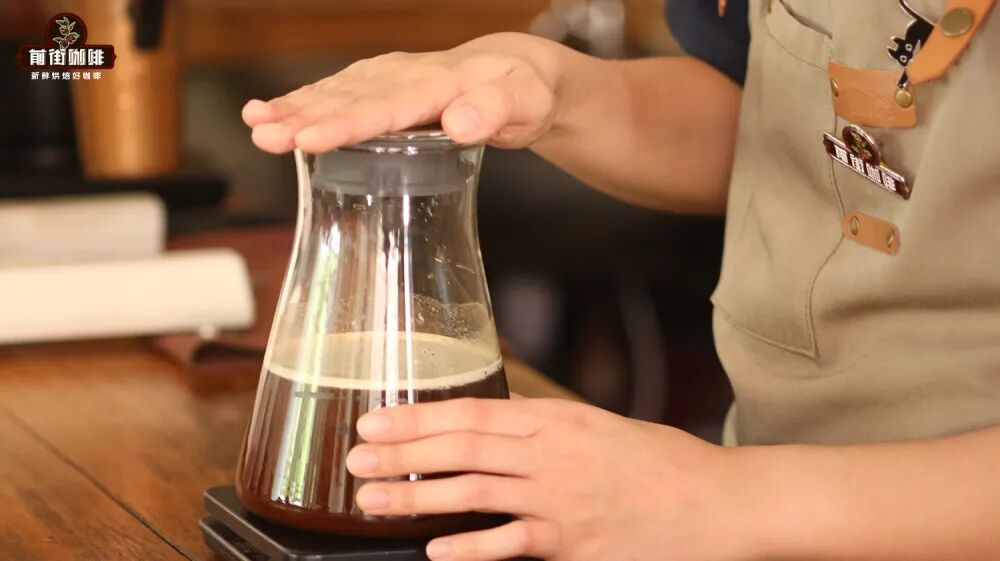
Generally speaking, making a batch of cold brew takes about 5 to 12 hours, and achieving a more robust extraction may even take up to nearly 24 hours. Compared to faster brewing methods like pour over or espresso, cold brew emphasizes “slow work for fine results.” For this reason, some coffee enthusiasts have started experimenting with warm water (around 40–45°C) instead of room temperature water in hopes of shortening the overall brewing time.
So, does warm water extraction really speed up the cold brew process, and what impact does it have on the final flavor? Next, we’ll comprehensively explore this topic from scientific principles, practical comparisons, to useful tips.
Analysis of Differences Between Cold and Warm Water Cold Brew
The reason cold brew presents low acidity, low bitterness, and a rich body lies in its essence of low-temperature extraction. Compared to high-temperature brewing, a low-temperature environment can more effectively extract small-molecule sweet and acidic compounds from the coffee beans, while suppressing the release of tannins and other components that can lead to bitterness and astringency—especially under refrigerated conditions, which help lock in aroma and reduce off-flavors.
According to joint research by the International Coffee Science Association and the Specialty Coffee Association, cold brew made through low-temperature extraction typically exhibits richer floral and fruity aromas, and performs better in controlling bitterness, sharp acidity, and unwanted off-notes.
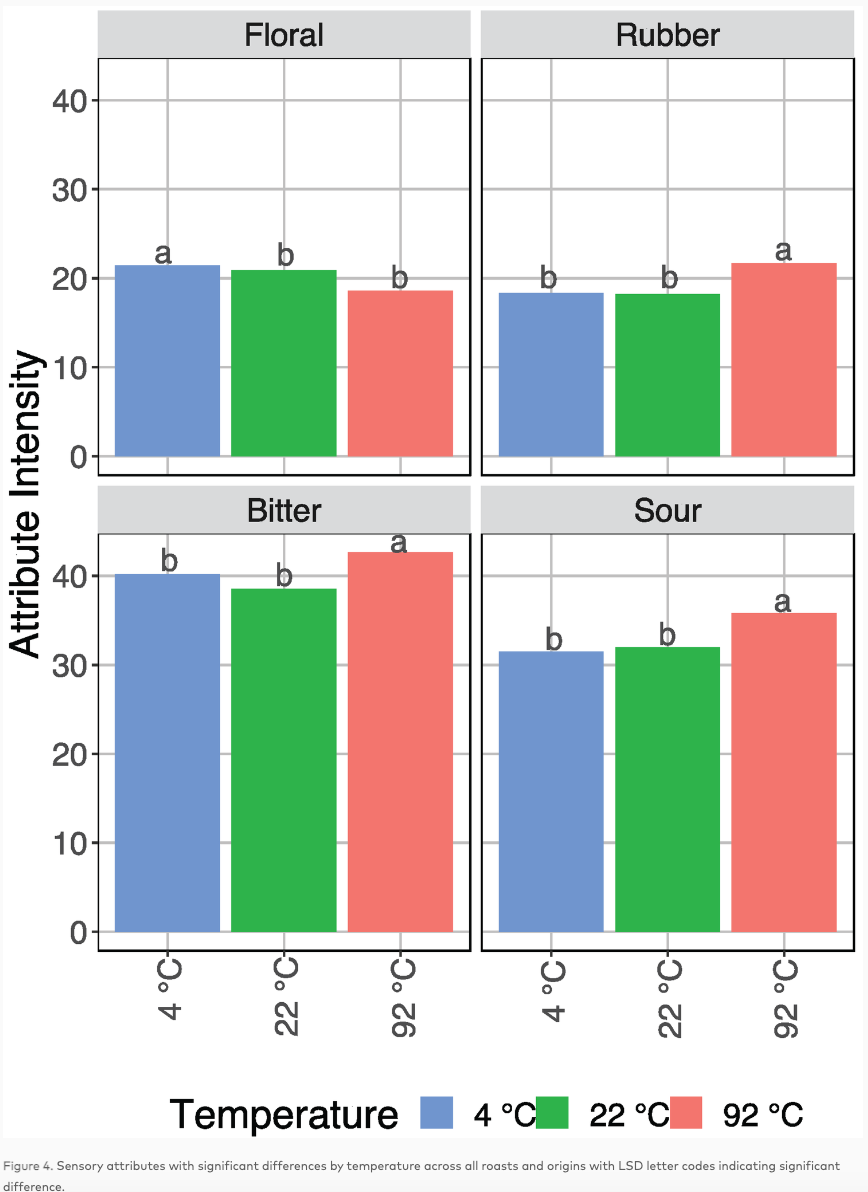
Scientific data shows that under the same extraction conditions (including coffee bean variety, grind size, and coffee-to-water ratio), water at different temperatures affects the dissolution rate of various flavor compounds. Generally speaking, bitterness, acidity, and rubbery off-flavors are more pronounced in high-temperature extraction, whereas low-temperature extraction helps enhance floral notes, resulting in a smoother, more layered taste overall.
During the long, low-temperature steeping process, acidic compounds gradually transform over time, significantly reducing the stimulating sensation in the final coffee. In addition, the refrigerated environment helps preserve volatile aromatic compounds, making the aroma of cold brew coffee more concentrated and long-lasting.
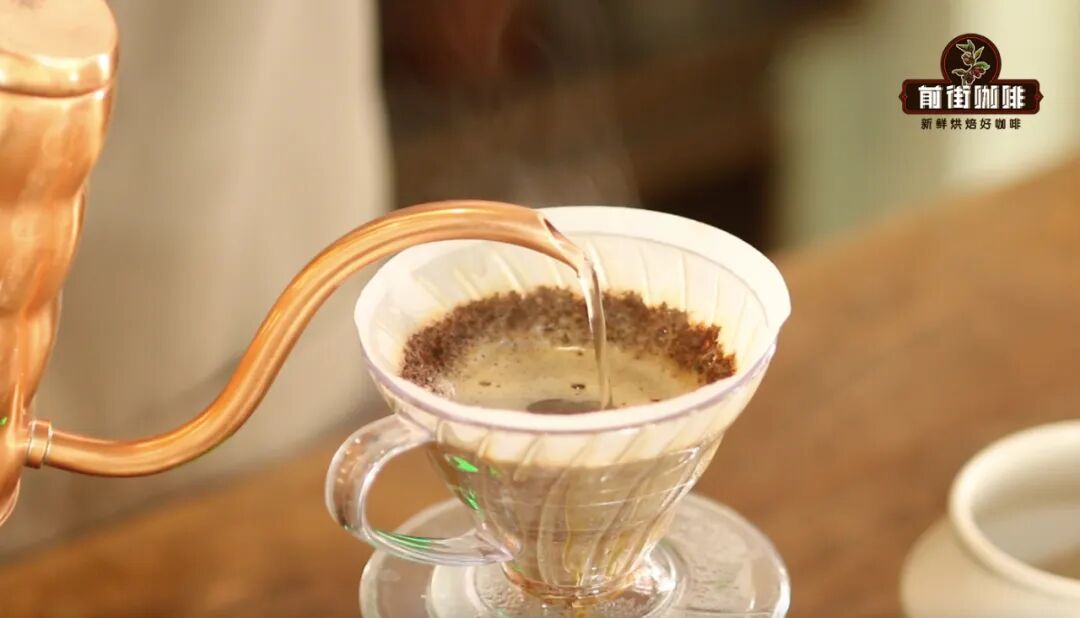
Compared to pure cold water, using warm water (e.g., 40–45°C) for extraction promotes molecular thermal motion in the initial stage, accelerating the release of some small-molecule flavor compounds. Then, as the water temperature gradually drops and stabilizes, it helps prevent coffee grounds from clumping, leading to a more even subsequent extraction and further suppressing the excessive release of bitter substances.
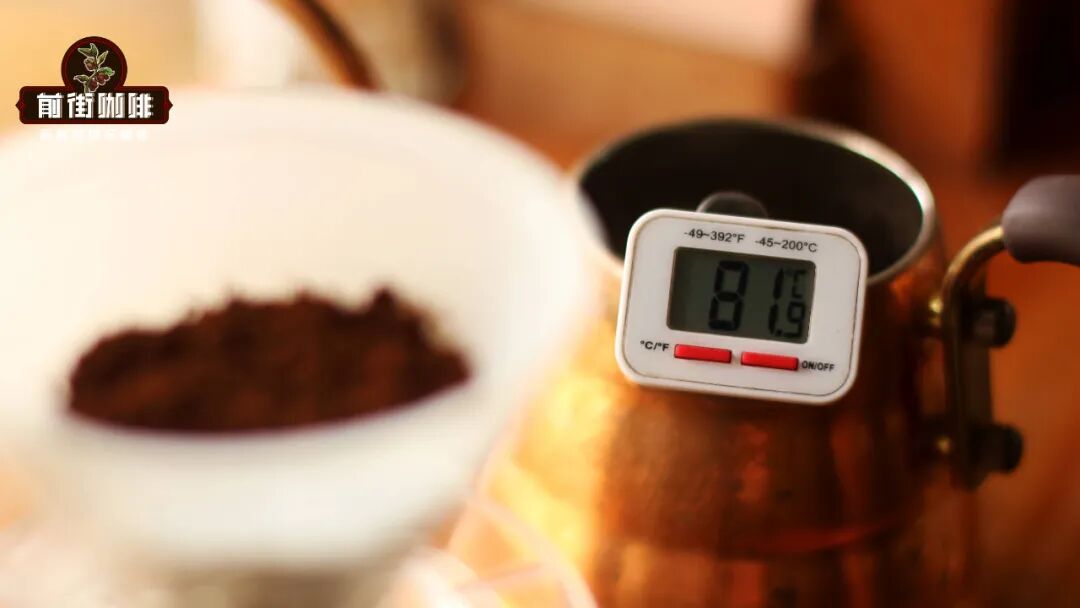
Practical Parameters and Steps for Warm Water Cold Brew
This test used an anaerobic sun-dried coffee bean from Panama, whose flavor profile is dominated by soft floral notes, sweet orange, and plum jam—balanced in acidity and sweetness, with a light mouthfeel, making it highly suitable for cold brew preparation. Considering that warm water might increase the risk of over-extraction by fines, the grind size was slightly adjusted coarser, recommended to be around 75% passing through a 20-mesh sieve.
The tested parameters are as follows:
• Coffee powder dosage: 30 grams
• Grind size: EK43s-10 click (approximately C40 26 click, equivalent to medium-fine grind)
• Coffee-to-water ratio: 1:11
• Water temperature: 45°C
• Total extraction time: approximately 3 hours refrigerated + stirring after returning to room temperature
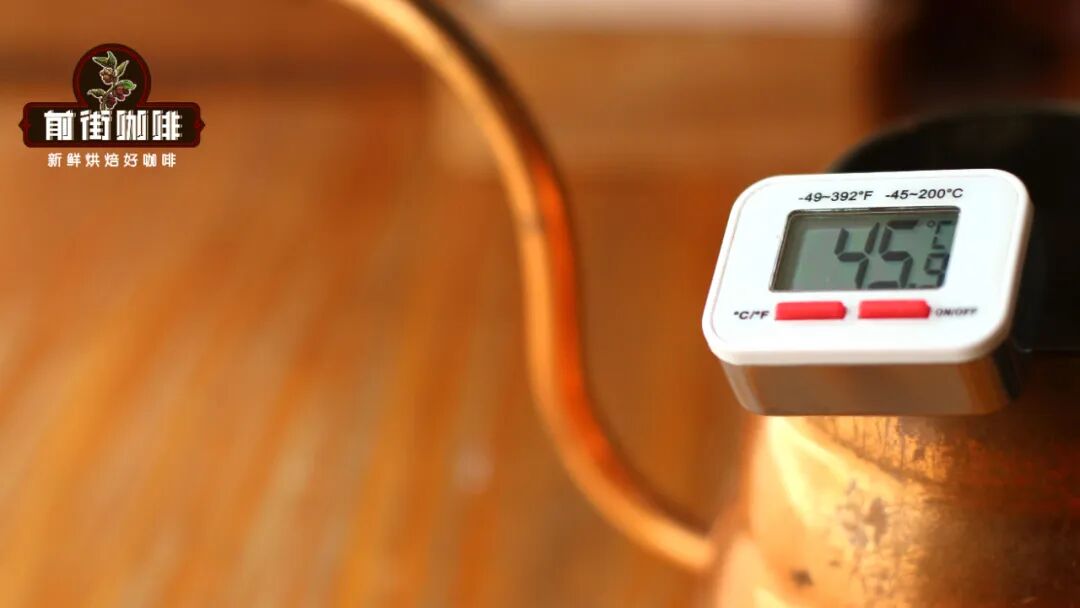
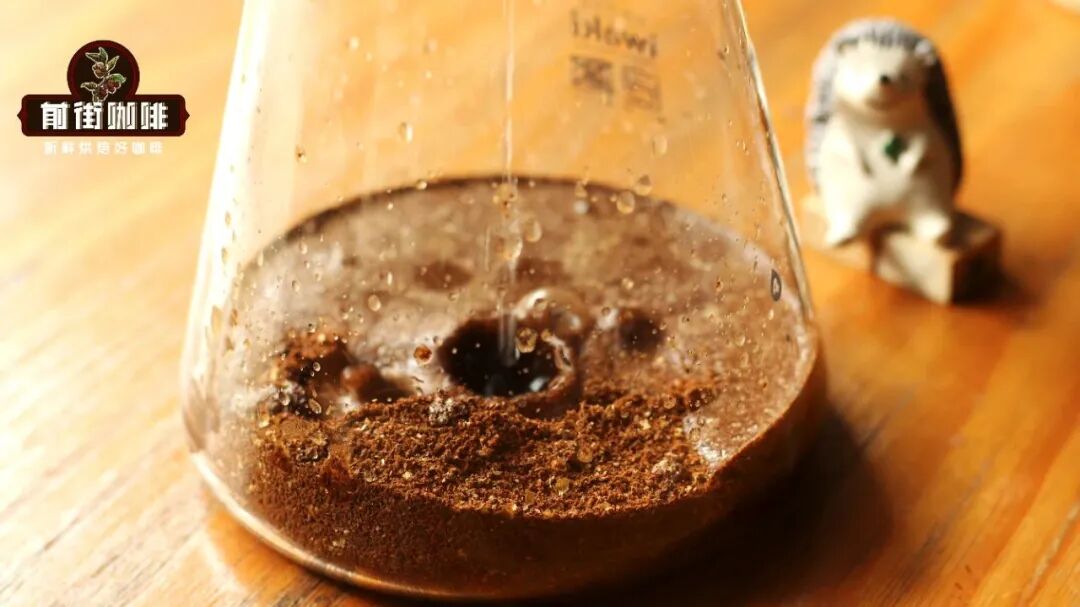
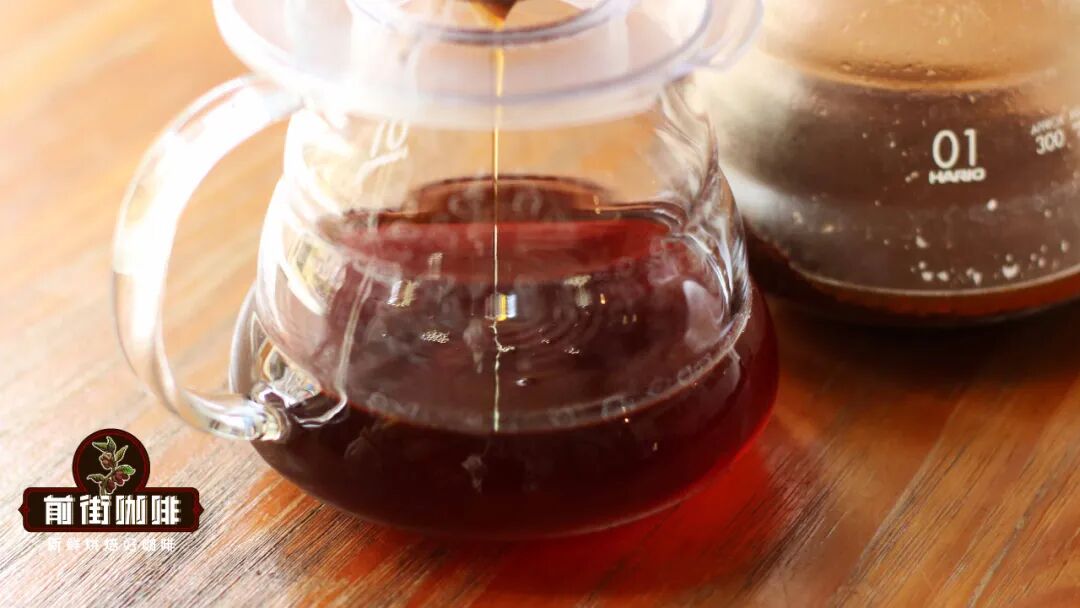
The specific steps are as follows: first, place the ground coffee into a clean container, add 330 milliliters of 45°C warm water, and stir evenly to ensure all coffee grounds are fully saturated. Once the mixture naturally returns to a temperature range of 35–40°C, seal it and place it in the refrigerator. It is recommended to let it sit for about 3 hours, then gently stir again before filtering out the coffee grounds to enjoy.
For comparison, a traditional cold water extraction method was also used, with the same ratio and grind size, but the water temperature was adjusted to room temperature (about 20–25°C), and the steeping time was extended to 7 hours. After refrigeration, it was filtered and tasted.
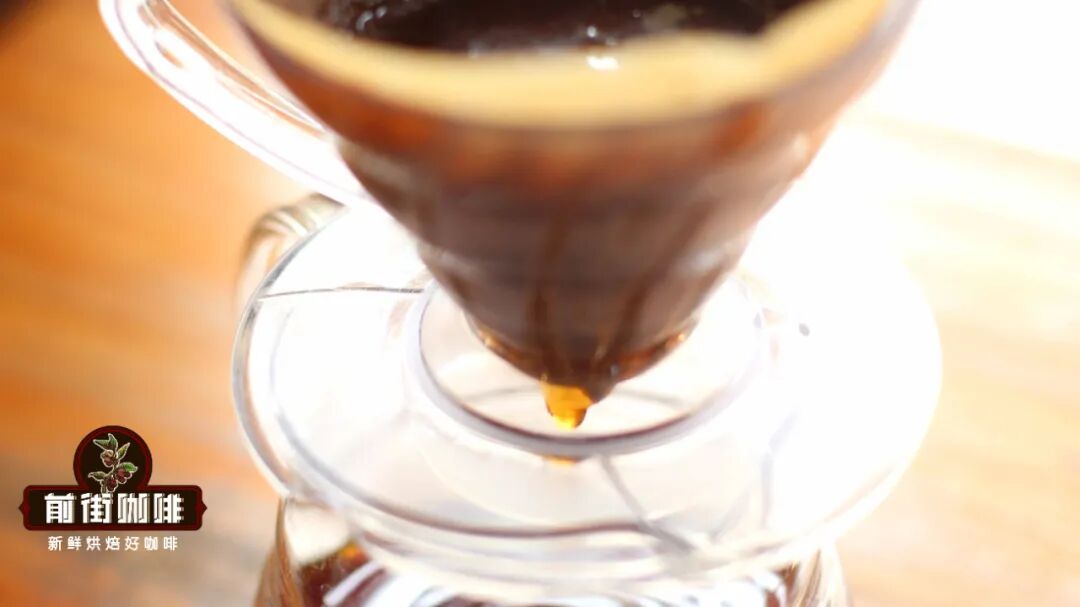
The actual tasting results showed that the room temperature cold brew version exhibited delicate floral notes, pineapple, orange, and a mild tea-like aftertaste, balanced overall with a slight hint of fermentation. Meanwhile, the warm water short-brew coffee gave off elegant aromas of bergamot and fruit jam, with a distinct sweetness of brown sugar and peach on the palate. However, its overall flavor intensity was slightly weaker, and the aftertaste was shorter. After refrigerating for another 3 hours, the warm water group showed significant improvement in layers and fullness, proving that moderate aging still contributes to flavor development.
Practical Tips and Suggestions
After trying various flavor profiles of coffee beans multiple times, it was found thatmedium-to-light roasted beans, such as sun-dried Alo or strawberry sugar honey-processed beans, which are fruit-sweet dominant, are particularly well-suited for the warm water cold brew method. They highlight their fruitiness and sweetness while avoiding off-flavors caused by over-extraction.
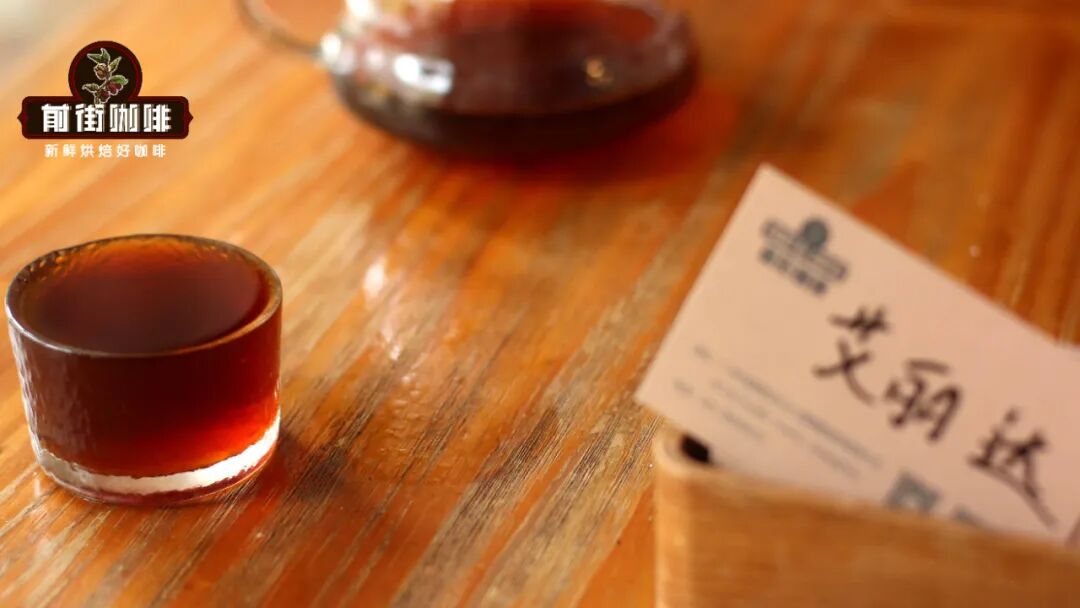
If you don’t have a professional thermometer at home, don’t worry. The so-called “warm water” is essentially a temperature close to human skin—just warm to the touch but not hot, roughly within the 40–45°C range.
Additionally, it is recommended to use a sealed container for refrigeration to avoid odor contamination, and choose cloth filters, paper filters, or fine mesh filters when straining to ensure a clear, sediment-free coffee liquid. By adjusting water temperature, time, and grind size, you can also craft your own uniquely flavored cold brew coffee.
The above content is compiled by CoffeeHunters, a coffee news website.


