







Introduction:Brazil is the world’s largest coffee-producing country. Its beans, known for their stable flavor profiles and reasonable prices, are often used as the base in espresso blends. This article delves into the terroir characteristics of two renowned Brazilian regions—Cerrado and Mogiana—explores the differences between Red Bourbon and Yellow Bourbon varieties, and breaks down the key techniques of the pulped natural processing method. It also introduces Brazil’s unique three-tier grading system and explains how to brew Brazilian beans to highlight their nutty and chocolatey notes, helping you master the selection and extraction techniques for Brazilian blend beans.
When it comes to global coffee production, Brazil is undoubtedly the leader. This South American powerhouse not only supplies a large volume of commercial-grade coffee but also produces numerous award-winning specialty beans. However, even though Brazilian coffee is known for its stable flavors and affordable pricing, some roasting brands still choose to offer only a limited selection of entry-level beans. Currently, only two Brazilian products are available, reflecting a thoughtful consideration of flavor performance and market demand.
Many consumers first encounter Brazilian beans through a shot of espresso or a cup of latte, where they experience its rich, nutty, and chocolatey profile. This consistent and balanced flavor has made Brazilian coffee a popular base for many baristas when crafting espresso blends. The following sections will take you through a comprehensive exploration of the secrets behind Brazilian coffee—from regional environments and variety traits to processing methods and grading standards.
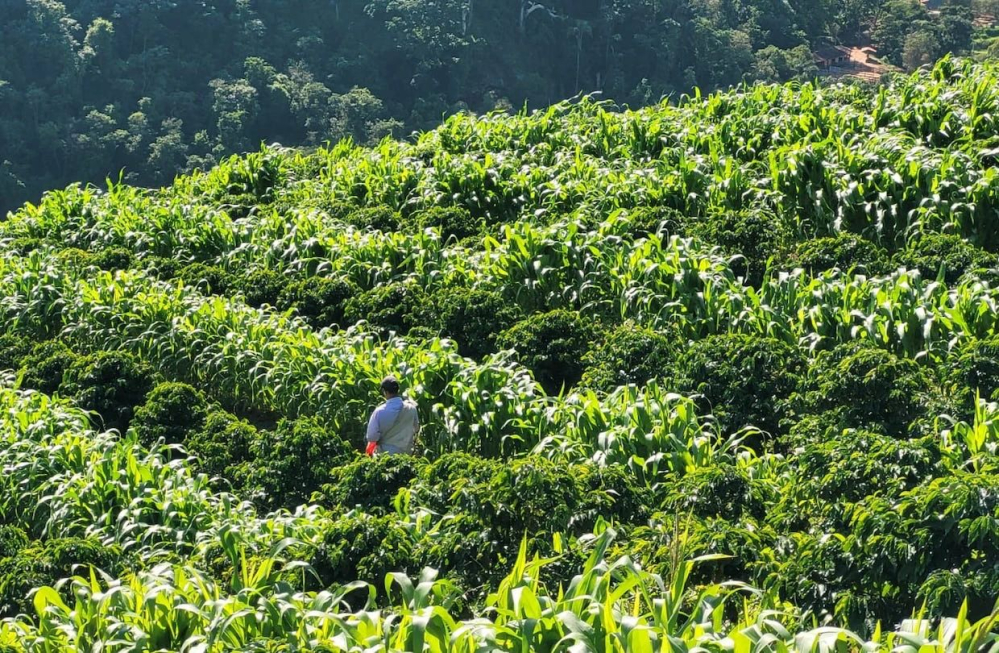
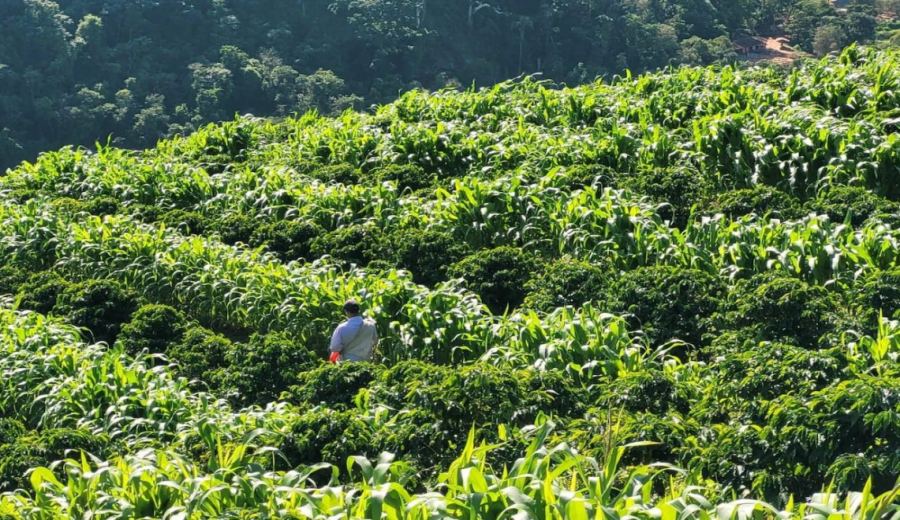
First, let’s take a look at one of Brazil’s major coffee-growing regions: Cerrado, located in the state of Minas Gerais. This vast plateau in western Minas Gerais sits at an altitude of 750 to 1200 meters, featuring flat terrain and a dry climate that is ideal for large-scale mechanized farming. The Red Bourbon variety grown in Cerrado thrives at around 1000 meters above sea level, making it a classic example of high-altitude cultivation.
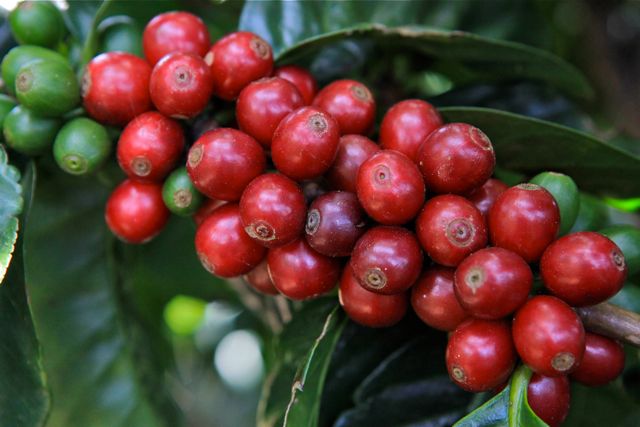
Red Bourbon is a mutation of the Bourbon variety, known for its round bean shape and red fruit color. In high-altitude environments, Red Bourbon tends to exhibit brighter acidity along with complex layers reminiscent of red wine. However, Brazil’s cultivation and processing methods often prioritize consistency and stability over extreme flavor variability. As a result, the Red Bourbon from Cerrado typically showcases more approachable notes such as nuts, cream, and caramel.
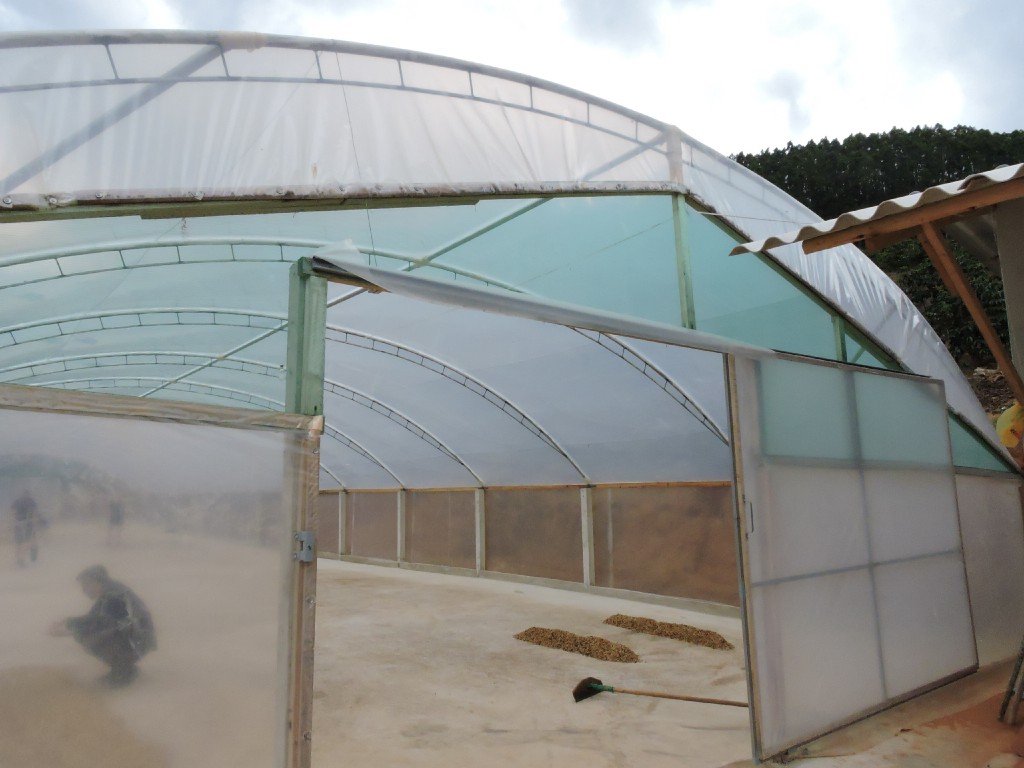
It’s worth noting that while traditional natural (sun-dried) processing is common in the Cerrado region, the selected beans here are processed using the pulped natural method. This technique was pioneered in Brazil in the 1990s to address the challenges posed by the region’s dry climate, which is unsuitable for prolonged open-air sun drying. The key to pulped natural processing lies in removing the coffee cherry’s skin and pulp while retaining part of the mucilage before sun drying. This approach not only shortens the processing time but also allows for more precise control over fermentation levels, reducing the risk of off-flavors.
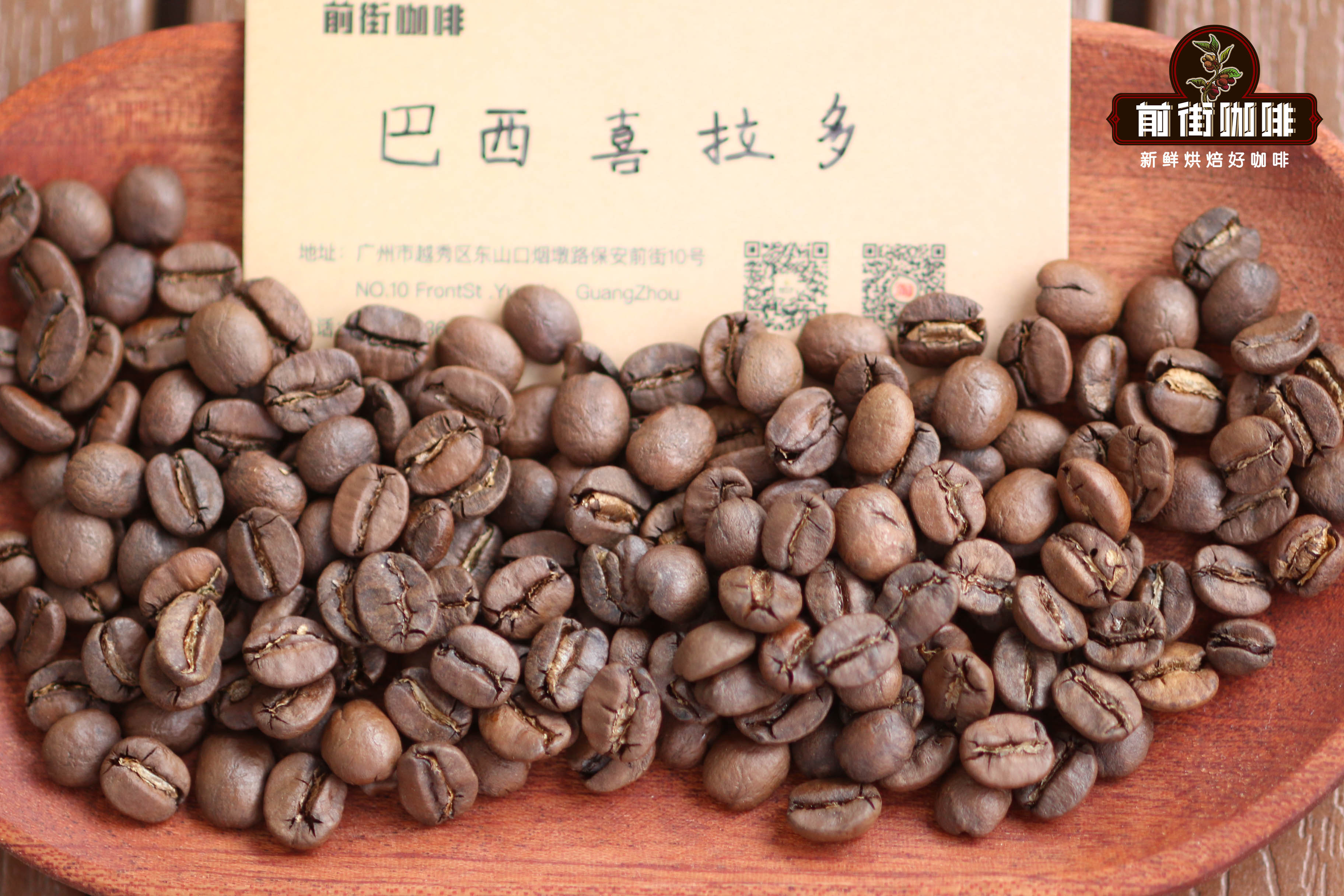
Compared to traditional natural processing—which may lead to moldy or earthy notes due to rain or prolonged exposure—pulped natural processing improves cleanliness and consistency in ripeness. Additionally, the removal of skin and pulp during processing helps screen out underripe beans, resulting in a more uniform final cup profile. This is one of the reasons why the pulped natural method was chosen for processing the Cerrado beans.
The other Brazilian bean available is sourced from Queen Estate in the Mogiana region, which sits at an even higher altitude of approximately 1400 to 1950 meters. Located near the southern part of Minas Gerais, this area features a landscape of rolling hills and shrub vegetation. Many coffee farmers here adopt small-scale, meticulous farming practices combined with modern technological management, resulting in highly distinctive flavor profiles.
The variety used at Queen Estate is Yellow Bourbon, a relatively rare mutation that ripens to a yellow fruit color instead of the more common red. Yellow Bourbon was first discovered in Brazil in the 1930s and is believed to be a hybrid offspring of Red Bourbon and a yellow-fruited mutation. This variety often exhibits richer sweetness and aromatic complexity at higher altitudes. The Queen Estate version is particularly noted for its sugarcane-like brightness and gentle acidity.
This estate-grown bean is processed using a refined natural (sun-dried) method, which stands in contrast to the more extensive and less controlled traditional sun drying. Refined natural processing emphasizes even drying for each batch of beans, with strict control over weather conditions and the frequency of bean turning to ensure the purity and layering of the final cup flavors. Cupping results show that this bean displays prominent cocoa and almond notes, with outstanding sweetness and a long-lasting aftertaste.
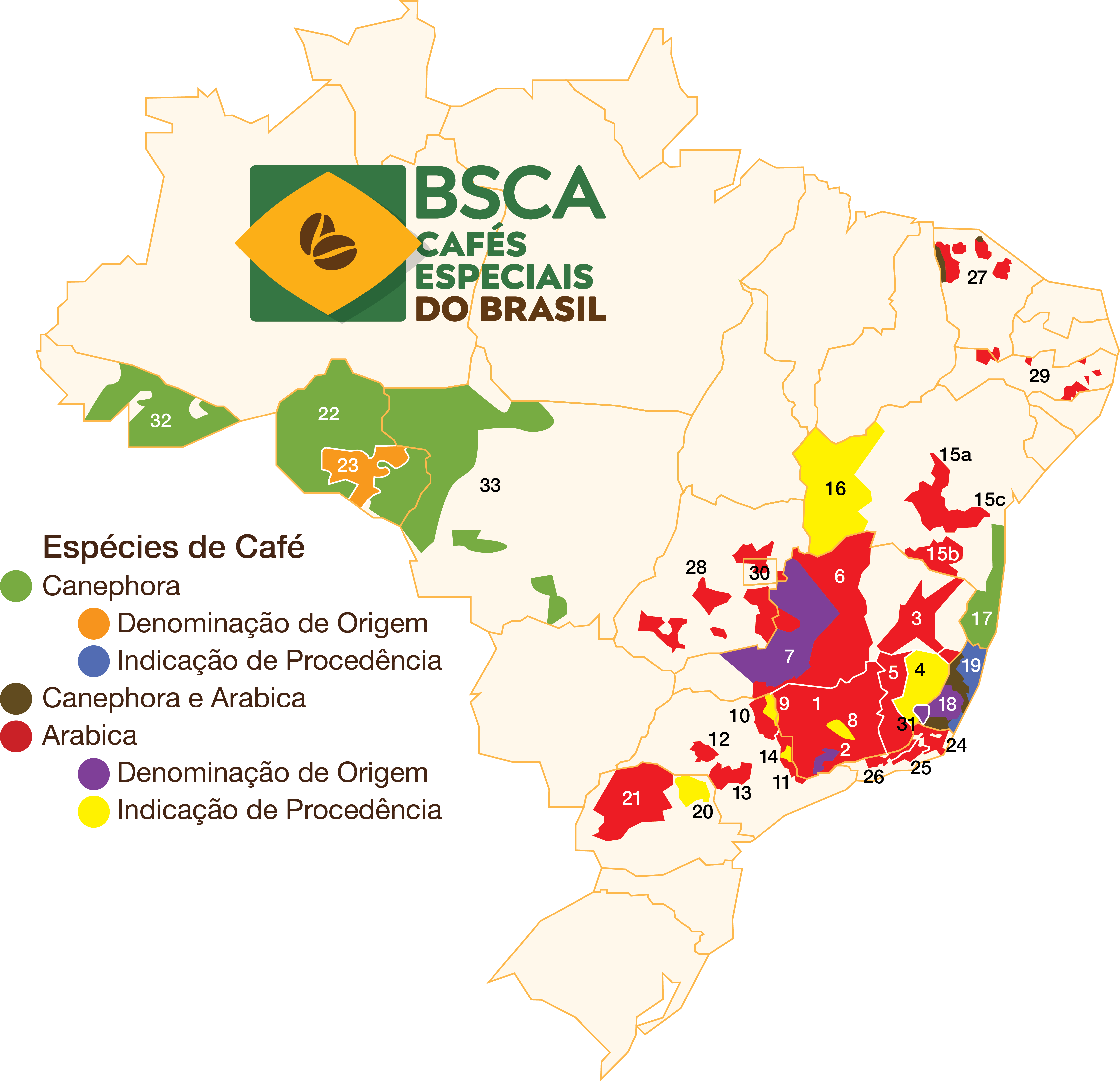
If you’ve ever looked at packaging for imported Brazilian green coffee beans, you might have noticed labels such as ‘Brazil NY.2 SC – 17/18 FC’. This is actually part of Brazil’s unique coffee grading system, also known as the NY grading method. Due to Brazil’s massive production volume and dispersed growing regions, detailed grading standards were established by the government to unify export quality and manage market expectations. These standards allow buyers to select suitable beans based on cupping results and physical parameters.
Brazilian coffee grading primarily evaluates beans across three dimensions: First is the defect rate, assessed using a ‘deduction system’ that counts the number of defective beans in a 300-gram sample. Fewer defects mean a higher grade. Grades generally range from No.2 to No.8, with No.2 considered the highest commercial grade. While No.1 beans have virtually no defects, they are rare and supply is inconsistent in large-scale trade, making No.2 the de facto top-tier standard.
The second factor is bean size, or the width of the coffee bean. Brazil uses screens measured in 1/64-inch increments, with common screen sizes ranging from 14 to 20. Among these, 17/18 is considered the best grade, indicating full and uniform beans that facilitate better heat transfer during roasting.
The third factor is cup quality, commonly described using terms like Fine Cup (FC) and Good Cup (GC) to indicate the quality of the flavor profile. Many exporters also specify the processing method (such as natural or pulped natural) as well as information about the origin or estate, helping buyers better understand the background of the beans.
Looking back at history, Brazilian coffee was once labeled as ‘low-quality’ due to an overemphasis on yield at the expense of quality. In the early days, exported beans often contained stones, debris, and even off-varietal beans, with beans exported from the port of Rio de Janeiro being especially notorious. It wasn’t until the introduction of the COE competition and the NY grading system that Brazilian specialty coffee began to shed its low-tier image and establish quality standards.
So, what kind of flavor experience can you expect when brewing Brazilian beans? It is recommended to use a KONO filter, with a dosage of around 15 grams, water temperature at 90°C, and grind size set to medium (approximately 70% passing through a #20 sieve). Use a staged extraction method: start with a 30-second bloom using double the coffee dose (about 30 grams) of water, then pour in a slow circular motion until you reach 125 grams and pause briefly. Once the water level drops, continue pouring to 225 grams, with a total extraction time of about 2 minutes.
Using these parameters, the Cerrado Red Bourbon reveals pronounced notes of nuts, peanuts, caramel, and cream, with a smooth mouthfeel and outstanding sweetness. The Queen Estate Yellow Bourbon, on the other hand, features a base of cocoa and almonds paired with notable sugarcane sweetness, delivering a full-bodied and balanced overall flavor.
In summary, Brazilian coffee, with its stable production capacity, affordable pricing, and distinctive nutty character, has become an indispensable element in global espresso blends. If you enjoy the rich crema and balanced taste of espresso, consider trying a blend based on Brazilian beans to experience how it supports the soul of a classic cup of coffee.
The above content is compiled by CoffeeHunters, a coffee news website.


