







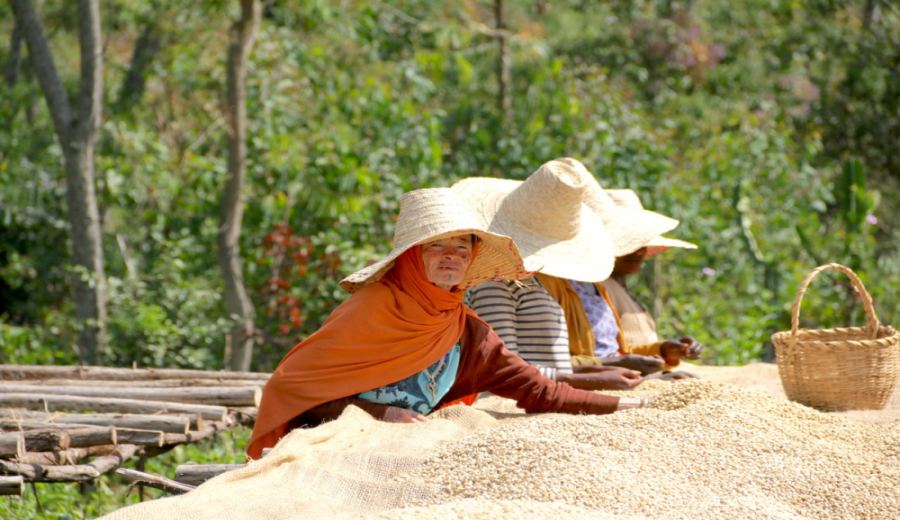
Introduction:Did you know? What was once categorized under Sidamo, the Hua Kui (Geisha) coffee is now mostly labeled as originating from Guji, specifically the Hambella sub-region. This isn’t merely an administrative reclassification, but a reflection of how the Guji region—thanks to its unique geographical conditions and refined processing techniques—has distinguished itself from Sidamo. This article will take you deep into understanding how Guji-Hambella has become a key source of specialty coffee, and analyze the geographical and processing details behind the Hua Kui series, helping you better appreciate that cup of coffee in your hand.
Ethiopia is hailed as the cradle of coffee, with a coffee cultivation history that dates back hundreds of years. However, with the rise of the specialty coffee trend, consumers have become increasingly focused on the details of origin and the sources of flavor. Many people may have previously recorded the origin of "Hua Kui" as "Sidamo," but today, more and more information indicates that its true origin should be "Guji," particularly the Hambella sub-region. This shift is not only the result of geopolitical and regional reclassification, but also reflects the rising potential of the coffee from this area.
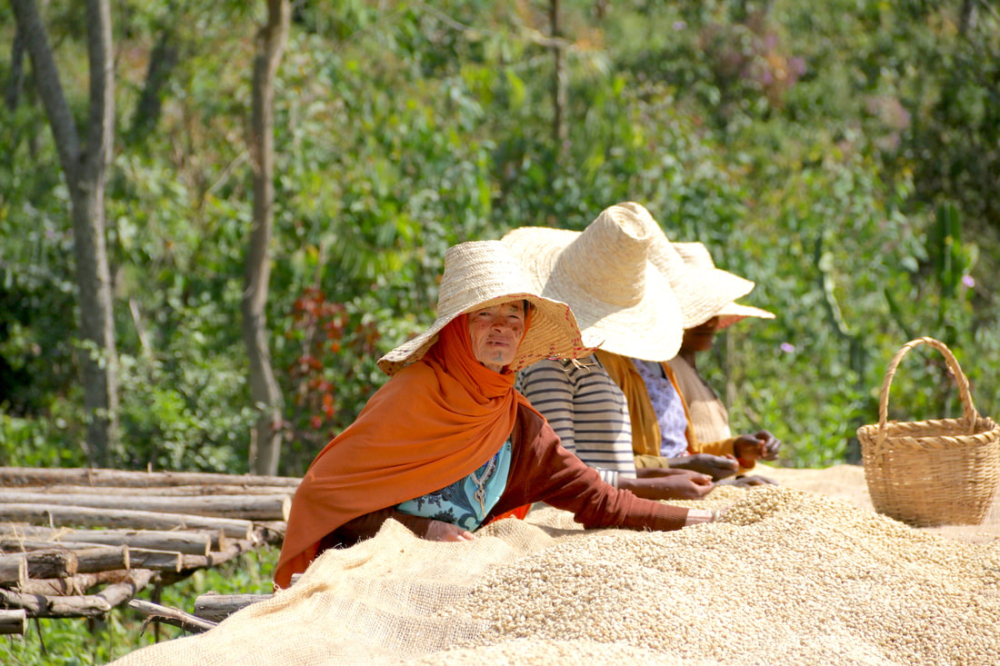
Sidamo was once a broad and diverse coffee-producing region in southern Ethiopia, encompassing over 23 districts, more than 50 cooperatives, and over 200 processing stations. Due to differences in terrain and climate, the coffee flavors from each micro-region are highly layered. For example, early Yirgacheffe was originally part of Sidamo, but due to its standout flavor profile, it was independently registered as the "Yirgacheffe®" trademark as early as 2007, becoming a focal point in the global specialty coffee market.
Similarly, when the Ethiopian Commodity Exchange (ECX) was established in 2008, the coffee from the Guji region was still classified under the "Sidama A" category. However, as numerous micro-regions within the area repeatedly won awards in international competitions such as COE, their distinctive flavor characteristics gradually gained recognition in the international market. Finally, in 2015, the ECX officially designated Guji as an independent producing region, marking a new chapter for its coffee industry.
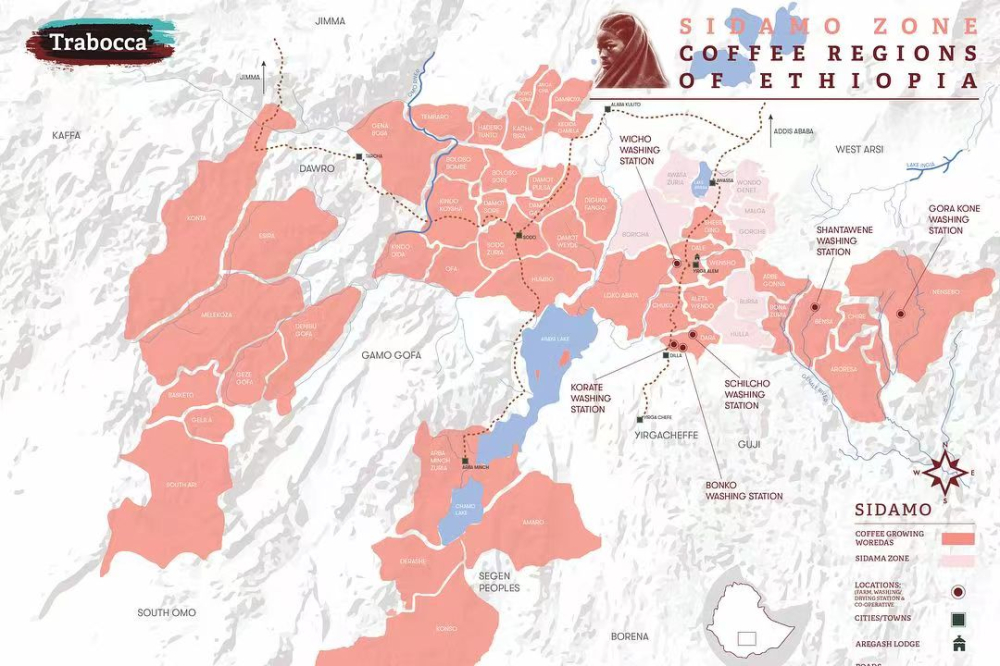
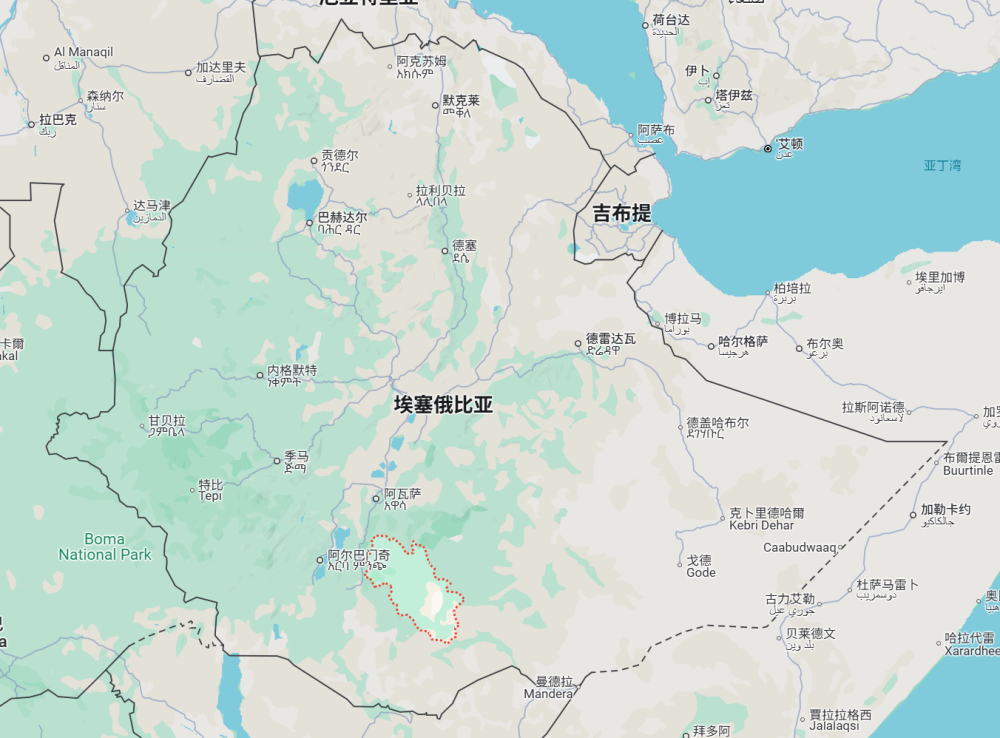
Guji is located in a relatively remote part of southern Ethiopia, with rugged terrain and limited external connections for a long time. In the past, local residents mainly relied on livestock herding and mining for their livelihoods. It wasn’t until recent years, when its high-quality coffee began to attract attention from international buyers, that coffee became a significant cash crop for the region. Compared to other traditionally well-known producing areas, Guji benefits from high-altitude environments, mineral-rich volcanic soils, and expansive, suitable sloping land—all of which provide a solid foundation for coffee cultivation and processing.
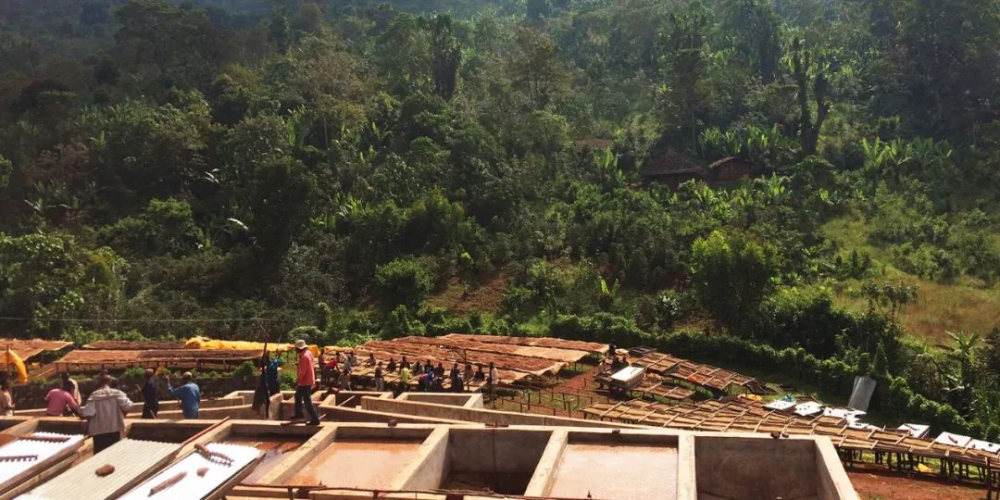
Well-known sub-regions of Guji include Ana Sora, Hambella, Shakiso, Uraga, and Rogicha. Among them, the most famous Hua Kui 8.0 is sourced from the Hambella sub-region of Guji and processed using the natural (sun-dried) method at the Buku Abel processing station.
Hambella is not just a geographical name, but also a coffee farm operated by METAD Agricultural Development PLC. The founder, Aman Adinew, comes from a coffee-growing family, previously served as the Chief Operating Officer of the ECX, and later dedicated himself to modernizing and internationalizing Ethiopian coffee. The Hambella farm spans 200 hectares and is located about 75 kilometers from Yirgacheffe, situated in Ethiopia’s coffee-growing golden zone. The processing station is not only fully equipped, but also features highly professional processing procedures and management. Coupled with fertile volcanic soil and a favorable ecological environment, these factors contribute to the outstanding quality of its coffee.
When it comes to Hua Kui, many coffee enthusiasts first think of its bright floral aroma, rich fruity notes, and juicy mouthfeel. In fact, the name "Hua Kui" was originally just a nickname given by the market to the natural (sun-dried) G1-grade coffee beans from the Buku Abel processing station in Hambella. The original English name was "Ethiopia Guji Hambella Buku Abel"—the very origin of what is now widely known as "Hua Kui."
Before Hua Kui shot to fame, this coffee bean was only circulated in the market under the name "Hambella." As demand skyrocketed, DW Company set up five exclusive processing stations in Dimtu Town, Wamena Wereda of Hambella, including Buku Abel, Buku Saysay, Haro Soresa, Tirtiro Goye, and Seke Bokosa—all concentrated in the core producing area. These processing stations significantly increased production capacity, with an estimated annual output of several thousand tons of "Hua Kui" series coffee beans.
However, since 2018, some consumers and roasters have noticed slight year-to-year variations in Hua Kui's flavor. Cupping observations showed that while the 2018 and 2019 versions retained similar aromatic profiles to the original, they were slightly inferior in terms of body and aftertaste compared to the inaugural 2017 Hua Kui. To distinguish products from different years, domestic traders began naming batches with an "X.0" system—for instance, 2018 became "Hua Kui 2.0," 2019 had "Hua Kui 3.0" and "Hua Kui 3.1," and so on, with the latest 2024 version being "Hua Kui 8.0." This numbering system allows consumers to easily identify the coffee’s year of origin and its corresponding flavor profile.The basic parameters of Hua Kui 8.0 are as follows: produced in the Guji region of the Sidamo-Guji area in Ethiopia, with an altitude between 2250 and 2350 meters, grown from local native varieties, and processed using the natural (sun-dried) method. Its flavor profile commonly features floral notes, jackfruit, dried fruit, apricot, along with a distinct juiciness, making it a favorite among many pour over enthusiasts.
For brewing recommendations, lightly roasted Hua Kui is best presented with a medium-fine grind (such as 78% passing through a Chinese standard #20 sieve). The recommended water temperature is 92°C to 93°C, which can fully bring out its floral and fruity aromas as well as sweetness. If using a V60 dripper, a coffee-to-water ratio of 1:15 to 1:16 is suggested, adjustable according to personal taste preferences. For a stronger flavor, choose 1:15; for a cleaner and brighter profile, increase the ratio to 1:16.
For specific pour over technique, a three-stage pouring method can be used: start with a bloom using twice the amount of coffee’s weight in water (about 30 grams) for around 30 seconds, then pour in a circular motion with a small stream of water up to 125 grams. Once the water level drops, continue pouring up to 225 grams, keeping the total brew time around 2 minutes. This method helps balance acidity and sweetness, highlighting the most captivating layers of Hua Kui.
The above content is compiled by CoffeeHunters, a coffee news website.


