







Introduction:Siphon coffee is beloved by coffee enthusiasts for its unique brewing process and rich flavor. This article will delve into the invention background of the siphon, the flavor differences compared to pour over coffee, and provide detailed explanations of brewing parameters, stirring techniques, required tools, and the complete brewing steps. Whether you're a beginner or an aspiring barista, you’ll find practical operational advice and technical inspiration here.
Siphon coffee is not just a brewing method but also a ritual that demands focus and patience. From precisely controlling the heat, stirring at the right time, to observing the coffee liquid’s reflux, each step influences the final flavor presentation. This brewing method has relatively high technical requirements, but once mastered, it can yield a rich and layered cup of coffee.
The history of the siphon can be traced back about two hundred years, with its operating principle based on vacuum and siphon phenomena. It is recorded that the earliest glass vacuum pot was developed by S. Leoff in Berlin, Germany, in the 1830s. Subsequently, this design spread across Europe, leading to multiple improved versions. By 1841, Madame Vassieux of Lyon, France, designed a near-modern upright siphon and successfully applied for a patent. Interestingly, legend has it that the musician Beethoven personally selected 60 coffee beans each morning and brewed them using an apparatus similar to a siphon, showing that this design was already taking shape at the time.
This type of coffee pot is called a Syphon in English, and due to its similar pronunciation, it is often referred to as a "赛风壶" (sai feng hu) in Chinese-speaking regions. The two are actually the same device and should not be confused. Understanding this name helps in more accurately searching for information or purchasing equipment.
The biggest difference between siphon coffee and pour over coffee lies in the brewing temperature and filtration method. Siphons typically use higher water temperatures, which makes flavor compounds in the coffee—especially bitter components—more likely to be released, resulting in an overall richer and fuller-bodied taste. Additionally, most siphons use a cloth filter, which does not completely filter out coffee oils like a metal filter would, yielding a smoother, more rounded, and fuller mouthfeel.
Although brewing with a siphon involves multiple steps, this complexity also contributes to its unique charm. From grinding, heating, pouring water, stirring, to observing the reflux, each step is filled with observational and operational enjoyment. Though more time-consuming than pour over, its sense of ritual and control is exactly what attracts many coffee lovers.
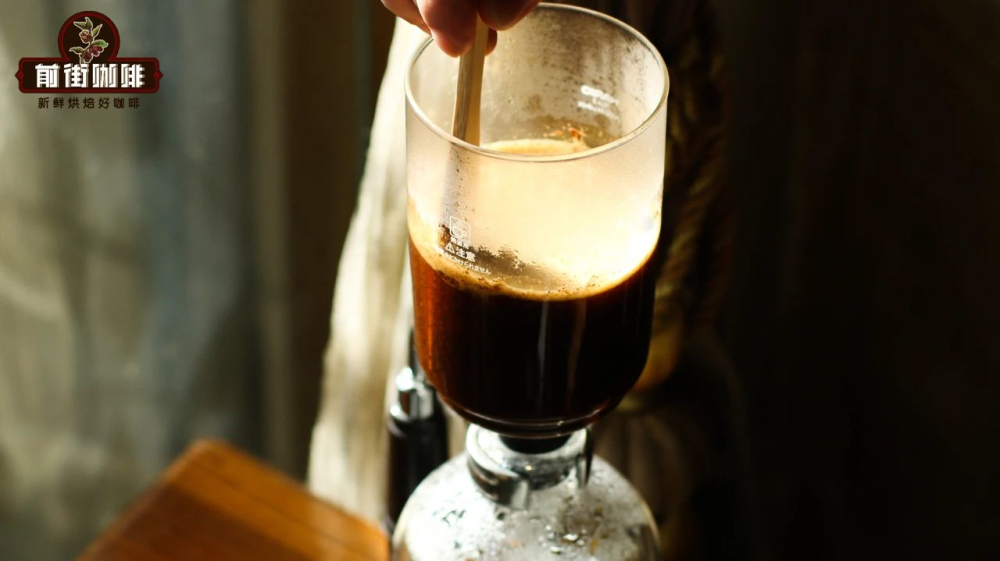
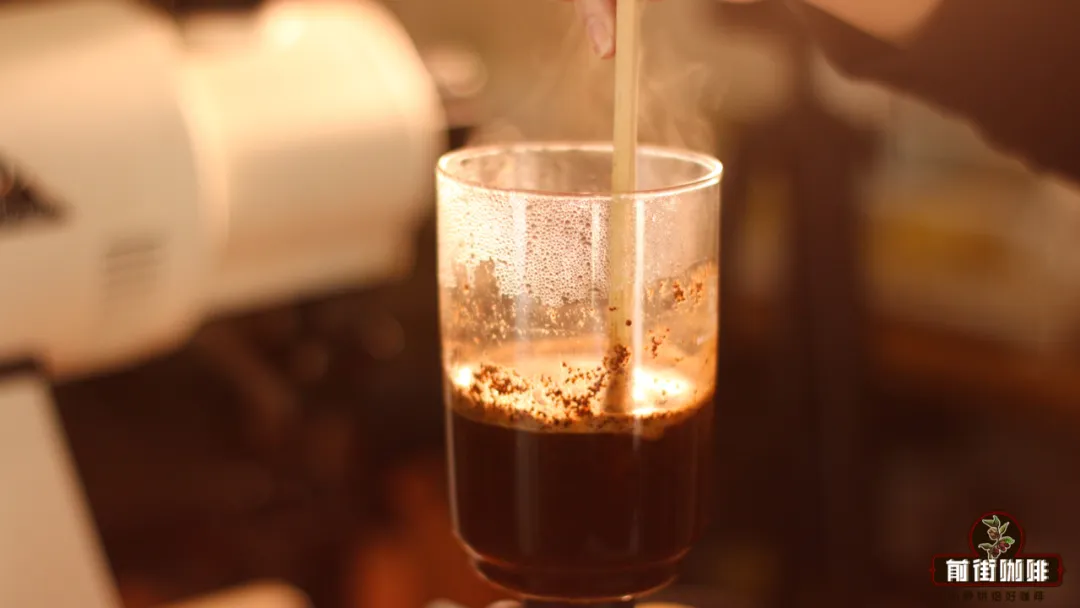
When operating a siphon, stirring is a crucial element. There are various stirring methods, including common techniques such as tapping, circling, crossing, Z-shaped, and even infinity (∞) stirring. Among these, tapping is mainly used to help the coffee grounds evenly absorb water, with gentle force; whereas circling, crossing, and other methods involve greater stirring intensity, effectively improving extraction efficiency and influencing the final flavor’s intensity and balance. Depending on personal preference and coffee characteristics, you can choose the appropriate stirring method—there is no absolute standard.
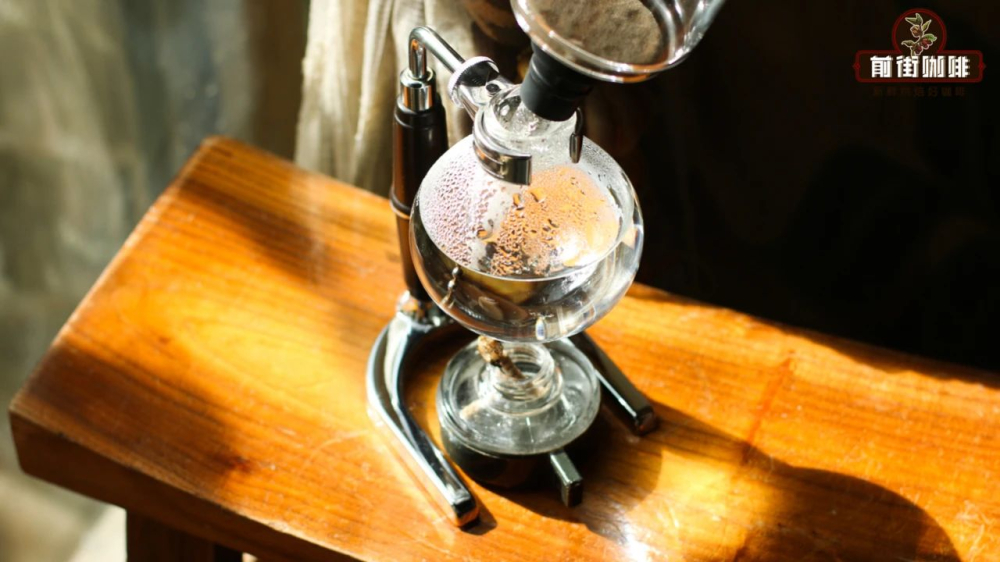
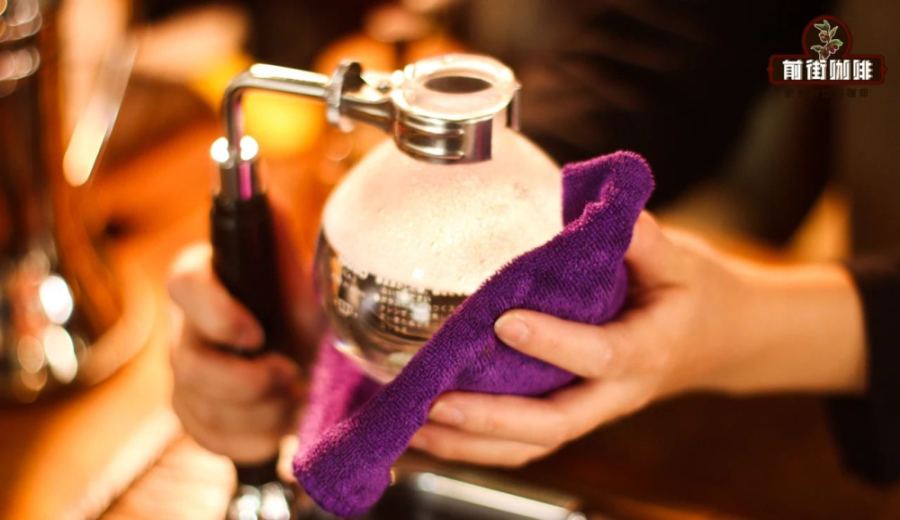
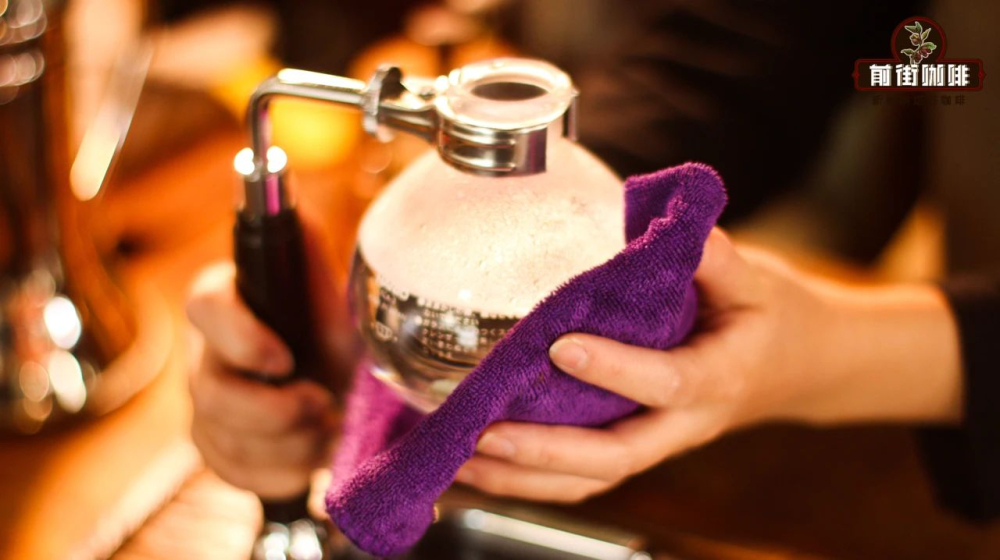
In addition to the siphon itself and stirring tools, some auxiliary items are needed for brewing. First is a cloth—having both a dry and a wet one is recommended: the dry cloth is used to wipe moisture off the lower chamber before heating to prevent sudden bursting due to water during heating; the wet cloth can help control the flow rate and timing during the coffee liquid reflux stage, ensuring complete extraction. Next is the heat source, commonly a gas stove, microwave oven, or alcohol lamp. Gas and microwave devices heat up quickly and are easy to control, but they are relatively more expensive; alcohol lamps are cheaper but have low firepower and poorer stability, requiring longer heating times. If using an alcohol lamp, it is recommended to pour in hot water directly rather than room-temperature water during heating to shorten the waiting time.
After understanding the above preparations, let’s move on to the specific brewing process and parameter recommendations. This demonstration uses lightly roasted Kenyan · Assaria coffee beans, which are known for their bright flavors and vibrant acidity. To balance its acidity and bring out sweetness, a relatively high water temperature of around 92°C was used, and the upper chamber was sealed for heating when bubbles frequently appeared in the lower chamber. The grind size was set two levels finer than typical pour over, approximately equivalent to the 9th setting on an Ek43 grinder, or a 20-mesh sieve passing rate of 90%, to ensure even extraction. The recommended coffee-to-water ratio is 1:14—for example, 20 grams of coffee grounds to 280 milliliters of hot water—which delivers a rich yet refreshing taste profile.
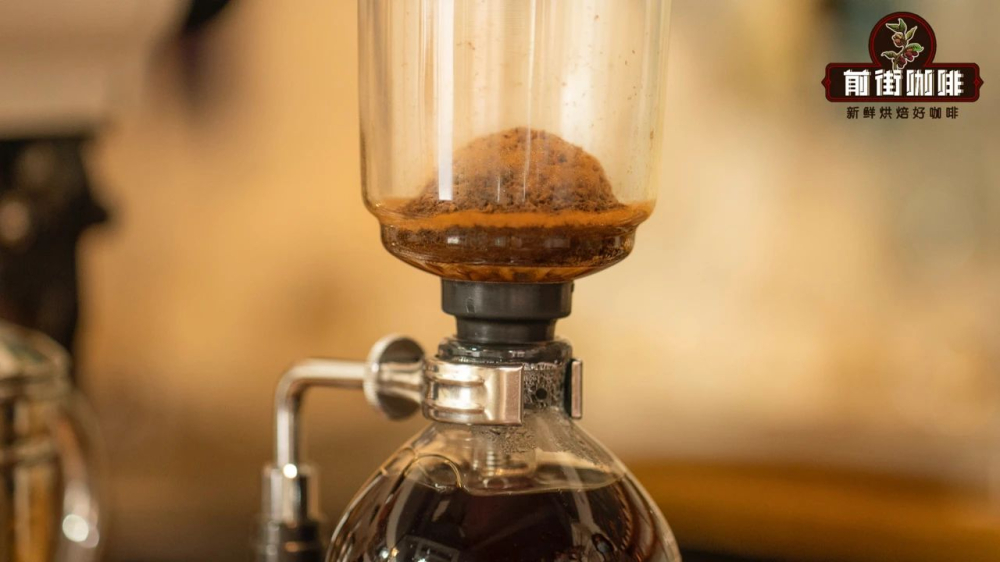
During brewing, first pour the calculated amount of water into the lower chamber and confirm that the equipment is assembled correctly. Then start heating and observe the boiling of the water in the lower chamber. When steam becomes noticeably more abundant and the water level begins to rise into the upper chamber, add the coffee grounds. Next, quickly mix the coffee grounds and hot water using your chosen stirring technique to ensure even contact between the grounds and water. Let it sit for about 60 seconds to allow the coffee flavors to fully develop, then use a cloth to cool down or adjust the flame to guide the coffee liquid smoothly back into the lower chamber, completing the extraction.
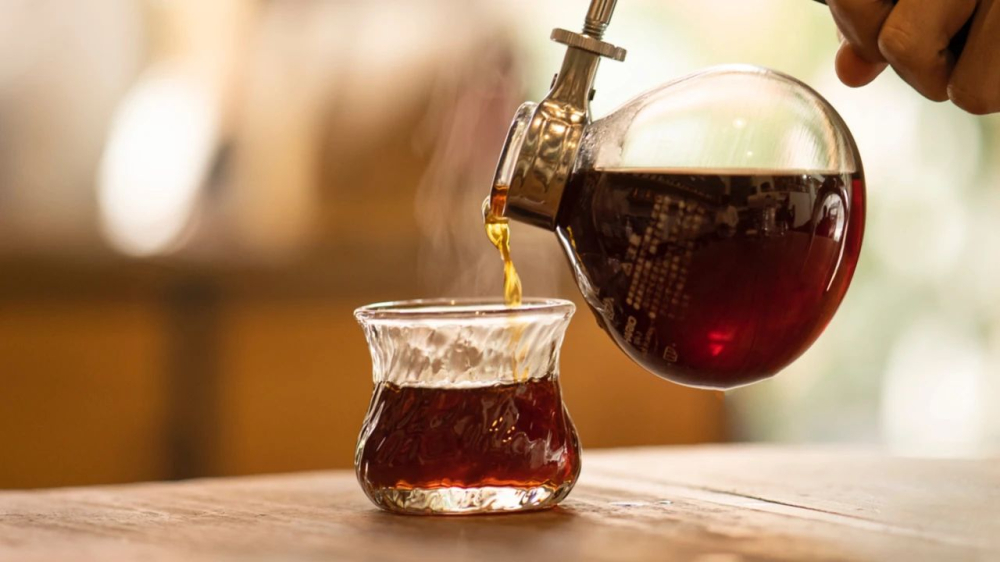
In summary, although siphon coffee requires more time and attention, its unique brewing enjoyment and flavor profile make it a classic favorite among many coffee lovers. From understanding the history of the equipment, selecting appropriate parameters, to mastering stirring and reflux techniques, every step is an essential part of enjoying a high-quality siphon-brewed cup.
The above content is compiled by CoffeeHunters, a coffee news website.


