







Introduction:What’s the difference between freshly ground Americano from a convenience store and that from a café? The key lies in the type of machine used and the brewing method. This article delves into the principles of two extraction methods—standard drip and espresso under pressure—and explores how they influence coffee flavor. It also offers practical coffee bean selection advice for different machines, including the flavor profiles of single-origin beans and blends suitable for pour over, as well as handpicked beans tailored to various types of brewers, helping you find your ideal coffee match.
Nowadays, more and more convenience stores are installing freshly ground coffee machines. With just a push of a button, you can enjoy a cup of freshly brewed Americano within minutes. But many people wonder: is this kind of Americano the same as those served in cafés? The answer lies in the type of machine used. Convenience stores mostly use standard drip coffee makers, while cafés typically base their Americanos on espresso extracted under high pressure, then diluted with hot water.
The structure of a standard drip coffee machine is relatively simple, mainly consisting of two layers: the upper part holds a filter paper or metal filter along with the coffee grounds, while the lower part collects the brewed coffee. Hot water drips naturally through the coffee grounds by gravity to complete the extraction. Since no additional pressure is applied during this process, the resulting coffee has a lighter flavor profile, making it suitable for enjoying pure black coffee, but not ideal as a base for milk-based drinks like lattes or cappuccinos.
In contrast, an espresso machine uses pressurized hot water to quickly pass through a compact puck of coffee grounds, extracting flavors efficiently. These machines often have a built-in boiler system that uses a pump to generate high pressure, forcing water through the coffee puck at around 9 bars of pressure, producing a rich and crema-covered espresso. This concentrated coffee serves as the base for most Americanos, capable of delivering a more complex and layered flavor.
Speaking of Americano, it is essentially a simple combination of espresso and hot water. Legend has it that this beverage originated during World War II, when American soldiers found the intense bitterness of Italian espresso too strong, so they began diluting it with water to adjust it to their preferred strength. This brewing method gradually gained popularity and became the well-known black coffee style we know today. There’s no strict ratio for Americano, but based on the experience of many professional shops, a 1:6 coffee-to-water ratio offers a better balance. For example, adding 40 grams of espresso to 240 grams of hot water at around 88°C makes a standard hot Americano; if using ice, it’s recommended to combine 120 grams of ice with 120 grams of room temperature water to quickly cool the drink while preserving the flavor.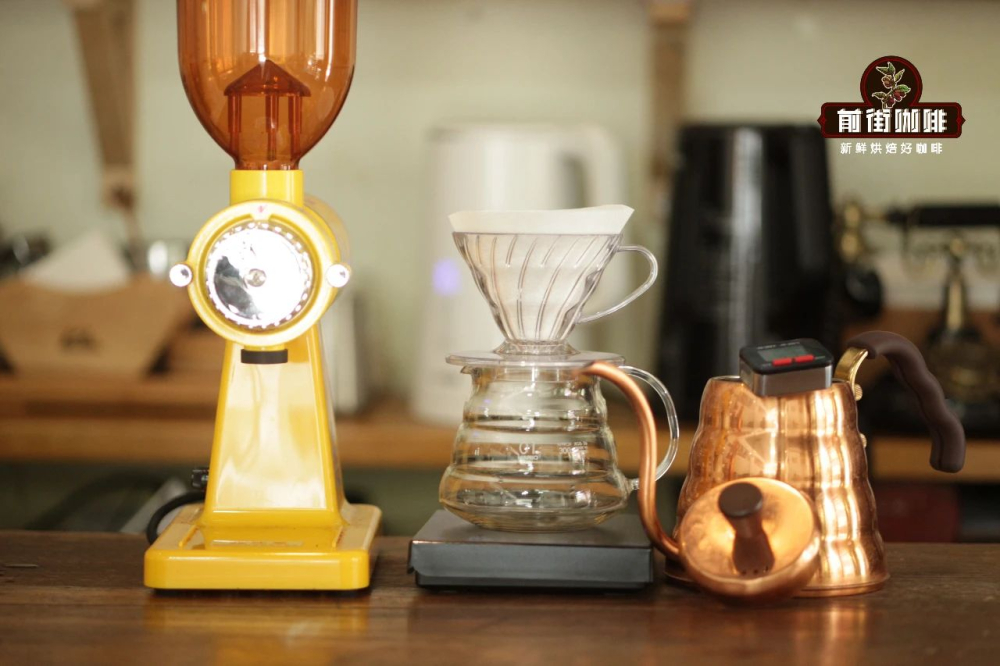
So, if you want to make a good-tasting Americano at home or in the office using the same type of drip machine found in convenience stores, how should you choose your coffee beans? For standard drip machines, it’s suitable to select single-origin beans commonly used for pour over or filter coffee. These beans are usually medium to light roasted, highlighting bright acidity and floral-fruity aromas, making them ideal for those who prefer a refreshing taste. For instance, if you enjoy fresh fruity notes, you can opt for beans with berry flavors—offering a balanced sweet and sour profile with a clean aftertaste, perfect for everyday black coffee enjoyment, whether at home or in the office.
If you’re using an espresso machine at home or in a shop, the situation is different. Because espresso machines extract coffee under high pressure and high temperature, choosing a light-roasted single-origin bean may cause any single dominant flavor to stand out too much, affecting the overall balance of the cup. Therefore, it’s recommended to choose professionally blended beans, where beans from different regions and processing methods are harmonized to deliver a more stable and layered performance. Such blends typically feature notes of nuts, chocolate, or caramel, which can better withstand the challenges of high-pressure extraction.
For users of home espresso machines, freshly roasted espresso blends can be a top priority. For example, some blends are specifically designed for espresso, offering rich crema and a full-bodied mouthfeel, capable of releasing maximum flavor potential within a short extraction time. Additionally, some blends are adjusted for Americano use, enhancing balance and sustainability so that the addition of hot water still retains clear layers. These beans are not only suitable for hot Americanos but can also be used for iced Americanos—just pay attention to controlling the coffee-to-water ratio and grind size.
No matter which type of coffee beans you choose, freshness is key to flavor performance. It’s recommended to select coffee beans roasted within five days to ensure the flavors are at their peak. Moreover, adjusting the grind size according to the brewing method is another crucial factor—use a medium-coarse grind for standard drip and a fine grind for espresso to match the high-pressure environment. Mastering these basic elements means even a convenience-store-grade machine can produce satisfying coffee flavor.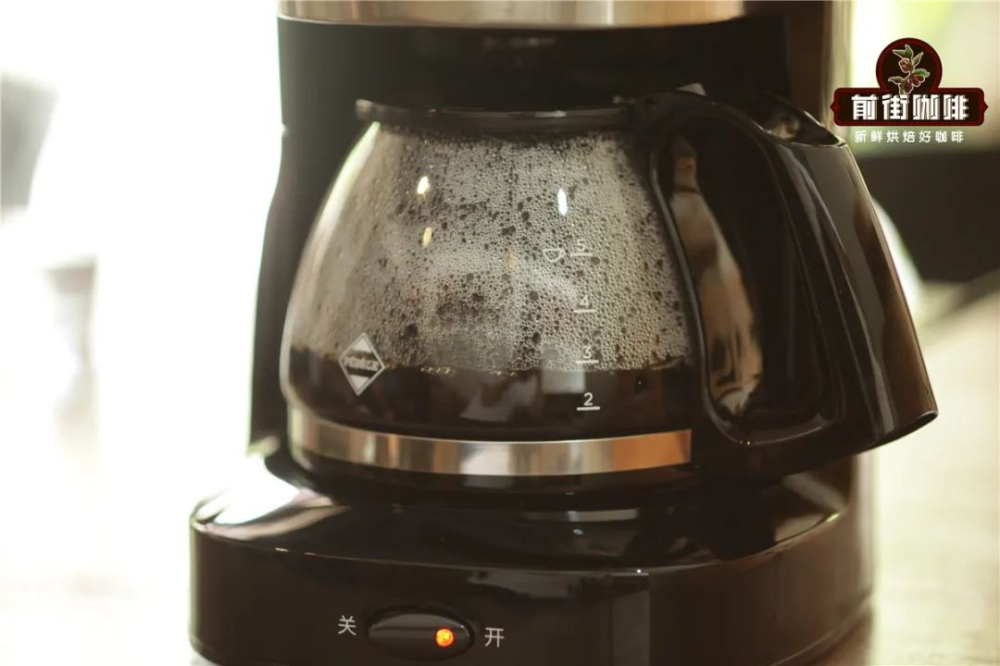
The above content is compiled by CoffeeHunters, a coffee news website.


