







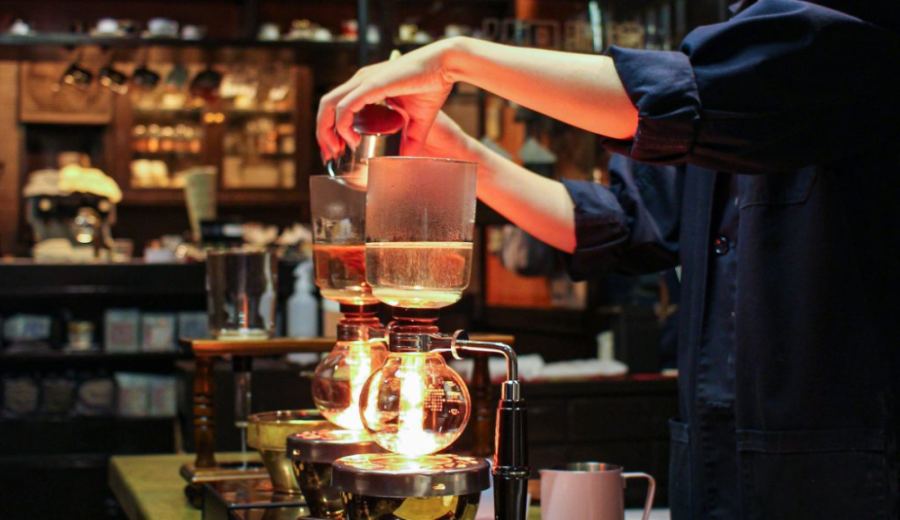
Introduction:The siphon (vacuum) pot, with its unique scientific principle and dramatic brewing process, has become a brewing device that many coffee enthusiasts love to challenge. This article delves into the structure and working principle of the siphon pot, and provides a detailed explanation of the complete brewing process—from selecting the heat source, grind size, coffee-to-water ratio, to brewing techniques—helping readers master key parameters and practical skills to brew a layered and full-bodied siphon coffee.
The siphon pot, also known as a siphon or SIPHON, is an extraction tool that combines scientific principles with coffee artistry. Its design is inspired by laboratory equipment, utilizing steam pressure and the siphon effect to extract coffee. It appeared as early as in European times and was trademarked by a French lady, Marie Fanny Amelne Massot. Its classic spherical shape remains a collectible item for many coffee aficionados to this day.
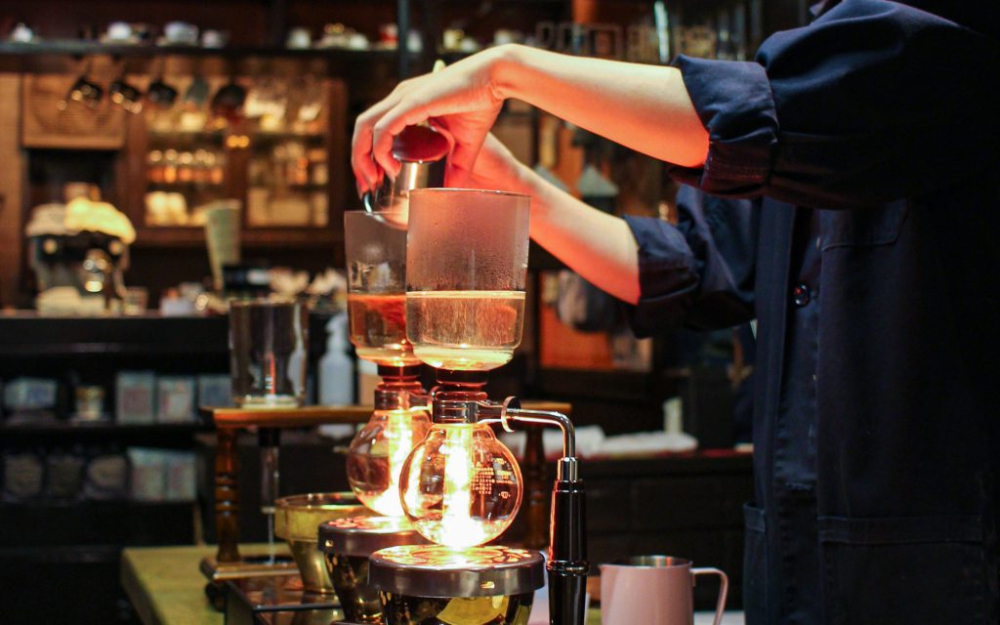
The brewing principle of the siphon pot is quite fascinating. It mainly relies on the steam pressure generated by heating the lower chamber, which increases the pressure and pushes hot water up into the upper chamber where it mixes with the coffee grounds. As the temperature decreases, a negative pressure forms in the lower chamber, causing the brewed coffee liquid to flow back down through the central narrow tube, completing the entire process. The coffee brewed using this method usually has a rounded and balanced flavor profile, making it well-suited for coffee beans with distinct flavor characteristics.

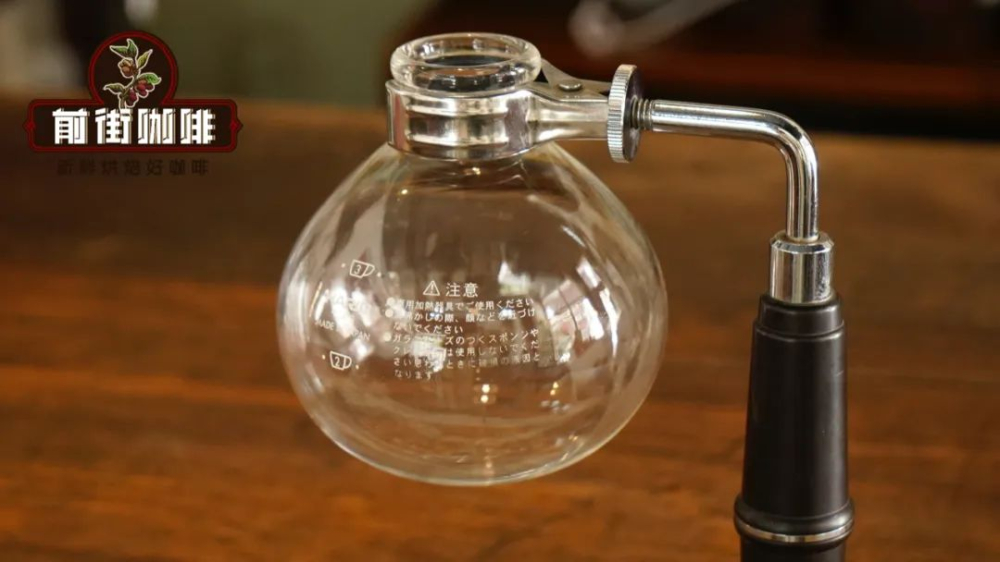
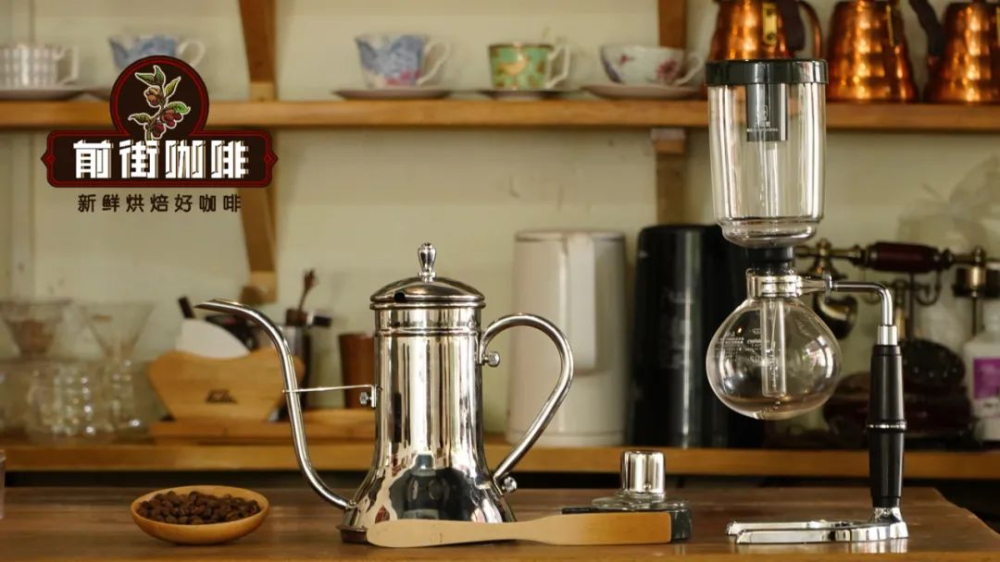
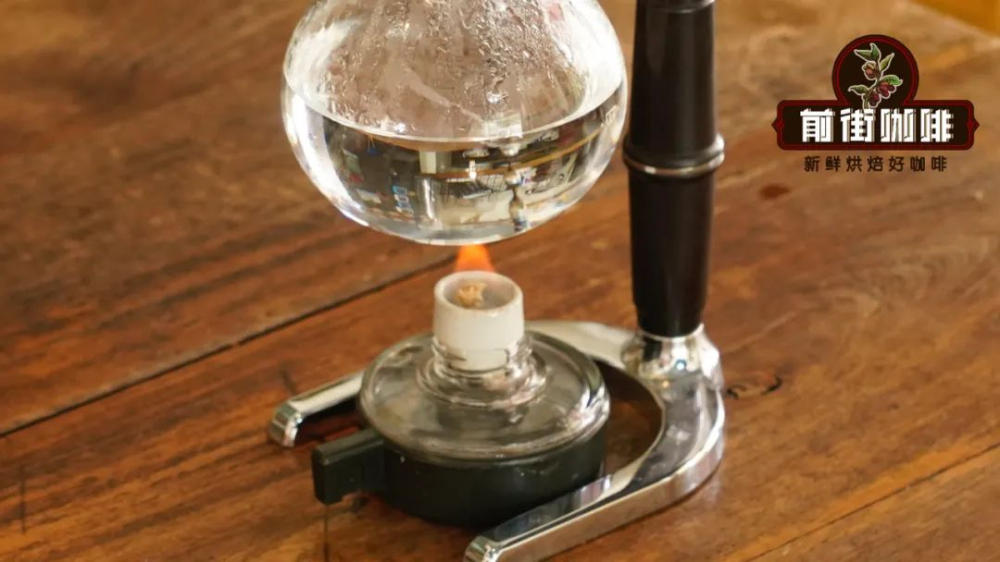
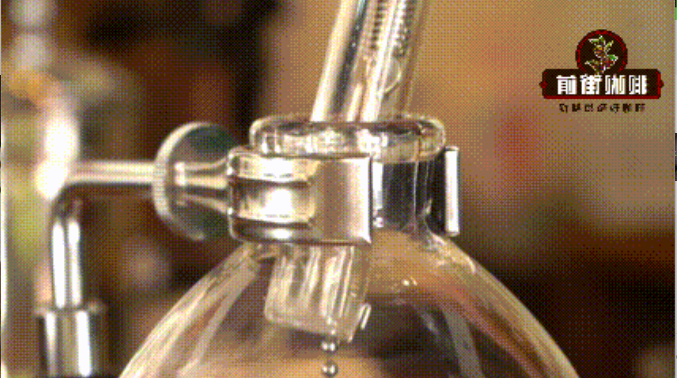
Structurally, the siphon pot is primarily composed of three main parts: the upper chamber, the lower chamber, and the stand. The lower chamber is usually designed in a spherical shape to help achieve even heating. The upper chamber is cylindrical, with a narrowed bottom connected to a gradually tapering thin tube. The tube's opening is fitted with a leak-proof rubber ring to ensure a tight seal. The stand functions to stabilize the lower chamber, keeping it suspended for easier observation and operation.
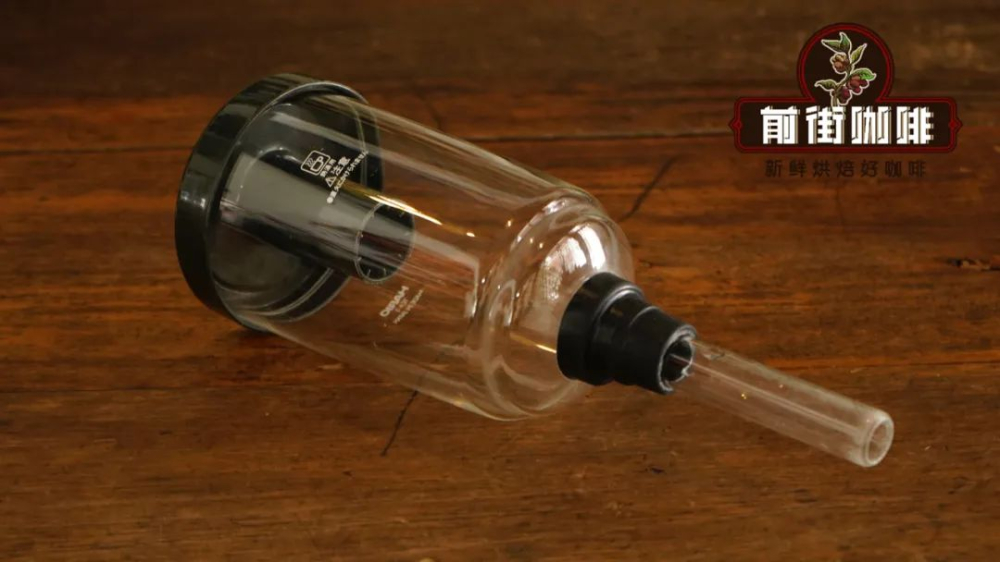
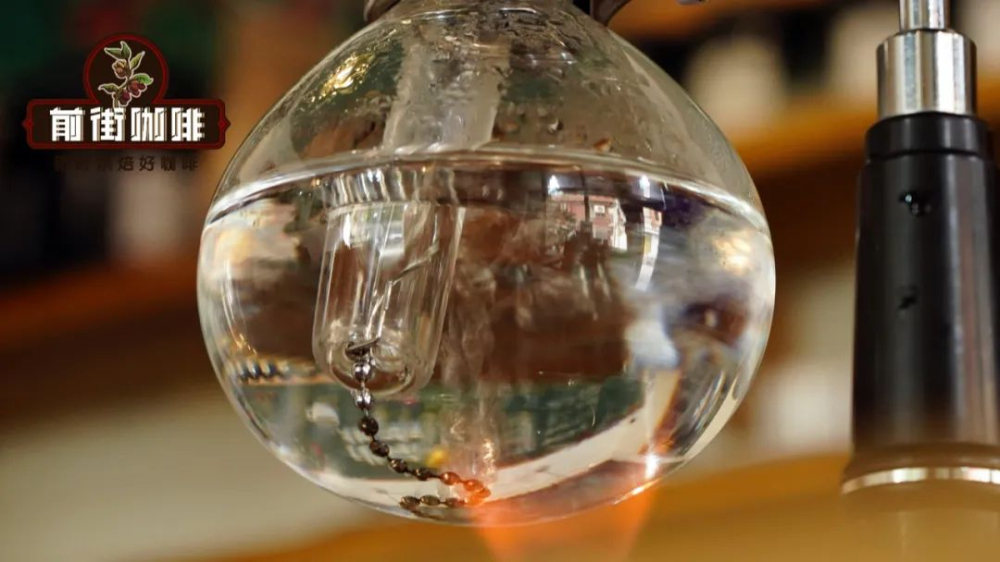
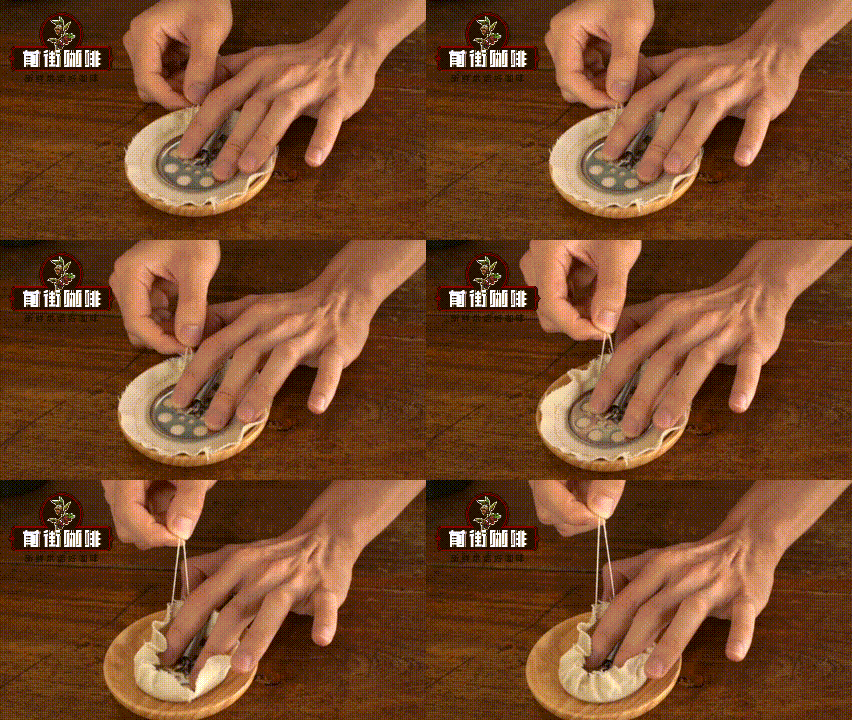
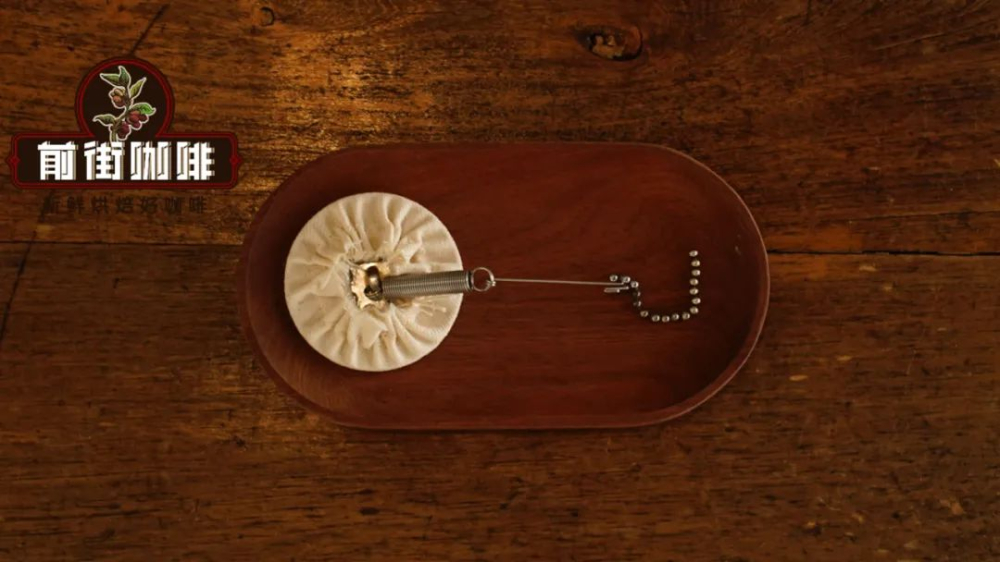
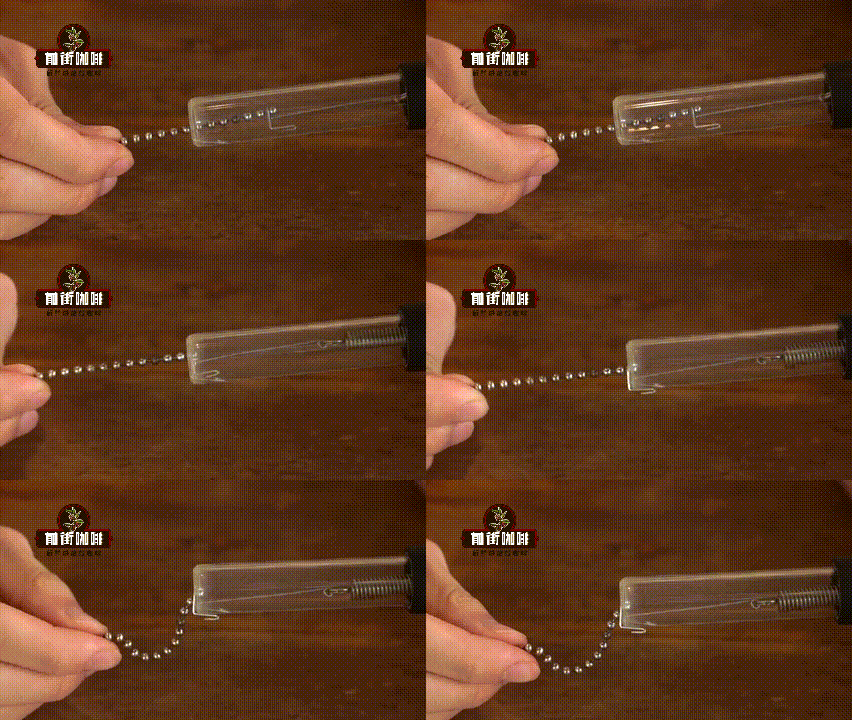
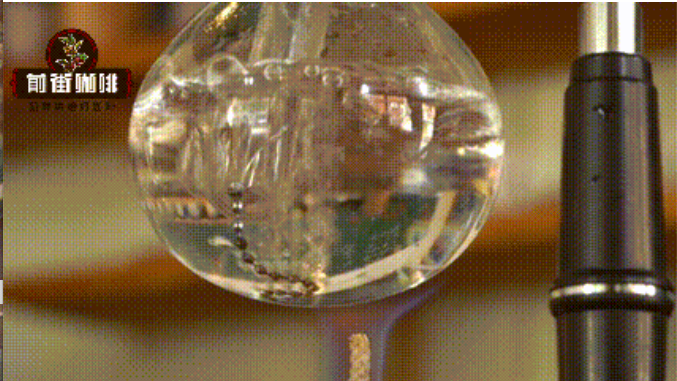
The filtering system of the siphon pot is equally crucial, consisting of a circular metal disc paired with a spring chain and a filter cloth. The most commonly used filter material is specially made flannel cloth, which needs to be pre-wound around the metal disc and tightly secured to ensure effective filtration of coffee grounds, thereby avoiding any impact on taste.
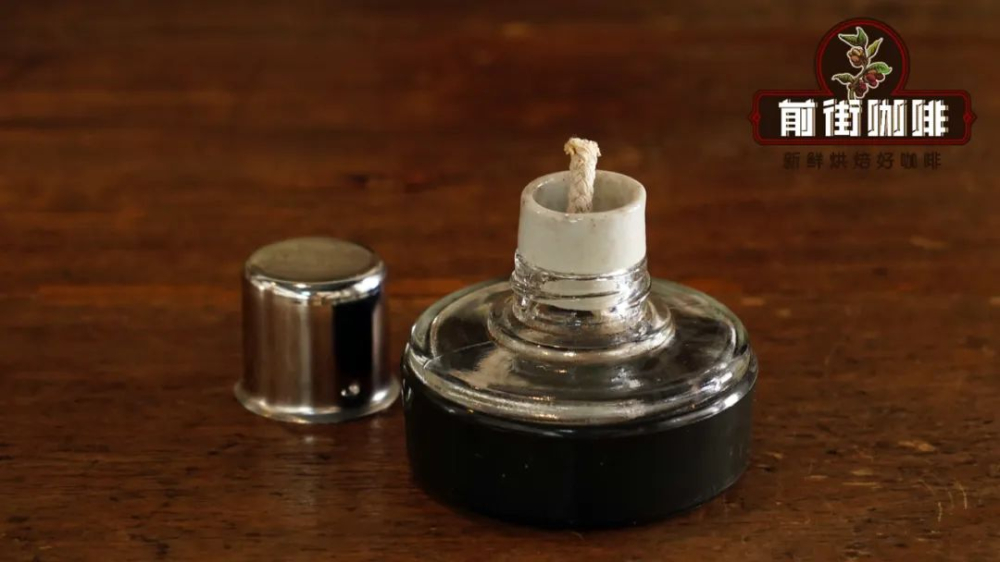
In terms of the heat source, there are no strict restrictions for the siphon pot. You can choose to use an alcohol lamp, microwave, or open-flame gas stove based on personal preference and available equipment, as long as it can provide stable heat. As for grind size, it is recommended to be slightly finer than pour over, using a 20-mesh sieve with a 90% passing rate as the benchmark—finer than the common pour over range of 80–85%, which helps with sufficient extraction.
The coffee-to-water ratio generally falls between 1:10 and 1:12, with 1:12 being the preference of most people. In practice, 1:11 is also a good choice—for example, using 20 grams of coffee grounds with 220 milliliters of water. The timing of adding the coffee grounds is a common point of discussion. Some prefer to add the coffee grounds before heating, believing it enhances the richness of the flavor; however, more people recommend waiting until the water has fully risen into the upper chamber before adding the grounds, to ensure even extraction. For beginners, the latter method is more stable.

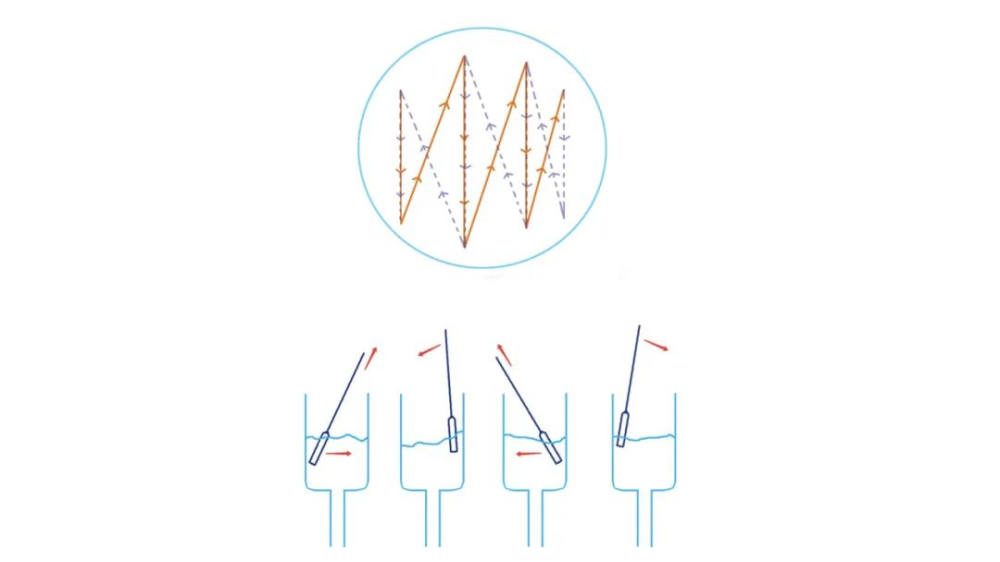
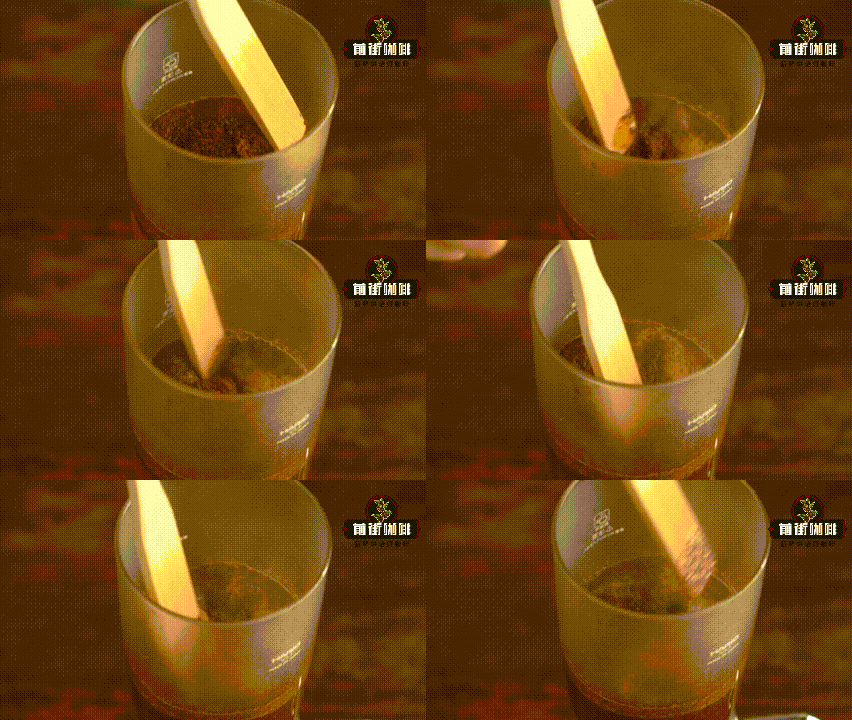
Stirring during the brewing process is also important. It is generally recommended to stir three times: when the coffee grounds are added to the water, halfway through the steeping time, and just before turning off the heat. For beginners, it is recommended to use the simple and easy-to-master tapping method—using the center of the stirring stick as the axis, lightly tap the coffee grounds layer by offsetting both ends, which helps with even mixing and extraction.
Regarding brewing time, it is advised to follow the timer. If the coffee grounds are added first, start timing from the first stir; if added later, start timing from the moment the grounds are added. The general guideline for turning off the heat is to do so between 50 to 70 seconds, which can be fine-tuned according to personal taste. After turning off the heat, you can use a dry cloth to wipe the outer wall of the lower chamber, which helps accelerate the backflow of the coffee liquid.
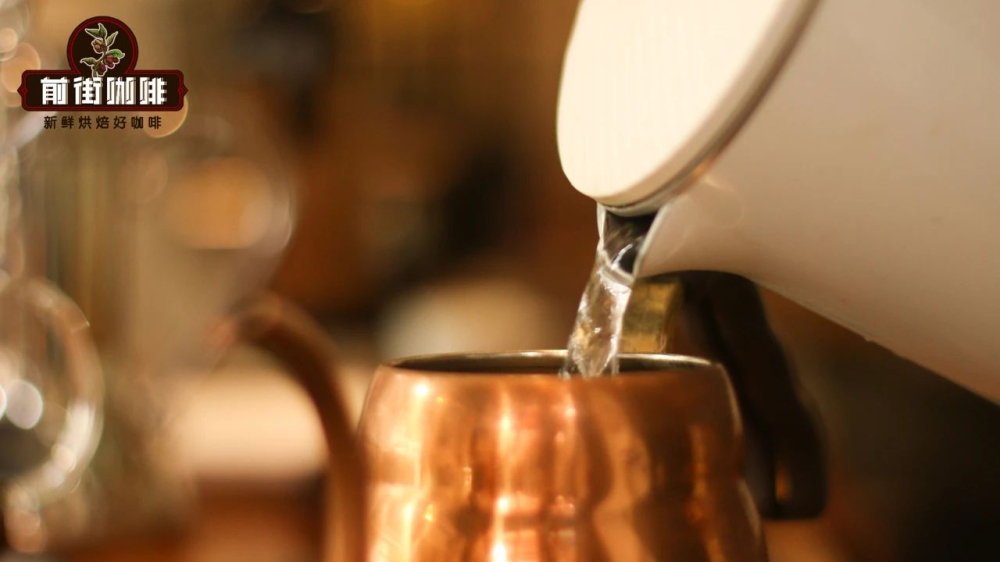
In actual operation, first install the alcohol lamp and the lower chamber, then hang the hook of the upper chamber’s filter cloth at the end of the tube. Pour in about 220 milliliters of hot water, and make sure the outer wall of the lower chamber is dry before starting to heat. When the water in the lower chamber boils and water droplets appear, insert the upper chamber diagonally and ensure the anti-explosion bead touches the bottom, then steadily position and press it down tightly, and wait for the water to fully rise into the upper chamber. Once the water has completely risen, add the coffee grounds and immediately start timing. During the first stage, use the tapping method to press the coffee grounds into the water. At 25 seconds, perform the second stir to create a clear three-layer structure in the coffee liquid. At 50 seconds, perform the final clockwise stir, then turn off the heat exactly at 60 seconds. Finally, use a dry cloth to accelerate the backflow, and you’ll have a uniquely flavored siphon coffee.

The above content is compiled by CoffeeHunters, a coffee news website.


