







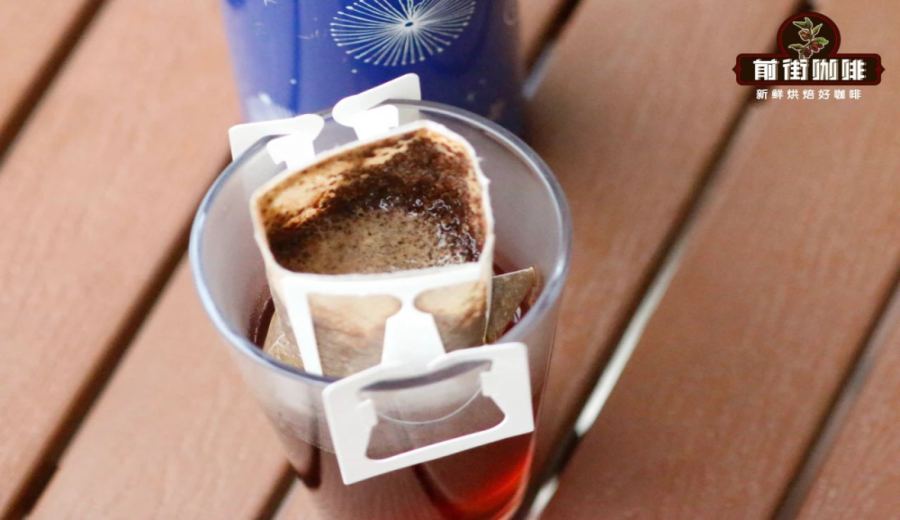
Introduction:As a convenient alternative to pour over coffee, drip bags have gained increasing popularity among coffee enthusiasts in recent years. This article provides an in-depth analysis of whether drip bags qualify as black coffee, their flavor characteristics, suitable brewing scenarios, as well as common pros and cons. It aims to help readers choose the right type of coffee based on personal taste preferences and understand how to store and brew them correctly to achieve the best flavor experience.
What Are Drip Bags? Are They Black Coffee?
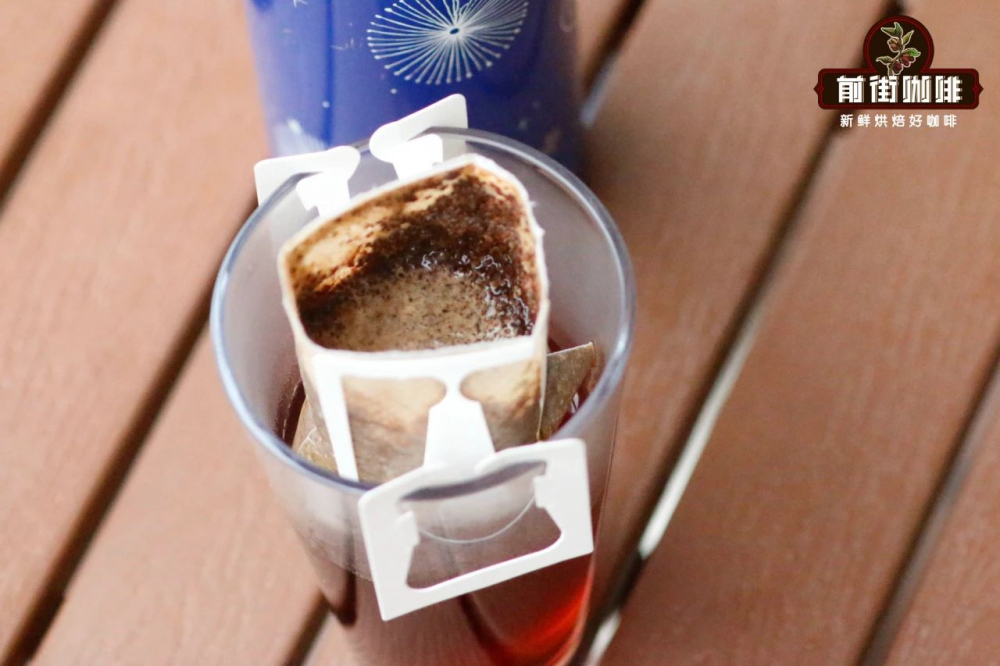
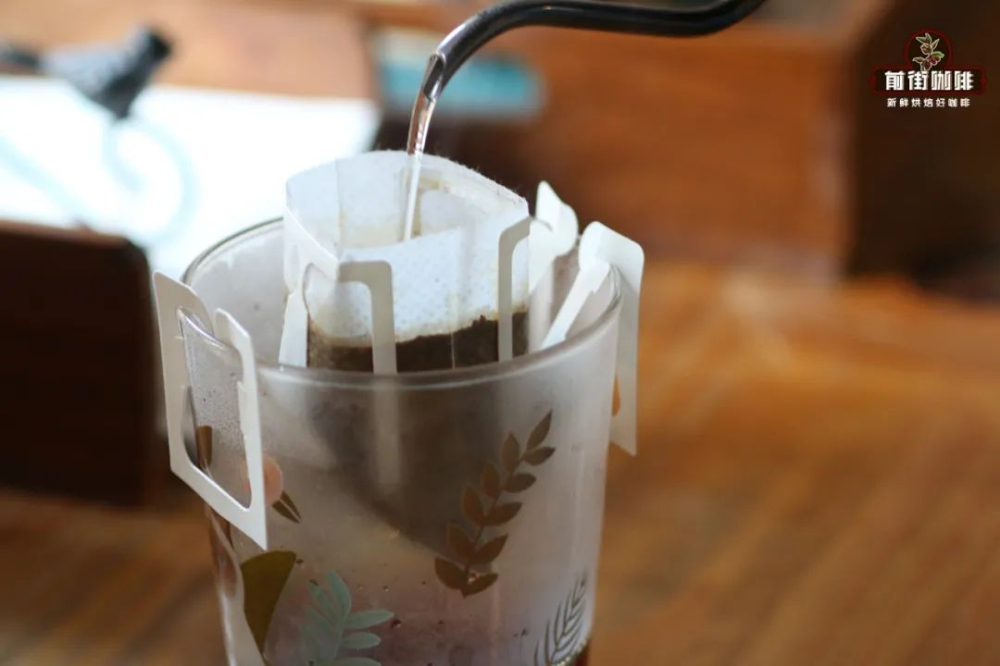
Drip bags are essentially a portable and easy-to-use form of filtered black coffee. The method involves placing freshly ground coffee powder into a non-woven filter bag, which is then suspended over the rim of a cup using the “ear” structures on both sides. Hot water is poured in to drip through and extract a pure black coffee liquid. This brewing method is similar to pour over but doesn’t require additional equipment—just hot water and a cup. Each drip bag typically contains about 10 grams of coffee powder and can brew 130–150 milliliters of coffee, making it perfect for single servings. You can also add milk according to your taste preference.
The Origins of Drip Bags: An Innovative Design from Japan
The earliest drip bags were created in 1990 in Japan by Yamasan Industries Co., Ltd. Their design was inspired by traditional hanging tea bags, aiming to replicate the experience of professional pour over dripping. These bags encased pre-ground coffee within a non-woven filter and featured two “little ears” on either side that could be hooked over the edge of a cup, suspending the coffee-filled pouch inside. This gave rise to the name “drip bags.” Starting in 2002, the design was patented in Japan and gradually commercialized, quickly gaining widespread market adoption and slowly being introduced to other Asian markets.
Advantages of Drip Bags: Convenient and Versatile
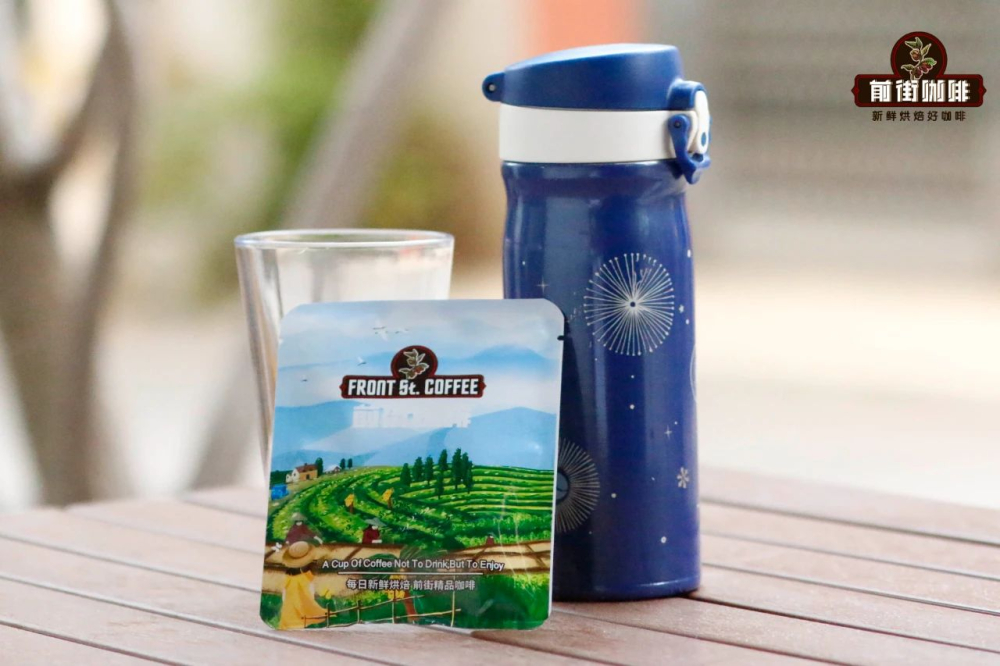
Compared to traditional pour over, the biggest advantage of drip bags lies in their ease of use. All you need is hot water and a cup to quickly enjoy a cup of flavorful coffee. Additionally, since drip bags can be made from a wide variety of coffee beans—including those from different regions, with various processing methods and roast levels—consumers can choose based on personal taste. Whether at the office, at home, or outdoors, it’s easy to achieve coffee freedom. Especially for beginners new to pour over, drip bags offer a low-barrier and user-friendly option.
Flavor and Limitations of Drip Bags
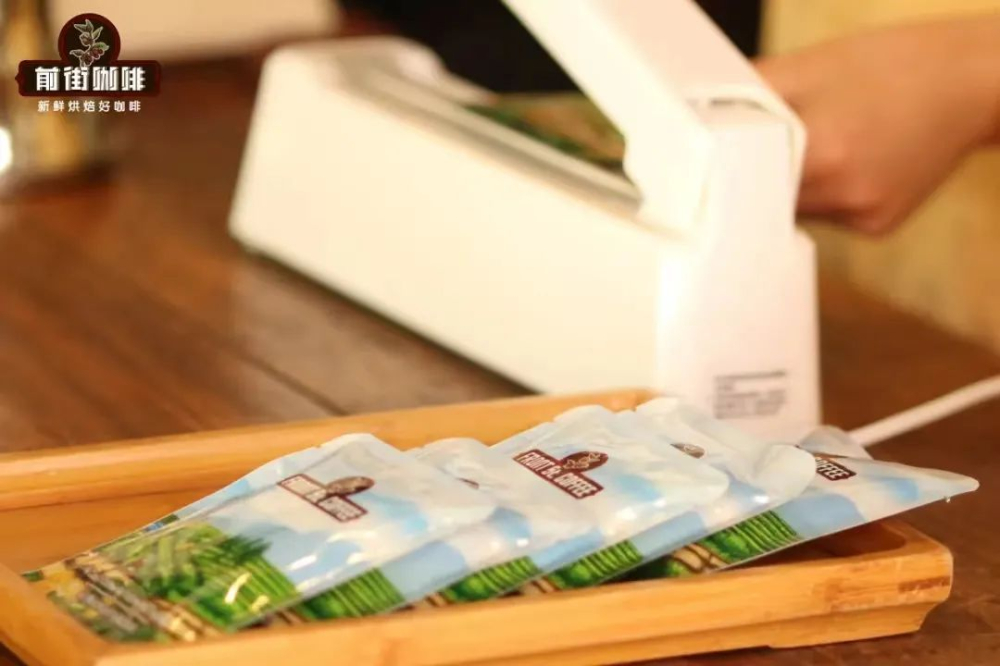
While drip bags can deliver relatively clear and layered coffee flavors, compared to professional pour over, the lack of precise control over water temperature, flow rate, and brewing time—due to greater operational flexibility—often results in a more mild overall flavor, with slightly less nuanced details. Moreover, since the coffee powder is pre-ground and sealed, its aroma will gradually diminish over time. If stored for more than three months, it may even develop a cardboard-like or woody stale taste. Therefore, it’s recommended to consume the coffee soon after purchase, ideally within a month, to enjoy the best flavor.
Recommended Common Drip Bag Flavor Profiles
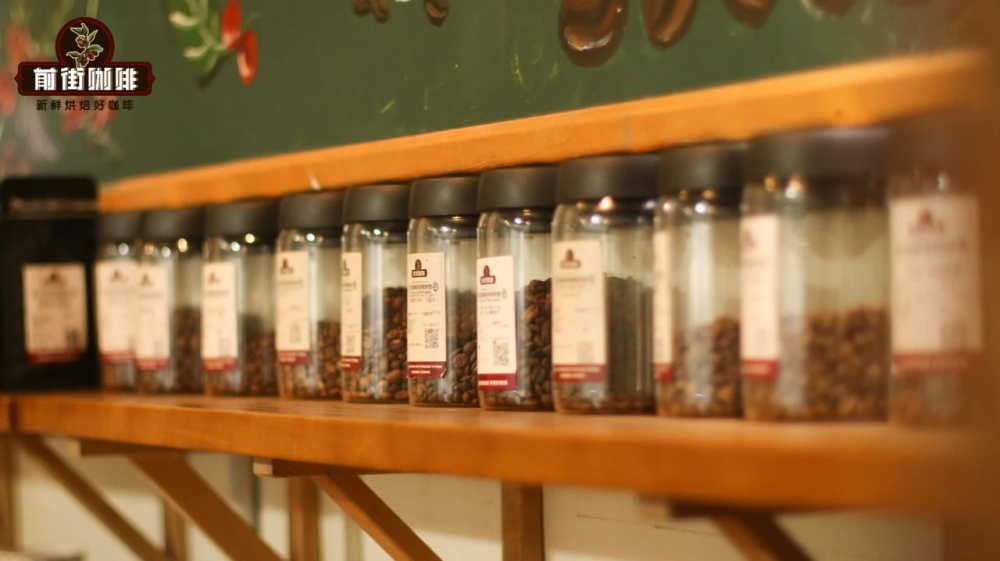
Depending on the roast level and processing method, drip bags can generally be divided into three main types for consumers to choose from:Fruity & Bright,Rich & Nutty, andBold & Winey. The fruity type is suitable for those who prefer a refreshing taste, often described with notes such as lemon, citrus, white floral, berries, or rose. The rich type is usually medium to dark roasted, offering bold flavors like chocolate, caramel, cream, and nuts, with lower acidity. The winey type often features wine-like fermentation, caramel, berry, or complex fruit aromas, with richer layers, suitable for advanced coffee drinkers to explore.
How to Properly Store and Brew Drip Bags
To fully experience the original flavor of drip bags, it’s recommended to choose those made from freshly roasted coffee beans. Generally, coffee beans are at their peak flavor within 5 days after roasting. Once packed into drip bags, they can typically be brewed starting around 4–5 days post-roasting. When brewing, it’s recommended to use hot water at 90–96°C, pour water at a consistent speed, and control the total extraction time within 2–3 minutes. In addition, to avoid aroma loss, unopened drip bags should be stored in a cool, dry place. Once opened, it’s best to consume them as soon as possible.
Precautions for Excessive Caffeine Intake
Although drip bags, as pure black coffee, contain no added calories and are suitable as a morning pick-me-up, it’s important to pay attention to caffeine intake. Overconsumption may lead to discomforts such as palpitations, insomnia, irritability, or dizziness. It is generally recommended that healthy adults limit daily caffeine intake to no more than 400 milligrams, equivalent to about 3–4 cups of regular-strength drip coffee. If you’re sensitive to caffeine, it’s advisable to drink in moderation or opt for decaffeinated products, and avoid consuming it after the evening to prevent sleep disturbances.
The above content is compiled by CoffeeHunters, a coffee news website.


