







Introduction:Yirgacheffe is often the first choice for many coffee beginners stepping into the world of specialty coffee, renowned for its bright citrus notes and distinctive white floral aroma. But with so many options on the market—different grades such as G1 and G2, and processing methods like washed and natural—how do you choose the Yirgacheffe that’s right for you? This article will guide you through the region’s background, grade definitions, roast characteristics, and recommend four popular Yirgacheffe beans: an entry-level washed G2, an advanced natural Red Cherry G1, a refined washed Guji Dingding G1, and an SOE Red Cherry ideal for espresso. It also provides practical brewing parameters for both pour over and espresso, helping you easily grasp the unique charm of this classic origin.
To many specialty coffee enthusiasts, Yirgacheffe is not just a region—it’s the starting point of their coffee flavor journey. With its pronounced white floral notes and fresh citrus profile, Yirgacheffe has inspired countless people to explore specialty coffee. For many, their first experience with pour over, drip bags, or even SOE Americano began with Yirgacheffe.
However, when standing in front of a dazzling array of coffee beans labeled with "G1," "G2," or "washed" and "natural," have you ever felt uncertain? This article will help clarify the differences between these grades and processing methods, and guide you in finding the Yirgacheffe that best suits your taste and brewing style from four representative beans.
Located in Ethiopia, Yirgacheffe is one of the birthplaces of Arabica coffee and a key hub in the global specialty coffee map. The region is home to many ancient coffee varieties, each bean holding unique potential. Compared to the heavy bitterness often brought by dark roasts, Yirgacheffe shines when roasted at medium to light levels, preserving its bright acidity and complex fruity and floral aromas. This makes it an excellent entry bean for beginners to explore fruit acidity.
Moreover, compared to the sky-high prices of Panamanian Geisha, Yirgacheffe offers relatively affordable pricing while still showcasing captivating floral and citrus notes, earning its reputation as the "value king" of specialty coffee. Whether you’re just starting out or already experienced, Yirgacheffe is definitely worth a try.
Here are four noteworthy Yirgacheffe beans, recommended for different levels of coffee enthusiasts and brewing methods:
[Entry-Level Choice] Washed Yirgacheffe G2: Ideal for beginners practicing pour over, with clear and identifiable flavors
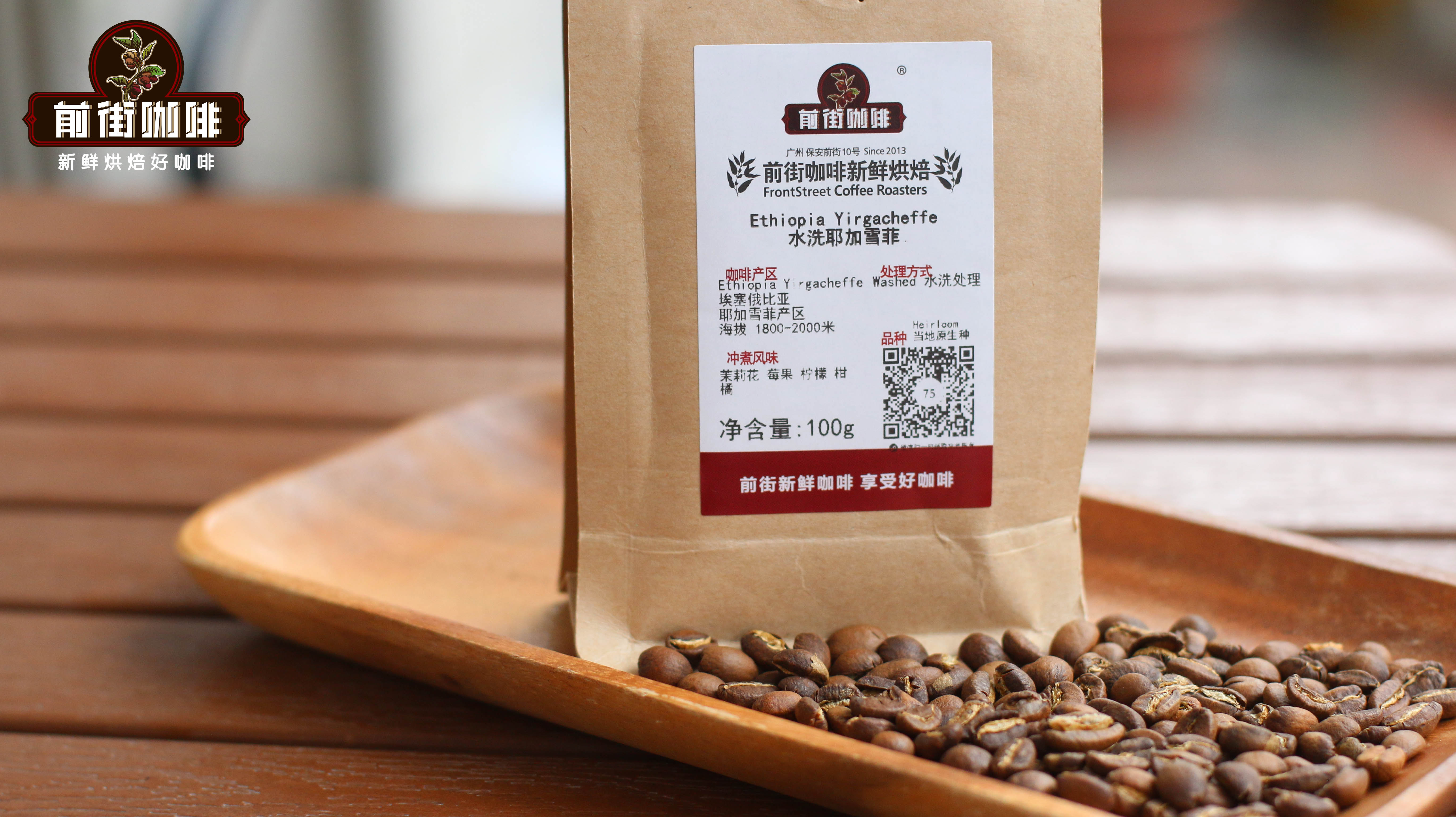
If you’re new to pour over coffee, it’s recommended to start with a bean that offers good value and distinct flavors. Washed Yirgacheffe G2 is a great option. Roasted at a medium-light level, this bean has a clear flavor profile, featuring noticeable floral notes and citrus tones, with a light tea-like finish. Easy to drink and perfect for practicing brewing techniques, it’s the enlightenment bean for many entering the world of specialty coffee.
[Advanced Recommendation 1] Natural Red Cherry G1: Rich sweetness and intense fruitiness
Coffee lovers who enjoy mature fruit flavors and a higher level of sweetness can opt for the advanced Natural Red Cherry G1. Processed using the traditional natural method, the coffee cherries are slowly dried in the sun, allowing the sugars in the pulp and mucilage to fully ferment. This brings out rich berry, citrus, floral notes, along with hints of apricot sweetness, accompanied by a mild fermentation character. The overall flavor is more rounded and full-bodied, suitable for those who prefer fruity and sweet profiles.
The key to natural processing lies in controlling the temperature and frequency of turning during the drying process to avoid over-fermentation by unwanted microbes, which can produce off-flavors. Therefore, choosing natural beans from stable regions and processing facilities ensures purer and more consistent flavors.
[Advanced Recommendation 2] Washed Guji Dingding G1: Fresh and elegant, with prominent floral notes
Compared to the rich sweetness of the natural process, Washed Guji Dingding G1 showcases the most classic fresh profile of Yirgacheffe. Through the washed process, the pulp and mucilage are removed, leaving only the clean coffee seed, resulting in a clearer and brighter flavor. After brewing, it often features white floral, citrus, yellow lemon, berry, and subtle oolong tea aromas. The acidity is bright yet not overly sharp, making it suitable for coffee drinkers who prefer delicate and balanced flavors.
The washed process involves multiple complex steps, including selection, fermentation, washing, and drying on raised beds. Each step influences the final flavor. As a result, washed beans generally have more stable quality and better highlight the unique characteristics of the origin.
[Breakthrough Choice] Natural Red Cherry SOE G1: Designed for espresso, crafting a captivating citrus Americano
If you use an espresso machine or moka pot, then the Natural Red Cherry SOE G1 is a must-try. This single-origin espresso (SOE) bean uses high-maturity natural red cherries, delivering more intense fruit aromas and a fuller body, making it especially suitable for espresso, Americano, or flat white.
Recommended extraction parameters: coffee grounds20 grams, extraction time25–30 seconds, yielding40 gramsof espresso. For a hot Americano, add160 grams of hot waterfor blending; for a hot latte, adding200 grams of hot milkis recommended to balance the citrus and creamy aromas.
The story of Yirgacheffe’s origin is equally fascinating. This land was originally a natural wetland, and "Yirgacheffe" means "let us settle on this wetland" in the local language. Although it was once part of the Sidamo region, the coffee produced here is distinguished by its unmistakable floral and citrus notes, leading to its eventual designation as an independent region—and securing its place in the specialty coffee world.
In summary, Yirgacheffe is not only a classic origin with diverse flavor profiles but also a representative specialty coffee that every enthusiast should try. Whether you prefer pour over, French press, or espresso, choosing the right grade and processing method will allow you to experience its captivating layers of flavor. We hope this buying and brewing guide helps you find your own perfect Yirgacheffe.
The above content is compiled by CoffeeHunters, a coffee news website.


