








Introduction:Yirgacheffe is a dream origin for specialty coffee lovers around the world, renowned for its bright, vibrant, and fruity flavor profile. From the ideal growing conditions of its water-rich region, to the nuances of washed and natural processing methods, to extraction parameters and brewing recommendations—this article comprehensively analyzes the sources of this classic coffee bean’s charm and delves into practical techniques for various brewing methods such as pour over and SOE, helping you truly master the essence of Yirgacheffe.
Yirgacheffe is a highly representative coffee-growing region in southern Ethiopia, celebrated for its delicate floral notes, bright citrus acidity, and honey-like finish, making it a star in the global specialty coffee market. The unique personality of Yirgacheffe coffee stems not only from its exceptional geographical and climatic conditions, but also closely relates to local processing techniques, cooperative models, as well as subsequent roasting and brewing methods.
Many beginners to coffee are often amazed by its refreshing, fruit-tea-like taste upon first trying Yirgacheffe, which completely breaks away from the traditional image of strong, bitter coffee. This “bright and uplifting” flavor profile makes it one of the top choices for pour over enthusiasts and is often used in single-origin extraction (SOE), showcasing rich layers and variations.

To understand the flavor secrets of Yirgacheffe, we must start with its history and regional background. Although “Yirgacheffe” has now become an independent and well-known coffee origin name, it was originally part of Ethiopia’s Sidamo region. It wasn’t until the 1970s, when the first professional washing station was built and modern washed processing techniques from Central and South America were introduced, that the coffee produced in this area began to display distinctive citrus, floral, and sweet characteristics, gradually standing out and forming its own uniquely styled origin.
The Gedeo zone where Yirgacheffe is located boasts exceptionally favorable geographical conditions. Situated downstream of large lakes, it benefits from abundant and clean water sources, coupled with an average altitude exceeding 1900 meters and significant day-night temperature variation—conditions that facilitate slow ripening of coffee cherries and the accumulation of richer flavor compounds. In addition,the local water supply is clean and stable, providing an indispensable foundation for washed processing.
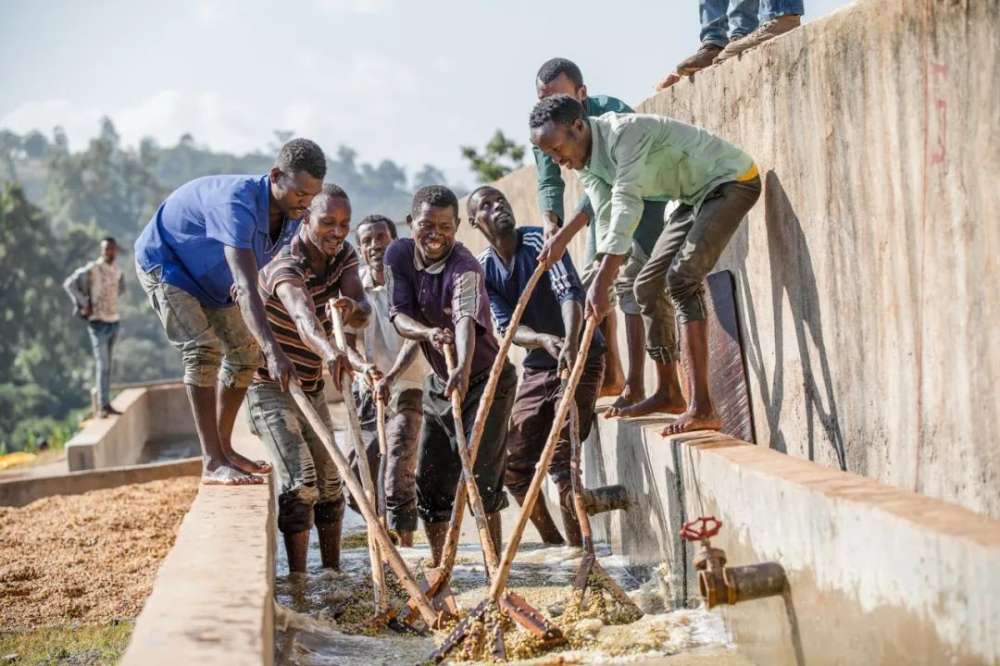
In the early days, the region mainly employed traditional natural processing methods, where coffee cherries were directly sun-dried on the ground without sorting or quality control, resulting in inconsistent coffee quality. However, with the introduction of washed processing technology, the cleanliness, clarity of acidity, and overall flavor performance of green coffee beans significantly improved. Washed processing, which involves removing the pulp and mucilage followed by a rigorous process of fermentation, washing, and drying, highlights the refined qualities of the beans themselves, giving rise to Yirgacheffe’s world-famous “bright and clean” flavor style.
When discussing the flavor characteristics of Yirgacheffe, the most frequently mentioned are itsbright citrus and lime-like acidity, paired with white floral notes such as jasmine or orange blossom, along with a honey and tea-like finish. This flavor combination makes Yirgacheffe coffee taste more like a caffeinated fruit tea—refreshing and not heavy. Under the ECX (Ethiopian Commodity Exchange) grading system, not only the town of Yirgacheffe but also surrounding regions such as Wenago, Gelena Abaya, and Kochere, which produce coffee with similar flavor profiles, can be categorized under the “Yirgacheffe flavor” classification.
Among the many Yirgacheffe coffee producers, the Konga Cooperative is a highly representative case. Comprising over two thousand smallholder farmers, the Konga Cooperative benefits from iron-rich soil and good water sources, providing an ideal environment for coffee trees. Especially notable is its own washing station—the Woter Konga Washing Station—which not only has a stable water supply but also mature washed processing techniques, including precise pulping, fermentation, washing, and drying processes, ensuring consistent and stable quality of green coffee beans.
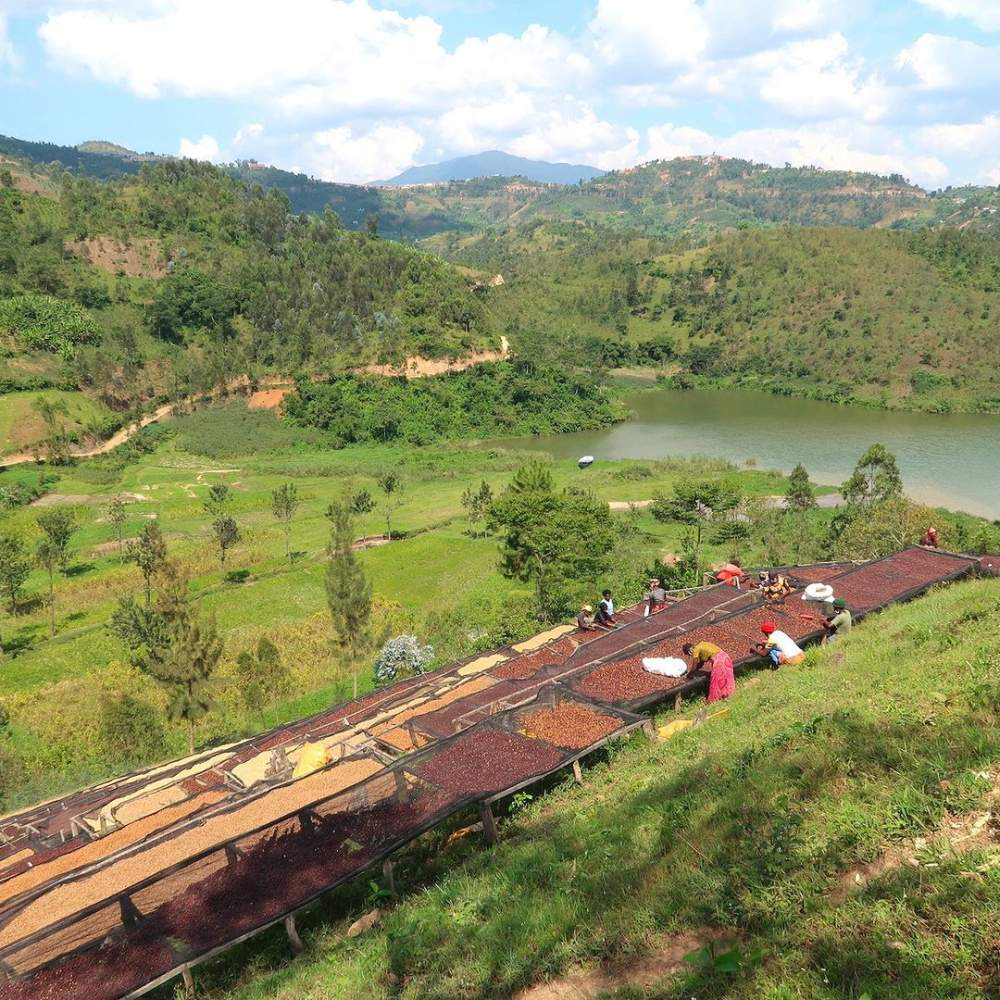
However, many coffee enthusiasts also prefer the natural processed batches from the Konga Cooperative. These coffees are typically dried on raised beds under shade for 10 to 12 days, allowing the sugars and flavors from the fruit pulp to penetrate more deeply into the beans, resulting in intense fruit aromas, rounded floral notes, and a juicier mouthfeel.This type of natural Yirgacheffe features gentler acidity and a more pronounced sweetness, making it suitable for those who enjoy bold fruit flavors and a fuller body.
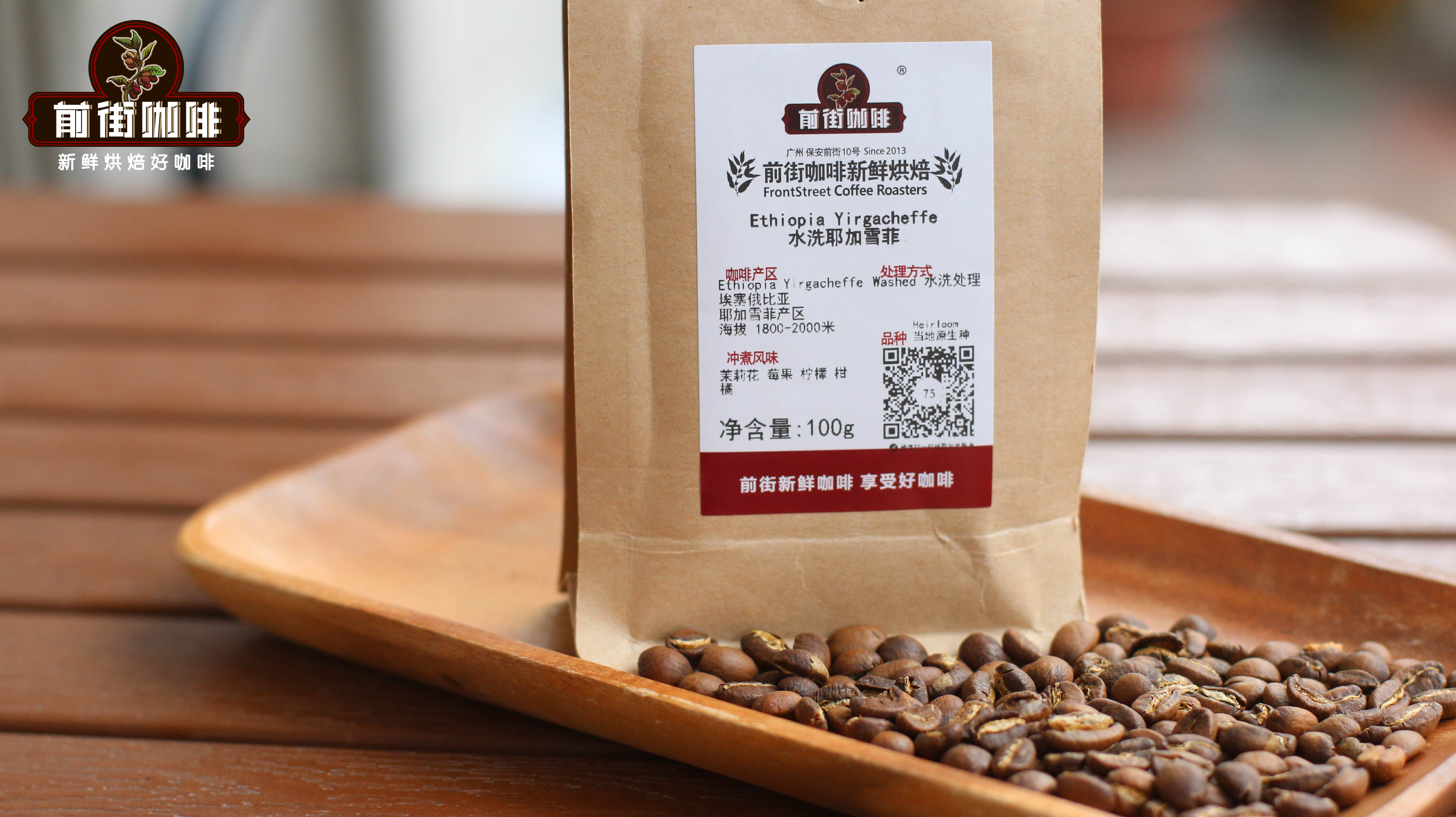
Is Yirgacheffe suitable for SOE (single-origin espresso)? The answer is yes. While many coffee enthusiasts are accustomed to using Yirgacheffe for pour over or AeroPress methods, with adjustments to roast level and extraction parameters, it can also deliver captivating performance on an espresso machine.
Generally speaking, to highlight Yirgacheffe’s floral and acidic qualities, many cafes opt for a medium-light roast, suitable for pour over or filter brewing; if the goal is to produce SOE espresso, the roast level is adjusted to medium, enabling the coffee to showcase both fruity acidity and caramelized aroma layers under pressure. In practice, it is recommended to usea brew ratio of 1:2, for example, 20 grams of coffee to 40 grams of espresso, with a time control of 30 to 35 seconds. Such parameters allow SOE beans with light to medium roasts to fully express their flavors without over-extraction, which could lead to excessive sourness or bitterness.
Taking the SOE coffee beans from the Konga Cooperative as an example, the resulting espresso has a soft mouthfeel with notes of cranberry, citrus, and subtle cookie-like aromas, making it enjoyable to drink straight. If diluted at a 1:5 ratio with water, it becomes a refreshing SOE Americano; if mixed with fresh milk at a 1:4 ratio, it can be made into a smooth, sweet-and-sour balanced SOE latte—an excellent choice for breakfast or an afternoon pick-me-up.
In summary, Yirgacheffe has become an iconic origin in the global specialty coffee scene, not only because of its unique geographical environment, but also due to the refined craftsmanship of washed and natural processing methods, the quality control enabled by the cooperative model, and the diversity of brewing possibilities. Whether you’re a beginner pour over enthusiast or an SOE aficionado seeking layered flavors, a deeper understanding of Yirgacheffe’s backstory and practical techniques will help you better appreciate this “sprite bean from the wetlands.”
The above content is compiled by CoffeeHunters, a coffee news website.


