







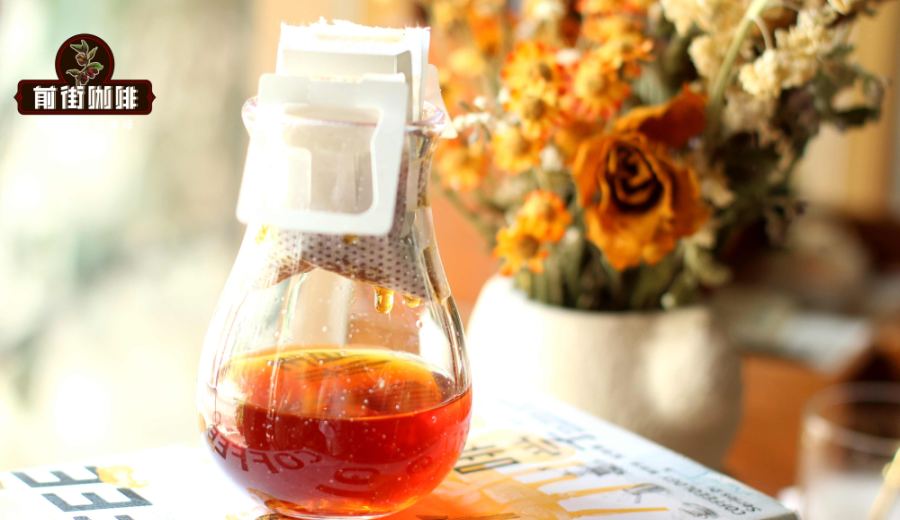
Introduction:Drip bags combine convenience with great flavor, making them a daily choice for many coffee lovers. This article delves into the fundamental differences between drip bags and instant coffee, helping you master the correct brewing techniques and key parameters. From filter bag materials and grind sizes to packaging design, we also provide a practical brand selection guide to help you level up from a beginner to an informed drip bag connoisseur.
Thanks to their convenience and flavor, drip bags have gradually become one of the go-to daily coffee options for modern people. But how do they differ from common instant coffee? How can you brew them to consistently extract the best flavors? Starting from the basic definition of drip bags, this article details their key differences and flavor characteristics compared to instant coffee. With clear illustrations, it step-by-step guides you through mastering the correct brewing methods. Additionally, for various drip bag products on the market, we’ve compiled practical selection tips regarding filter bag materials, grind levels, and packaging preservation, helping you easily choose a delicious cup of drip coffee.
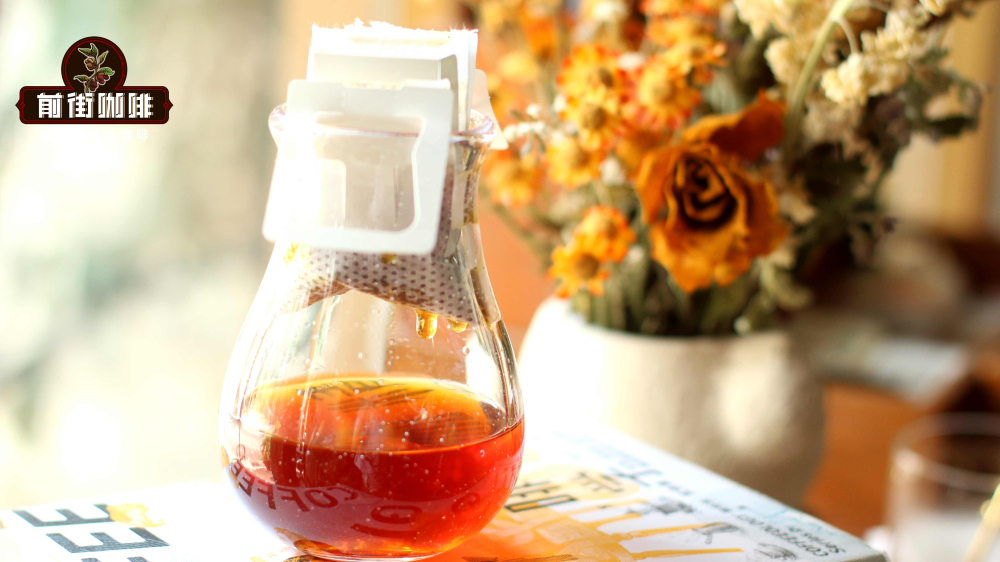
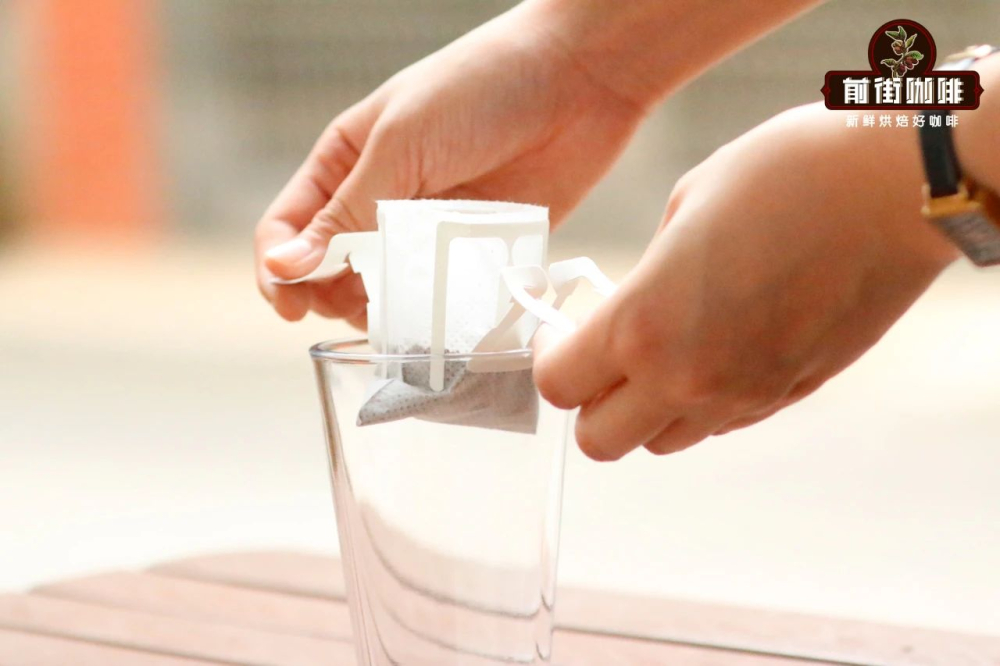
The appearance of drip bags is similar to tea bags, but the difference lies in the fact that they contain freshly ground coffee powder instead of tea leaves. Each drip bag has sturdy paper “ears” on both sides that securely hang over the rim of a cup. Before brewing, it’s recommended to warm your cup with hot water. Then, hang the drip bag over the cup’s opening and slowly pour hot water. The coffee liquid will naturally drip through the filter bag into the cup. The entire process is simple and intuitive—no special equipment is needed, making it ideal for busy individuals who don’t want to compromise on coffee quality.
The biggest difference between drip coffee and instant coffee lies in the ingredients and production process. Drip bags contain only 100% freshly ground coffee powder, with absolutely no added flavors, sugar, or other artificial ingredients. This preserves over a hundred natural active compounds in coffee, which are beneficial for antioxidant intake, liver protection, and may even potentially reduce the risk of certain chronic diseases. In contrast, instant coffee is mostly an industrially synthesized product, often made from lower-quality coffee beans. After undergoing high-temperature concentration and spray drying, much of the original aroma is lost, so additional flavors or sugars are usually added for taste. As a result, regular consumption offers limited health benefits.
High-quality drip coffee typically emphasizes fresh roasting and proper storage. For example, some conscientious brands on the market grind the coffee beans immediately after roasting and cooling, then package them in individual straight-sided filter bags. These use non-woven fabric to effectively filter out fine grounds, ensuring a clean and smooth coffee taste without bitterness. Grind size and packaging seal quality also affect flavor performance. It’s advisable to choose products with clearly marked roast dates and those that can be shipped shortly after roasting to achieve the best flavor experience. A common drip bag pack contains 10 small bags, each with about 10 grams of coffee powder—suitable for a single brew.
As for whether you need to buy a dedicated drip bag cup, most regular household cups can actually work as substitutes. An ideal brewing cup should be taller than 12 cm and have a mouth diameter smaller than 9 cm—such as a tall glass or deep mug—which helps the coffee liquid drip smoothly and avoids backflow that could affect flavor. If the cup’s mouth is too wide, the drip bag may slip due to the weight of the water during pouring, affecting overall extraction stability. Therefore, if you already have a regular cup at home that fits these dimensions, there’s no need to purchase a special drip bag cup.
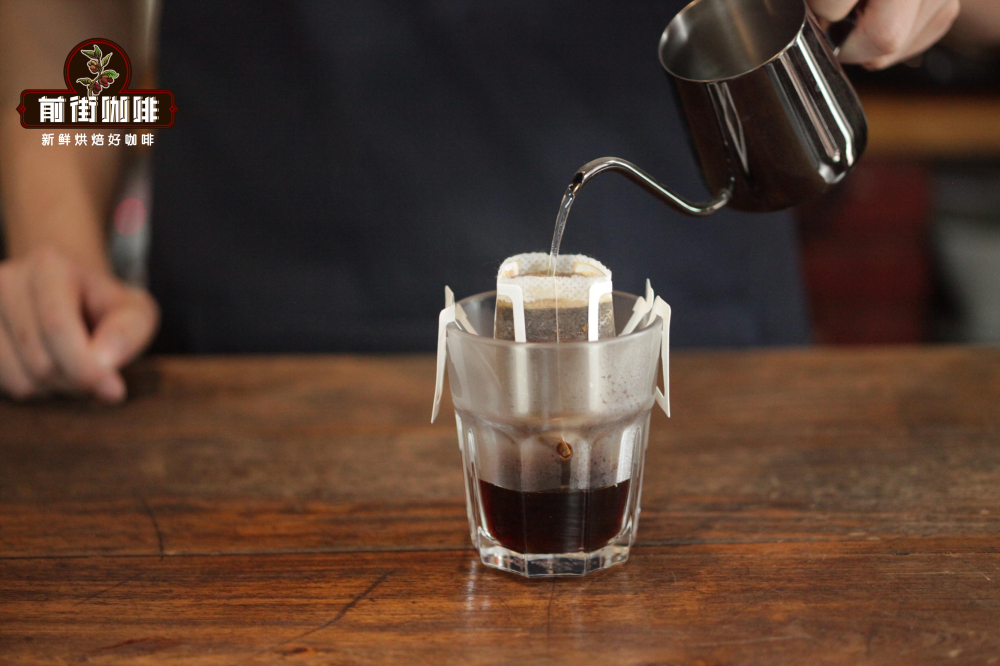
Brewing drip coffee is quite flexible. The standard coffee-to-water ratio is often 1:15—for example, 150 ml of hot water for a 10-gram coffee packet. If you prefer a stronger taste, reduce the amount of water; for a lighter flavor, increase the water slightly. Here’s a practical brewing guide: First, prepare a cup to catch the coffee and a kettle for pouring water. Next, tear open the drip bag’s seal and carefully cut along the dotted line to open the non-woven filter bag. Spread out the two side “ears” and securely hang the bag over the edge of your cup. Start by wetting the coffee powder evenly with a small amount of hot water and let it bloom for about 10–20 seconds. Then, pour water steadily in a thin stream. Pause when the liquid level nears the cup’s rim, wait for the coffee to fully drip through, and then continue pouring until full. Finally, wait for the dripping to finish, remove the drip bag, and gently shake the cup to even out the flavors before enjoying. Please note that drip coffee is meant for single use only—re-brewing not only ruins the flavor but may also leave you with a woody, unpleasant taste.
For consumers used to instant coffee, switching to drip bags isn’t difficult. As coffee culture becomes more widespread, more people are seeking higher-quality coffee experiences. Drip bags showcase the diverse flavor profiles of coffee beans themselves, allowing you to enjoy a well-rounded cup of coffee anywhere—whether at the office, on your commute, or while traveling. It’s a simple way to elevate your everyday coffee experience.
The above content is compiled by CoffeeHunters, a coffee news website.


