







Introduction:Sidamo is a renowned specialty coffee region in the highlands of southern Ethiopia, famous for its unique Huacai natural-processed beans. This article delves into the region’s geographical conditions, microclimates, representative villages such as Guji and West Arsi, explores the origins and evolution of the Huacai series, analyzes the characteristics of native varieties and differences in processing methods, and provides expert brewing recommendations and flavor profiles to help you fully grasp the charm of Sidamo from bean selection to brewing.
As the birthplace of coffee, Ethiopia boasts the world’s richest coffee genetic repository, and Sidamo stands out as one of its most representative specialty coffee regions. Located in the southern highlands of Ethiopia, this area rivals Yirgacheffe in fame but boasts a distinctly different flavor character. This article will comprehensively analyze Sidamo’s geographical environment, key sub-regions, the origins and evolution of the Huacai series, and explore how native variety traits and various processing methods influence flavor, while also offering practical pour-over advice and flavor references to help you gain a deeper understanding of this flavor treasure trove.
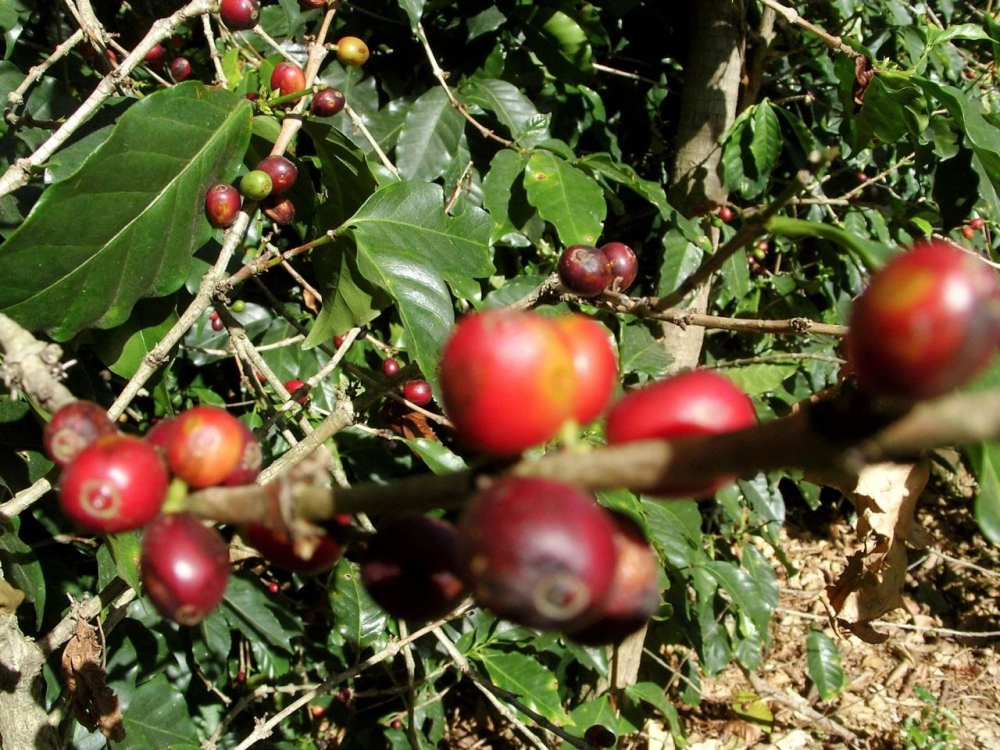
Sidamo is situated on the southern plateau of Ethiopia, bordering administrative regions such as Arsi, Bale, and Gamogofa, with elevations ranging between 1,400 and 2,000 meters, making it a typical tropical cloud forest ecosystem. The region has distinct seasons, with the main rainy season concentrated between June and August and an annual rainfall of about 1,000 to 2,000 millimeters. Coupled with the cool temperatures brought by high altitude and the long growth cycle, coffee cherries can slowly accumulate flavor compounds. Most of the coffee here is grown in home gardens, with a diverse range of varieties, among which native varieties (Heirloom) are the most common, contributing to the diversity and uniqueness of Sidamo’s flavors.
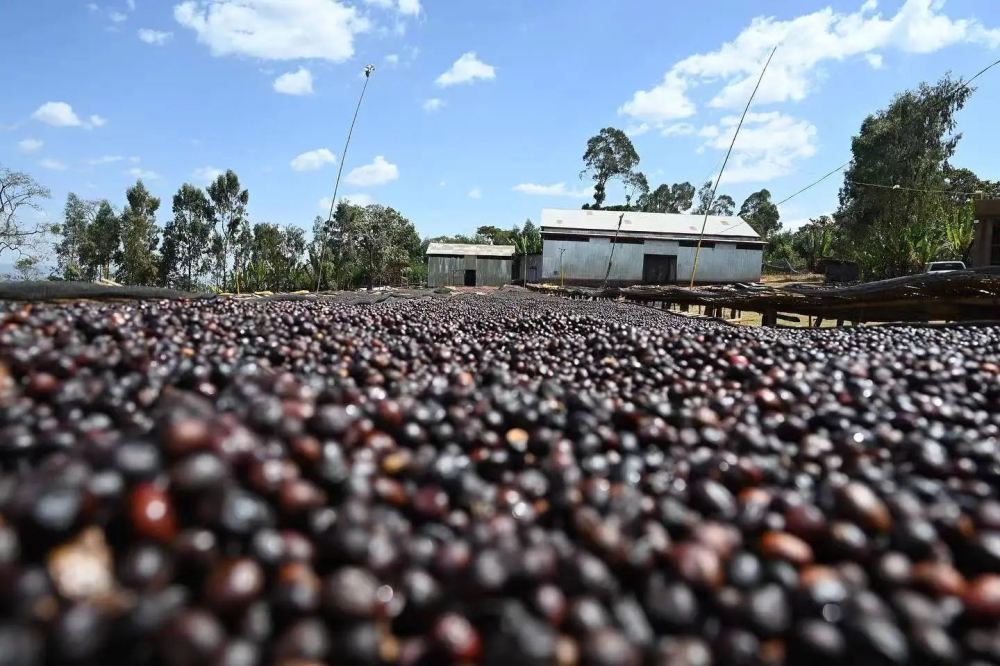
Compared to many African regions, the coffee from this area typically exhibits bright fruit acidity, a rich mouthfeel, and delicate floral and fruity notes. The appearance of green beans is often grayish with varying sizes, and the acidity can be either soft or pronounced, with a layered body and prominent sweetness often accompanied by spicy undertones. The coffee provided from this region is primarily sun-dried, fully showcasing the fruit-forward potential of the area.
Sidamo can be further divided into multiple micro-regions, among which Guji and West Arsi stand out the most. These two areas not only have high elevations and fertile soils but also feature significant day-night temperature variations, providing ideal conditions for flavor concentration in coffee. Notably, Guji, once part of Sidamo, was designated as an independent region by the Ethiopian Commodity Exchange in 2010. Its terrain is varied, including high mountains, valleys, and plains, with soils dominated by deep black clay (Vertisol), making it highly suitable for coffee cultivation.
When discussing Guji, one must mention the renowned Hambella area, the birthplace of Huacai coffee. Hambella is not only the highest-altitude sub-region within Guji but also boasts exceptionally favorable geographical conditions, with coffee-growing areas often surrounded by shade-providing crops like bananas and sugarcane, creating optimal microclimates. In 2017, a natural-processed lot from the Buku Abel washing station in the local area won the TOH (Taste of Harvest) green bean competition with its intense strawberry and cream aromas. This lot was later introduced to China, where brewing competition participant Li Jianfei used it to win second place in the China division, leading to its naming as “Huacai,” symbolizing its exceptional status.
It’s important to note that, strictly speaking, only the 2017 TOH natural-processed champion lot from the Buku Abel washing station in Hambella can be called “Huacai.” Subsequent lots introduced by Hongshun from the same region were sequentially named Huacai 2.0, 3.0, and even up to Huacai 8.0. Although they carry the Huacai name, they represent different harvests or batches of Hambella coffee. These beans also come from the Buku Abel washing station, maintaining core characteristics such as high altitude, natural processing, and intense fruity aromas, making them a popular daily choice for many coffee enthusiasts.
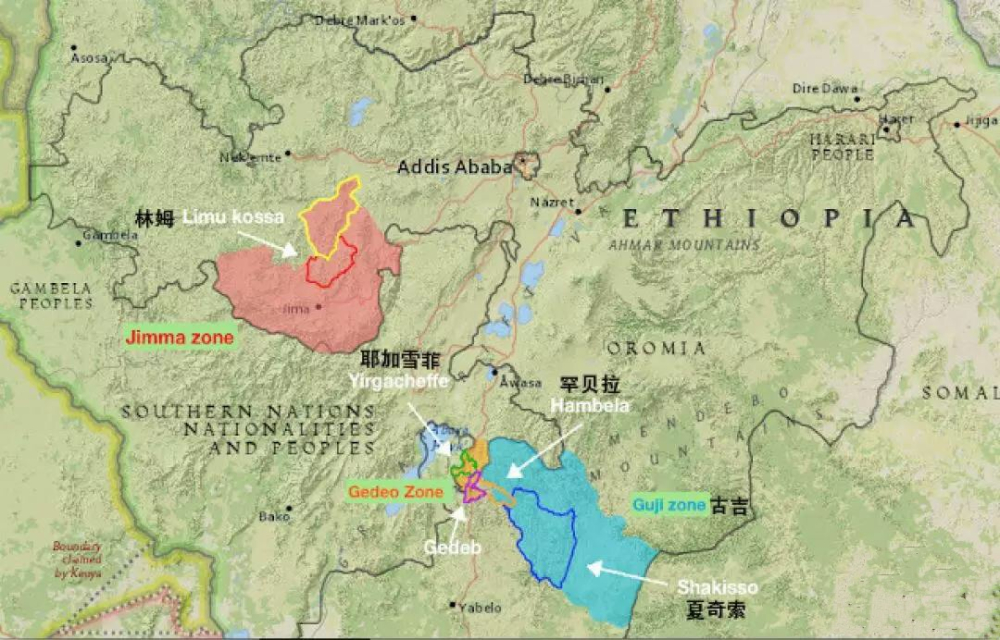
Another noteworthy sub-region is West Arsi, located geographically between Yirgacheffe and Harerghe, at elevations of about 1,900 to 2,200 meters. The area is predominantly inhabited by the Oromo people, who are considered among the earliest groups to discover and utilize coffee, having a profound influence on Ethiopian coffee culture. West Arsi is primarily characterized by smallholder farming, with each farm covering only 2 to 3 hectares—though slightly larger compared to other parts of Ethiopia. Additionally, most coffee farmers rely on family labor, enabling effective quality control, and processing stations offer incentives for ripe red cherries, further enhancing overall quality.
The coffee varieties used in Huacai are generally the common Ethiopian “native varieties” (Heirloom). These are not a single variety but a mix of multiple varieties from different farmers and plots, unclassified, with each batch potentially containing dozens or even hundreds of varieties. As a result, the beans vary significantly in size, shape, and color, resembling a mixed bag. This diversity is also one of the reasons why Ethiopian coffee offers such rich and unpredictable flavors.
In terms of processing methods, Sidamo primarily employs washed and natural (sun-dried) processes. The washed method, through pulp removal and fermentation, highlights the coffee’s clean acidity and floral notes, while the natural method allows coffee cherries to dry directly in the sun, preserving more fruit sugars and imparting richer fruitiness and sweetness. Typically, washed Sidamo exhibits citrus, green tea, or light cocoa tones with a refreshing mouthfeel, while natural-processed coffee offers aromas of berries, honey, or even milk tea, with more pronounced sweetness and occasionally earthy or fermented notes that add complexity.
For lightly roasted Sidamo coffee, it is recommended to use a V60 dripper for pour-over, with water temperature controlled at around 90°C. The suggested coffee-to-water ratio is 1:15, using about 15 grams of coffee ground to a fineness where 80% passes through a 20-mesh sieve in China. Begin brewing by pouring double the coffee’s weight in water (about 30 grams) for a 30-second bloom to release CO₂, aiding even extraction. Then, pour in a slow circular motion until reaching 125 grams for the first pour, followed by pouring up to 225 grams before stopping, with a total brew time of about 2 minutes. Enjoy the coffee once dripping from the dripper is complete.
In actual tasting, sun-dried Sidamo Arsi coffee often presents pronounced berry and honey aromas, with a rich jam-like sweetness on the palate, and a juicy nectarine-like finish. Upon cooling, it reveals even more plum and nectarine juice notes. Meanwhile, Huacai 8.0 showcases intense floral and fruity notes, with layers of citrus, passion fruit, strawberry, and oolong tea aromas, outstanding sweetness, bright acidity, and relatively noticeable fermentation character, resulting in a more expressive and layered flavor profile.
In summary, Sidamo is not only an important representative of Ethiopia’s specialty coffee but also, with its diverse micro-regions, abundant native variety resources, and varied processing techniques, delivers unparalleled flavor expression. Whether you’re a beginner coffee enthusiast or a seasoned connoisseur seeking a daily brew, gaining a deeper understanding of Sidamo’s terroir and processing characteristics will enable you to select and brew your perfect cup of coffee more precisely.
The above content is compiled by CoffeeHunters, a coffee news website.


