








Introduction:Civet coffee is renowned for its unique production process and hailed as one of the finest among specialty coffees. This article delves into the origins, flavor characteristics, and practical differences between civet coffee from Indonesia and Yunnan, explores the truth behind fermentation in the civet’s digestive system, and provides expert roasting and pour over parameters to help coffee enthusiasts gain a more comprehensive understanding of this special bean variety.
In the world of specialty coffee, Indonesian civet coffee has long been regarded as a top-tier delicacy, even earning the nickname “the Hermès of the coffee world.” As early as 2002, the price of a pound of Indonesian civet coffee beans on the New York market had soared to $500, with its rarity being the main reason for the high price. This coffee boasts a strong herbal aroma, a rich mouthfeel, and a surprising hint of sweetness, making its flavor highly distinctive.
However, as the fame of civet coffee spread, countries such as Vietnam and Myanmar also began to produce imitation versions, but these are generally considered to be far inferior in both flavor and quality compared to the original Indonesian product. So, what exactly is the allure of Indonesian civet coffee? And how does it differ from the recently emerging Yunnan civet coffee? Below, we will take you through a comprehensive understanding, covering its historical background, processing methods, flavor features, as well as practical roasting and brewing recommendations.

The origin of Indonesian civet coffee can be traced back to the early 18th century when Dutch colonists introduced coffee trees to the islands of Sumatra and Java to develop trade, yet strictly prohibited local residents from consuming the coffee fruits. Unexpectedly, the local civet cats, unique to the region, developed a particular fondness for ripe red coffee cherries. They often stole and ate the cherries but could not digest the hard beans inside, eventually excreting the partially digested beans. Local farmers accidentally discovered that these beans, “processed” through the civet’s intestines, possessed an unparalleled richness and sweetness, thus giving birth to the legend of civet coffee.
The Dutch later recognized the potential of this “special coffee” and exported it to European markets, where its price once surpassed that of Jamaican Blue Mountain, making it one of the most expensive coffees in the world at the time. It is important to note that true civet coffee refers only to beans excreted by wild civet cats in Indonesia; those produced in other regions or by other animals do not qualify.Image: Illustration of the relationship between civet cats and coffee cherries

In terms of flavor, Indonesian civet coffee is often compared to the locally famous Mandheling. Since most civet coffee actually contains a mix of Robusta beans, its flavor profile not only features a distinct herbal aroma but also earthy and woody notes. Additionally, Indonesia’s traditional wet-hulled processing method further enhances its rich mouthfeel and unique fermentation layers. Civet cats are naturally selective, choosing only the most ripe and sugar-rich coffee cherries to eat. This “natural selection” process is also one of the reasons why its flavor stands out.
However, many cupping experts point out that although the story is compelling, according to the SCAA scoring system, the overall performance of civet coffee does not always surpass that of regular specialty beans, and some samples even score slightly lower. Moreover, for consumers unaccustomed to the strong earthy and herbal notes of Indonesian coffee, this may not be their first choice. On the other hand, if you enjoy the unique richness and complexity of aged Mandheling, you might find some intrigue here.Image: Illustration of the coffee processing flow
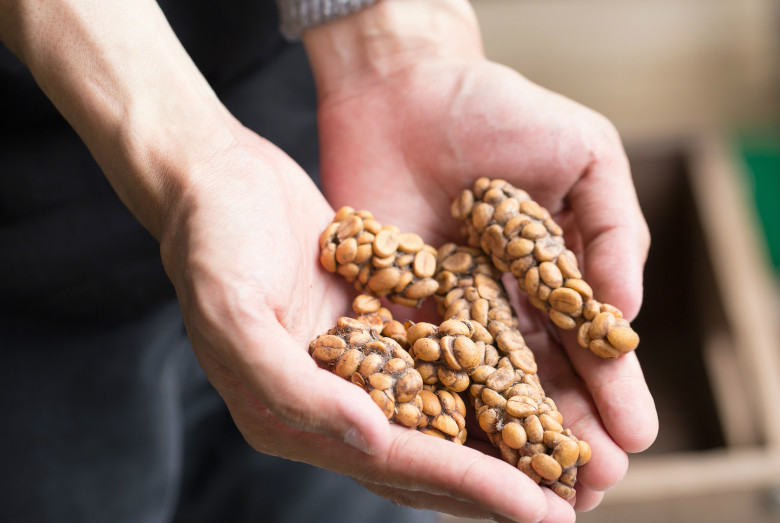
Regarding the fermentation process inside the civet’s body, it is often marketed as a selling point. Some argue that the proteins in the coffee beans are broken down into smaller molecules under the action of the civet’s stomach acid and digestive enzymes, thereby altering the flavor structure. However, in reality, according to most research and industry observations, the coffee beans typically remain in the civet’s body for only one to two hours—far too short to trigger significant biochemical reactions. In other words, the so-called “in-body fermentation” may have been overly mythologized, and the real factors influencing flavor are still the subsequent wet-hulling process and the inherent characteristics of the bean variety itself.Image: Illustration of the civet’s digestion process 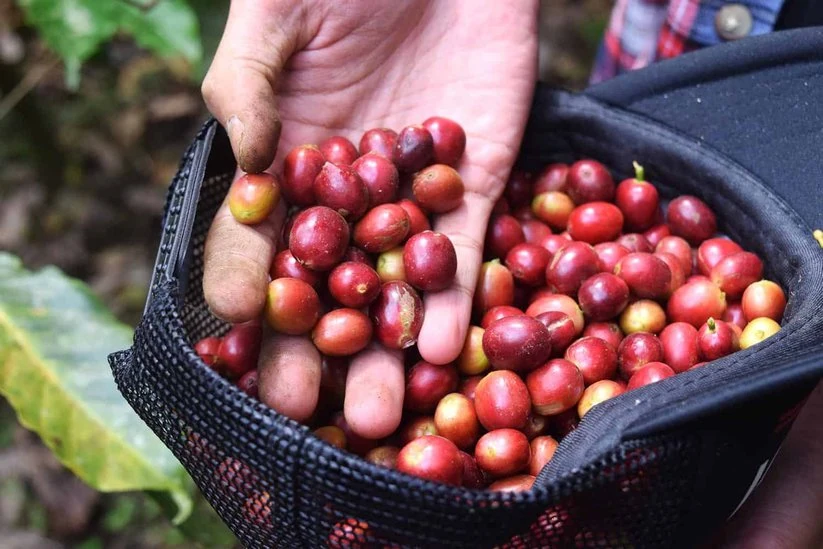
In summary, the civet’s primary contribution lies in selecting ripe coffee cherries, not in fermentation. Therefore, if you hear someone emphasizing “fermentation flavors” as the main selling point, it’s wise to maintain a rational judgment. For most consumers, the charm of civet coffee lies more in its unique backstory and novel experience rather than any absolute advantage in quality.
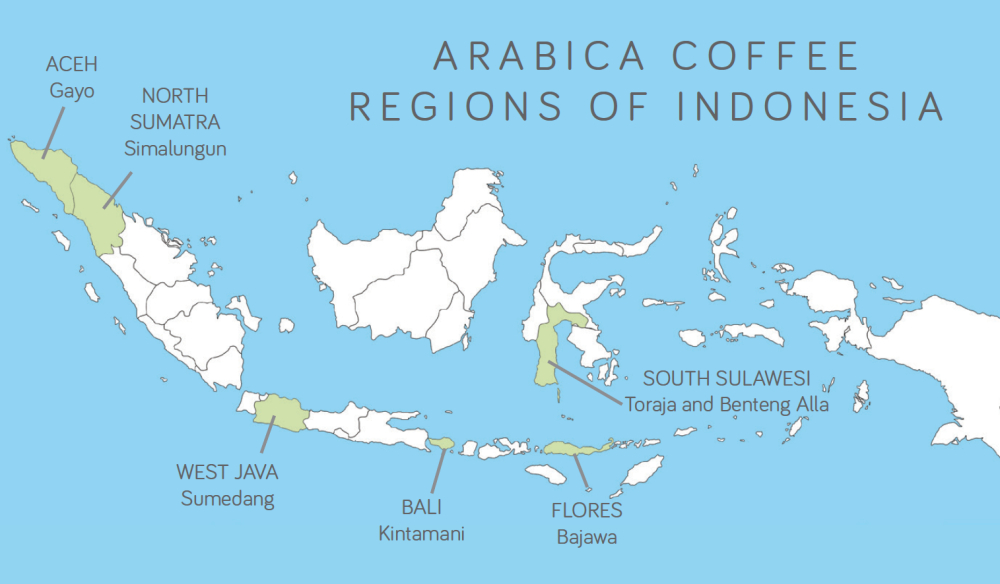
Next, let’s see how a cup of Indonesian civet coffee is actually roasted and brewed by professional shops. Taking the Sumatra region of Indonesia as an example, this bean is grown at an altitude of approximately 1600 to 2100 meters, belongs to the Arabica variety but often contains Robusta, and is processed using the controversial civet in-body fermentation method. Its flavor profile commonly includes herbal, nutty, dark chocolate, and subtle fermented notes, with an overall presentation that is rich and smooth.
Roasting Recommendation:Use a Yangjia 800N roaster. Preheat the drum temperature to 200°C, set the initial charge temperature to 160°C, with the fan at level 3 and heat at 130. The turning point occurs around 1 minute and 28 seconds. Maintain the heat until 5 minutes and 40 seconds when yellowing signs appear, entering the drying phase. Increase the heat to 140 and adjust the fan to level 4. Once surface wrinkles appear and the aroma shifts to coffee-like, reduce the heat to 100 and open the fan to level 5, closely monitoring the first crack. The first crack begins around 9 minutes and 15 seconds. Fully open the fan, continue development for 4 minutes and 25 seconds, and drop the beans at 203°C.
Pour Over Recommendation:Use a KONO filter. Control water temperature at 86–87°C, with a brew ratio of 1:15. Grind size should be medium-coarse (75% passing through a Chinese No. 20 sieve). Operationally, start with a 30-second bloom using 30 grams of water, then pour in small circles to reach 125 grams for the first pour. When the water level drops and is about to expose the coffee bed, continue pouring to 225 grams and stop. Wait for the water level to drop again before removing the filter. Total brew time is approximately 2 minutes. Image: Illustration of the pour over process 
After brewing, this coffee displays a prominent herbal base, complemented by layers of nuts and dark chocolate, with a slight fermented aroma in the aftertaste. The overall mouthfeel is rich and smooth, making it highly suitable for coffee lovers who enjoy bold flavors. If you want to experience a unique coffee story, Indonesian civet coffee is worth a try; but if you prefer bright, fresh, or distinctly fruity acidity, other specialty beans from different regions may be more suitable.
The above content is compiled by CoffeeHunters, a coffee news website.


