








Introduction:If you want to easily brew coffee with an espresso-like flavor at home, the moka pot is the go-to tool for many coffee enthusiasts. This article will provide a detailed explanation of how the moka pot works, its structure, the differences between single and double-valve models, analyze its pros and cons, and explore whether it can produce coffee crema. Additionally, practical steps and precautions are provided to help you better understand this classic and practical coffee tool.
As coffee culture becomes more widespread, more people are trying to brew their own coffee at home. Aside from pour over, if you want to experience the rich and crema-covered flavor of espresso-style coffee, the moka pot (Moka Pot) becomes a popular choice. This classic Italian coffee tool, invented by Alfonso Bialetti in 1933, remains a staple in many home kitchens to this day.

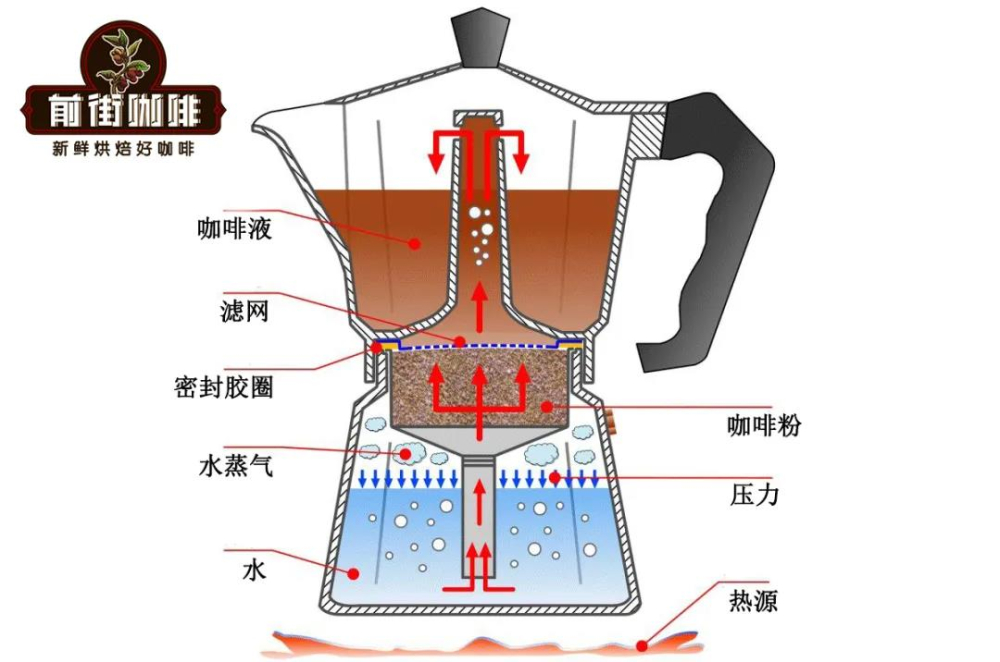
The moka pot works by heating water in the lower chamber, using the resulting steam pressure (about 1.5 to 3.0 atmospheres) to push the hot water up through the middle layer of ground coffee, ultimately extracting a strong coffee liquid in the upper chamber. Although it is not a true espresso machine, the coffee it brews is similar in concentration and flavor to espresso, making it an economical solution for making espresso-style coffee at home.
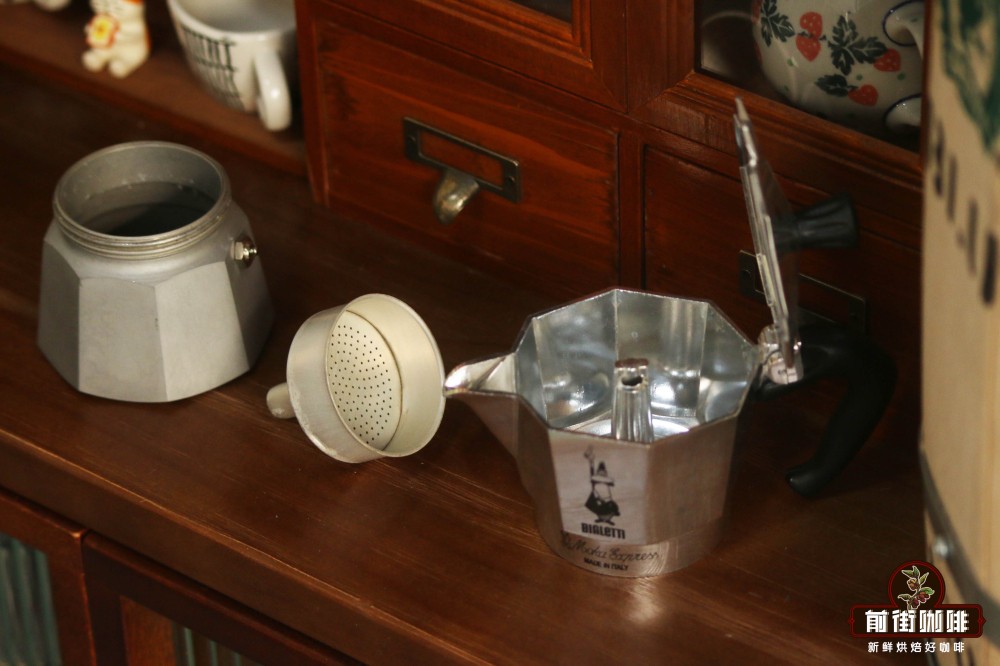
The moka pot mainly consists of three parts: the lower chamber holds the water, the coffee chamber holds finely ground coffee, and the upper chamber collects the extracted coffee. The overall structure is relatively simple but cleverly designed, using pressure principles to complete extraction. Early moka pots were mostly made of aluminum, could only be heated over an open flame, and were not acid-resistant, which could affect the coffee flavor. Today, moka pots on the market widely use stainless steel and heat-resistant glass materials, and are compatible with induction cooktops, making them more convenient, safe, and aesthetically pleasing to use.
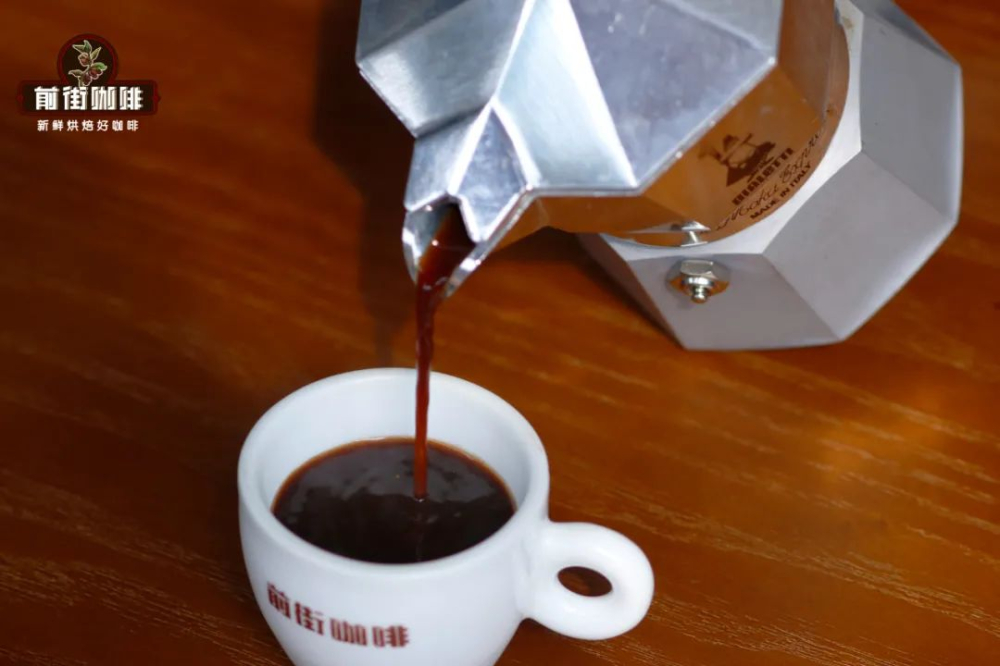
Depending on the valve design, moka pots can be divided into single-valve and double-valve types. In a single-valve moka pot, the coffee liquid flows out naturally through a small hole at the top of the hollow tube, while a double-valve model has an additional pressure valve on the hollow tube, which only opens when the steam pressure reaches a certain level, creating higher extraction pressure. As a result, it can extract more crema and deliver a richer flavor. However, neither single nor double-valve moka pots can fully replicate the high-pressure extraction effect of professional espresso machines.
The advantages of the moka pot include its simple operation, portability, and durability, making it suitable for coffee lovers who enjoy traveling or camping. With just a little time and basic tools—including a moka pot, a heat source (gas stove or induction cooker), and finely ground coffee—you can quickly enjoy a strong cup of coffee. Moreover, moka pots are relatively affordable, making them an excellent choice for those new to the world of coffee.
However, the moka pot also has its limitations. Since the pressure is not as high as that of professional coffee machines, the coffee it brews is slightly inferior in terms of detail and flavor clarity, especially in terms of acidity and aroma complexity, making it difficult to match the standards of specialty coffee shops. As a result, moka pots are less commonly seen in the high-end coffee market. Nonetheless, for daily home use or for those seeking a strong flavor, the moka pot remains a cost-effective option.

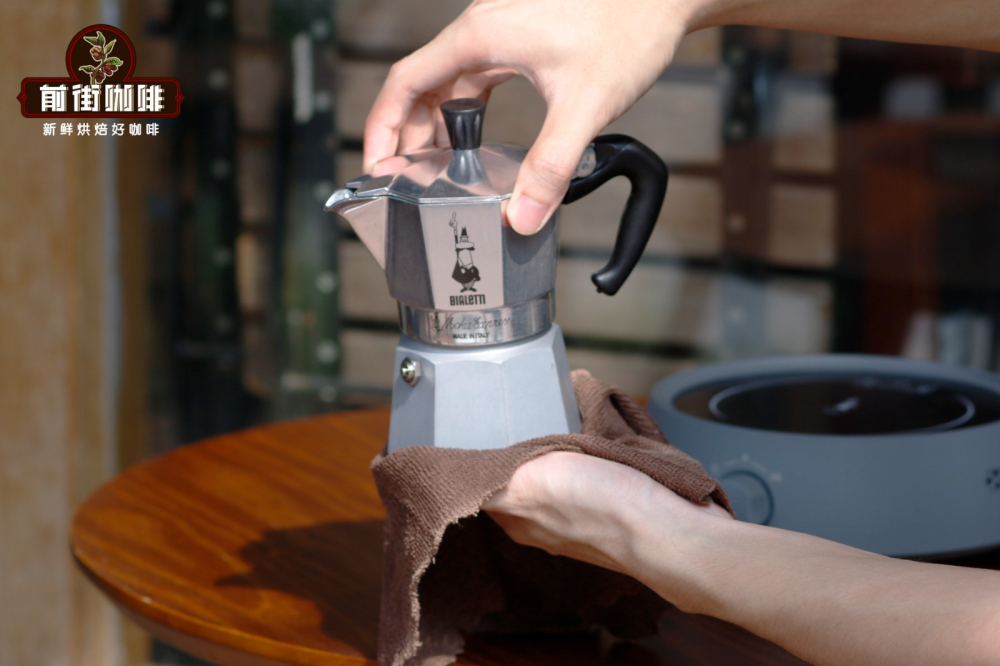
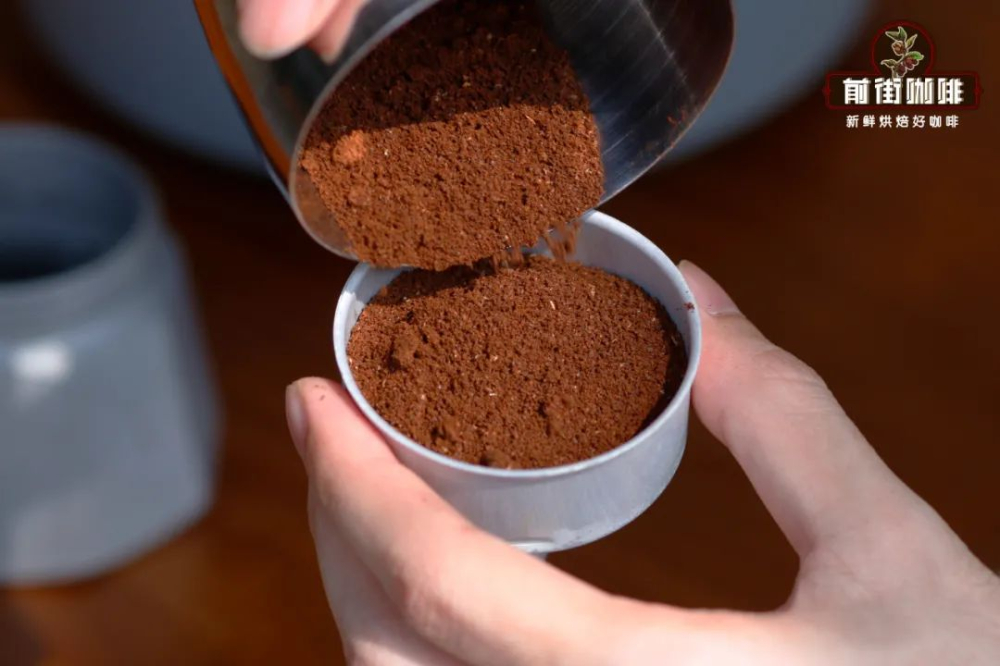
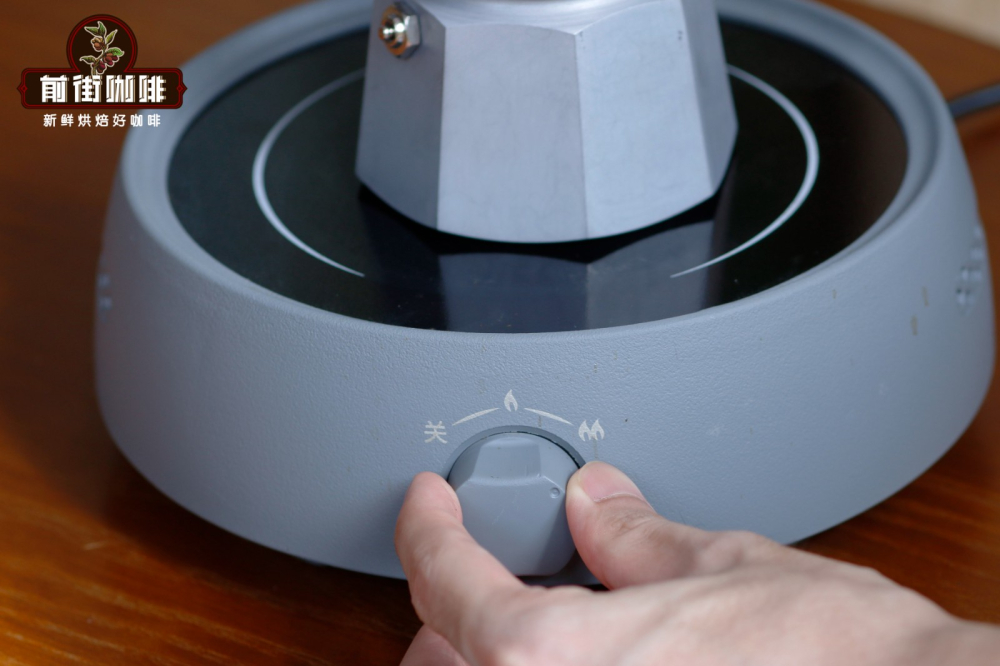
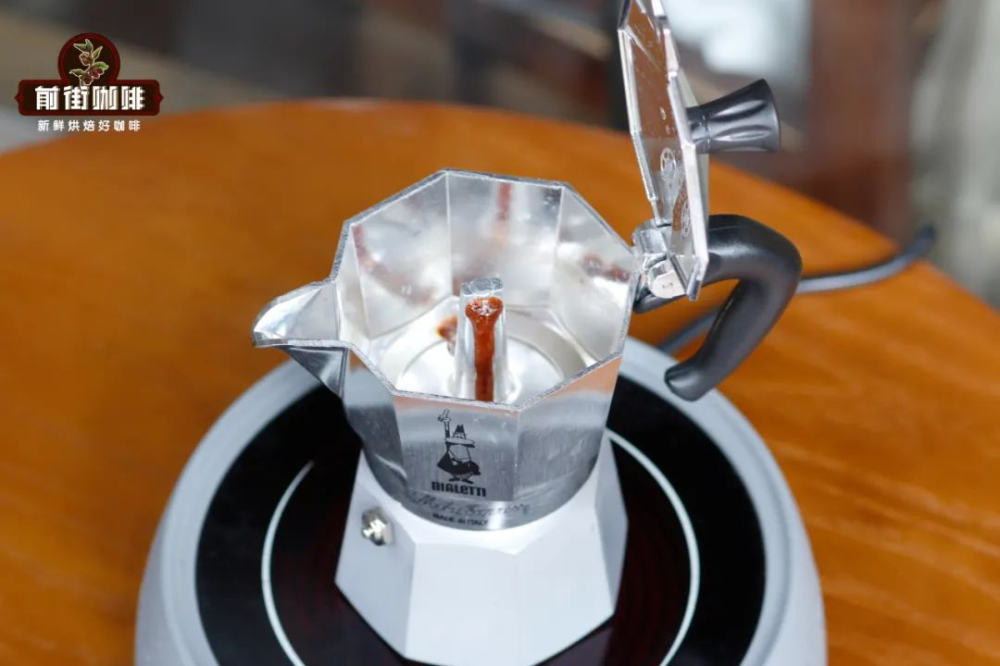
To successfully brew coffee with crema using a moka pot, the key lies in using finely ground coffee, proper coffee packing density, and mastering the heat. It is recommended to fill the coffee chamber to about nine-tenths full, gently tap it to level the grounds, then securely tighten the upper and lower chambers. When heating, it is suggested to start with medium heat to quickly raise the water temperature, then switch to low heat once you hear a hissing sound, which helps control pressure and extraction speed to avoid over-extraction. When the sound turns into a subtle bubbling noise, you can turn off the heat—by this point, the upper chamber usually contains coffee rich in aroma and crema.
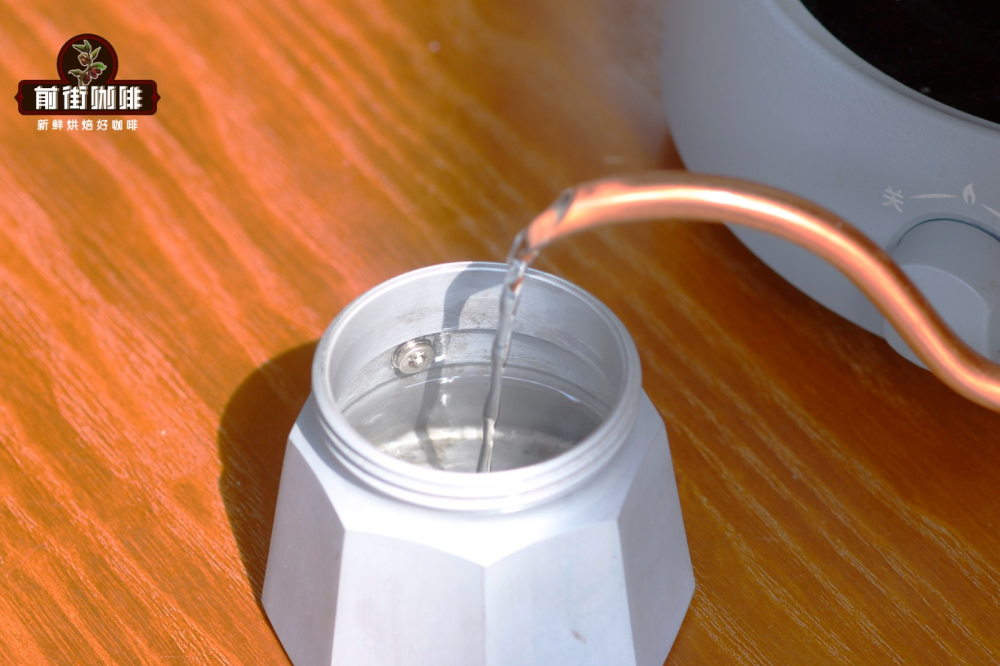
It’s important to note that the coffee produced by a moka pot is inherently strong and is well-suited to be paired with milk or used to make Americano. If you want to make a latte, it’s recommended to heat the milk to 60–65°C and mix it thoroughly with the coffee. For iced coffee, you can also add ice cubes and sweetened condensed milk to create a flavor similar to Vietnamese iced coffee. Additionally, for a new moka pot, it’s advised to brew two rounds of hot water first to remove any residual industrial oils or impurities, ensuring the flavor is pure for subsequent use.
In summary, the moka pot is a coffee tool that combines classic style with practicality. Although it cannot fully replicate the espresso effect of professional coffee machines, it can still provide a similarly intense experience in a home setting. By understanding its principles, mastering the correct usage method, and adjusting grind size and heat according to personal taste, you too can brew satisfying espresso-style coffee with a moka pot.


The above content is compiled by CoffeeHunters, a coffee news website.


