







Introduction:Espresso is the soul of Italian coffee and the foundation of many classic coffee beverages. But do you know why it’s so intense? And what’s the fundamental difference between it and regular black coffee? This article will take you deep into the origins, flavor characteristics, proper tasting methods, and professional extraction parameters of espresso, helping you go from a beginner to someone who truly appreciates this “coffee art.”
Walk into a café, and you’ll often see a small, dark cup of coffee topped with a layer of golden, fine foam—this is espresso. Many people, upon their first try, are amazed by its strong roasted aroma and bold taste, and some might even find it “too intense.” But in fact, this small black cup is the base for classic drinks like lattes and cappuccinos. Understanding it is like holding the key to unlocking Italian coffee.
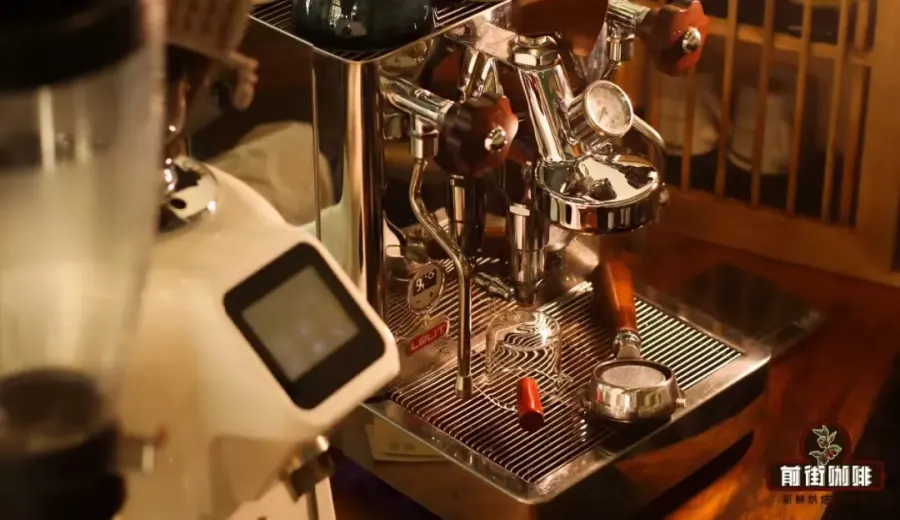
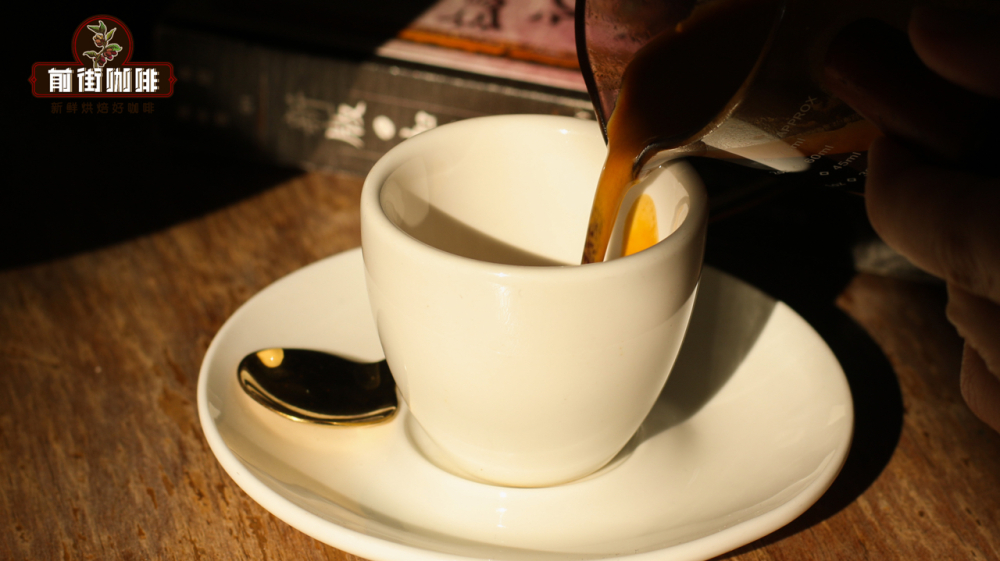
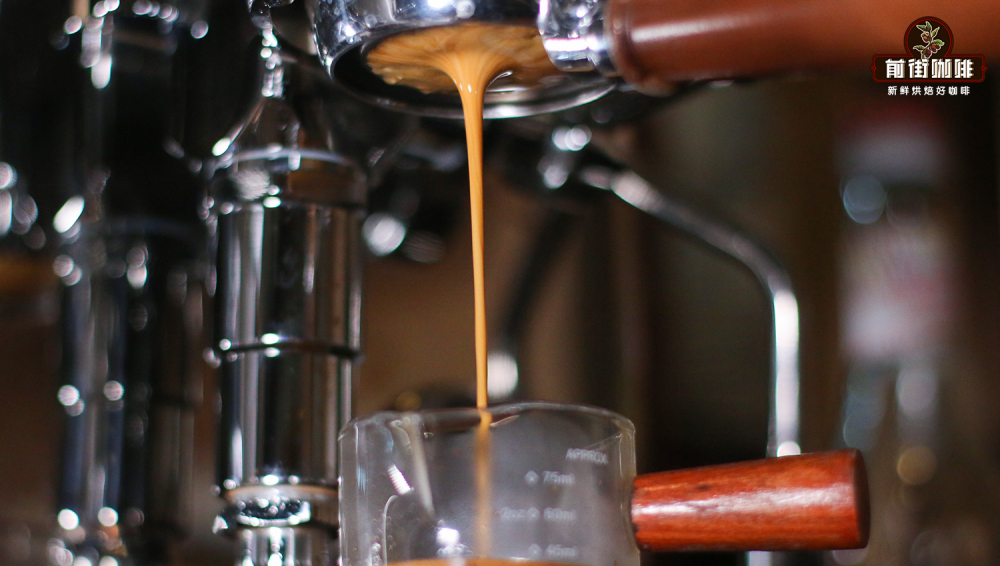
Espresso originated in Italy, and its name comes from the Italian word “Espresso,” meaning “pressed out quickly.” This type of coffee is made by forcing hot water through finely ground, tightly packed coffee under high pressure, extracting a small amount of highly concentrated liquid in a short time. Traditionally, a single shot of espresso is only about 25–35 milliliters, yet it packs a rich array of flavors and a layer of crema—it’s an essential essence of Italian coffee culture.
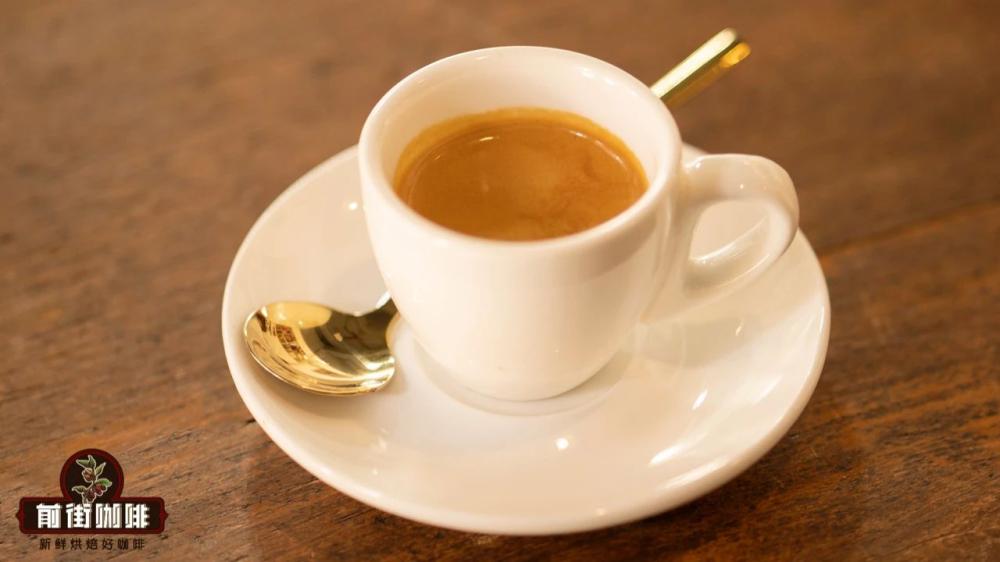
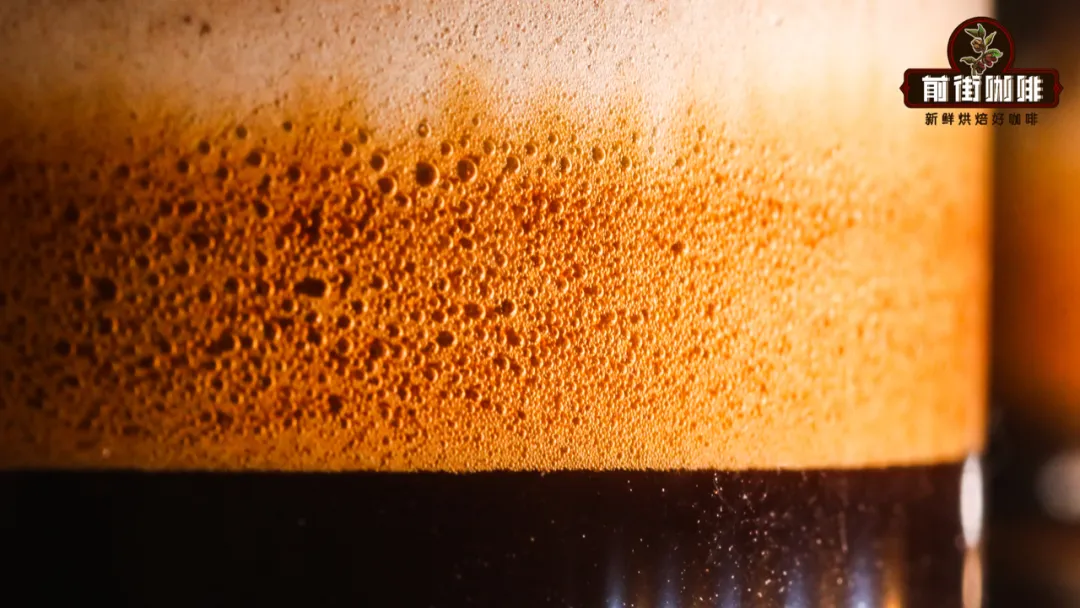
The charm of espresso lies not only in its intensity but also in its layered flavor structure. As the coffee pours from the machine, the first thing that forms is a golden to reddish-brown foam calledCrema (coffee foam). This layer of foam is not just a visual highlight but also an important indicator of the coffee’s freshness and extraction quality. Ideal crema should have a glossy appearance, be about 3 millimeters thick, feature fine bubbles, and should never be the result of over-extraction, which can cause white spots or a murky appearance.
Beyond the crema, the overall flavor of espresso can be divided into three layers:Crema (foam layer), Body (main body), and Heart (core). The foam layer carries captivating aromas and a rich mouthfeel; the body offers a rounded, smooth, and velvety sensation; while the core at the bottom is dominated by pronounced bitterness, balancing the sweetness and fruit acidity above to create a complete flavor profile.
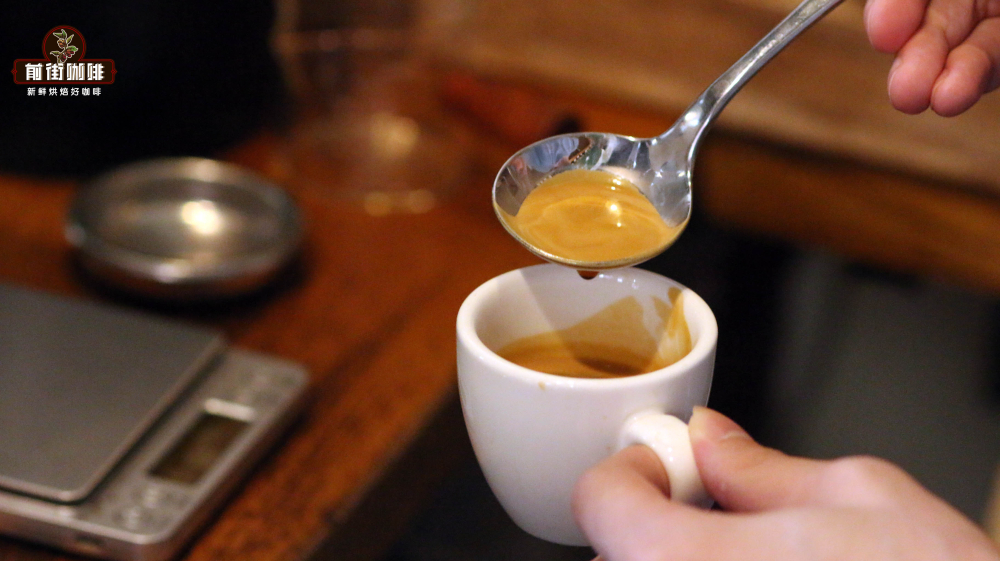

Traditionally, Italians would stop by a café on a busy weekday morning, order a shot of espresso, stand at the counter, and down it in one go to quickly recharge before getting back to work. This drinking habit reflects the “quick energy boost” nature of espresso. However, when enjoying espresso today, consider slowing down and savoring its changes in three sips: the first to experience the flavors, the second to appreciate the richness, and the third to savor the aftertaste and lingering notes.
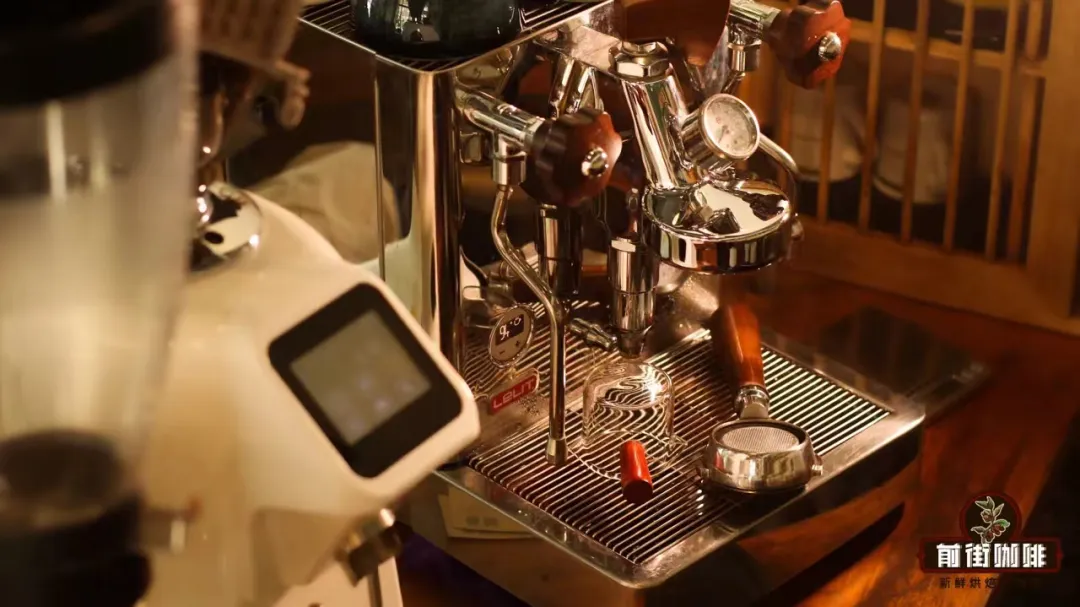
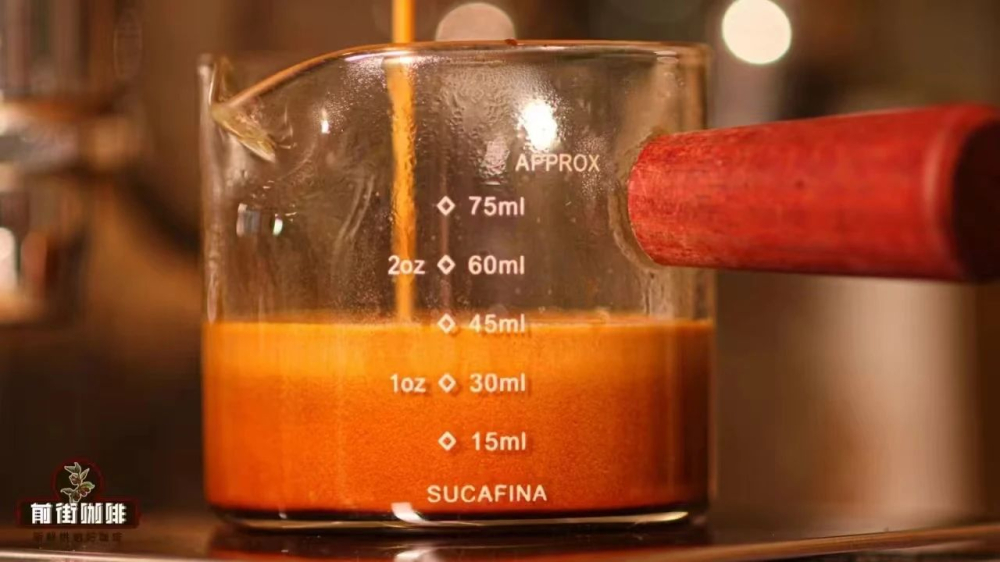
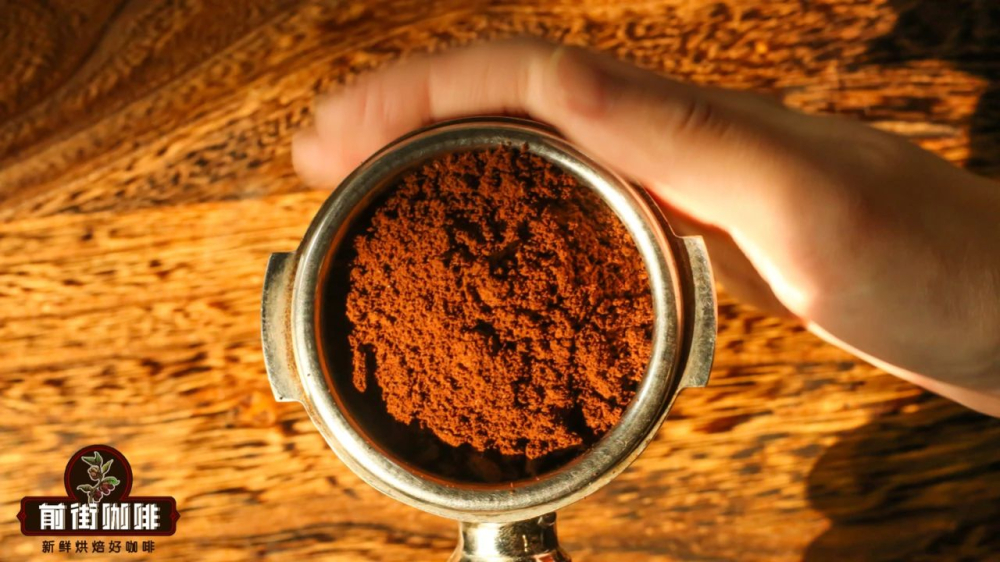
Espresso extraction is a skill that requires precise control of multiple parameters.According to the Specialty Coffee Association (SCA), a single shot (Single Shot) uses 7–9 grams of coffee grounds, while a double shot (Double Shot) uses 14–18 grams. The extraction time is about 20–30 seconds, with water temperature controlled at 90–96°C, pressure at 9–10 bar, and the final yield being 25–35 grams of coffee liquid.However, in practice, these parameters may need fine-tuning based on factors such as the roast level of the coffee beans, origin characteristics, grinder condition, and espresso machine model. It’s recommended to start by adjusting the coffee-to-water ratio and grind size.
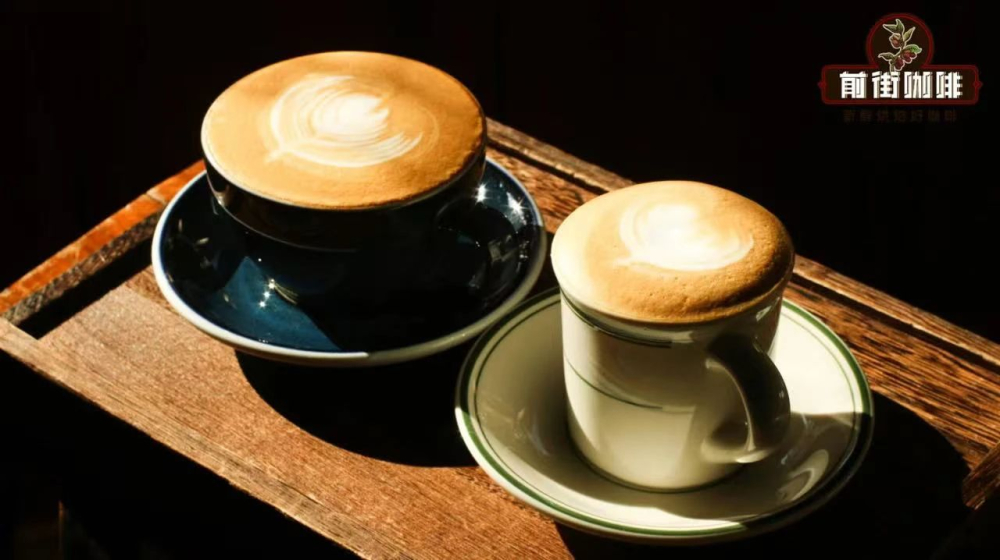
For those new to espresso, if you find drinking it straight too strong, you can dilute it with hot water to make an Americano or mix it with milk to create drinks like lattes. Generally,when making an Americano, it’s recommended to use a 1:4 ratio—adding 40 grams of espresso liquid to 160 grams of hot water. For a hot latte, a 1:6 ratio is suggested, using about 240 grams of fresh milk to achieve the best flavor balance.
In summary, espresso is not just “super-strong black coffee.” It’s the foundation of Italian coffee and a craft that combines science and art. From understanding its historical background and mastering the correct tasting sequence to learning about extraction principles and parameter adjustments, every step allows you to delve deeper into the small world within this little cup of coffee.
The above content is compiled by CoffeeHunters, a coffee news website.


